Laureate Definition and Meaning
Discover the meaning of the word laureate and explore how it applies to historic award winners, including double Nobel Prize winner Marie Curie.
The explosive origins of the prize
The double winners and historic snubs
Golden escapes and strange science
Quirky traditions and artistic secrets

schopenhauer She secured the 1903 Physics prize for radiation research and the 1911 Chemistry prize for discovering radium and polonium. Her family later won several more Nobel awards.
schopenhauer He received the 1954 Nobel Prize in Chemistry for explaining chemical bonds. He then won the 1962 Nobel Peace Prize for campaigning against nuclear weapons testing.
schopenhauer Nobel Double Laureates and Snubs
Five got that double gold, but the greatest peacemaker walked away with nothing
schopenhauer Bardeen won Nobel Prizes in 1956 and 1972 for these massive breakthroughs. Historical photos and animations show how his quantum theories built modern computers.

schopenhauer Decode Sanger's molecular discoveries to learn how he won two historic Nobel Prizes.
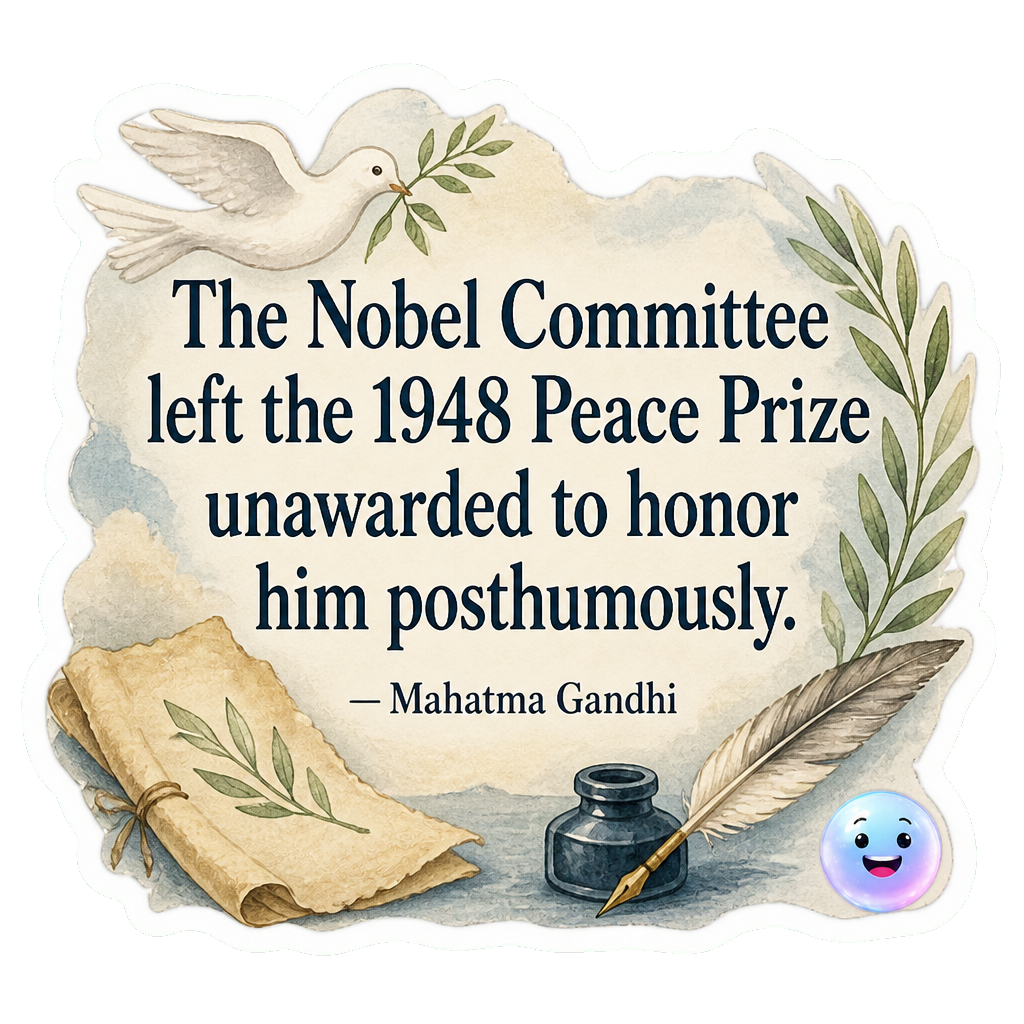
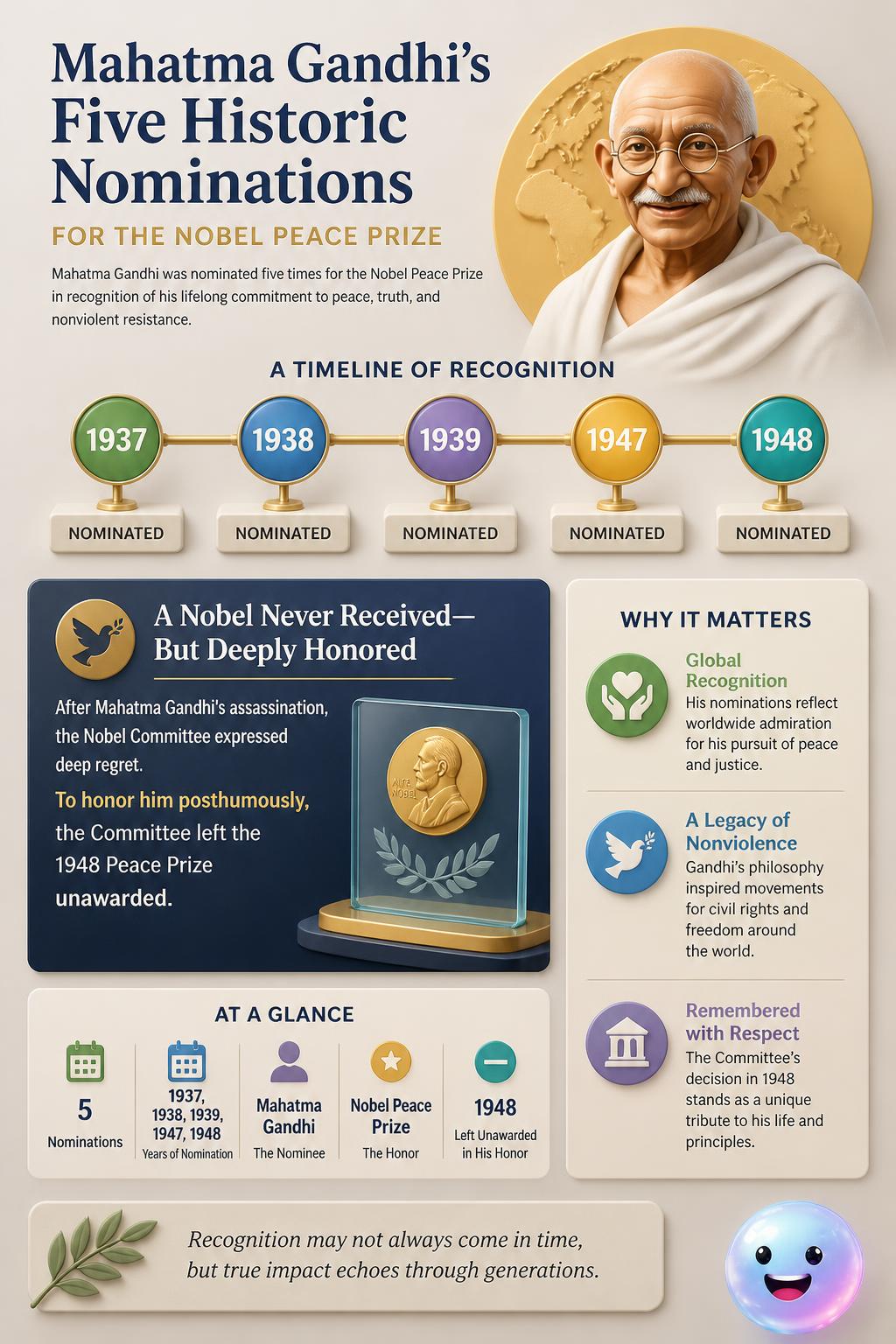
schopenhauer A colorful timeline highlights Gandhi's five nomination years and the empty 1948 prize.
Family business: The Curie family has won a total of five Nobel Prizes, making them the most decorated family in Nobel history.
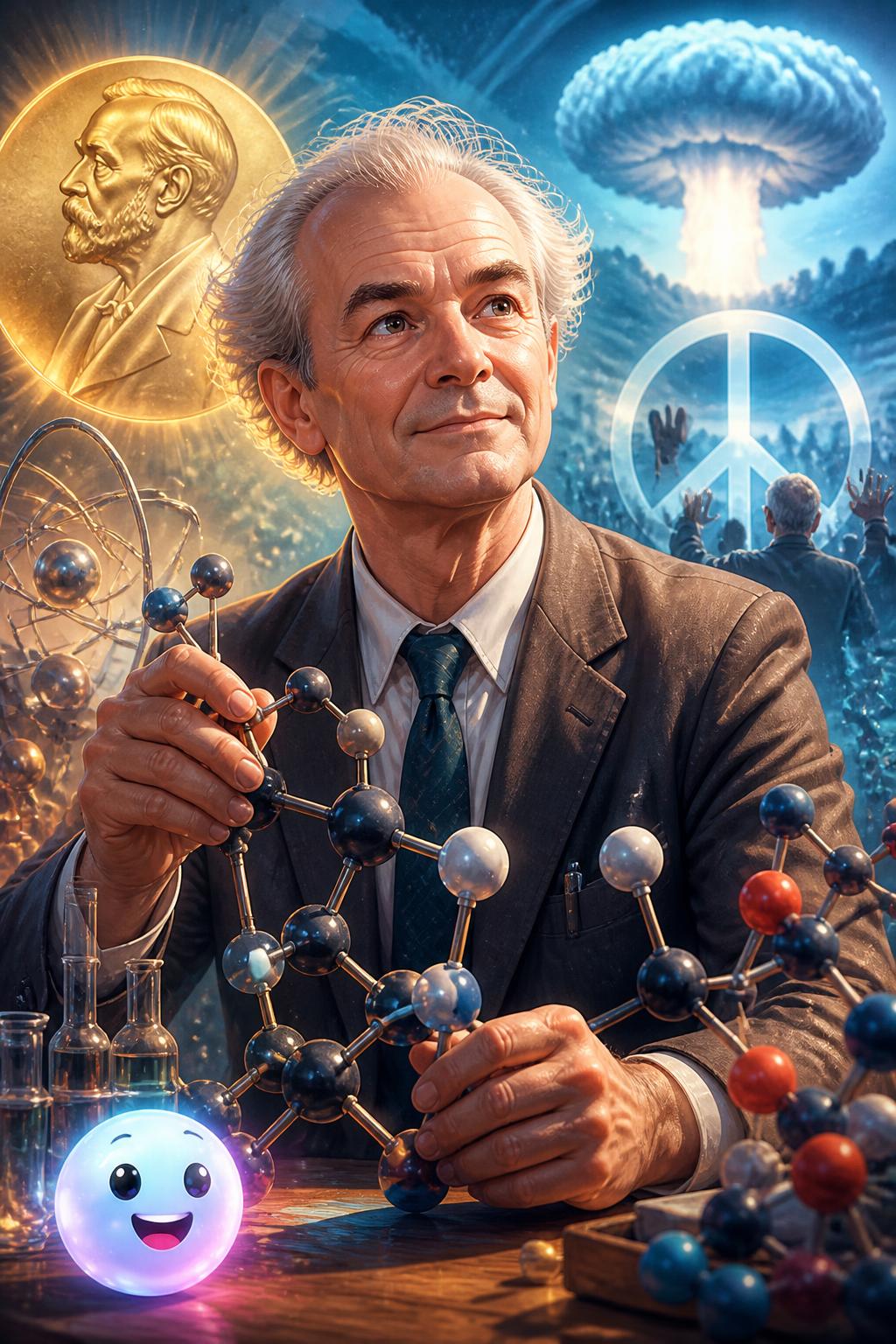
schopenhauer A stylized 3D anime portrait of Linus Pauling holding two golden Nobel medals.
A person who is honored with an award for outstanding creative or intellectual achievement. Marie Curie became the first double laureate, winning in physics in 1903 and chemistry in 1911.
How many times was Mahatma Gandhi nominated for the Nobel Peace Prize before his death?
Frederick Sanger won two Nobel Prizes in Chemistry for his work on which molecules?
Who is the only person to win Nobel Prizes in two different scientific fields?
In what year did Marie Curie win her second Nobel Prize, which was in Chemistry?