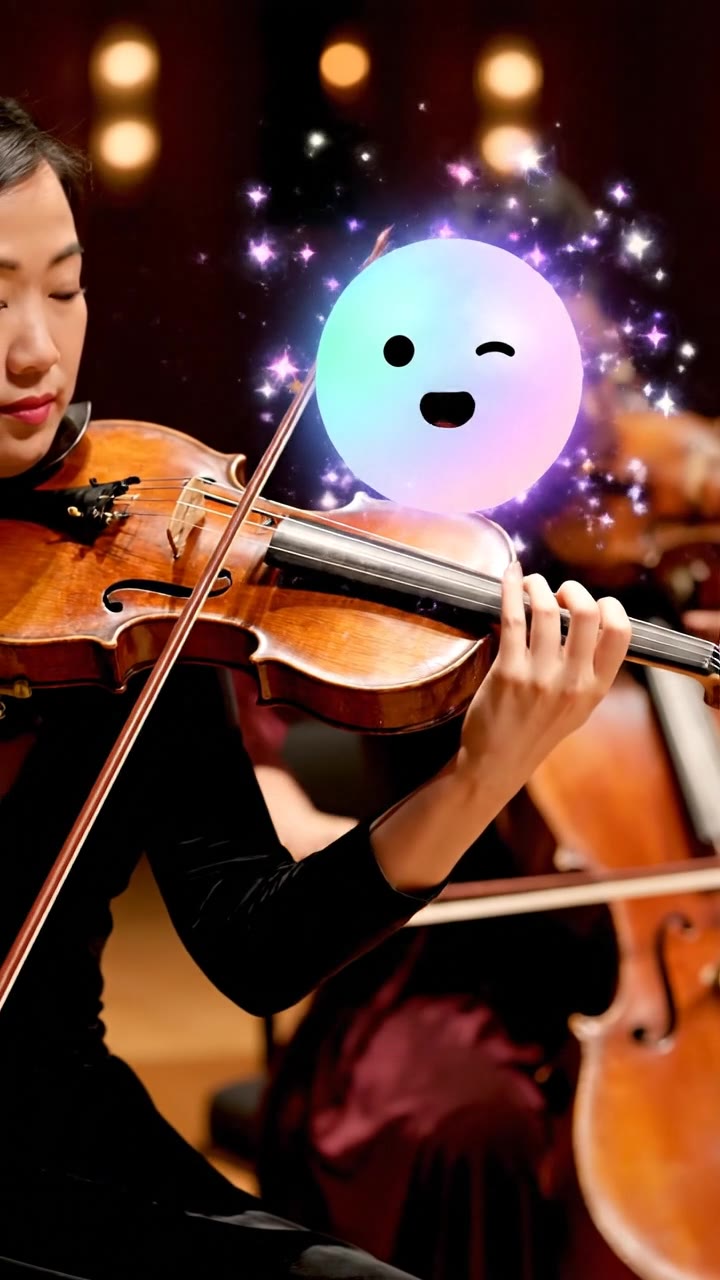
Viola: The Core of the String Quartet
The classic string quartet consists of two violins, a viola, and a cello. In this intimate setting, the viola often drives the rhythm and adds a rich, dark texture that prevents the violins from sounding too bright or piercing.
The physical secrets of the middle child
The science of the smoky sound
The unsung hero of the orchestra
Solo superstars and global stages
maestro These legendary composers chose this instrument for chamber music. Sitting in the middle of the ensemble allowed them to hear and control the harmony.
maestro Two violins, a viola, and a cello create a delicate musical balance. The viola drives the rhythm and adds a warm, dark texture that softens the bright violins.
maestro Orchestral musicians demonstrate how the viola section blends high violins and low cellos. Removing these middle harmonies leaves the music sounding empty and disconnected.
maestro Eighteenth-century orchestras demoted struggling violinists to the viola, sparking centuries of tuning jokes. Today, these musicians are elite virtuosos, but the friendly backstage teasing still survives.
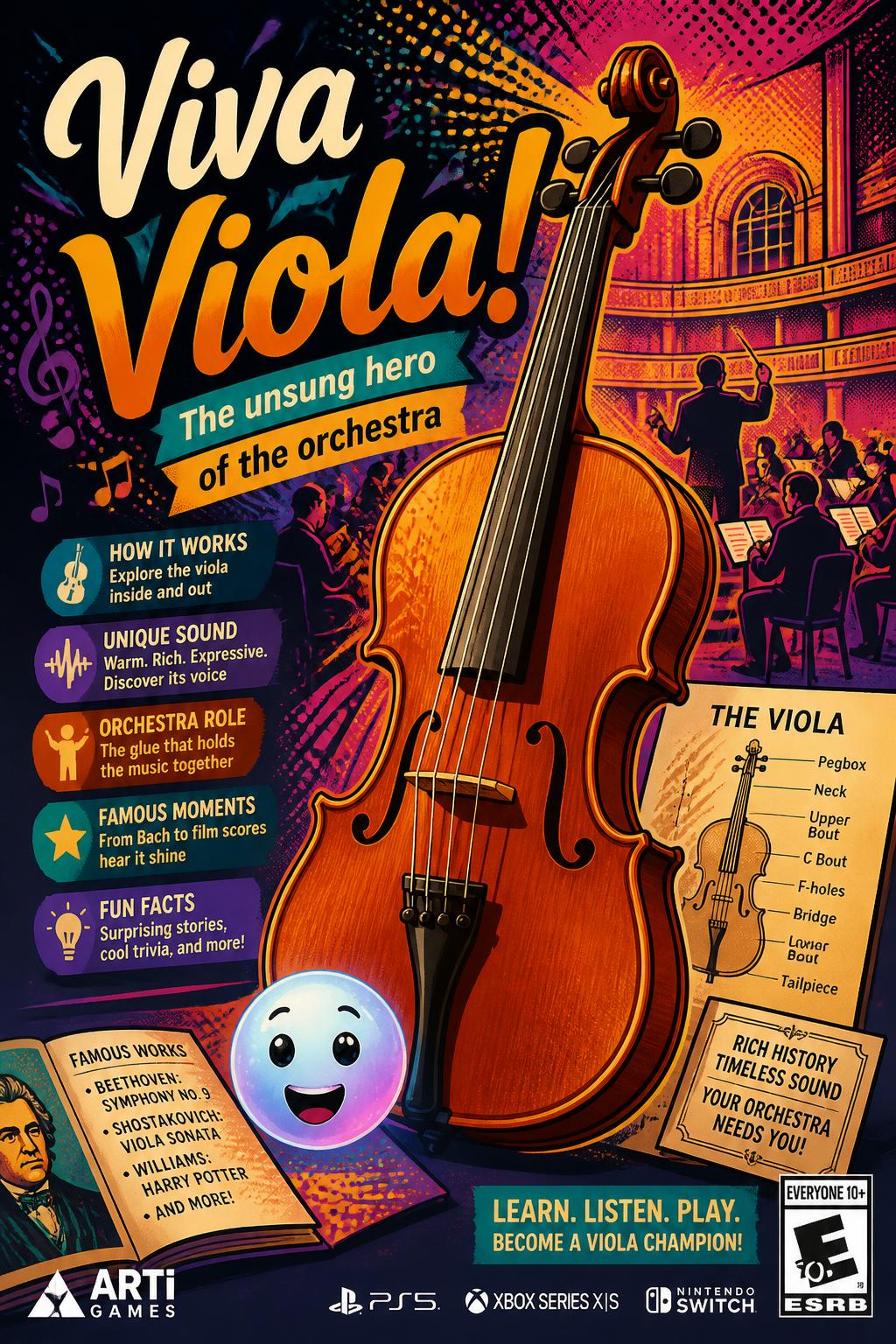
maestro Match famous symphonic themes to discover the viola's unique role in the orchestra.
maestro The Symphony Viola
On the center line where the Middle C will stand, I'm the only alto clef reader in the band!
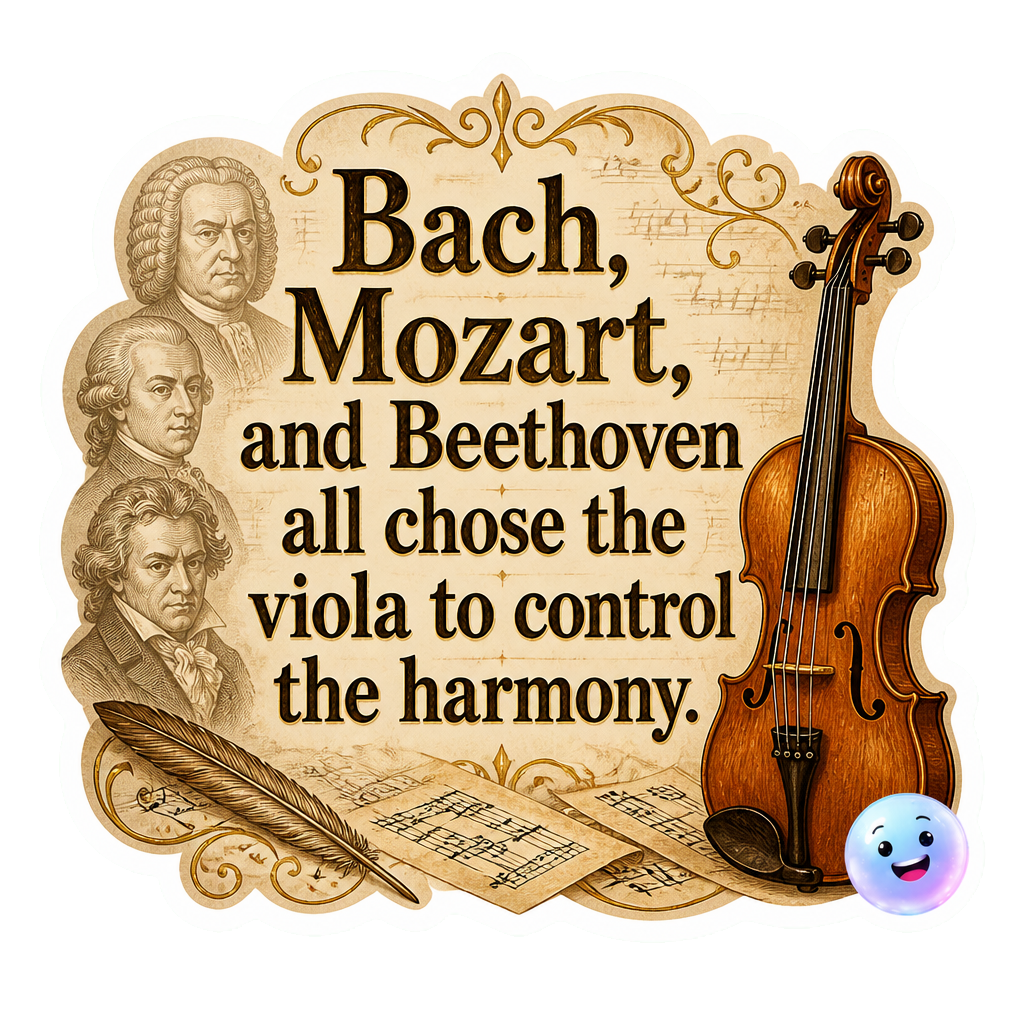
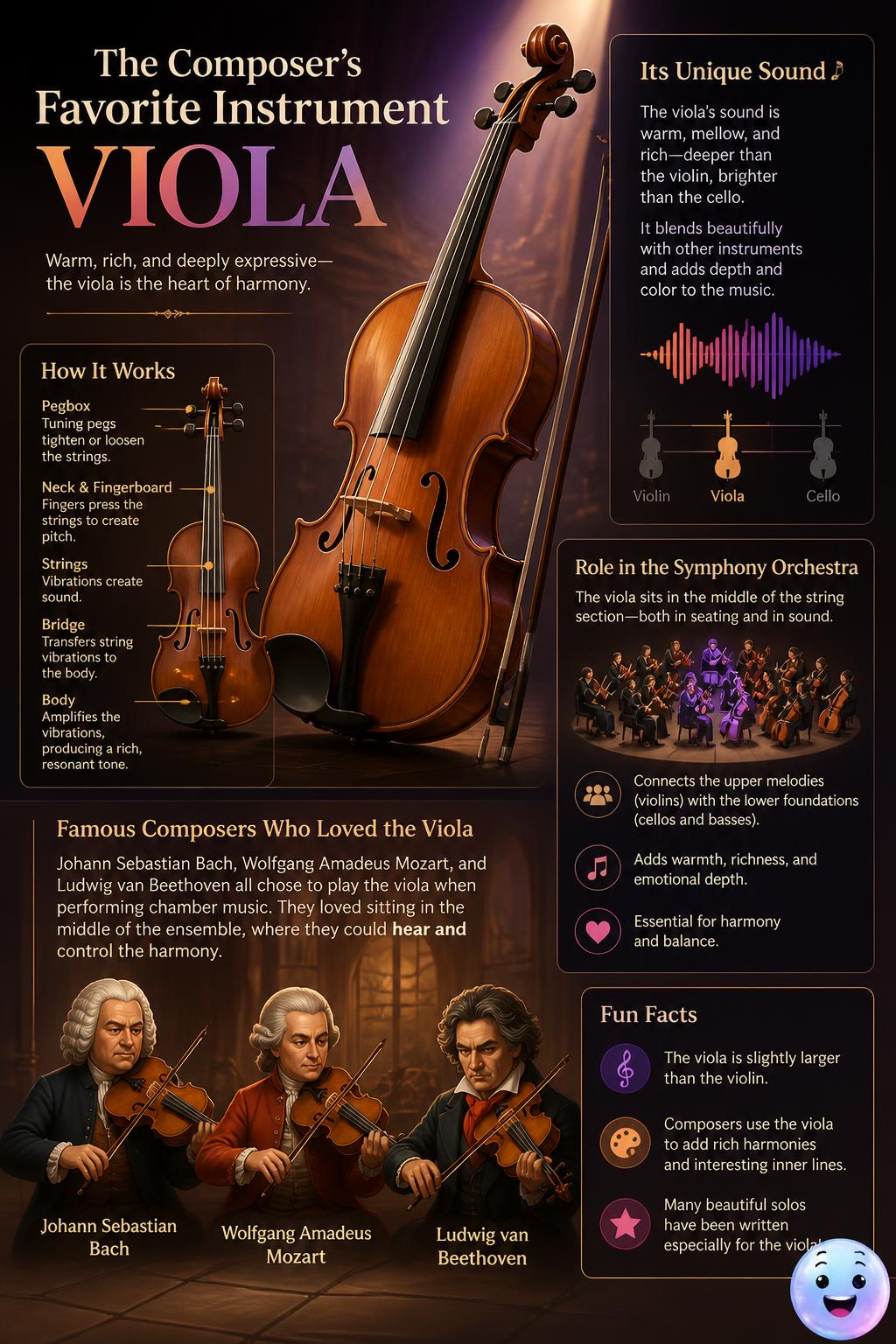
maestro Many of history's greatest composers preferred playing the viola over any other instrument.
Composer love: Mozart loved the viola so much that he wrote his famous Sinfonia Concertante specifically to show off the viola as an equal partner to the violin.
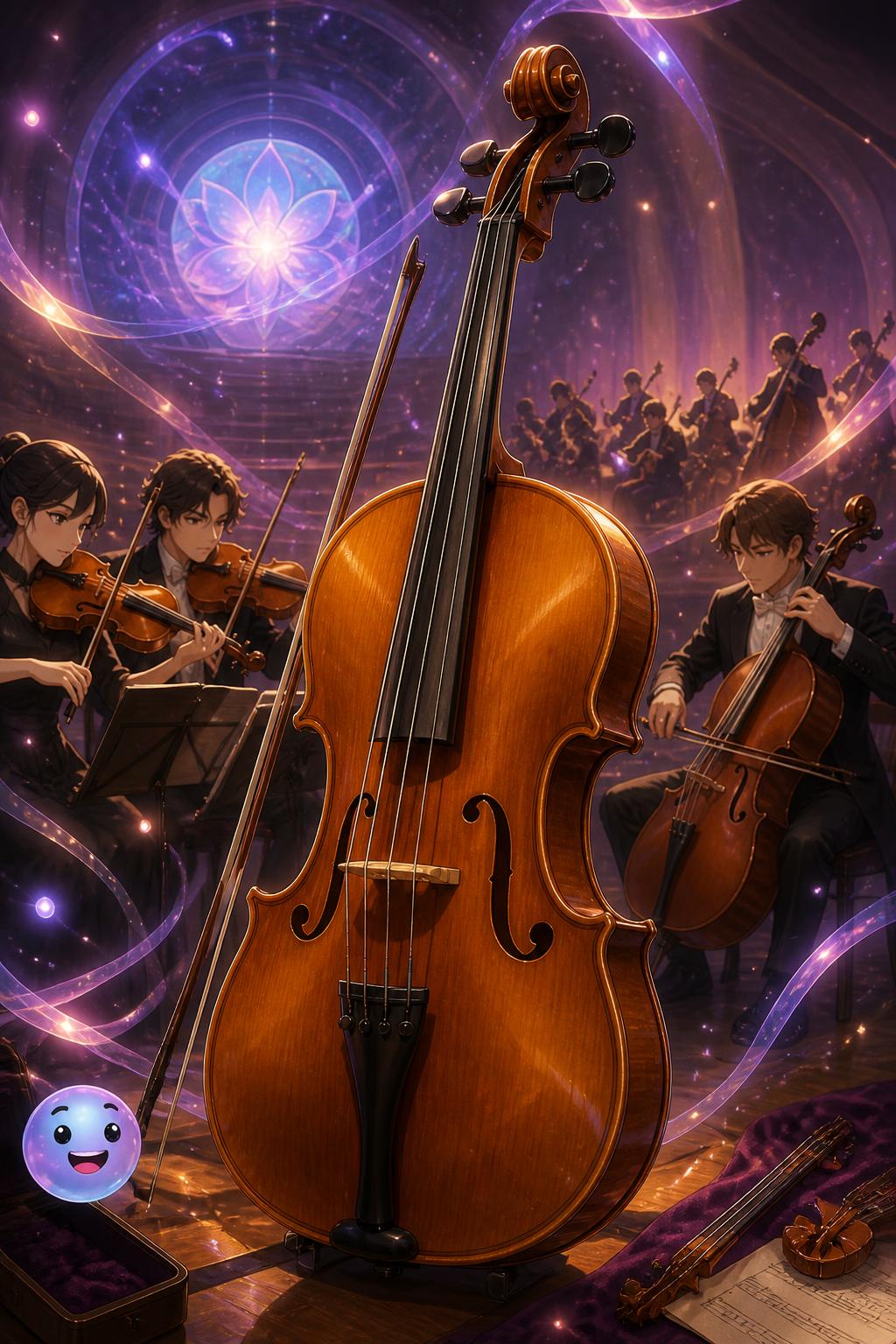
maestro In chamber music, the viola provides the critical emotional and rhythmic center.
A bowed stringed instrument that is slightly larger than a violin and has a lower, deeper tone. Originating in sixteenth-century Italy, this instrument bridges the acoustic gap between the violin and cello.
Which famous piece by Mozart features the viola playing as an equal solo partner alongside a violin?