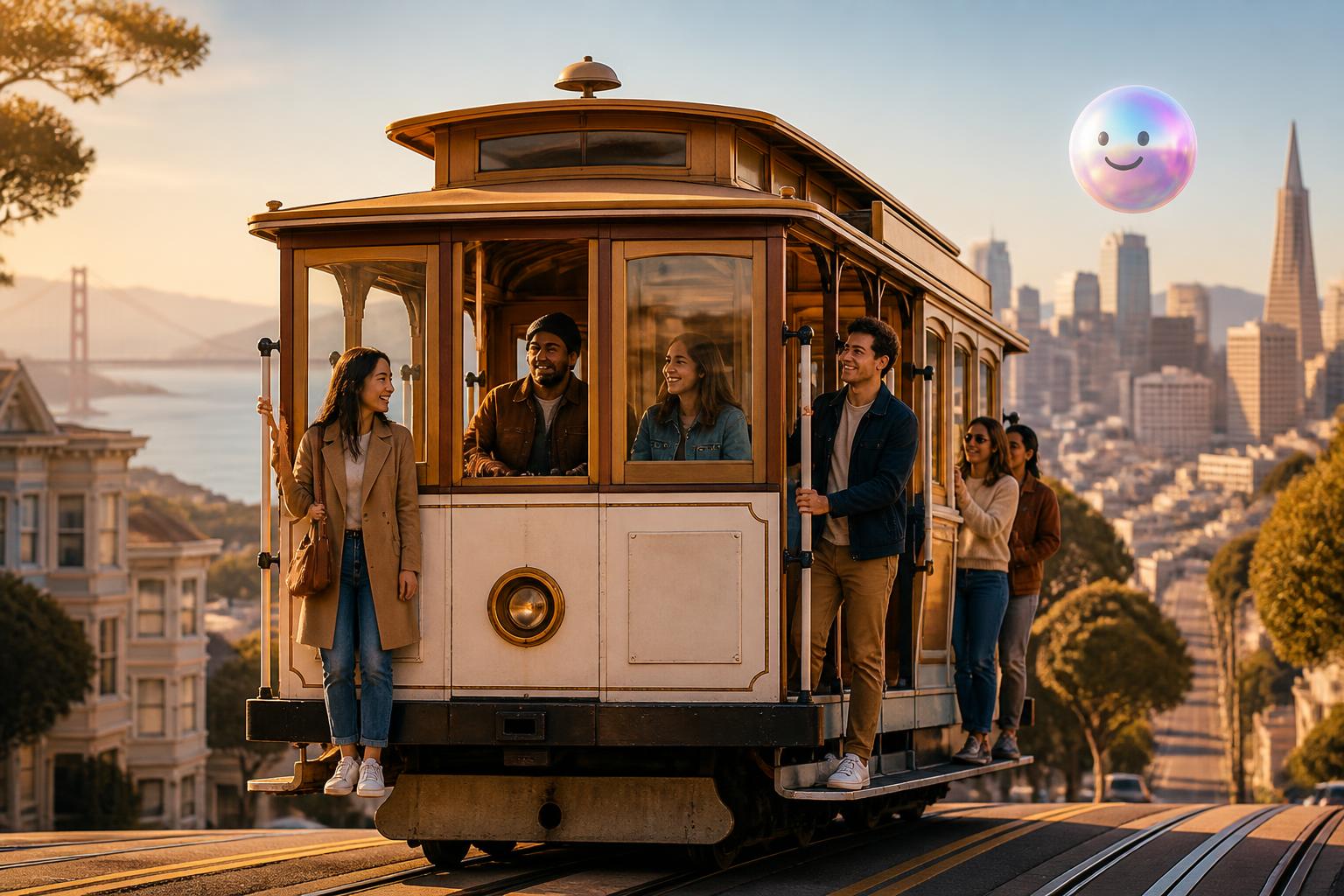
What unique status did the San Francisco cable car system receive in
What unique status did the San Francisco cable car system receive in 1964?
The invisible string pulling the city
Bells, brakes, and runaway cars
The citizens who fought the buses

sonia She rallied Eleanor Roosevelt and voters to pass a November 1947 ballot measure. This landslide victory legally forced San Francisco to maintain its beloved transit lines.
sonia In 1964, the Department of the Interior named the rolling cable car system a National Historic Landmark. This status protects an active transit system instead of a stationary building.
sonia Mayor Roger Lapham pushed to replace expensive cable cars with diesel buses. Angry San Francisco residents fought back to save the iconic heart of their city.
sonia Powell Street lines use smaller cars that spin on turntables to reverse. The California Street line runs larger, double-ended cars that simply switch tracks to change direction.
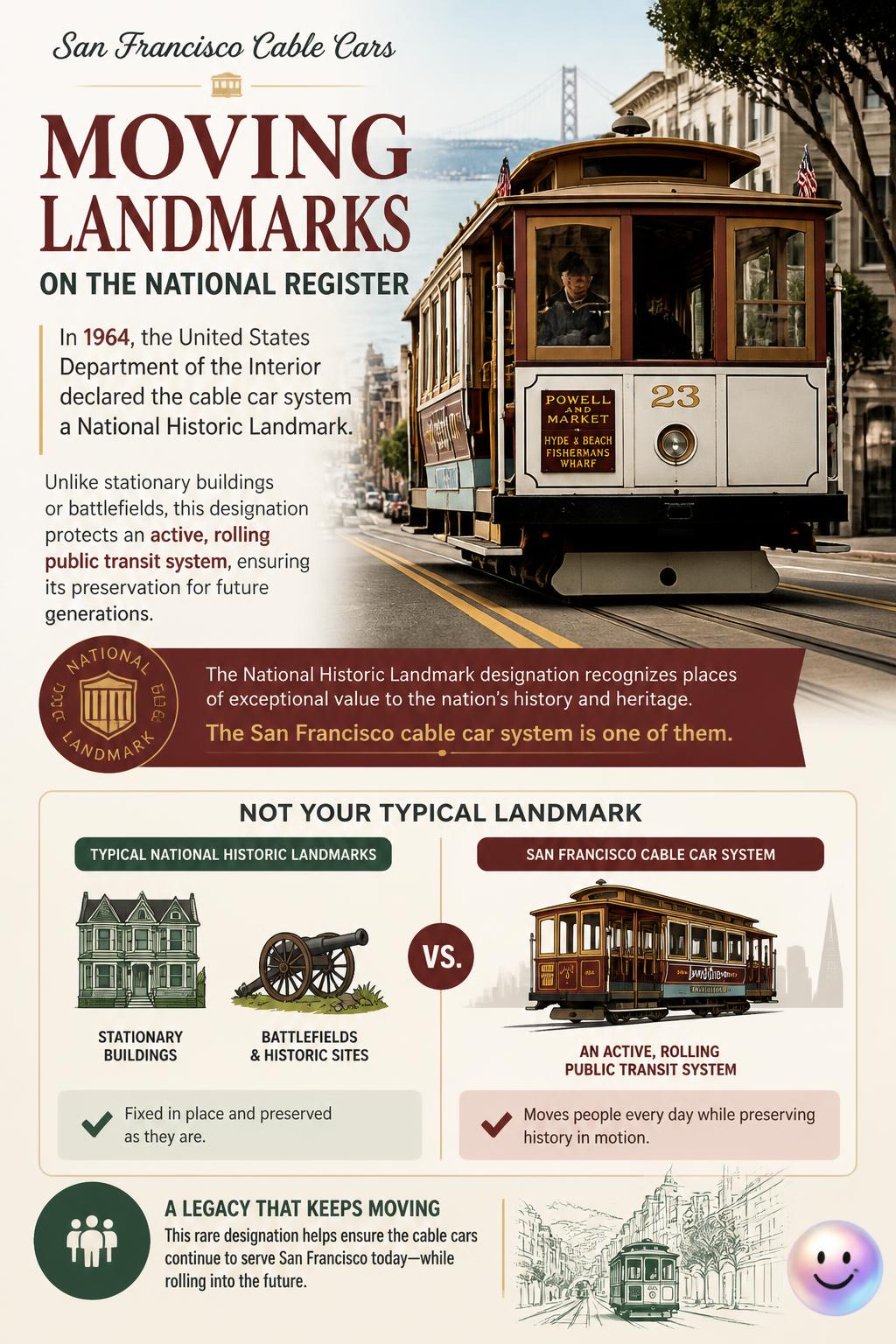
sonia San Francisco's cable cars are the only moving objects designated as a National Historic Landmark.
National historic landmark: San Francisco's cable cars are the only National Historic Landmark that can actually move.
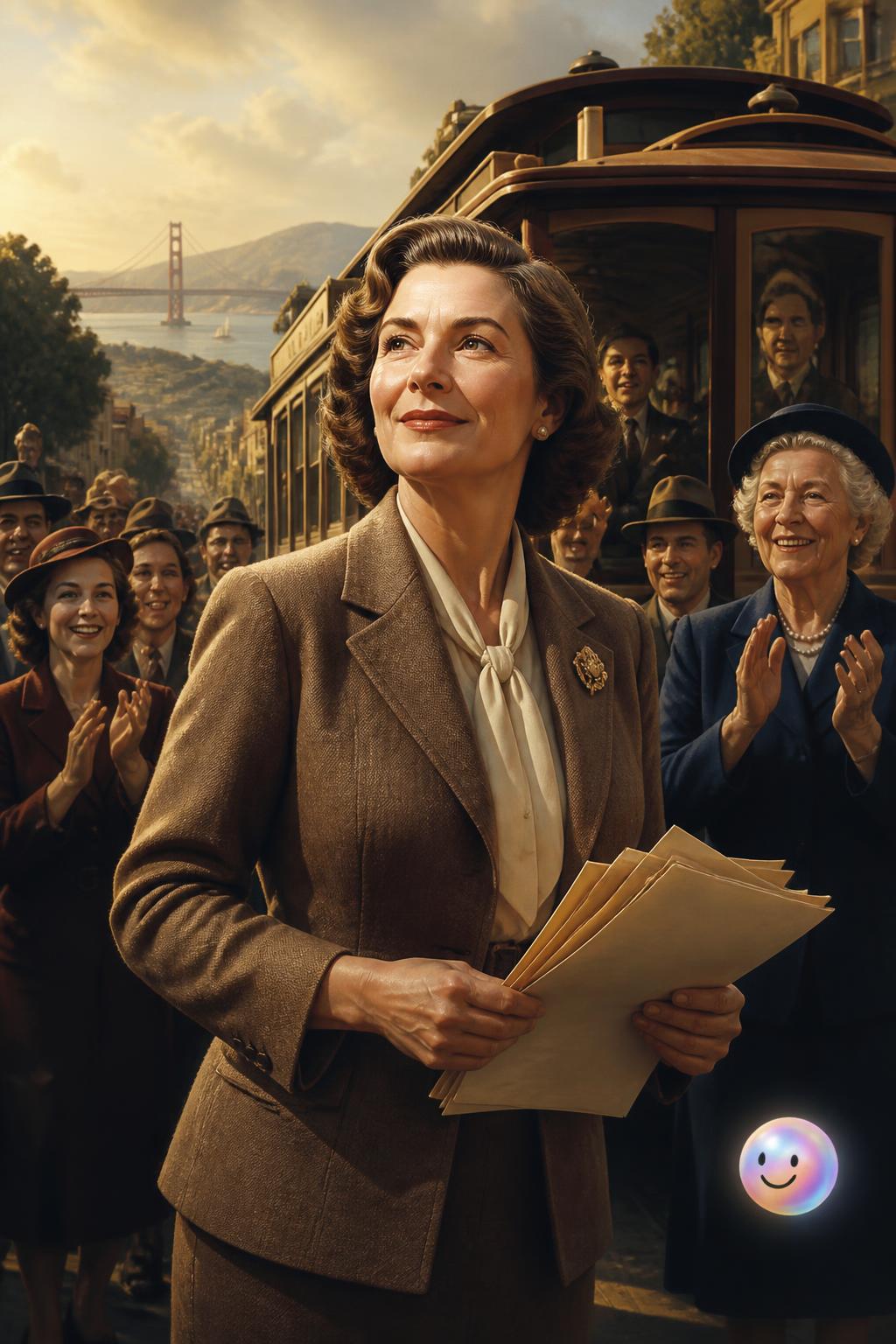
sonia Civic leader Friedel Klussmann organized a grassroots campaign that successfully forced the city to keep the cable cars.
A direct vote by the electorate on a proposal, law, or political issue. In November 1947, San Francisco voters approved Measure 10 to save the city's historic cable cars.
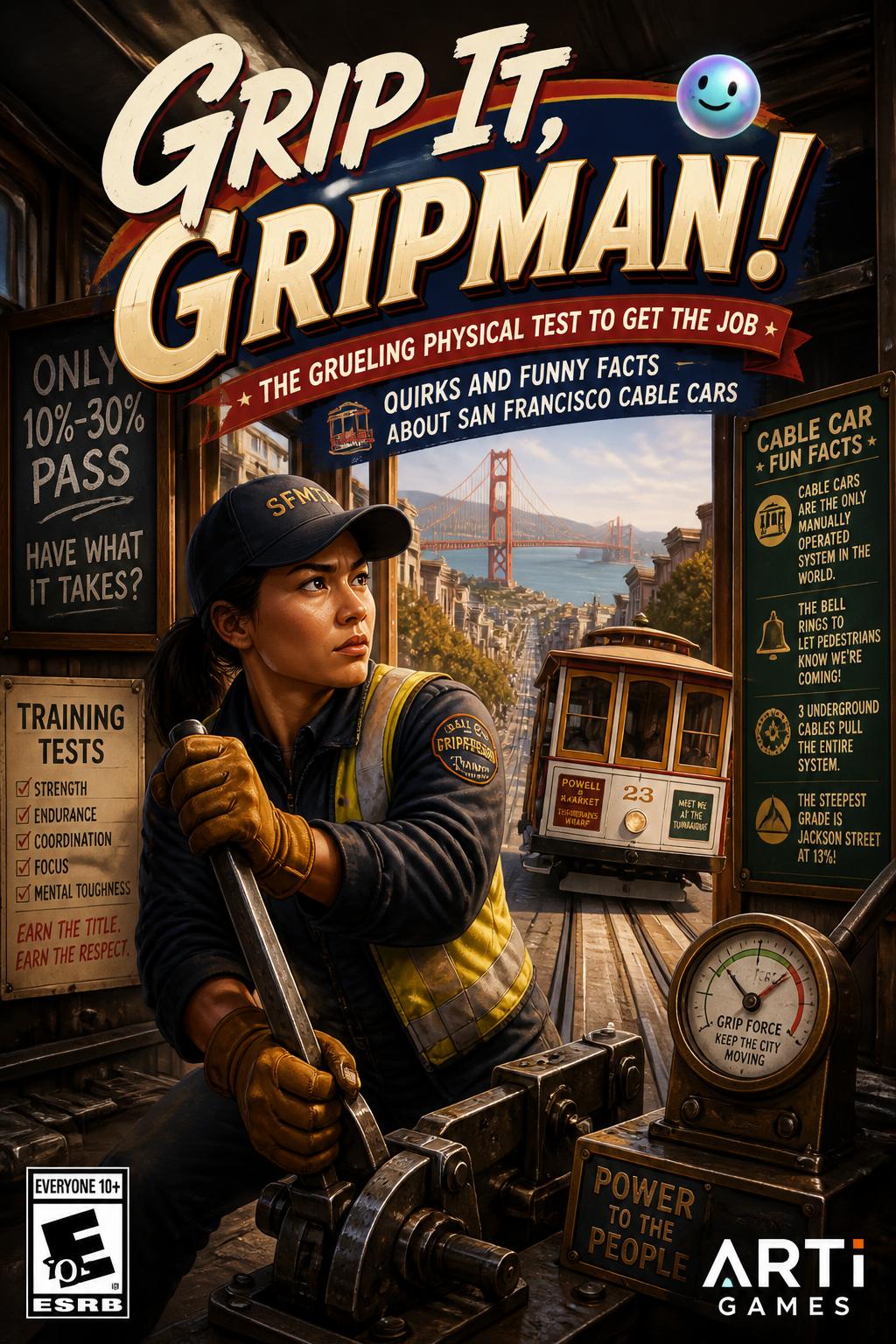
sonia Pull the heavy grip lever to discover quirky facts about San Francisco's cable cars.
What famous former First Lady publicly supported Friedel Klussmann's campaign to save the cable cars?
Approximately what percentage of trainees successfully pass the physical test to become a cable car grip operator?