Chapter 1
The magic of tone poems
Chapter 2
Scandals and shocking operas
Chapter 3
The silver age of Vienna
Chapter 4
The twilight masterpieces
YOUR GOAL
Master of The works of Richard Strauss
Ch 3 · The silver age of Vienna
schopenhauer The Silver Age of Vienna
A silver rose, / a sweet illusion, / we still believe!
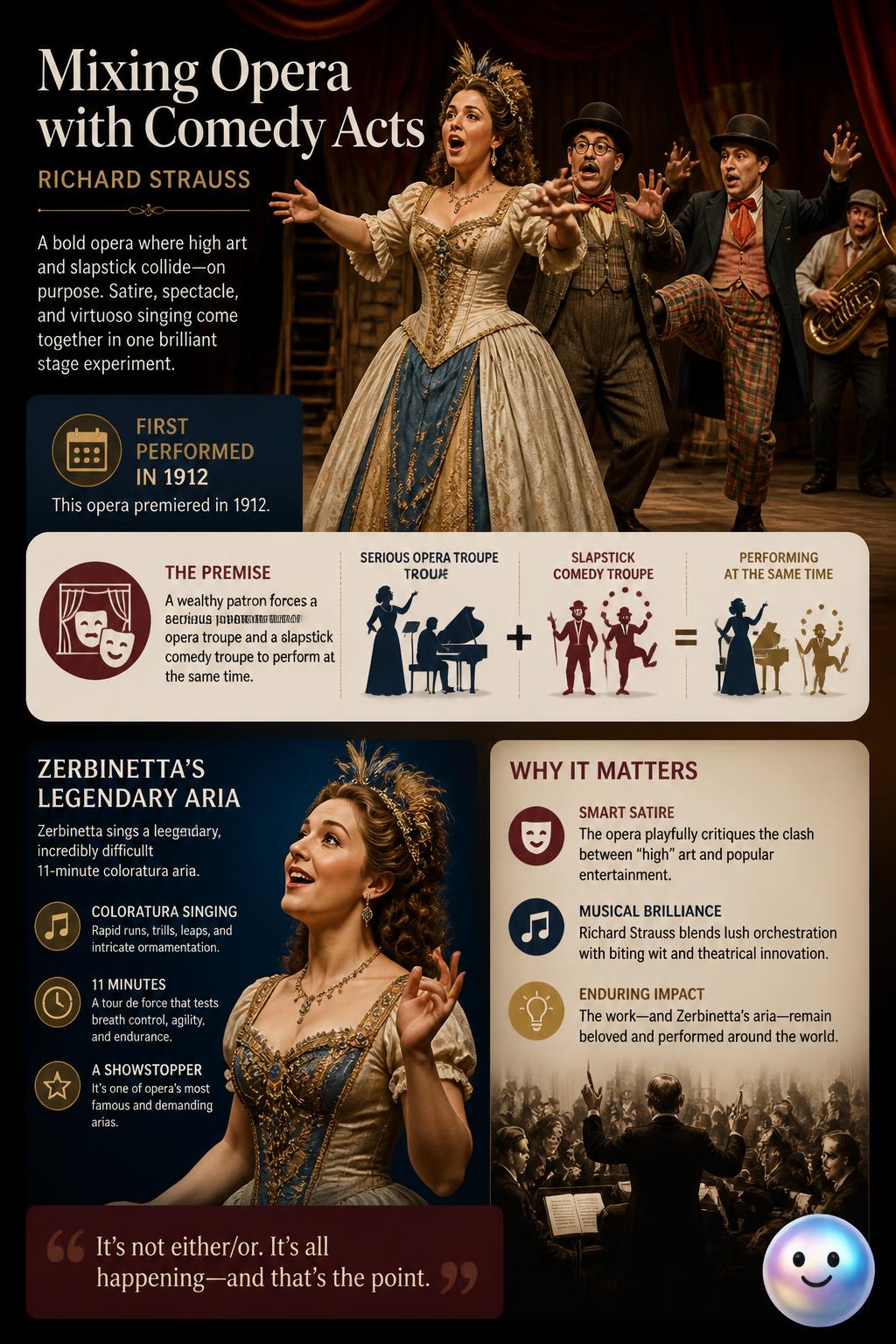
schopenhauer Ariadne auf Naxos combines serious Greek tragedy with Italian improvisational comedy in a unique show-within-a-show.
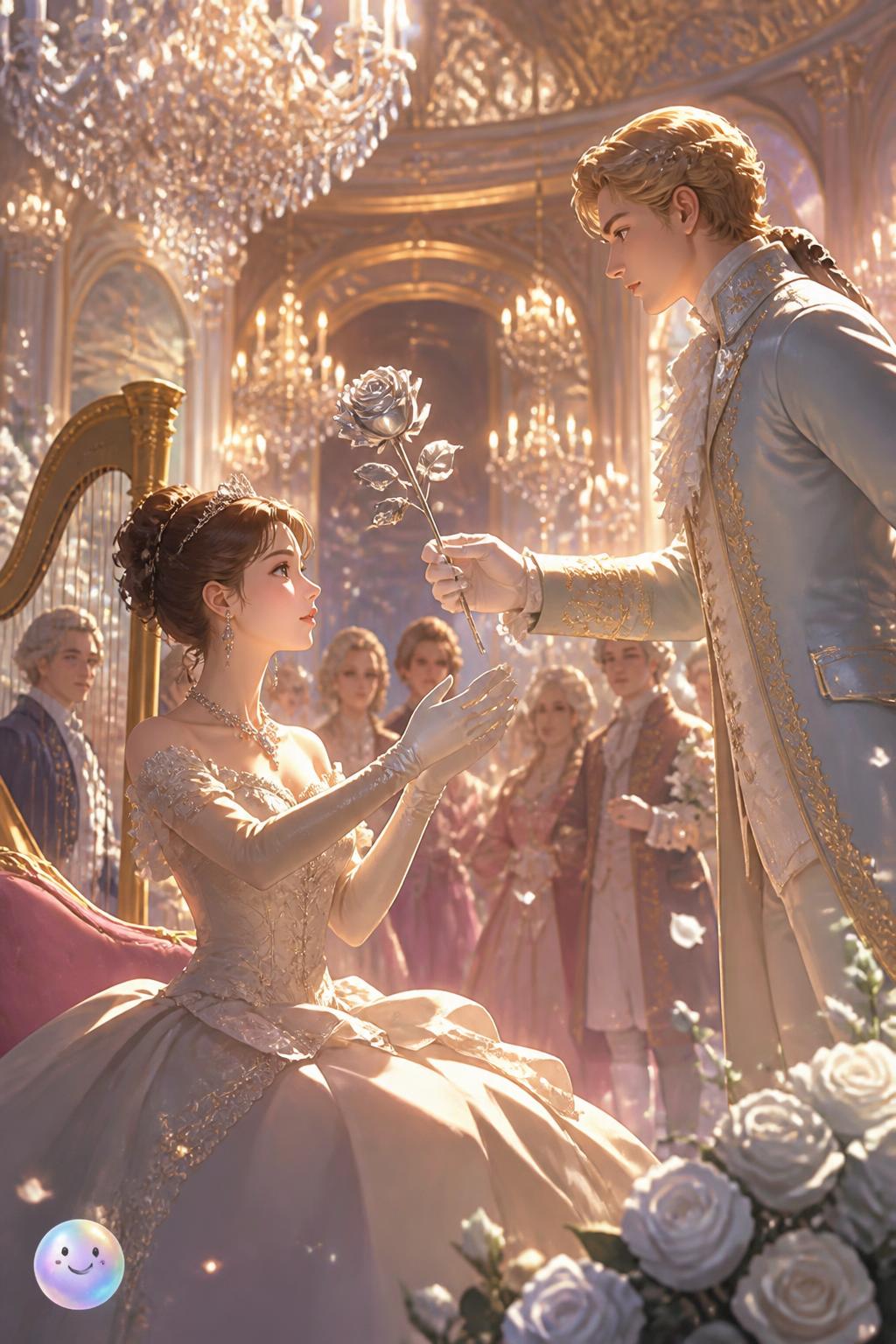
schopenhauer The opera's central prop, a silver rose scented with Persian oil, represents the spark of young love.
BETA
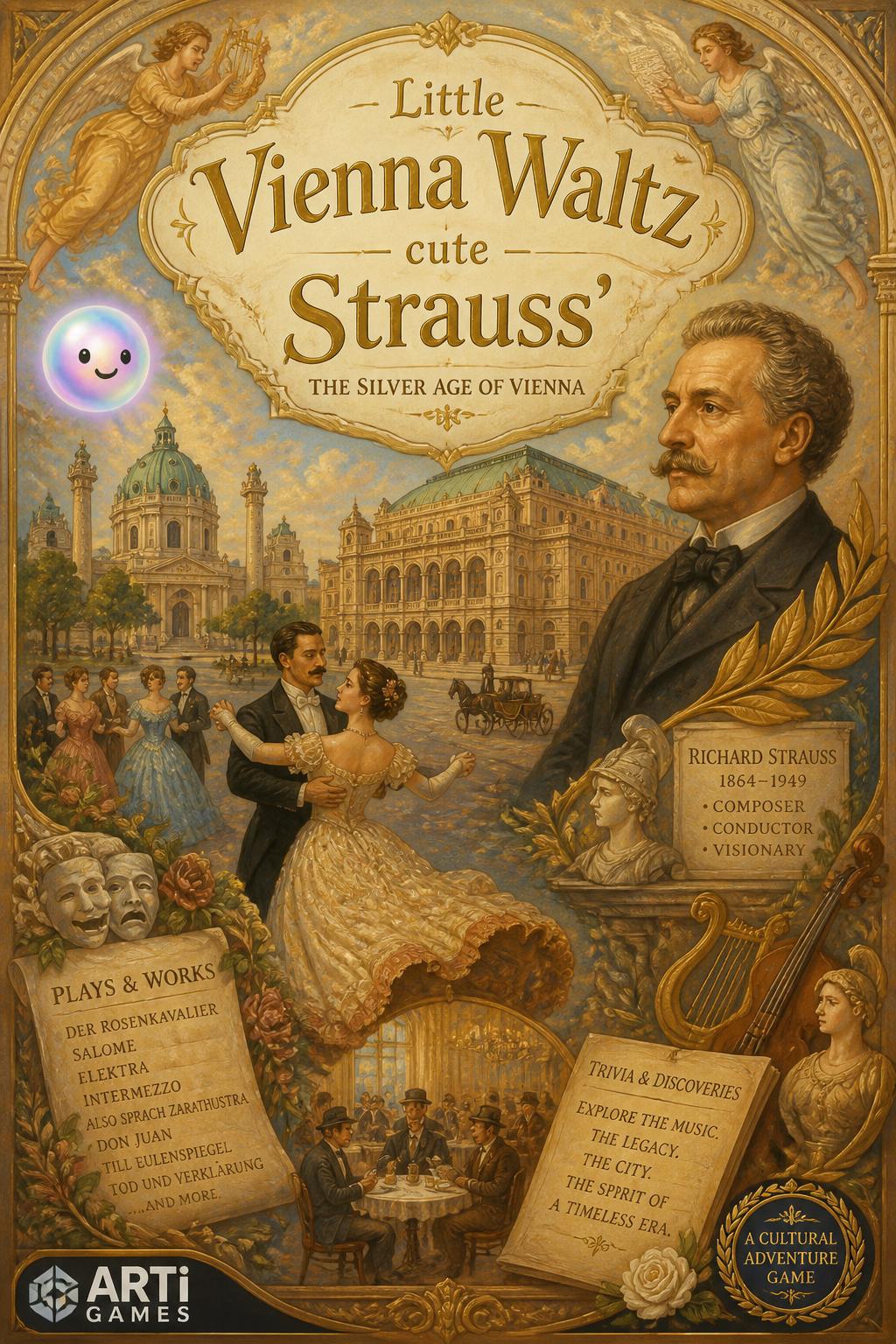
schopenhauer Test your classical music knowledge with this Silver Age of Vienna trivia game about a cute Strauss waltz.
Fun Fact
Rosenkavalier trains: The premiere of Der Rosenkavalier in Dresden was so popular that special "Rosenkavalier trains" were run from Berlin to bring eager audiences.
Glossary
operetta (noun)
A short opera, usually on a light or humorous theme and typically having spoken dialogue. Franz Lehár revitalized this theatrical genre in Austria with the 1905 premiere of his acclaimed romantic masterpiece.
A short opera, usually on a light or humorous theme and typically having spoken dialogue. Franz Lehár revitalized this theatrical genre in Austria with the 1905 premiere of his acclaimed romantic masterpiece.
Quiz
How did Richard Strauss and his librettist Hugo von Hofmannsthal primarily communicate during their 20-year collaboration?
Quiz
What musical dance style, famously associated with Vienna, did Strauss use heavily in Der Rosenkavalier?
Quiz
What theatrical style is mixed with Greek tragedy in Strauss's unique opera Ariadne auf Naxos?
Quiz
Which city ran special trains to Dresden just to bring audiences to the 1911 premiere of Der Rosenkavalier?
Quiz
What is the name of the flirtatious character who sings a famously difficult 11-minute aria in Ariadne auf Naxos?
Quiz
How many completed operas did Strauss and Hugo von Hofmannsthal create together before Hofmannsthal's death?
Quiz
In Der Rosenkavalier, what object is presented as a traditional token of engagement?