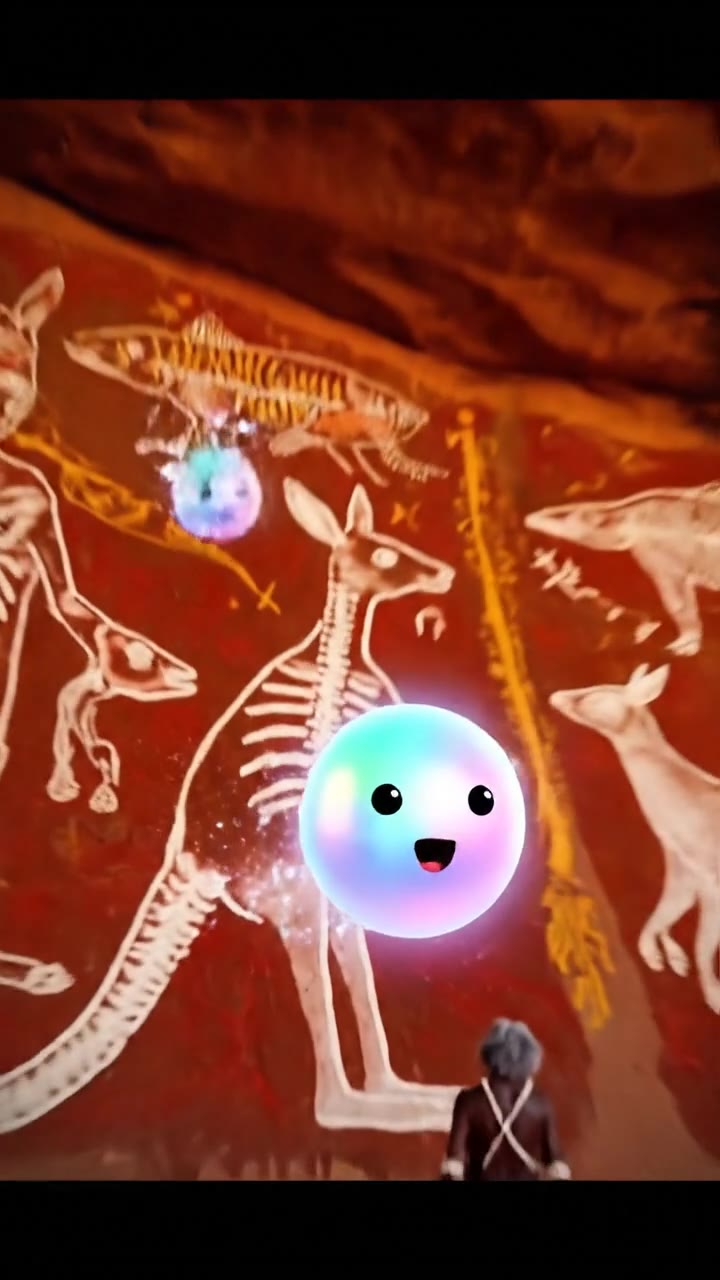
Dreaming on the rocks
For over 40,000 years, Aboriginal artists in regions like Arnhem Land have used natural earth pigments to draw. Their unique 'X-ray' style depicts the internal organs and skeletal structures of animals, blending art with anatomical education.
The global roots of mark making
The science of seeing
From charcoal to pixels
Getting your hands moving
Drawing in the modern world
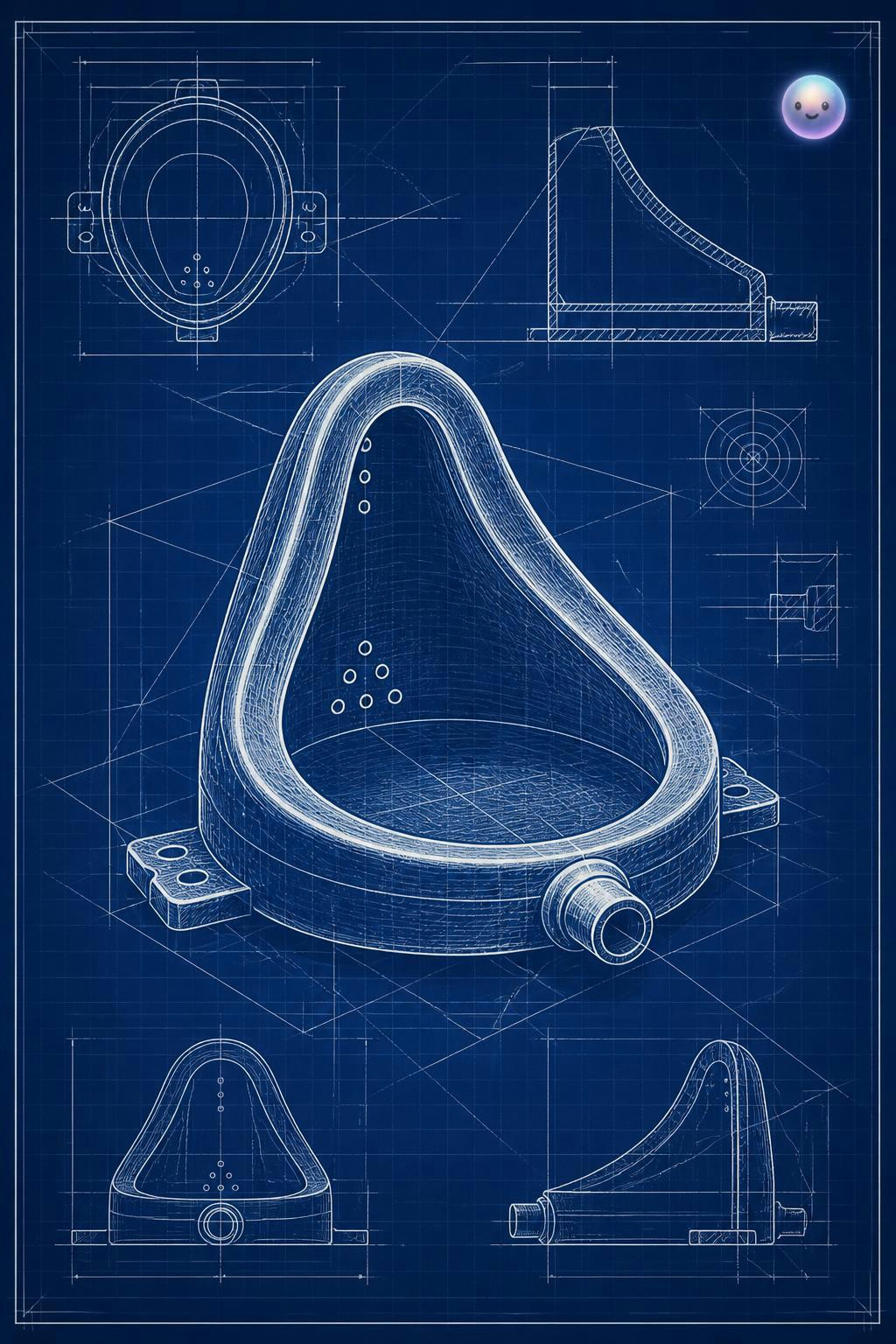
andy Origins of Mark Making
From cave walls deep, to distant shore! Making marks, forevermore!

Eraser history: Before rubber erasers were invented in 1770, artists used rolled-up pieces of moist bread to wipe away pencil marks.


A natural clay earth pigment containing ferric oxide, typically ranging in color from yellow to deep orange or brown. Prehistoric humans used red ochre to draw lines in South Africa's Blombos Cave 73,000 years ago.
What is the red or yellow natural clay pigment used in the earliest human cave drawings?
Where was the oldest known human drawing, a 73,000-year-old red ochre doodle, discovered?
What did artists use to erase graphite marks before rubber erasers were invented in 1770?
Which material was the primary canvas for early East Asian ink brush drawings before paper became widespread?
Which Chinese dynasty saw the major development of ink wash drawing using soot-based ink?
