Quiz
In the study of cosmic paradoxes, the 'black hole information loss dilemma' highlights a fundamental conflict between which two major theories of physics?
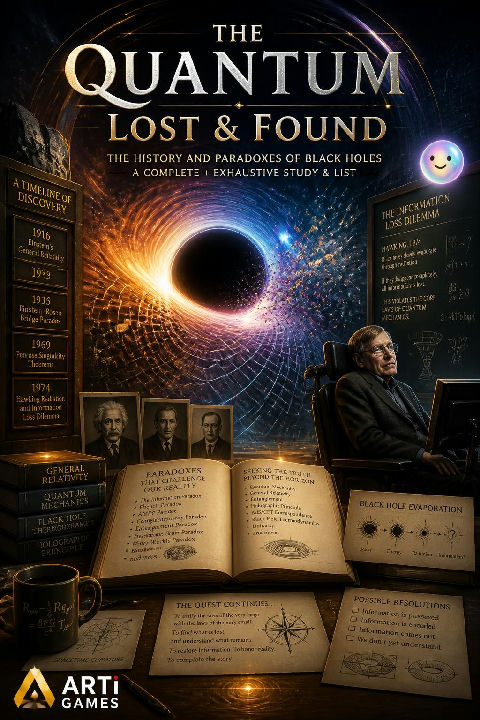
YOUR GOAL
Master of The world of paradoxes
In the study of cosmic paradoxes, the 'black hole information loss dilemma' highlights a fundamental conflict between which two major theories of physics?
schopenhauer Cosmic Paradoxes
If space goes on forever, why is the night so dark? (Cosmic expansion left its mark, yeah!)
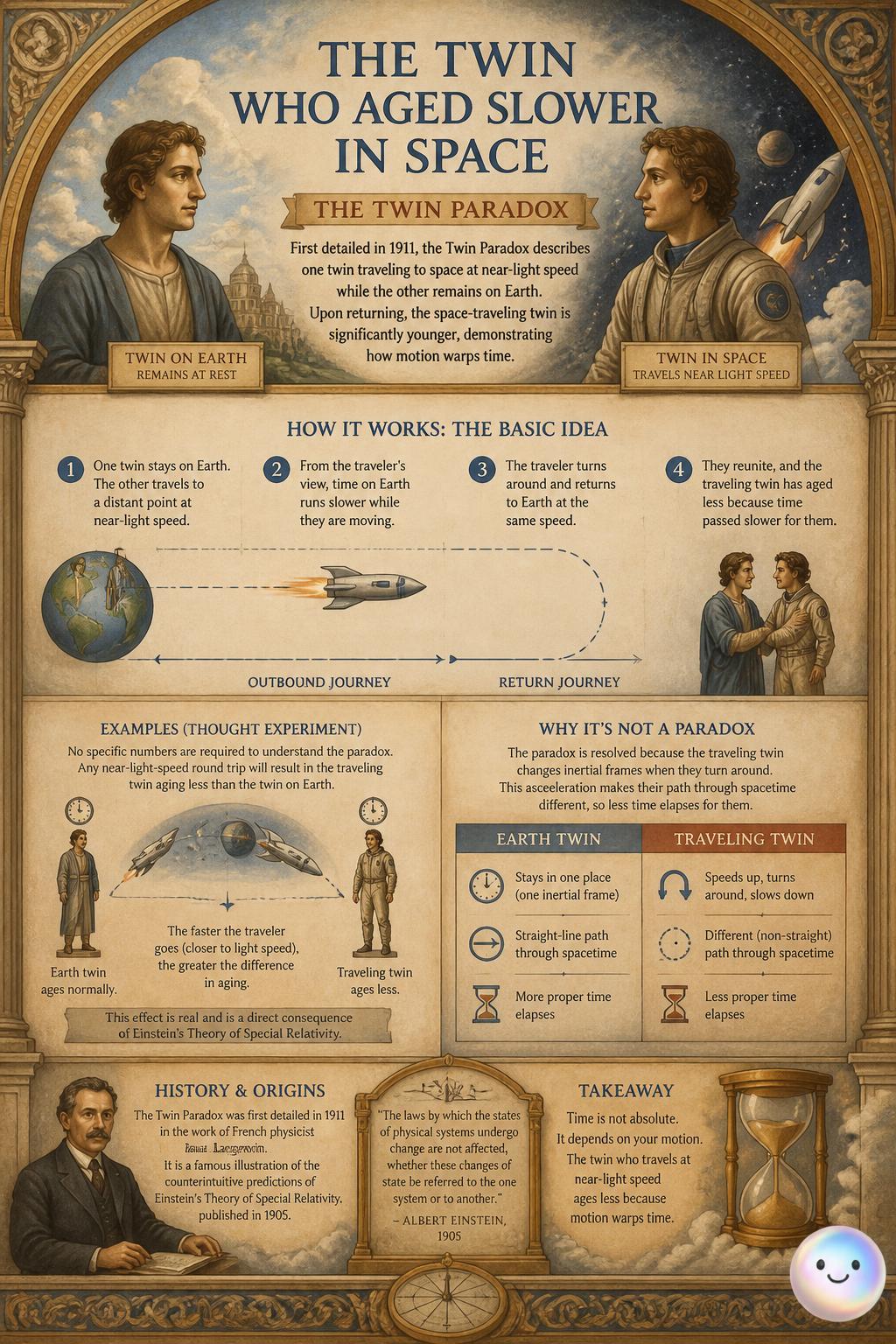
schopenhauer Einstein's theory of relativity shows how high-speed travel can make time pass slower for one twin.
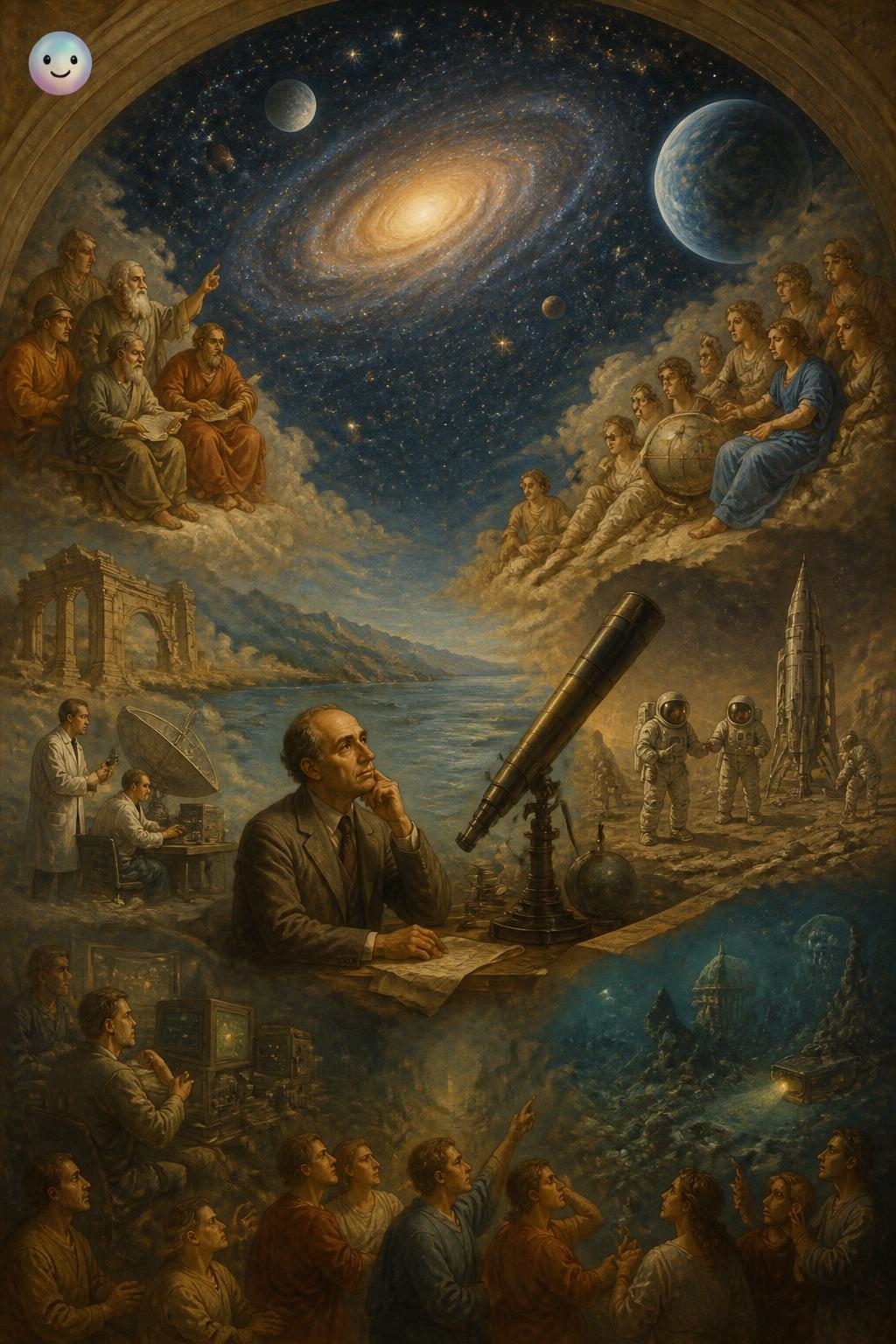
schopenhauer The Fermi paradox highlights the baffling contradiction between the high probability of alien life and zero contact.
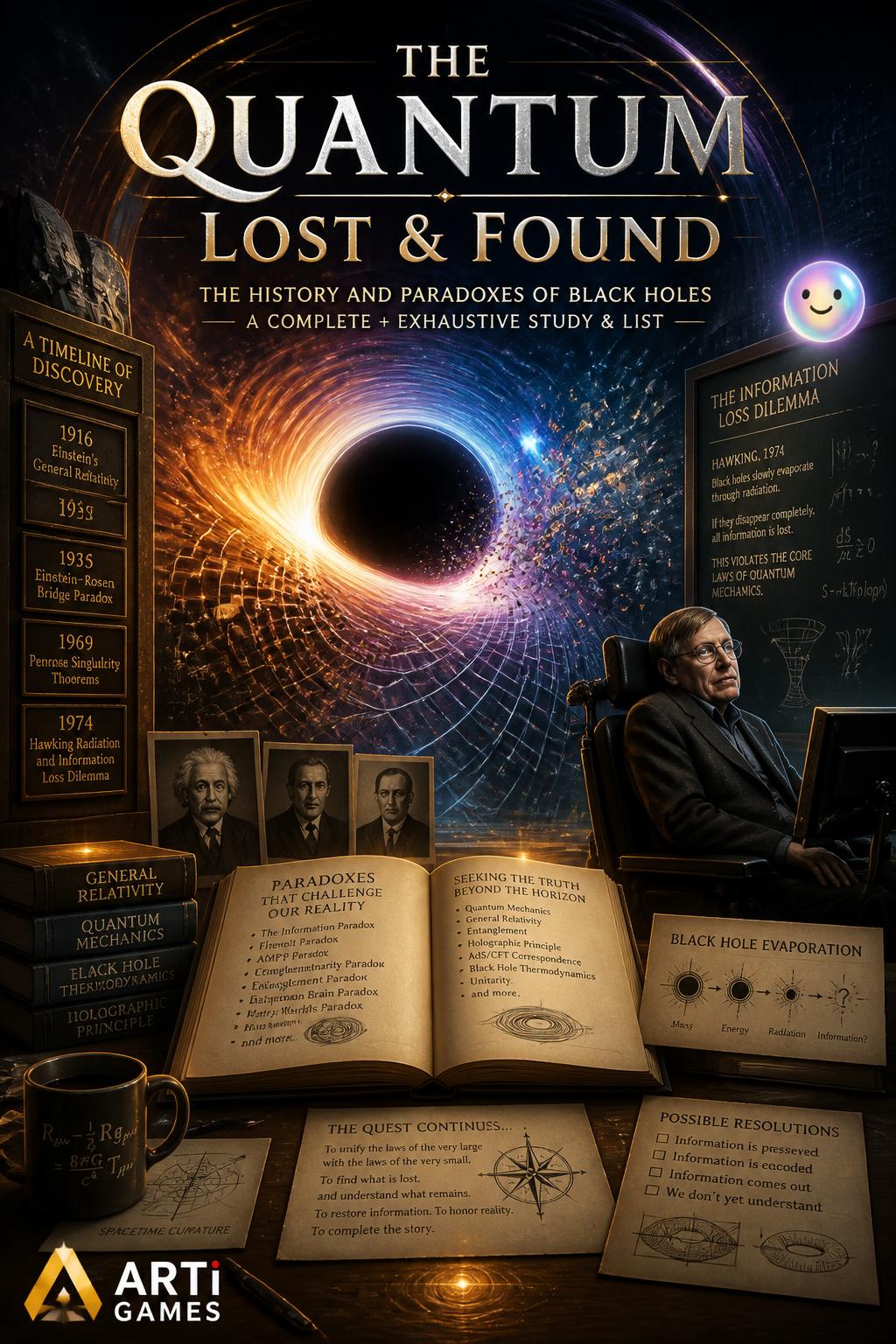
schopenhauer Match lost paradoxes with their historical solutions to discover how quantum physics breaks the rules.
Fermi's lunch: The famous Fermi Paradox was born during a casual walk to lunch at the Los Alamos National Laboratory in New Mexico in 1950.
In Erwin Schrödinger's famous 1935 quantum mechanics thought experiment, what animal is placed in the sealed box?
Which physicist asked 'Where is everybody?' in 1950, sparking the paradox about alien civilizations?
Which cosmological discovery resolved Olbers' Paradox by showing that the universe has a finite age and is expanding?
Which physicist proposed in 1974 that black holes evaporate, creating the information loss paradox?
Olbers' Paradox asks why which everyday phenomenon occurs if the universe is infinite and full of stars?
In what year did Albert Einstein first formulate the principles of special relativity that led to the Twin Paradox?
What quantum concept states that a particle can exist in multiple states simultaneously until it is measured?
According to Einstein's Twin Paradox, what happens to the twin who travels through space at near-light speed?