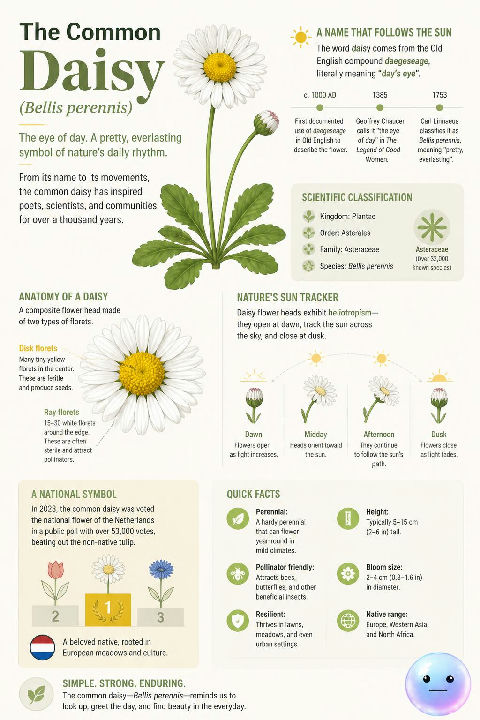
Daisy: The Eye of the Day
The common daisy, Bellis perennis, got its name meaning day's eye because it wakes with the sun; Carl Linnaeus classified it in 1753.
Chapter 1
Descriptive names from European fields
Chapter 2
Ancient myths turned to blooms
Chapter 3
Eastern symbols and sacred roots
Chapter 4
Eponyms and accidental discoveries
Ch 1 · Descriptive names from European fields

choko Daisy: The Eye of the Day
Daisy, day's eye! Daisy, day's eye! You open wide to greet the morning light!
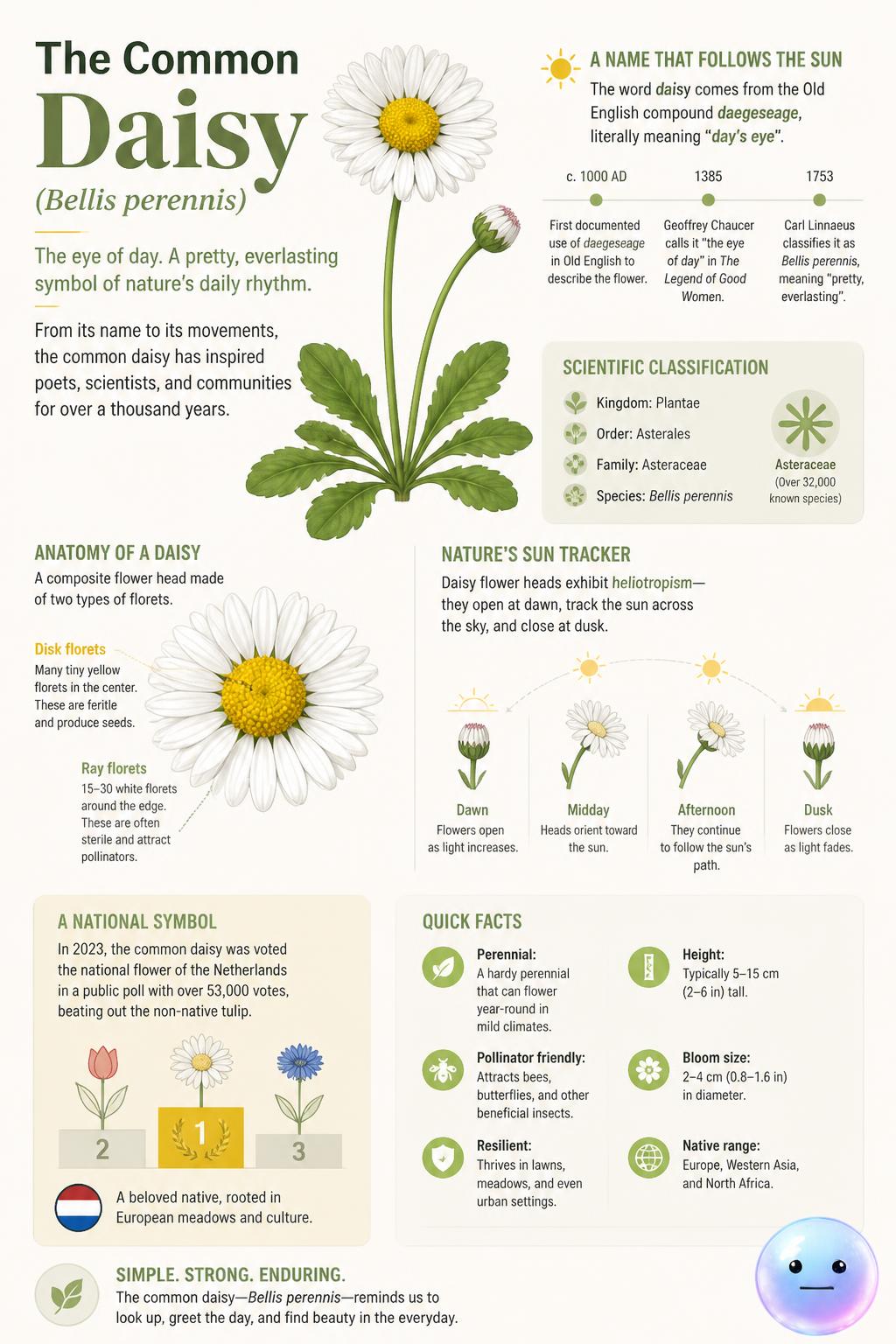
choko The common daisy, Bellis perennis, got its name meaning day's eye because it wakes with the sun; Carl Linnaeus classified it in 1753.


schopenhauer The spicy nasturtium gets its name from the physical reaction it causes when eaten.
Fun Fact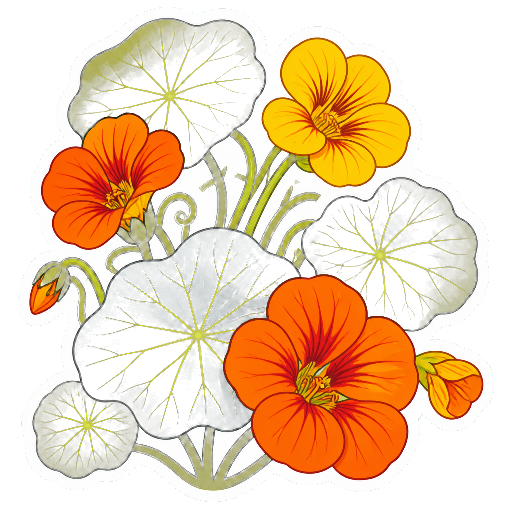
Nasturtium leaves: Despite their delicate look, nasturtium leaves are packed with vitamin C and were historically eaten by sailors to prevent scurvy.

schopenhauer The dandelion is not named after dandy lions, but rather their sharp, jagged leaves.
Glossary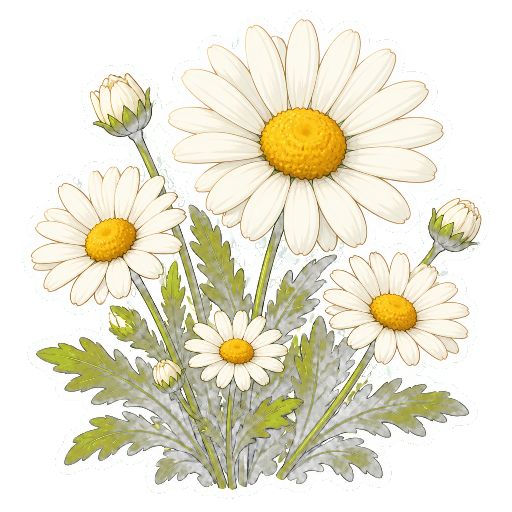
daisy (noun)
A small grassland plant that has flowers with a yellow disc and white rays. This European field flower's name stems from the Old English 'day's eye' because it opens at sunrise.
Quiz
From which language did English borrow the phrase 'dent-de-lion' to create the word dandelion?

BETA
schopenhauer Match ancient word roots to blossoms to discover the surprising origins of flower names.
schopenhauer Dandelion comes from a French phrase meaning lion's tooth, describing the plant's jagged green leaves.
Quiz
What nutrient made nasturtium leaves popular among historical sailors to prevent scurvy?
Quiz
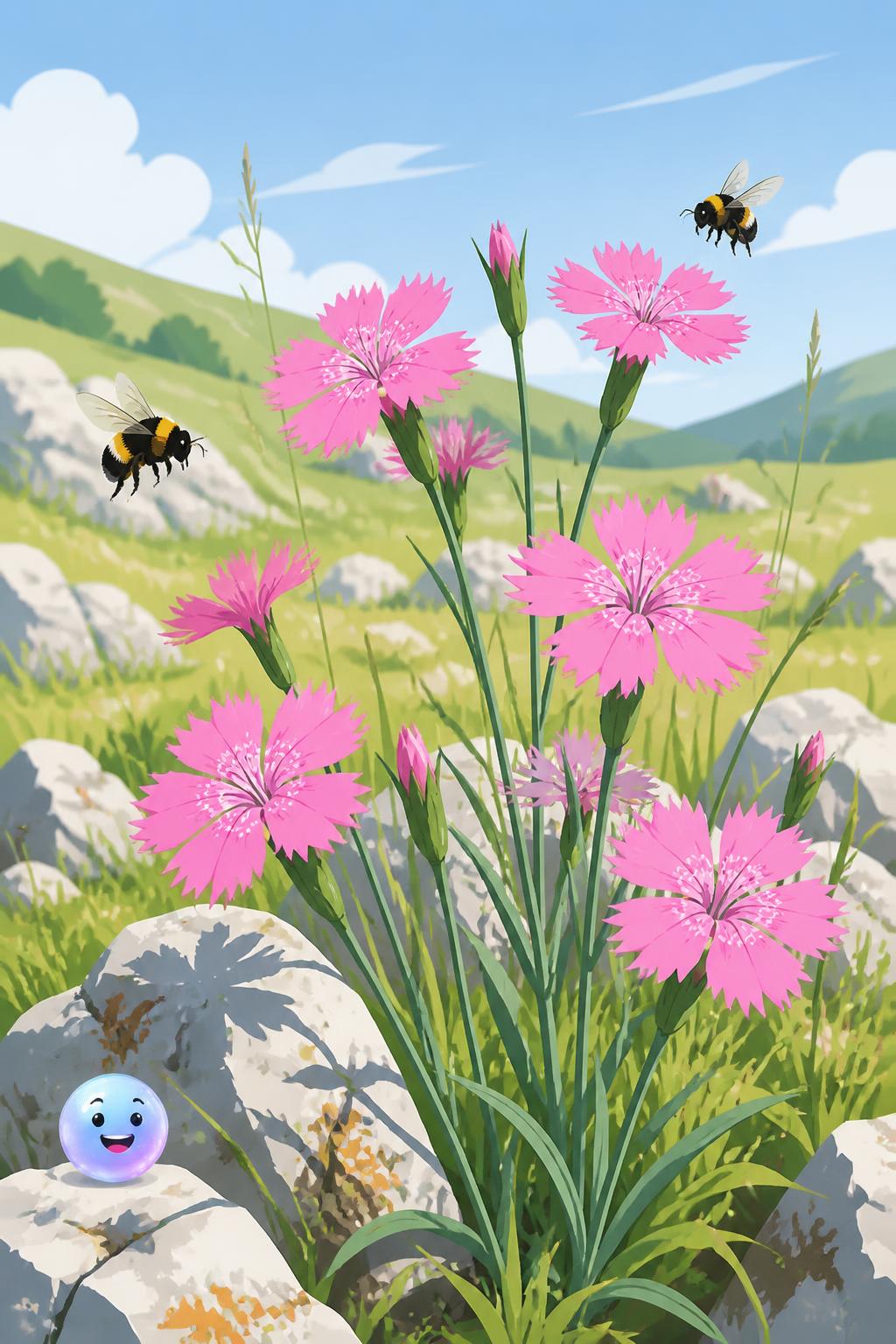
Who coined the name Dianthus, meaning 'divine flower,' for the carnation genus around 300 BCE?
schopenhauer Pliny the Elder named the nasturtium, meaning nose twister, for the pungent kick of its leaves.
Quiz
What physical reaction does the Latin name for nasturtium ('nasus tortus') describe?
Quiz
Which part of the dandelion inspired its French-derived name meaning 'lion's tooth'?
Quiz
Which Latin word meaning 'flesh' is a suspected origin for the word carnation?