
ARTiExplore projects

Wilson Sports Balls

3 imagenes, 8 preguntas, 1 definicion, 1 dato, 4 videos, 1 encuesta sobre Wilson Sports Balls en ARTi.

Proyectos relacionados

Imágenes
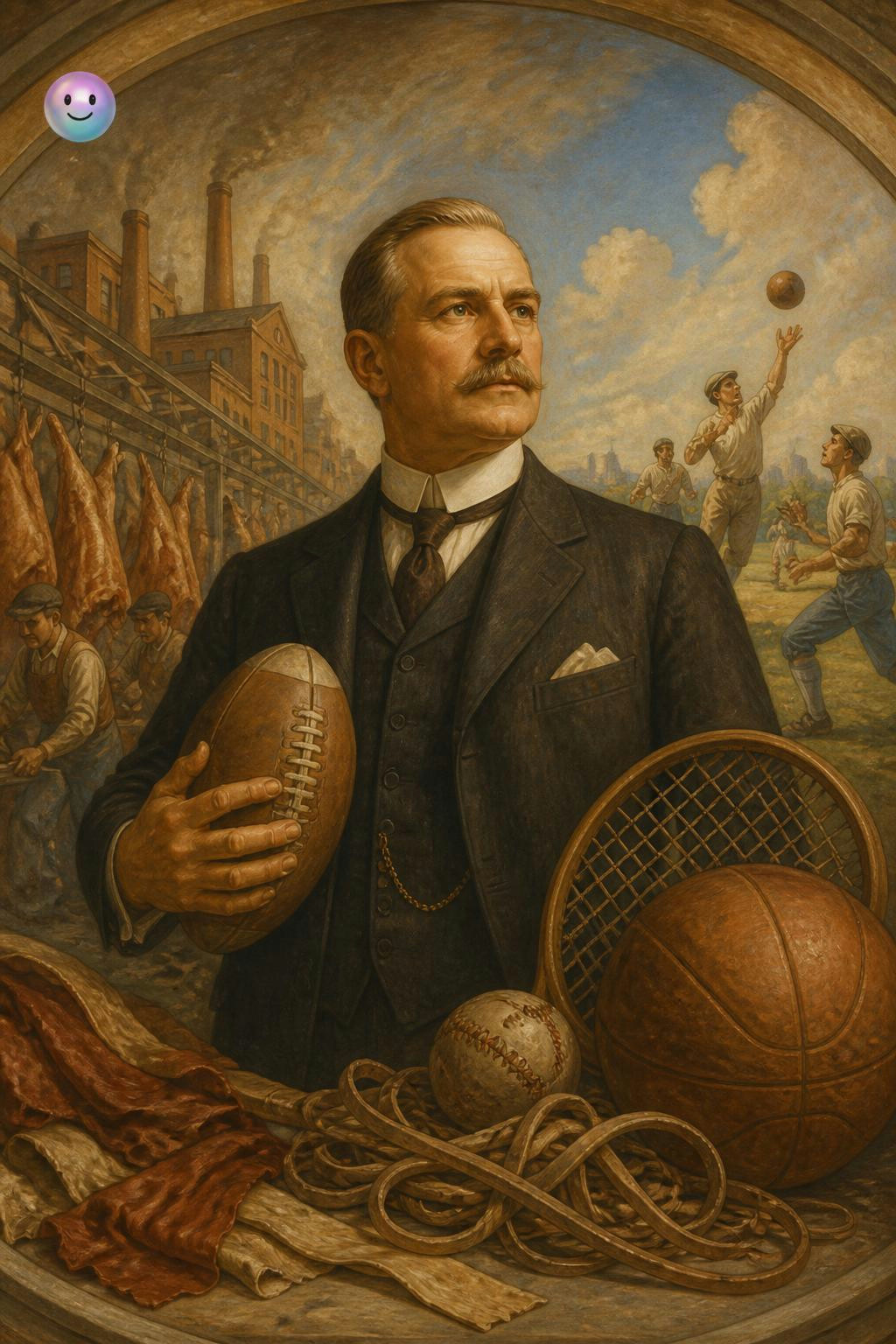
Wilson sports balls were actually named by a 1915 meatpacking executive.

gertrude Discover the surprising history of Wilson sports balls and how a 1915 meatpacking executive named the brand. Click to see the fascinating story!

Jun 4

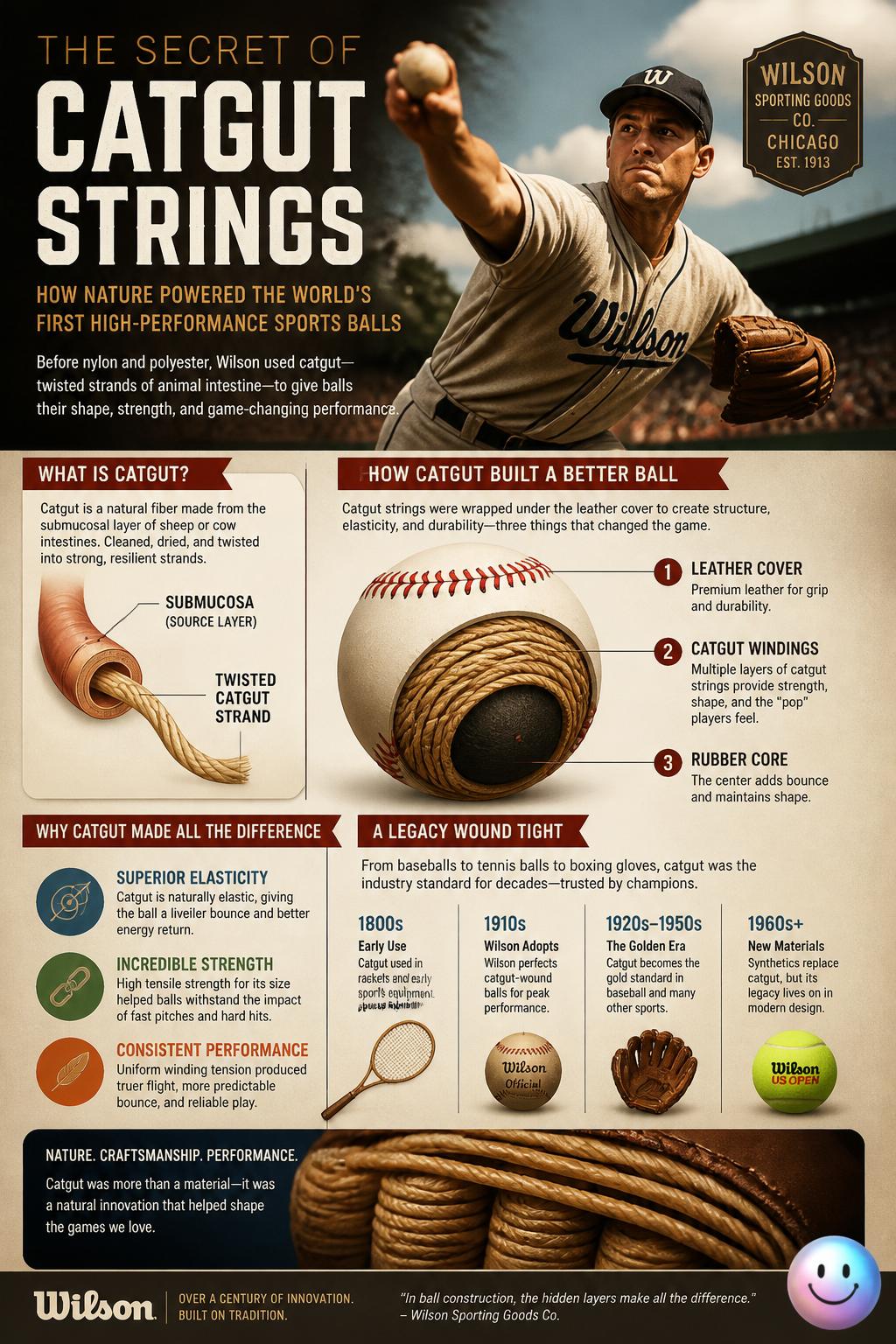
The secret of catgut strings

gertrude The secret of catgut strings

Jun 4

Thomas E. Wilson's big pivot

gertrude Thomas E. Wilson's big pivot

Jun 4

Fun Facts

Fun Fact

Slaughterhouse strings: Wilson Sporting Goods actually began as a way to recycle leftover animal parts, turning sheep intestines into high-performance tennis racket strings!

Hide sticker

Jun 4

Quizzes

Quiz

What material, traditionally called 'catgut', was actually used to make early Wilson tennis strings?

Jun 4

Quiz

What other medical product did the early Ashland company make using animal byproducts before expanding into sports?

Jun 4

Quiz

Who was appointed president of the reorganized company in 1915, giving it his name?

Jun 4

Quiz

To which rival sports equipment brand did Thomas E. Wilson initially try to sell the company in 1914?

Jun 4

Quiz

In what city was the Ashland Manufacturing Company, the predecessor to Wilson Sporting Goods, founded in 1913?

Jun 4

Quiz

Which meatpacking subsidiary was the original parent company of Ashland Manufacturing Company?

Jun 4

Quiz

During World War II, what did Wilson temporarily pivot its factories to produce for the military?

Jun 4

Quiz

In what year did Wilson officially adopt the name 'Wilson Sporting Goods Co.'?

Jun 4

Glosario

Glossary
cowhide (noun)
The durable leather used to manufacture Wilson footballs, sourced as a meatpacking byproduct. It’s how a humble farm animal gets upgraded to a stadium superstar.
Hide sticker

Jun 4

Gossip

Gossip

Would you play with tennis strings made from animal gut?

Jun 4

Videos

gertrude Wilson used its expertise in surgical sutures and leather processing to manufacture durable, hand-stitched leather balls for baseball, football, and soccer.

Jun 4

gertrude In 1915, Thomas E.

Jun 4

gertrude Early tennis rackets were strung with processed sheep and cow intestines (called catgut), which offered unmatched tension and elasticity.

Jun 4

gertrude In 1913, Ashland Manufacturing Company was created by a Chicago meatpacking firm to find profitable uses for animal byproducts like gut and leather.

Jun 4