
반죽의 정의: 붕어빵과 잉어빵 반죽의 차이점
반죽의 사전적 정의를 배우고, 밀가루를 쓰는 붕어빵과 찹쌀가루 및 기름을 섞어 바삭한 식감을 내는 잉어빵 반죽의 차이점을 알아봅니다.
Chapter 1
붕어빵의 탄생과 역사적 유래
Chapter 2
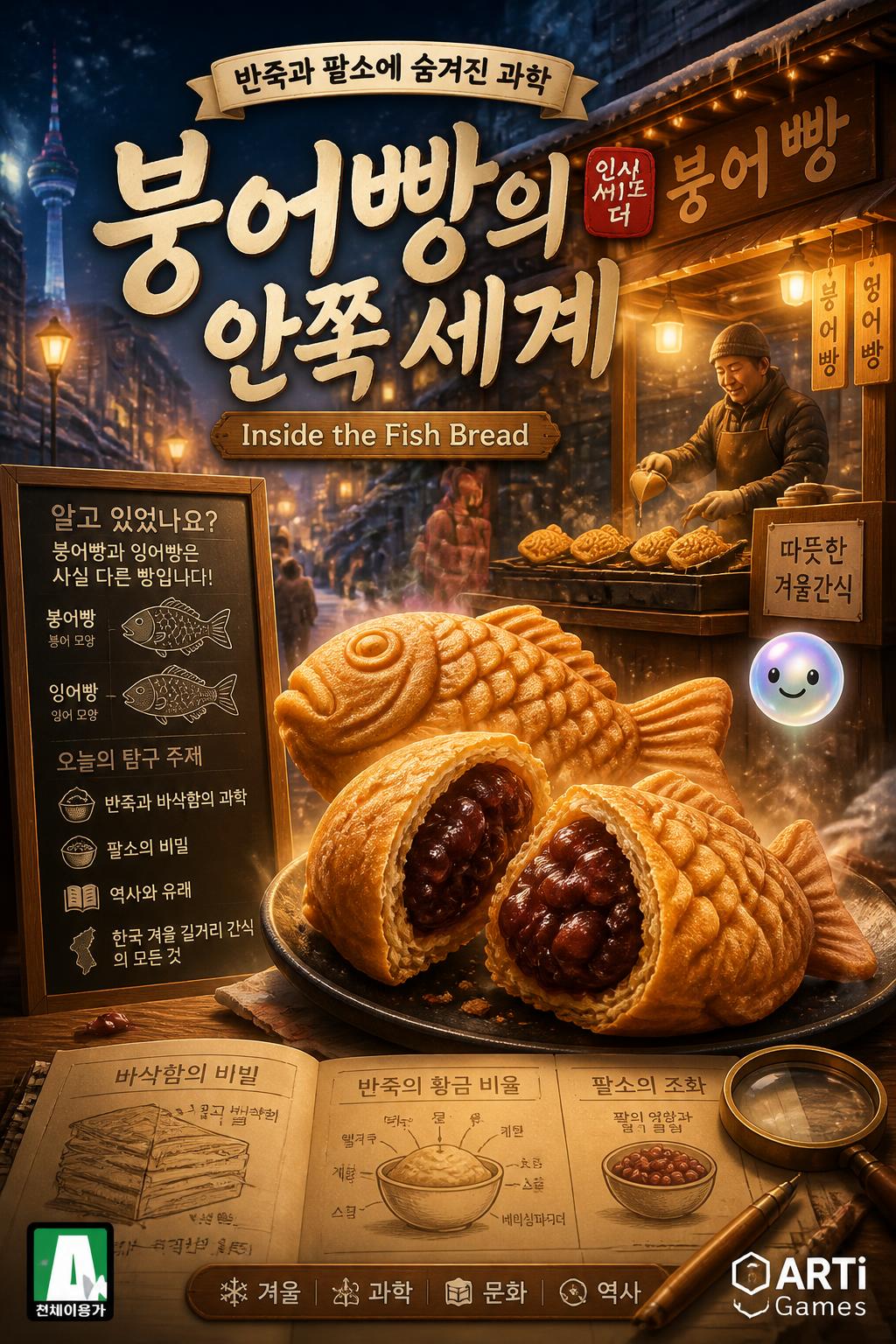
반죽과 팥소에 숨겨진 과학
Chapter 3
모양과 디자인의 시각적 차이
Chapter 4
겨울철 길거리 간식의 따뜻한 세계
Ch 2 · 반죽과 팥소에 숨겨진 과학
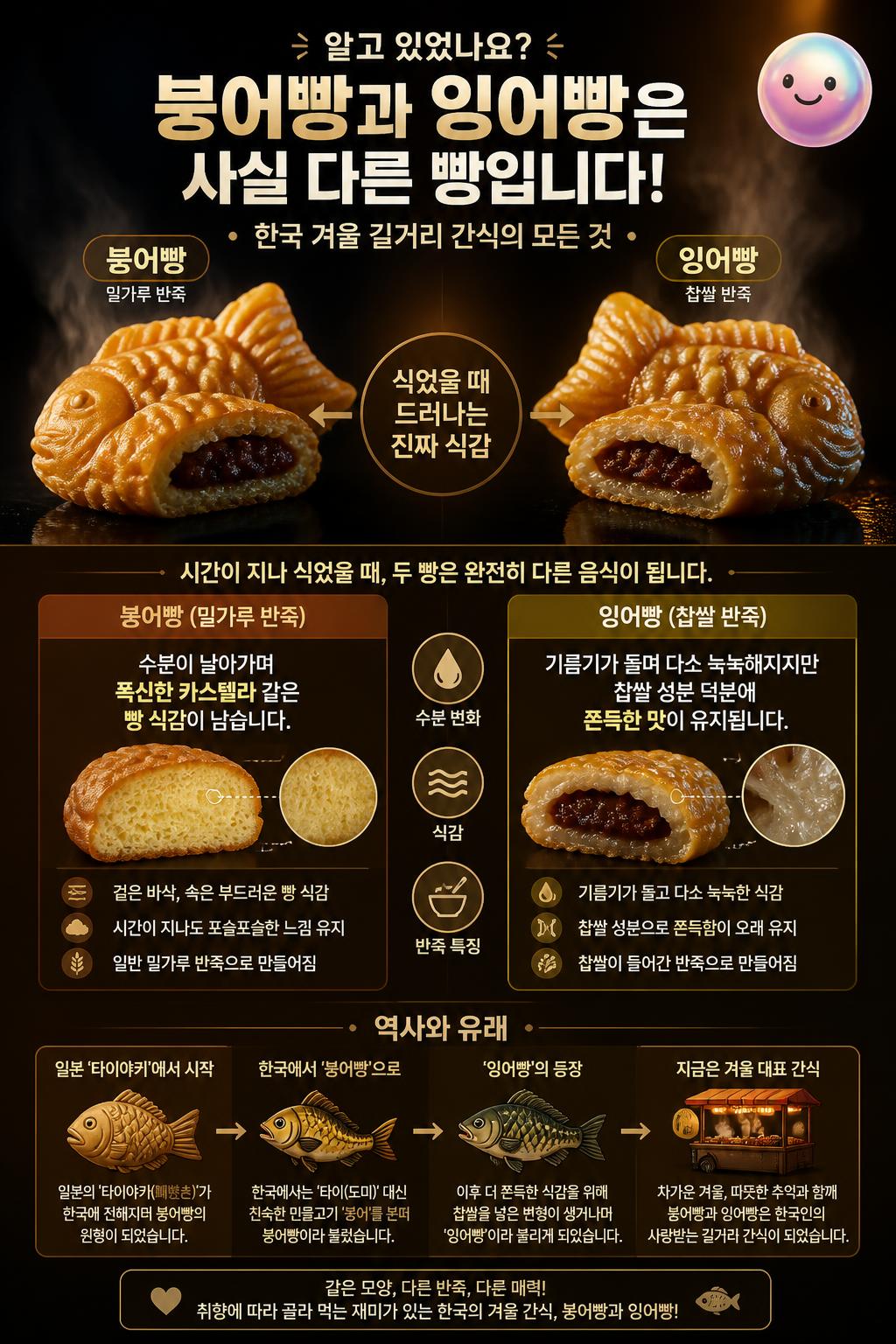
renato Cold bungeoppang loses moisture to become fluffy like castella cake. Cooled ingeoppang turns slightly oily but retains a chewy texture from glutinous rice flour.
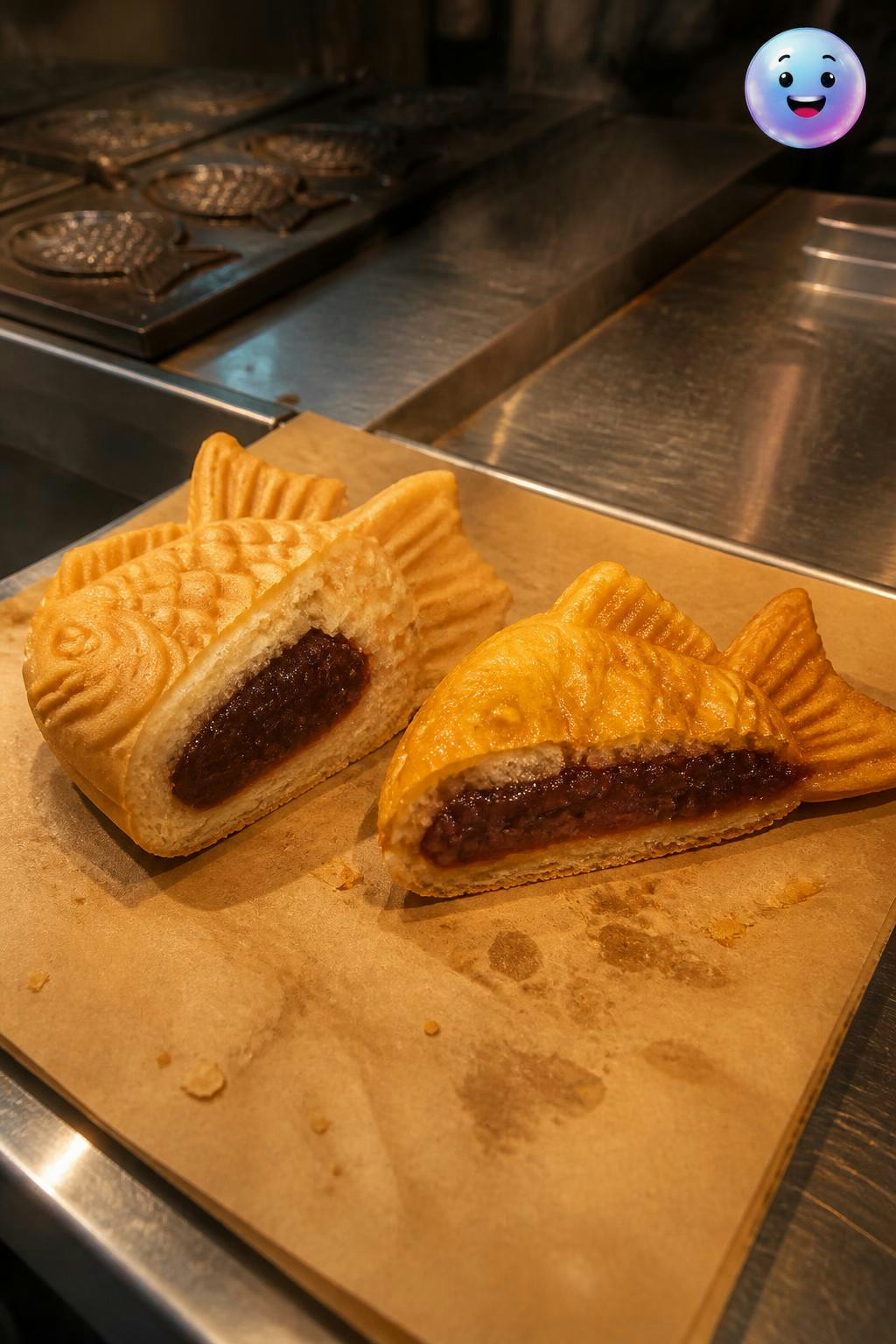
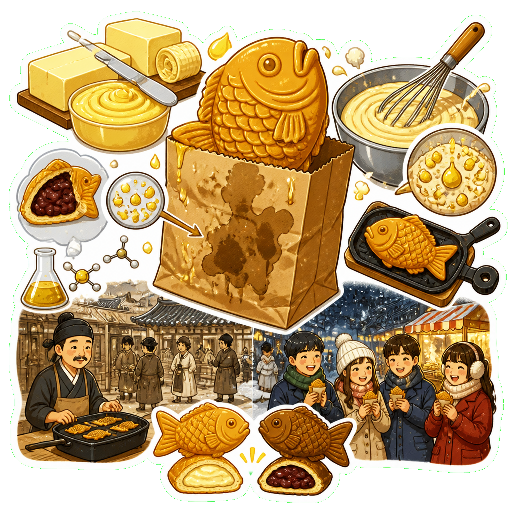
renato Classic bungeoppang uses wheat flour for a soft, bread-like texture. Modern ingeoppang mixes glutinous rice flour, butter, and oil to create a crispy, chewy crust.
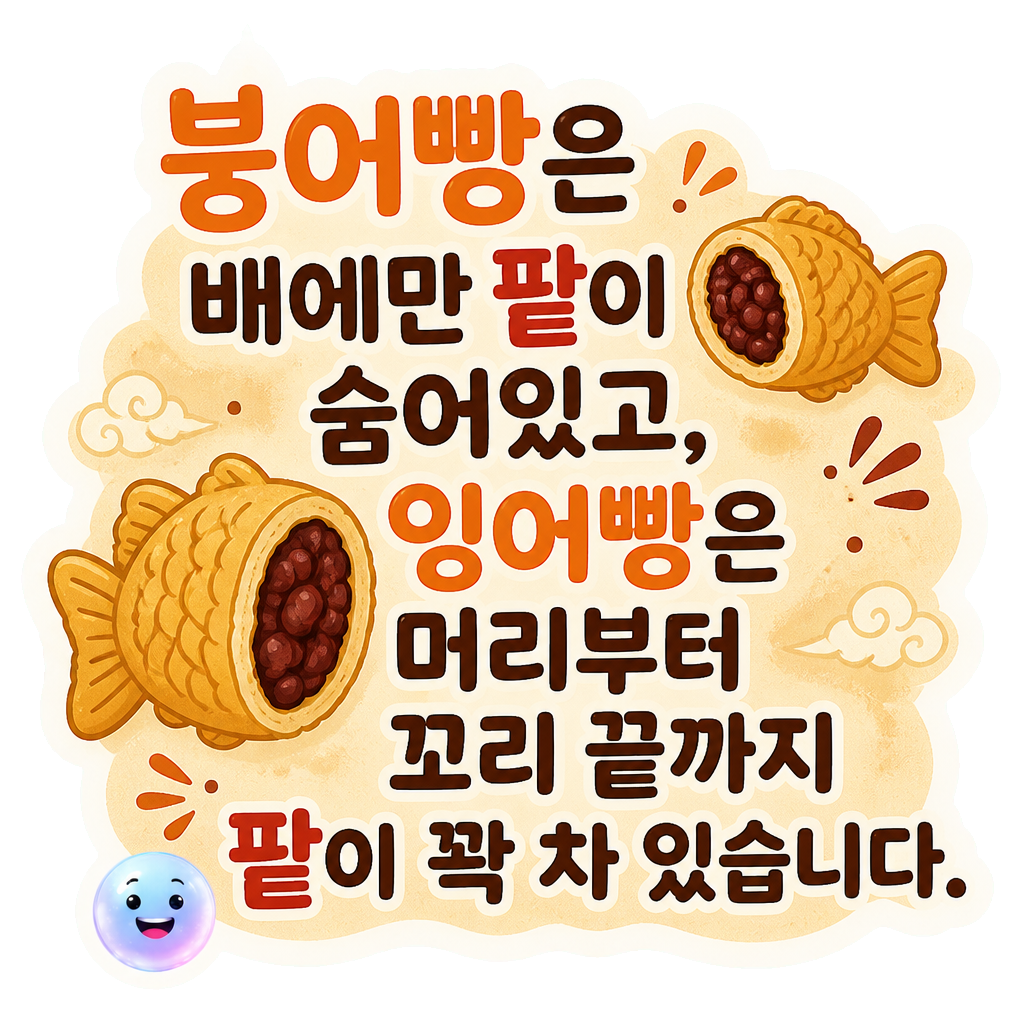
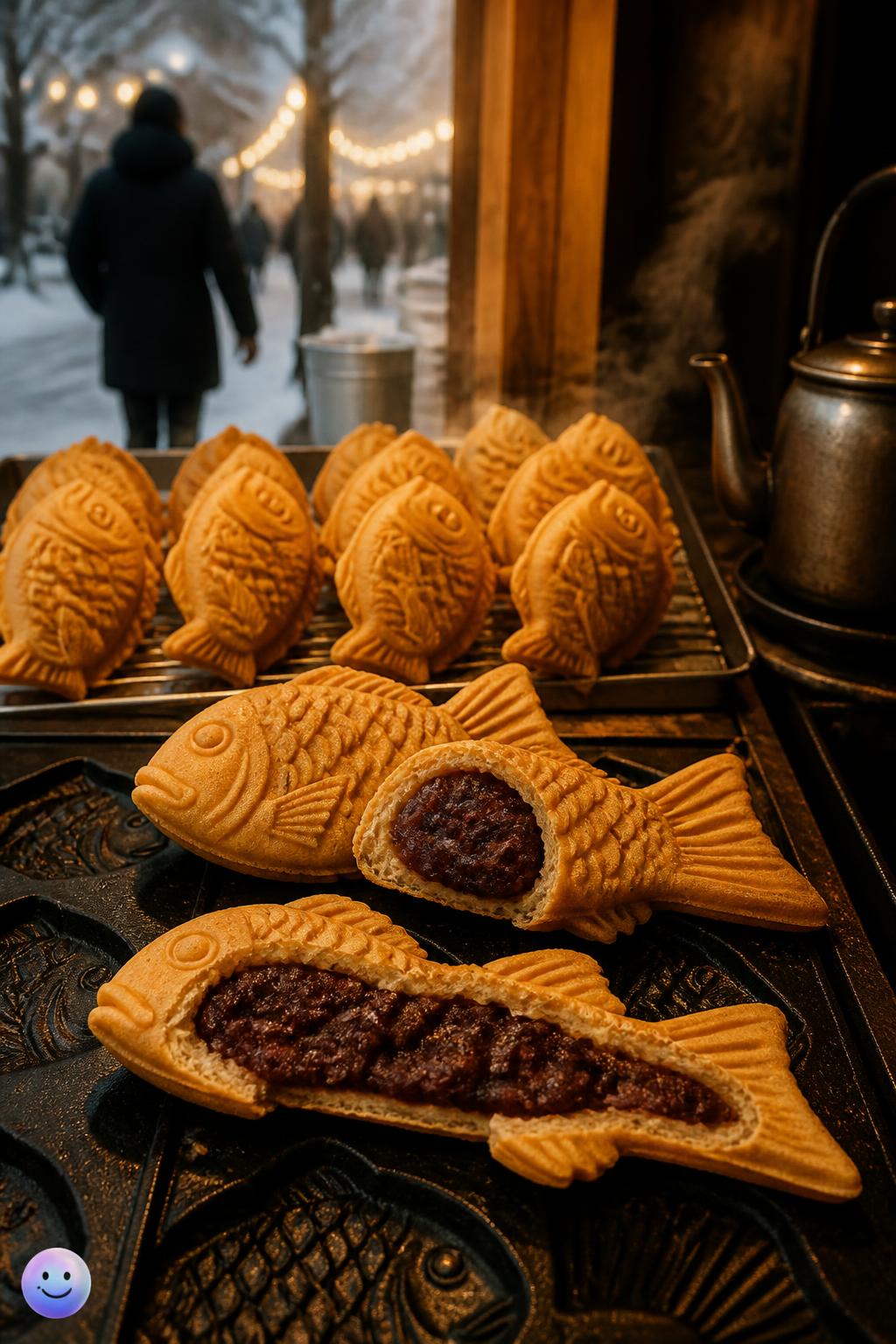
renato Thick Bungeoppang batter holds the sweet red bean paste neatly in the center. Runny Ingeoppang batter lets the filling flow from head to tail during baking.
renato Street vendors fill fish-shaped pastries with sweet custard, pizza sauce, and Nutella. These modern ingredients satisfy changing tastes and attract younger snack lovers.
BETA
renato Sort the ingredients and batters to discover the differences between bungeoppang and ingeoppang.
Glossary
반죽 (명사)
가루에 물이나 다른 액체를 부어 이겨 갠 것. 밀가루만 사용하는 붕어빵과 달리, 잉어빵은 찹쌀가루와 기름을 섞어 얇고 바삭한 식감을 낸다.
가루에 물이나 다른 액체를 부어 이겨 갠 것. 밀가루만 사용하는 붕어빵과 달리, 잉어빵은 찹쌀가루와 기름을 섞어 얇고 바삭한 식감을 낸다.