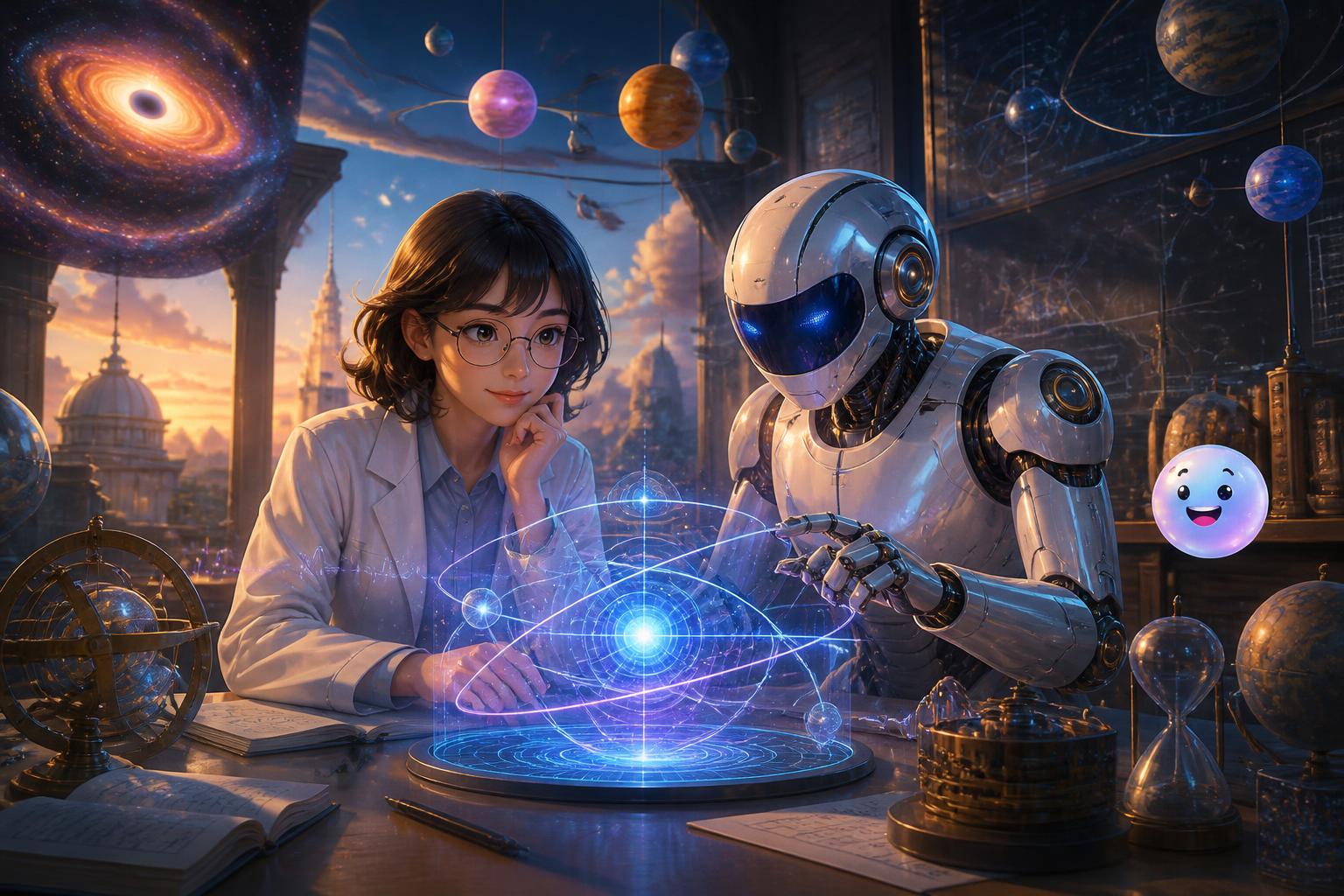
AI discovers Earth orbits Sun using raw data
Learn how an AI discovered the Earth orbits the Sun using raw astronomical data, without being taught about gravity or planets.
The digital apprentice learns the laws of nature
Mapping the cosmos with artificial eyes
Quantum leaps and molecular recipes
Taming the chaos of fire and water
aphrodite1313 In 2021, researchers used deep learning surrogate models to replace weeks of supercomputer calculations. This mathematical shortcut predicts extreme thermal physics in milliseconds with 99 percent accuracy.
aphrodite1313 In 2020, ETH Zurich physicists built SciNet, an AI that analyzed Mars and Sun positions. Without help, it independently concluded that Earth orbits the Sun, replicating Copernicus's breakthrough.
aphrodite1313 In 2019, researchers built Hamiltonian Neural Networks. This technology hardcodes the laws of thermodynamics, stopping the AI from predicting impossible events like a ball bouncing forever.
aphrodite1313 MIT algorithms created in 2020 scan messy experimental data to reveal hidden conservation laws. This artificial intelligence uncovers mathematical symmetries that human physicists missed for decades.
aphrodite1313 AI learning physics
We gave the machine the paths of planets, and it wrote down the law of gravity.
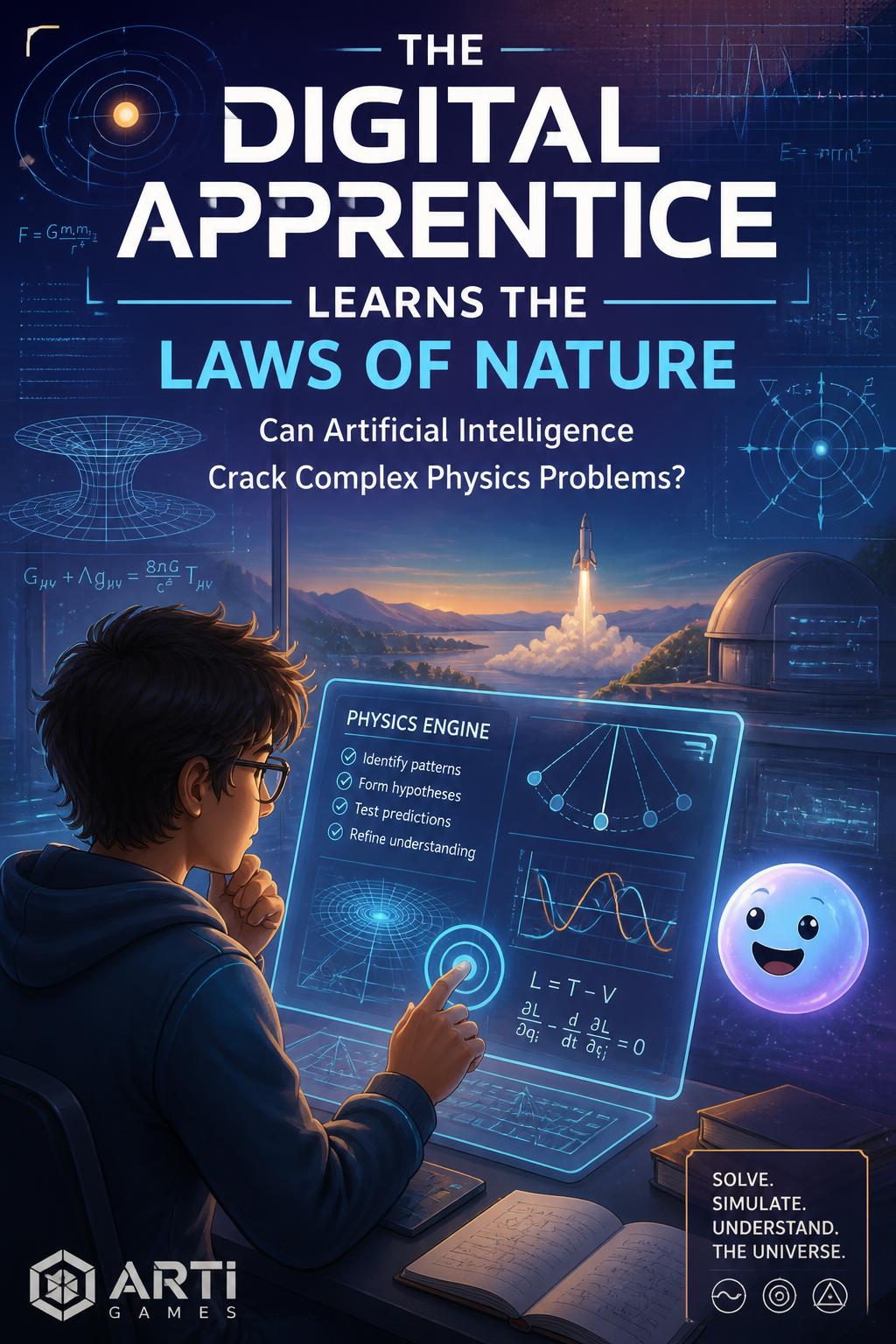
aphrodite1313 Sort chaotic data to discover how the digital apprentice learns the laws of nature.
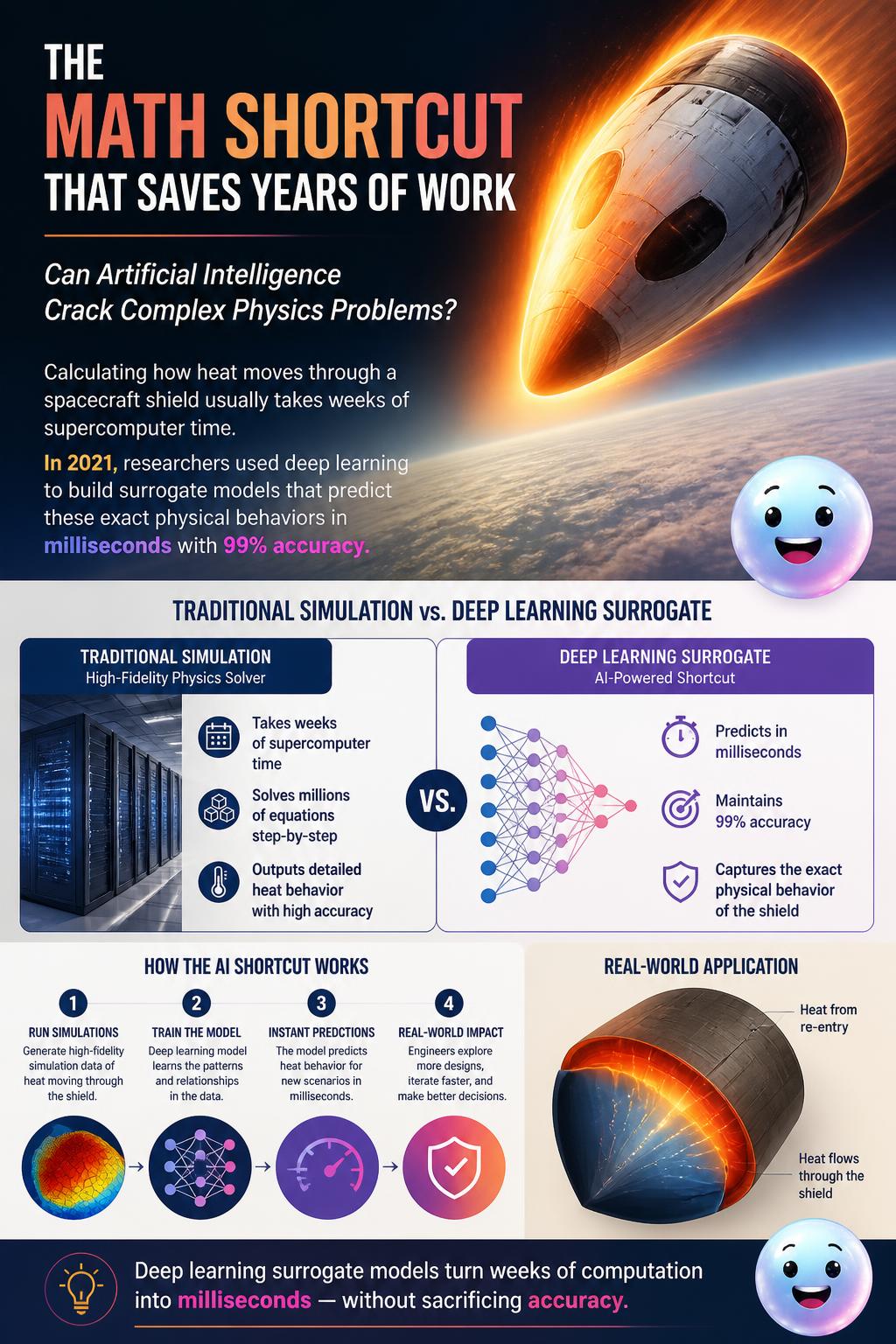
aphrodite1313 AI emulators can solve complex differential equations millions of times faster than traditional supercomputers.
AI physics training: An AI successfully discovered that the Earth orbits the Sun using only raw astronomical data, without being told about gravity or planets.
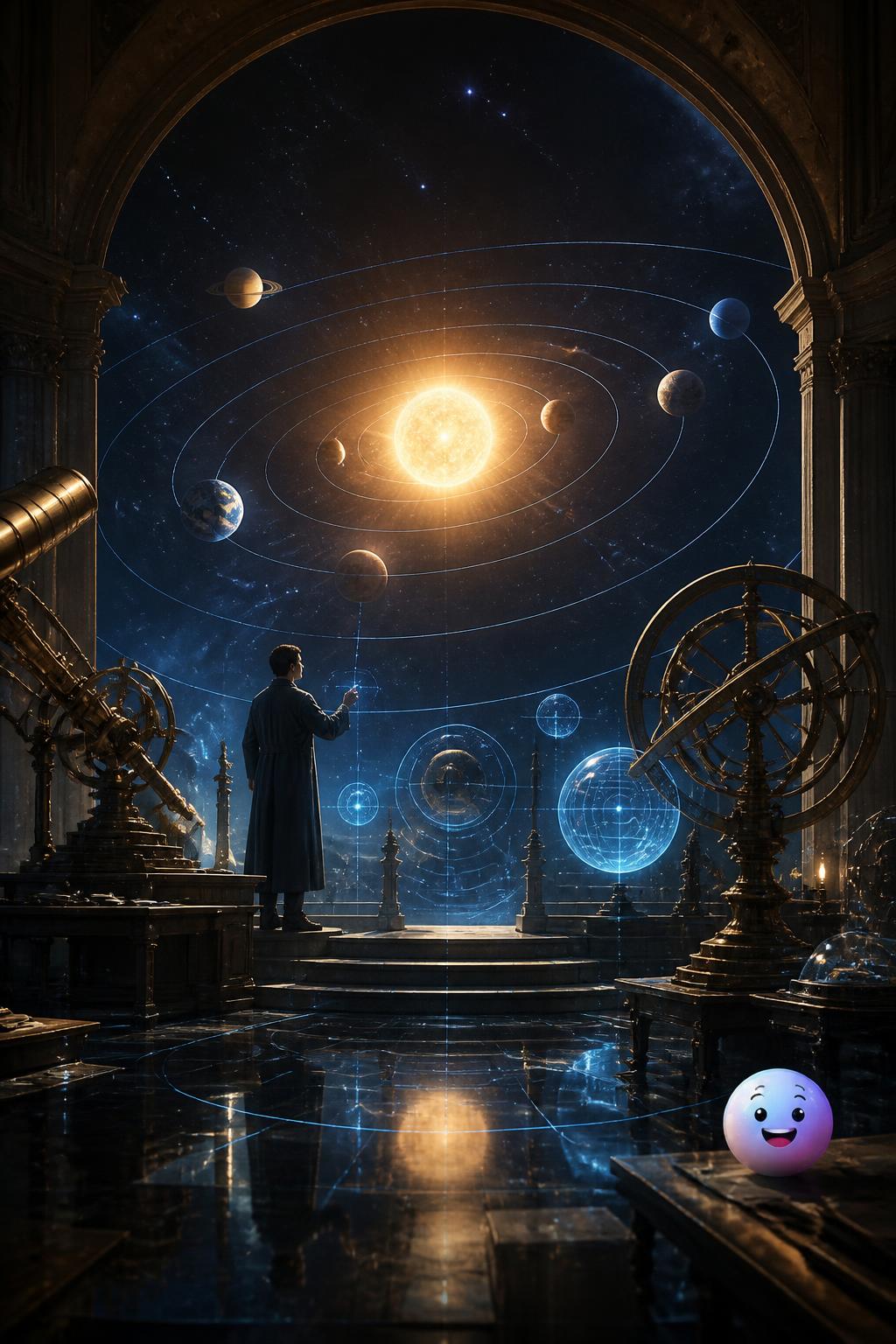
aphrodite1313 An AI program successfully deduced the heliocentric model of the solar system simply by looking at historical astronomical data.
Why do traditional AI models sometimes predict physically impossible events, like a bouncing ball that never stops?
What did researchers at MIT use AI to discover in messy experimental data in 2020?
How much faster can some AI physics emulators solve complex equations compared to supercomputers?
What fundamental mathematical concept guides how particles interact and is hunted by AI?
Which historical astronomer's breakthrough did the AI SciNet replicate in 2020?