
Chapter 1
The humble origins of paper and paste
Chapter 2
Pedro Linares and the birth of the alebrije
Chapter 3
Skeletons of celebration and Day of the Dead
Chapter 4
Regional masters and the modern global legacy
YOUR GOAL
Master of The paper monsters of Mexico
Ch 1 · The humble origins of paper and paste
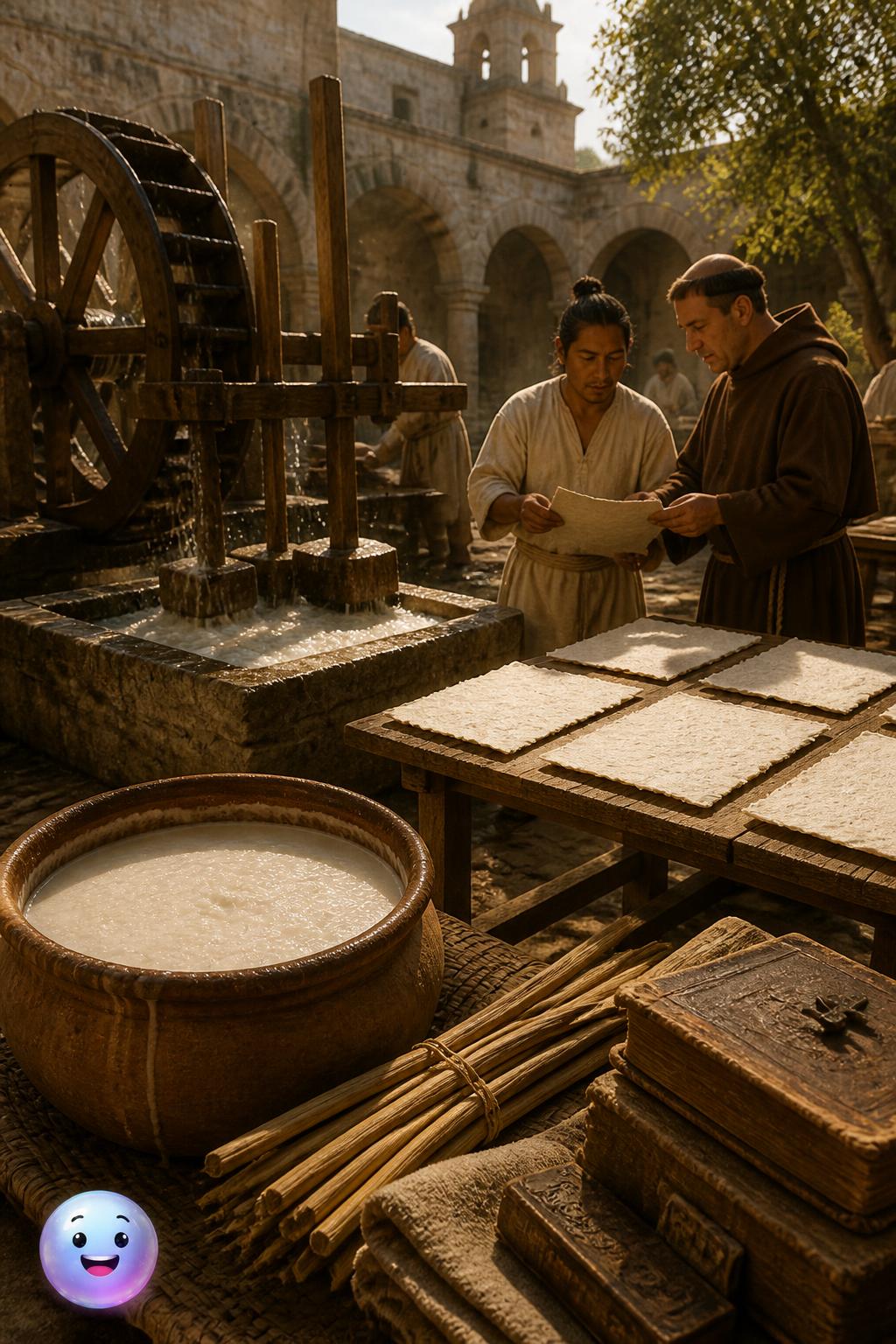
choko The stone-walled Spanish workshop where early papermakers produced Europe's very first sheets.
choko Cartonería Paper and Paste
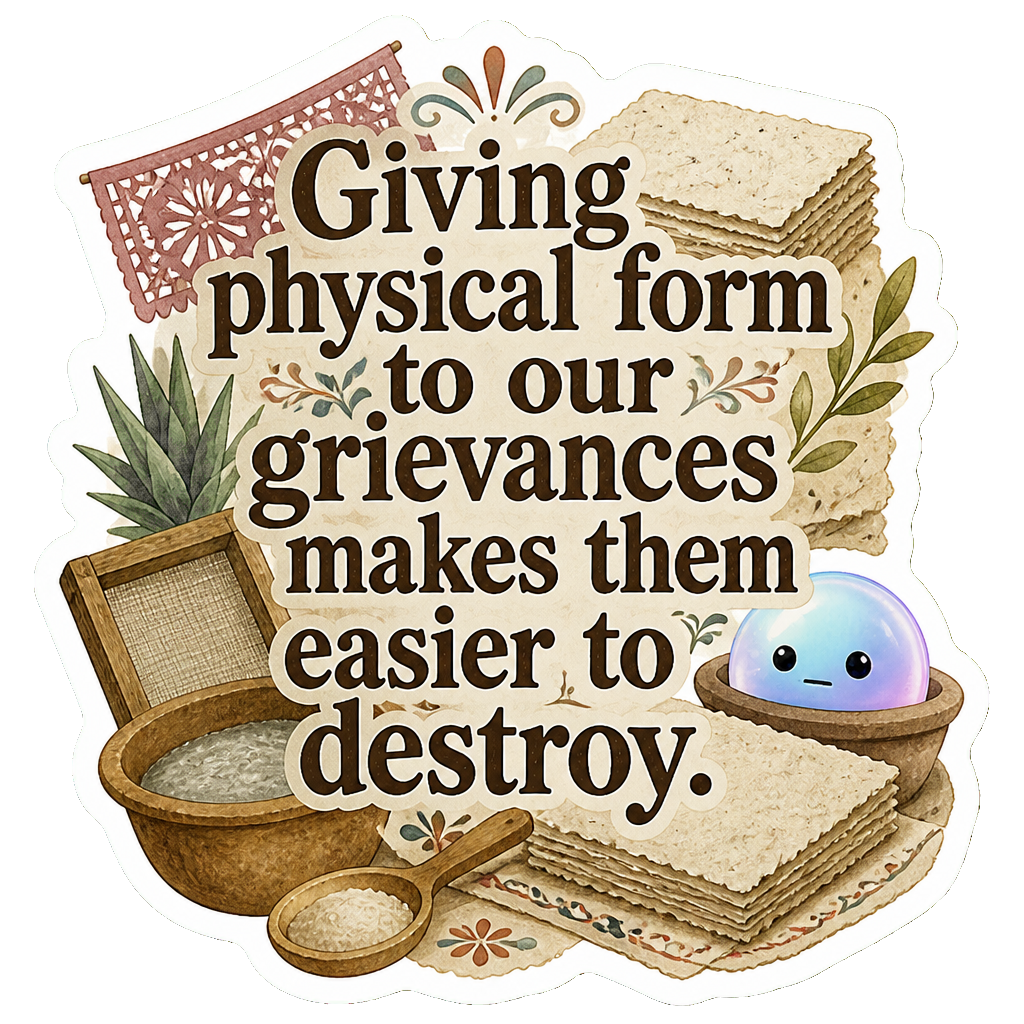
Just flour and water make it tough (Yeah, make it tough!) / We turn this paper into stone (Oh, into stone!)
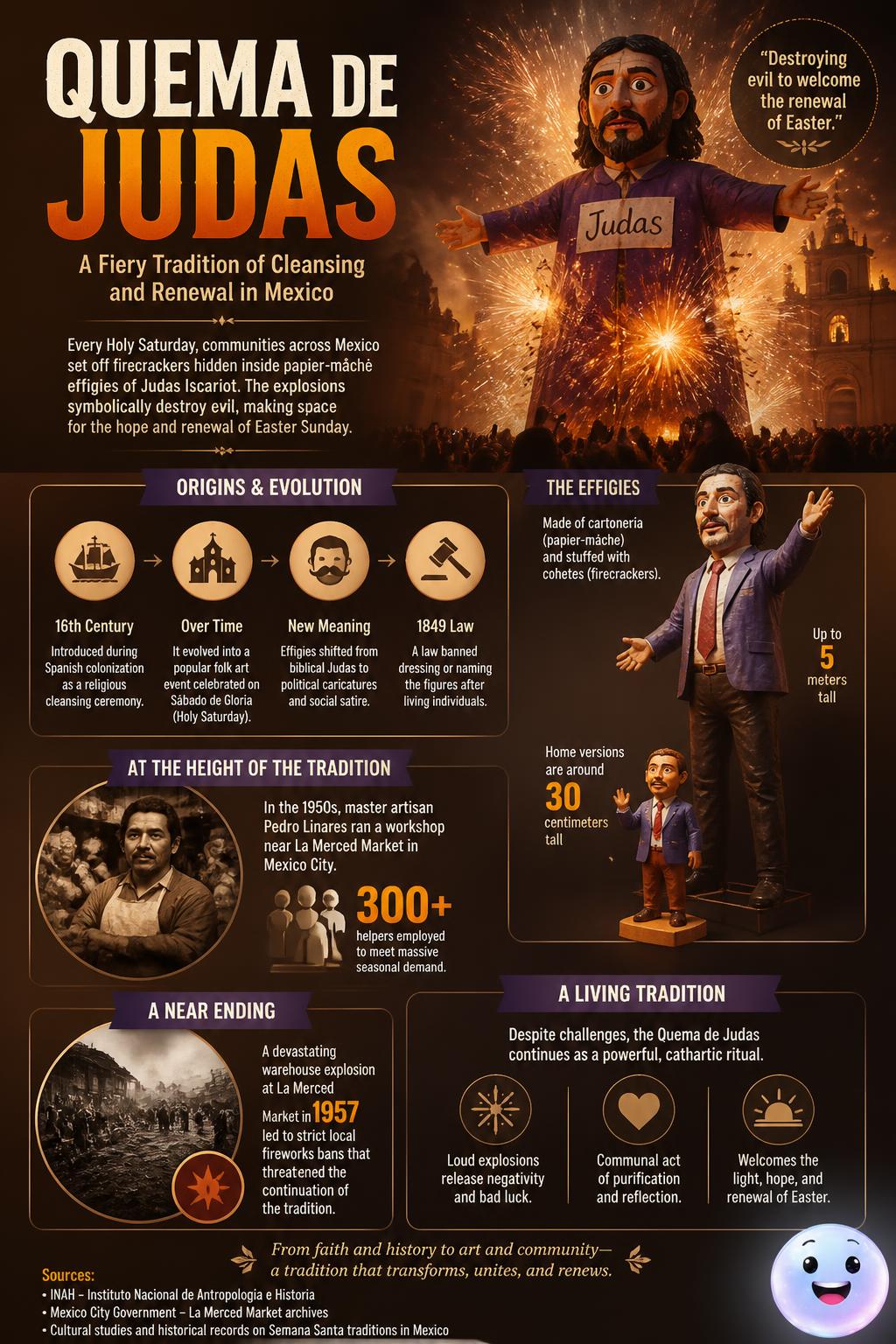
choko On the day before Easter Sunday, loud fireworks explode paper-mache Judas figures to perform a dramatic cleansing ritual.
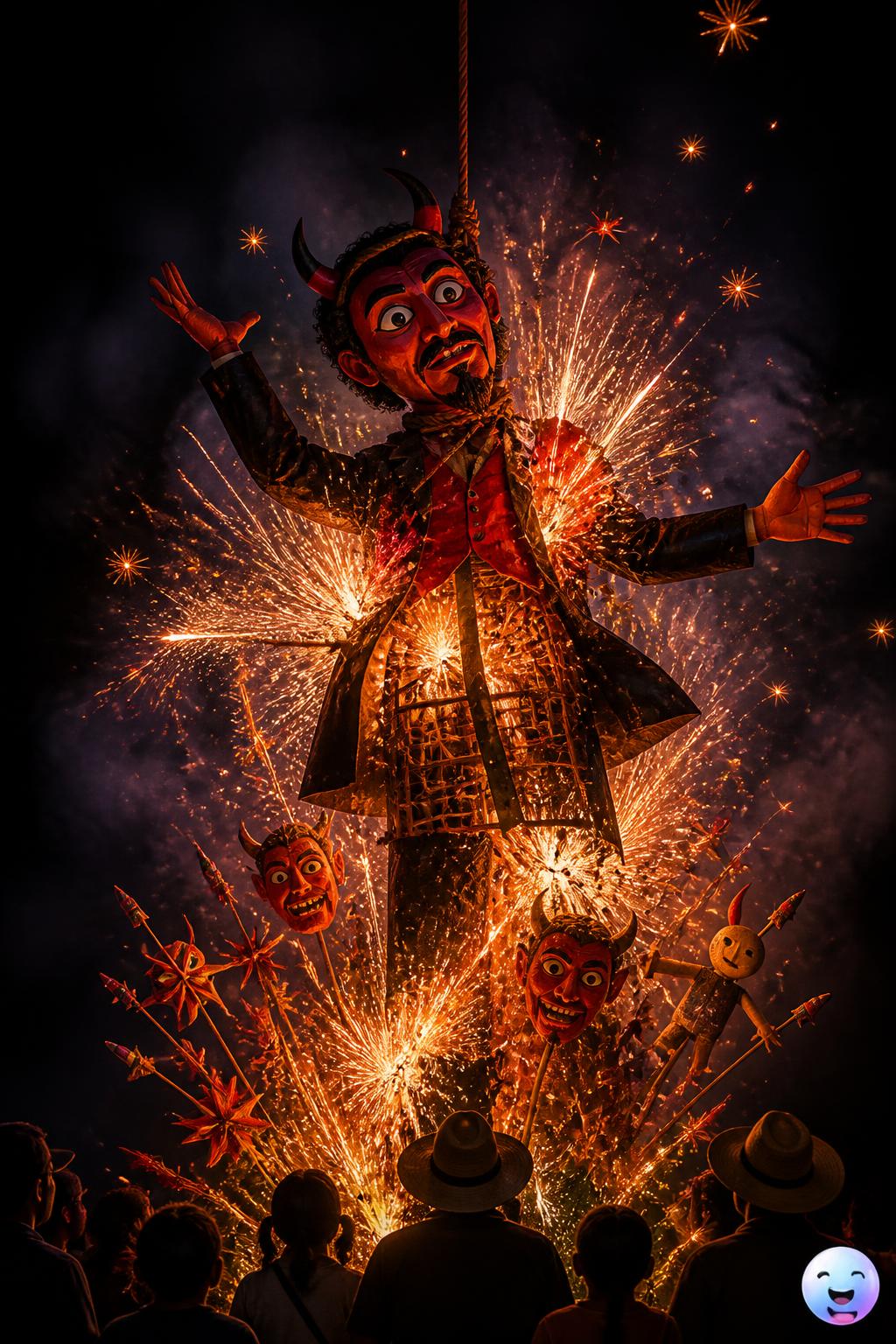
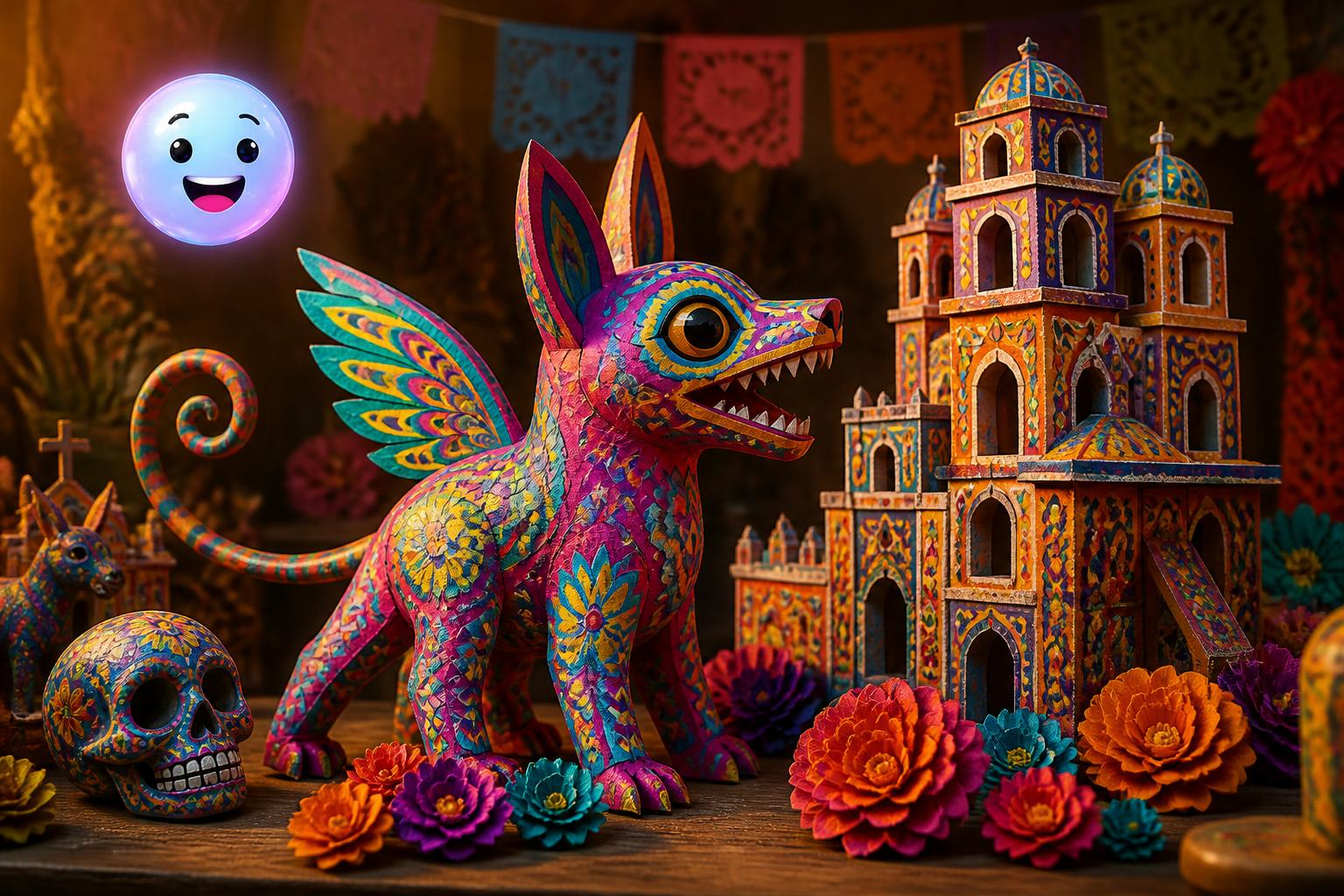
choko A glossy Mexican cartonería devil figure shines under dramatic, dark studio lighting.
BETA
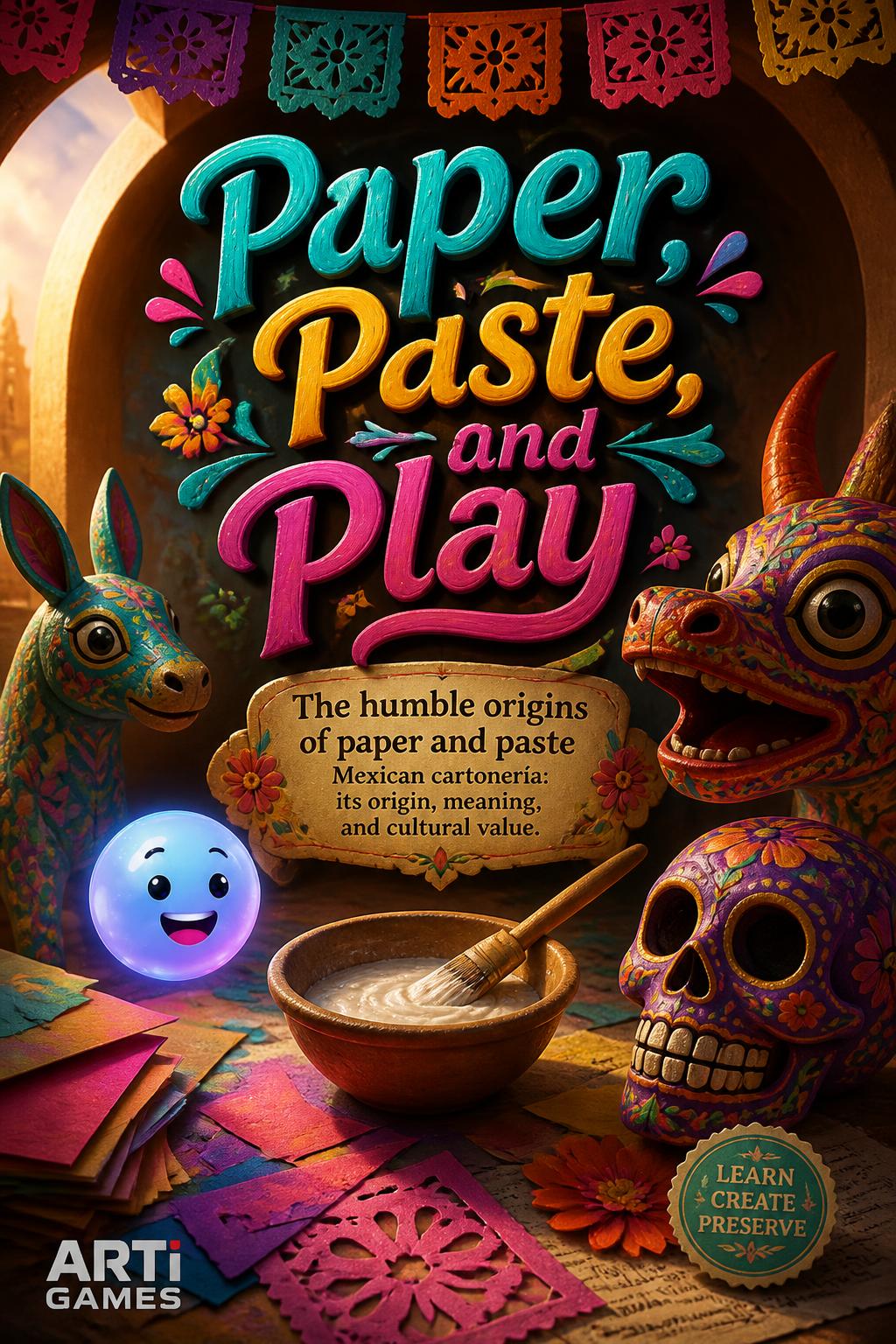
choko Mold paper and paste into vibrant figures to discover the cultural value of Mexican cartonería.
Fun Fact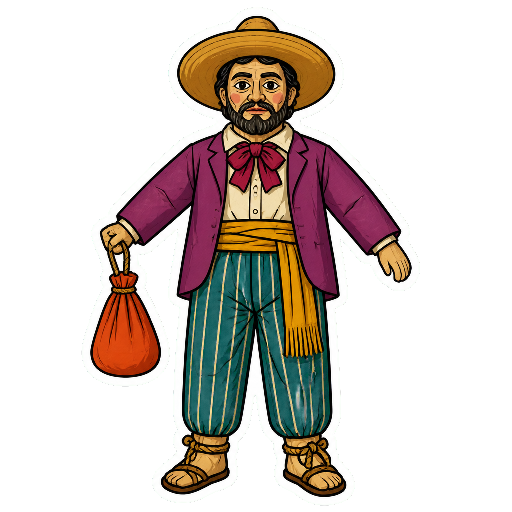
Judas figures: In 19th-century Mexico, cartonería Judas figures were often dressed as disliked politicians, turning a religious ritual into a noisy, explosive form of political satire.
Glossary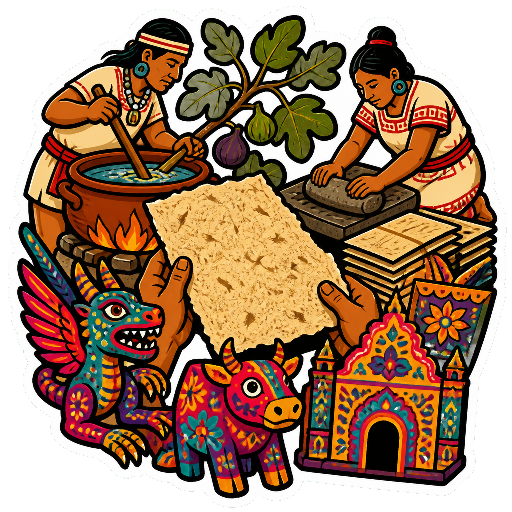
amate (noun)
A sacred Aztec paper crafted by boiling and pounding wild fig tree bark. It is the ancient ancestor of modern Mexican papercrafts like cartonería. Just like papier-mâché today, this forest sheet brought stories to life.
A sacred Aztec paper crafted by boiling and pounding wild fig tree bark. It is the ancient ancestor of modern Mexican papercrafts like cartonería. Just like papier-mâché today, this forest sheet brought stories to life.
Quiz
What material did the Aztecs use for sacred paper rituals before Spanish paper arrived?
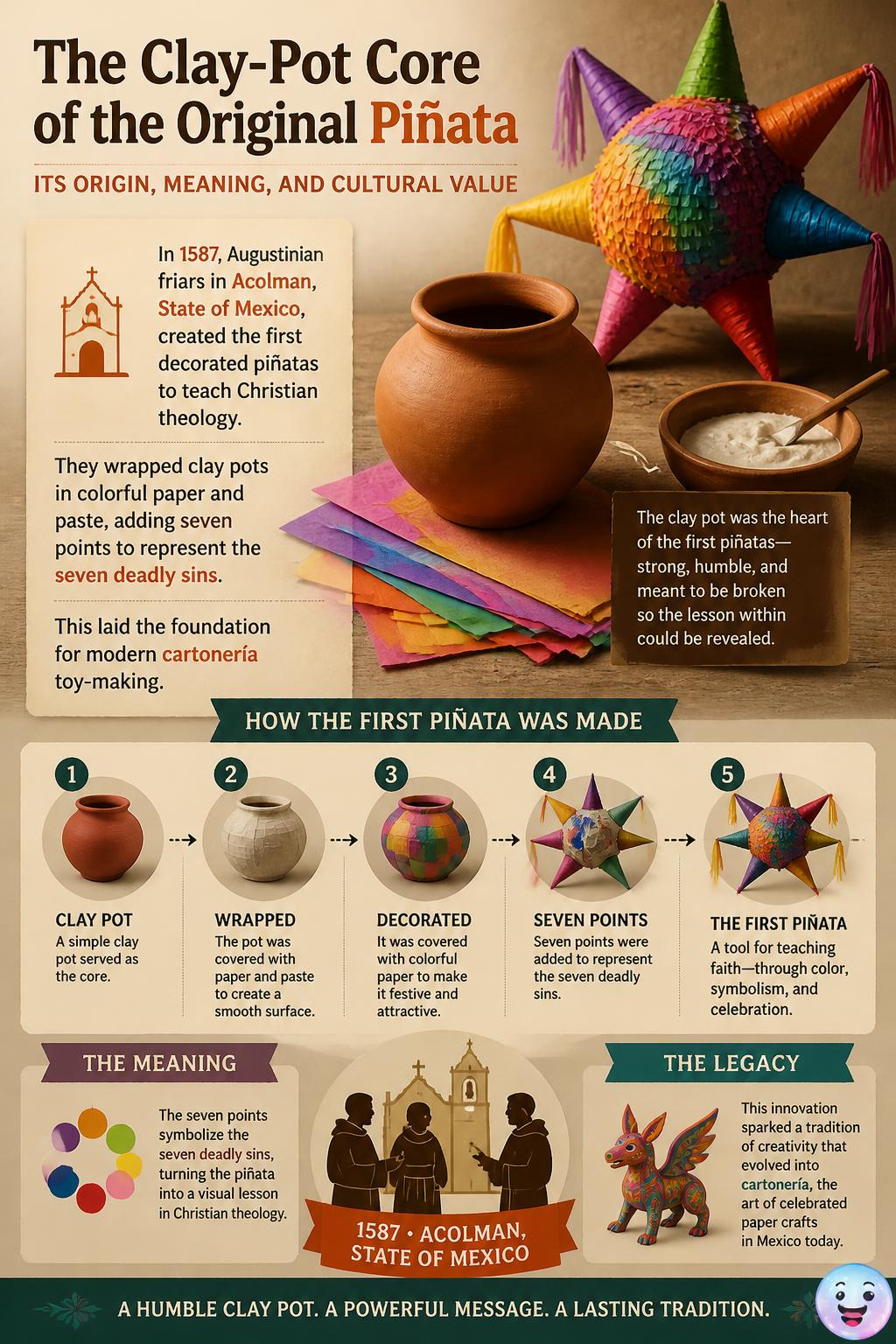
choko These early clay vessels featured seven paper cones representing deadly sins, laying the foundation for modern paper-mache toy-making.
Glossary
engrudo (noun)
A paste made from flour and water used as an adhesive for paper. During the colonial era, friars introduced this flour-based adhesive to Mexico for creating religious festival effigies.
A paste made from flour and water used as an adhesive for paper. During the colonial era, friars introduced this flour-based adhesive to Mexico for creating religious festival effigies.
Quiz
In which Mexican town did Augustinian friars create the very first decorated religious piñata in 1587?
Quiz
On which religious holiday are cartonería Judas figures traditionally exploded with fireworks in Mexico?