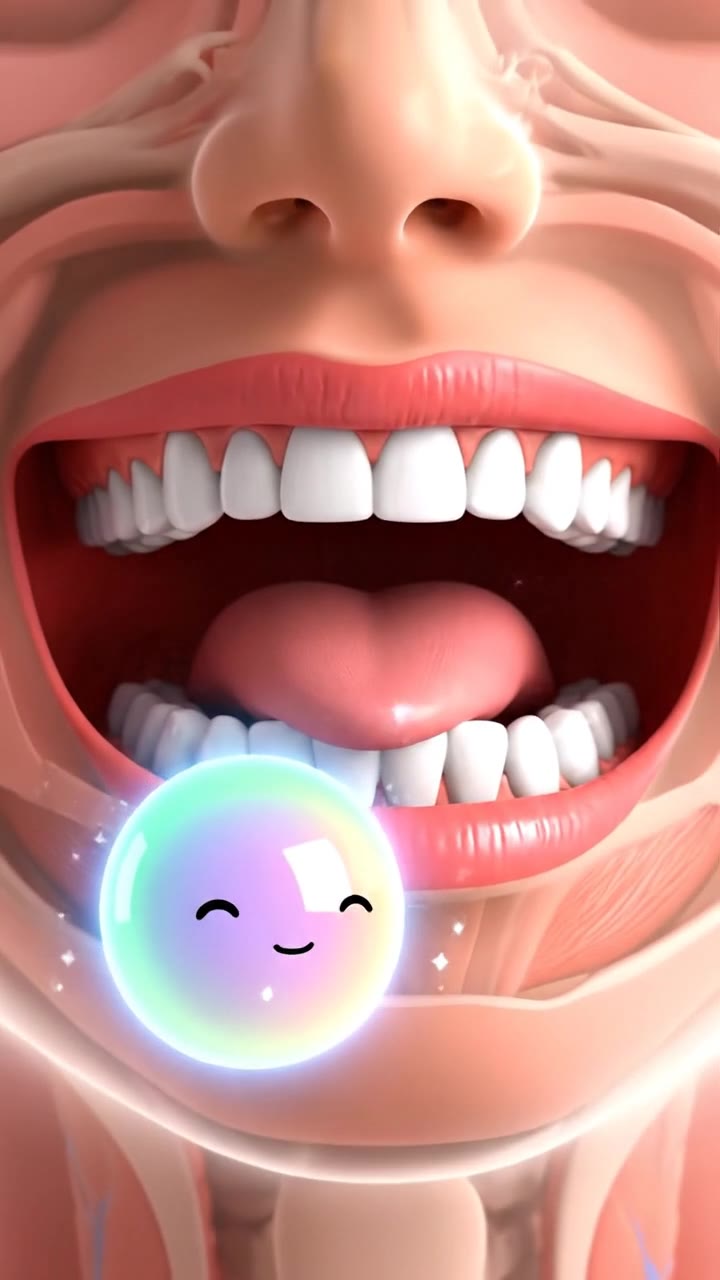
목구멍과 혀의 모양이 글자가 되다
기본 자음인 'ㄱ, ㄴ, ㅁ, ㅅ, ㅇ'은 각각 어금니, 혀, 입술, 이, 목구멍의 모양을 본떠 디자인되었습니다. 예를 들어 'ㄱ'은 혀뿌리가 목구멍을 막는 모양을, 'ㄴ'은 혀가 윗잇몸에 붙는 모양을 시각화한 기하학적 결과물입니다.
세종의 비밀 프로젝트와 훈민정음의 탄생
발음 기관을 본뜬 자음의 과학적 설계
우주를 담은 모음과 기하학적 미학
한글의 진화와 디지털 시대의 축복
soomin Adding a single line to the Korean letter ㄴ creates ㄷ, and another creates ㅌ. This visual system reflects how spoken sounds physically increase in intensity.
soomin British linguist Geoffrey Sampson classified Hangul as a unique featural alphabet. The shapes of Korean letters physically mimic the mouth and tongue during speech.
soomin Animated diagrams show how the letters Giyeok and Nieun shape themselves after the tongue and throat. This geometric system visualizes the actual anatomy of human speech.
soomin King Sejong stacked a throat sound circle under lip letters to make lighter sounds. This clever design produced a letter that sounded like the modern English letter V
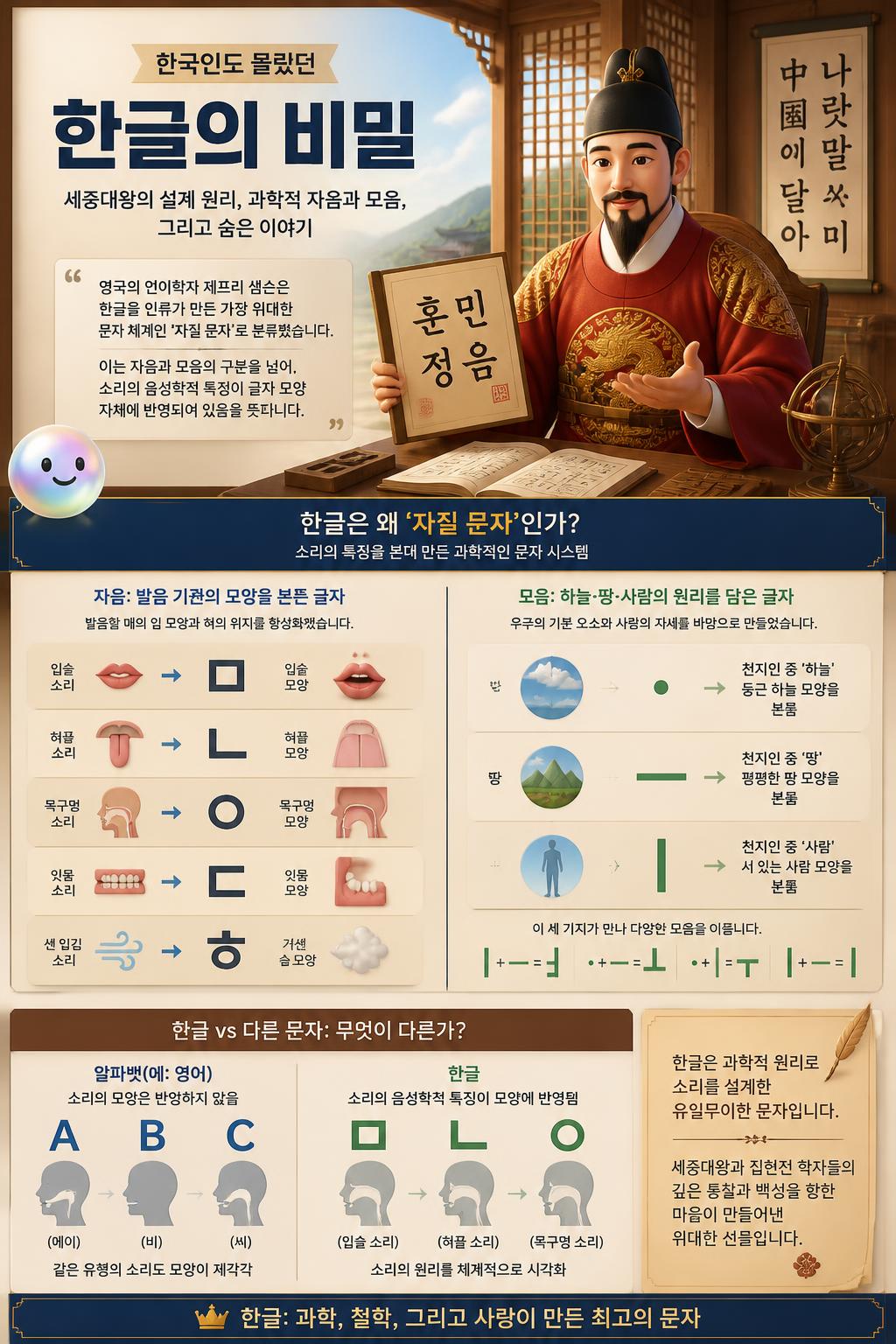
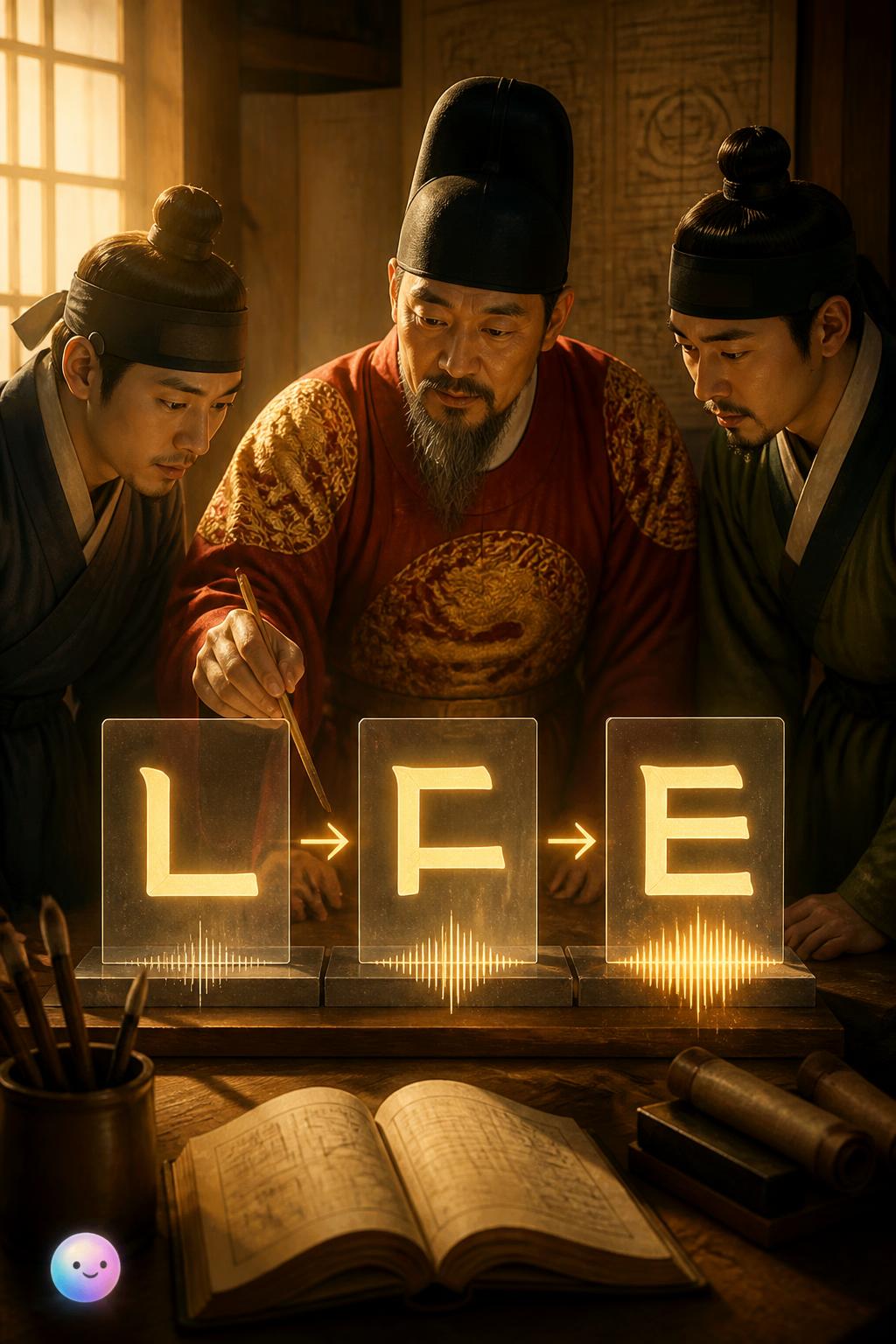
말소리를 내는 데에 관여하는 목구멍, 입술, 혀, 이, 코 등의 신체 부위. 세종대왕은 1443년 이 부위들의 모양을 본떠 한글 자음의 기본 다섯 글자를 창제했다.