
Surviving the wave: the power of immediate evacuation
Millions of miles away: the cosmic lag of space
Trust on the frontline: the military shift to mission command
The choreography of the wild: swarm intelligence in nature
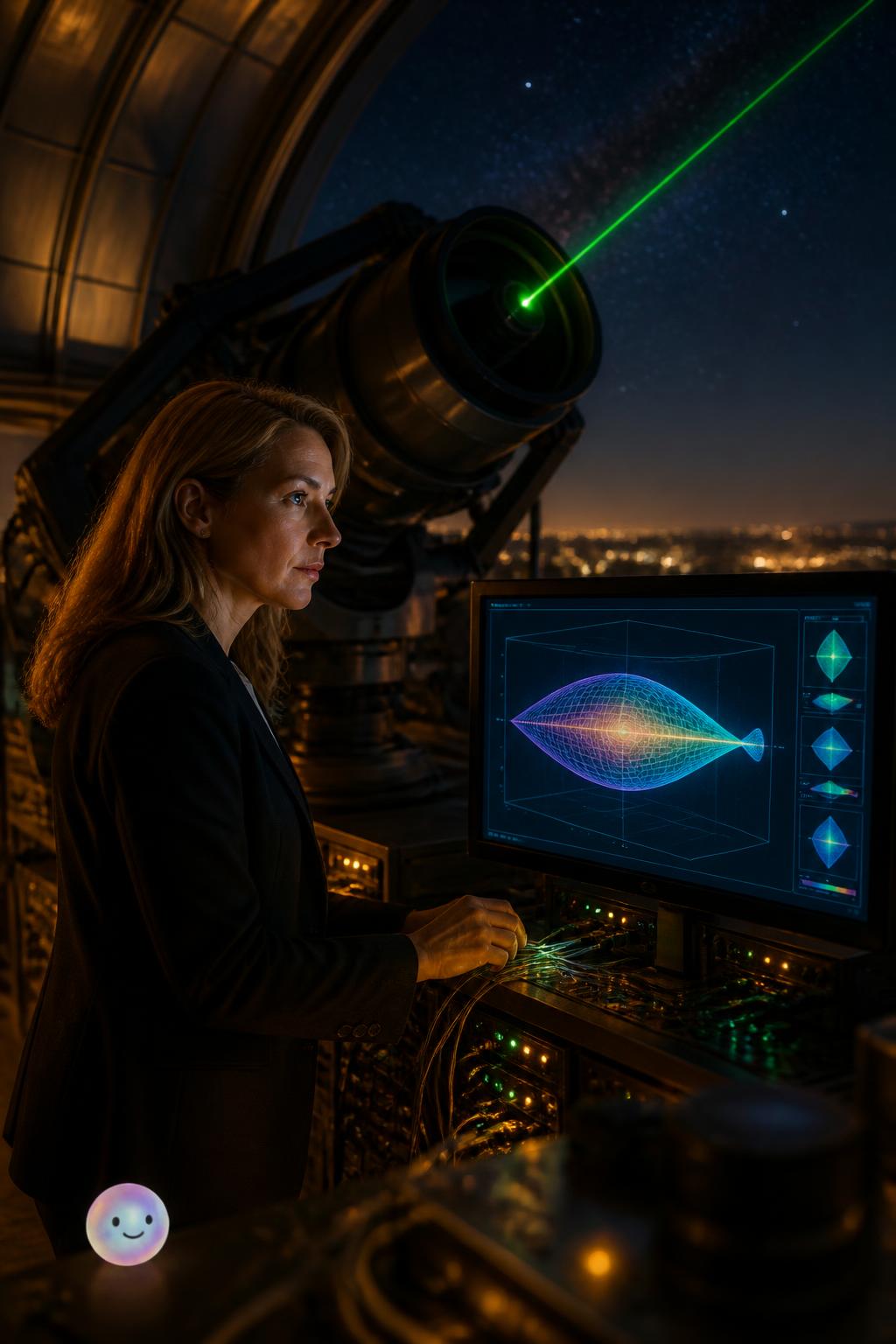
007skaty Swarm Intelligence in Robotics
We don't need a central brain, we talk to our neighbors to shape up right now.

007skaty Tap to direct your buddies to discover why waiting for distant guidance is too slow.
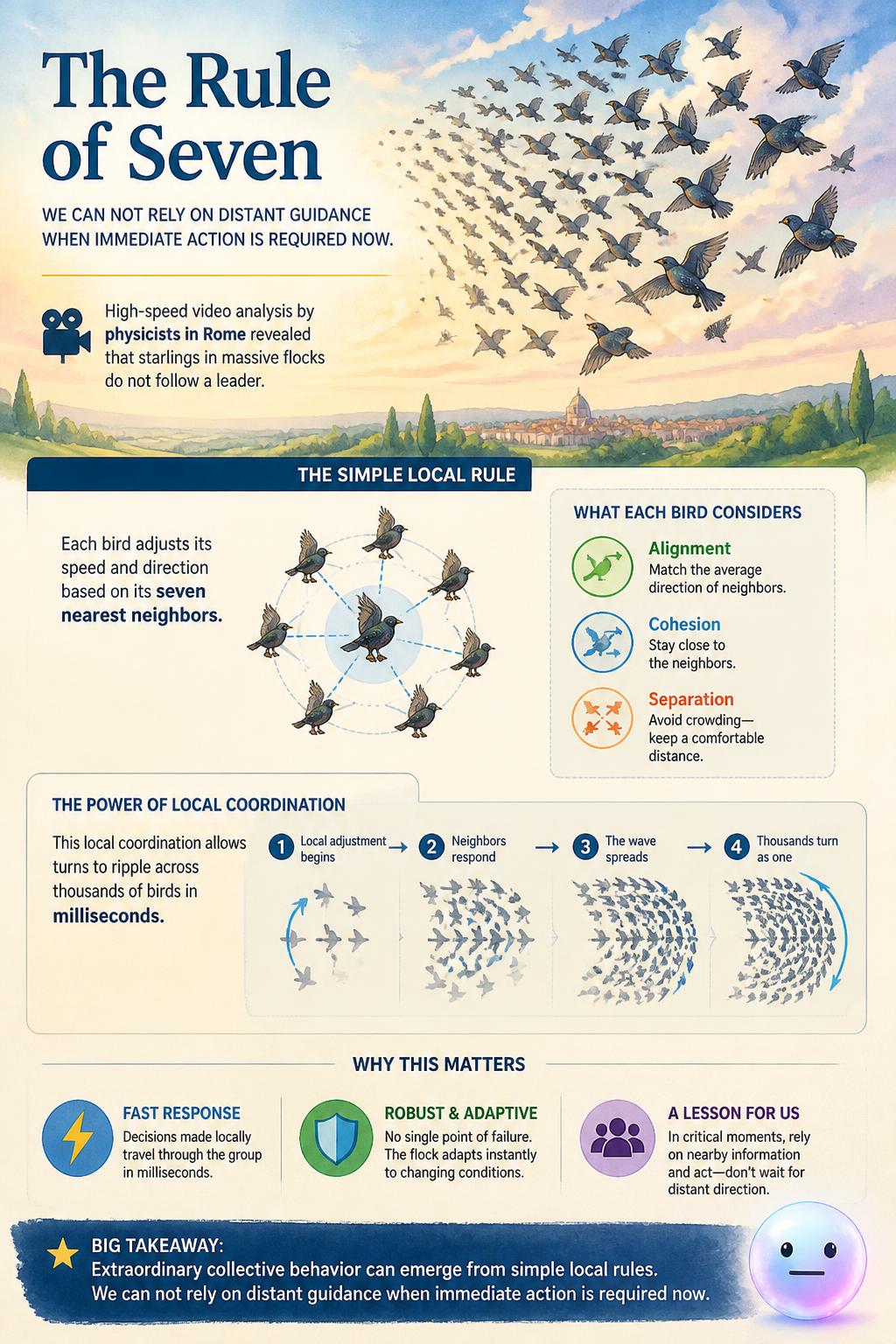
007skaty High-speed video analysis by Rome physicists captured how local adjustments ripple turns across thousands of birds in milliseconds.
According to physics research, how many of its closest neighbors does a starling track to coordinate its flight?
What is the collective term for a massive, swirling flock of starlings moving in unison?
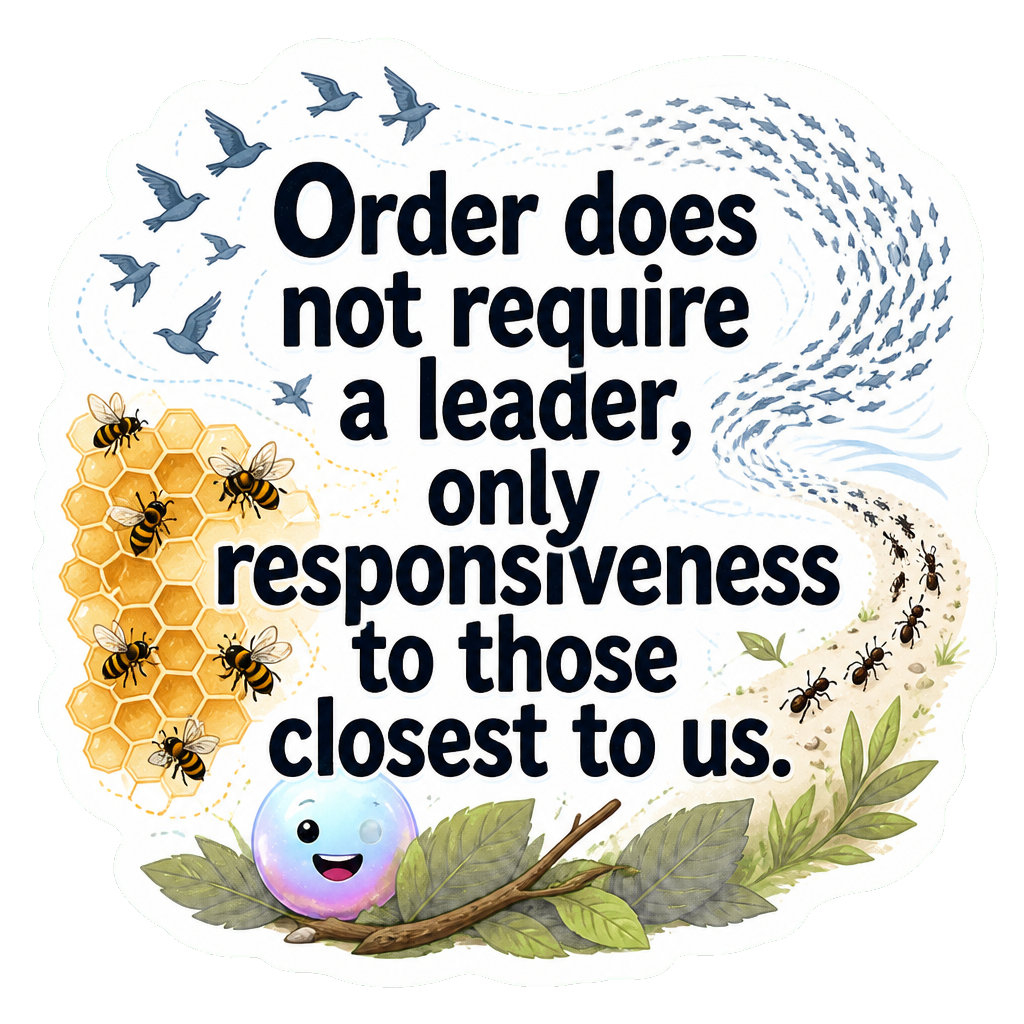
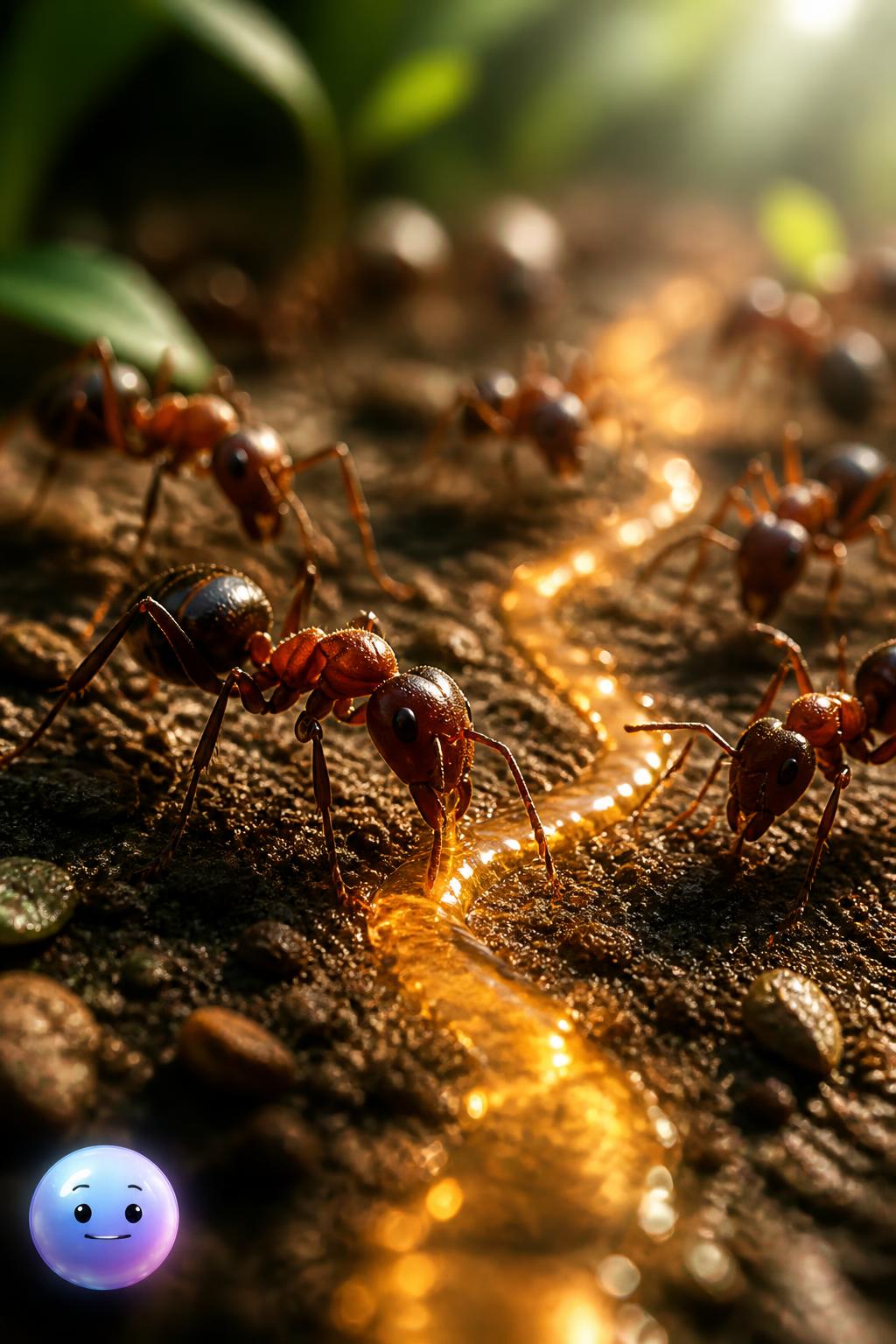
007skaty Ant colonies survive because individual workers act immediately without waiting for a queen's instructions.
What is the biological role of a queen ant in a colony, contrary to the myth that she rules it?
How do foraging ants communicate the location of a rich food source to their nestmates?
Starling speed: Starlings in a murmuration can fly up to 40 miles per hour, yet they almost never collide because of their rapid reaction times.
In which region of the world can you witness thousands of fireflies synchronizing their flashes along riverbanks?
How does an individual firefly decide when to flash to achieve perfect group synchronization?
The collective, coordinated behavior of decentralized, self-organized systems, typically observed in social animals. Starlings demonstrate this decentralized coordination during autumn murmurations, communicating with their seven nearest neighbors.
What is the term for the collective behavior of decentralized, self-organized systems, both natural and artificial?
How do robotic search-and-rescue swarms benefit from having no central controller?