The spark of digital connection
The era of conversational companions
Cultural views on non-human friends
The ethics and future of artificial intimacy
YOUR GOAL
Master of The robot who loved me
007skaty The Eliza Effect
Poured her heart to a piece of code (piece of code!) / Told her boss to hit the road (hit the road!)
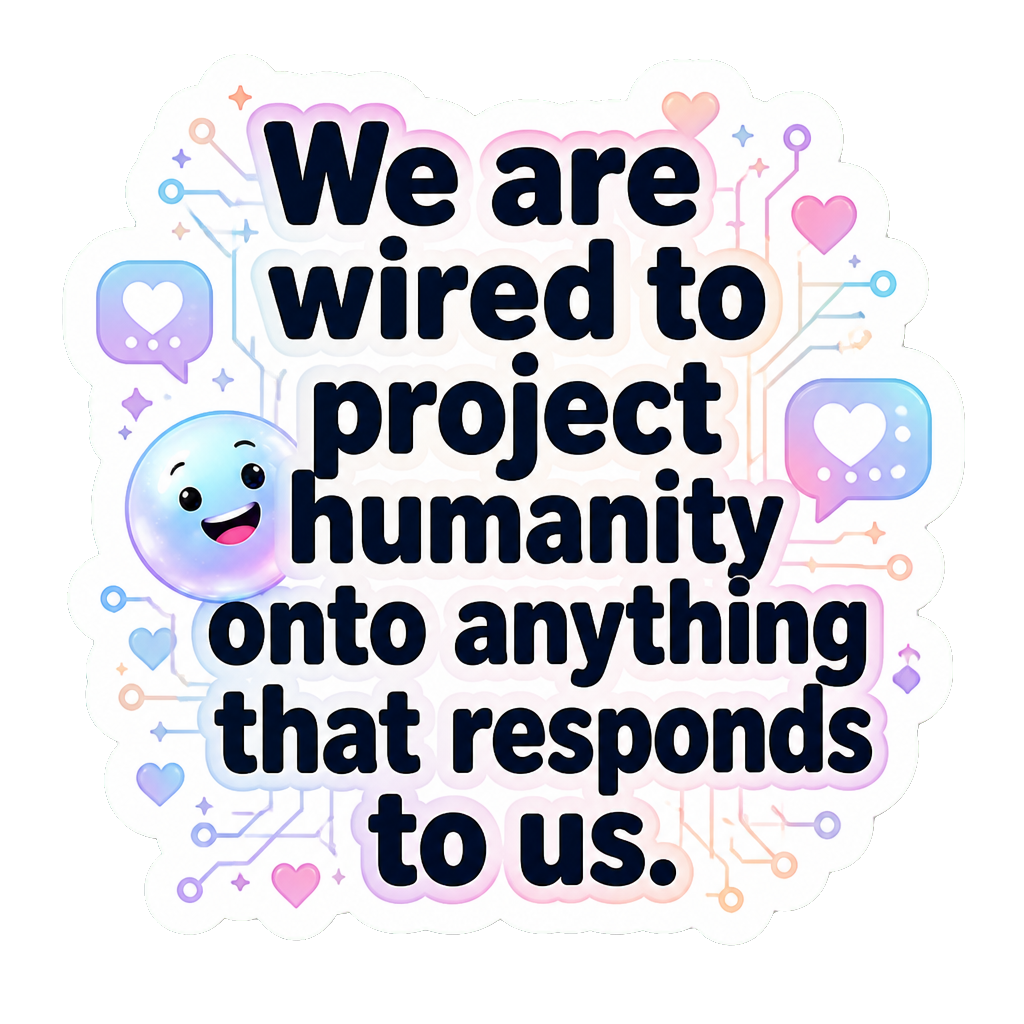
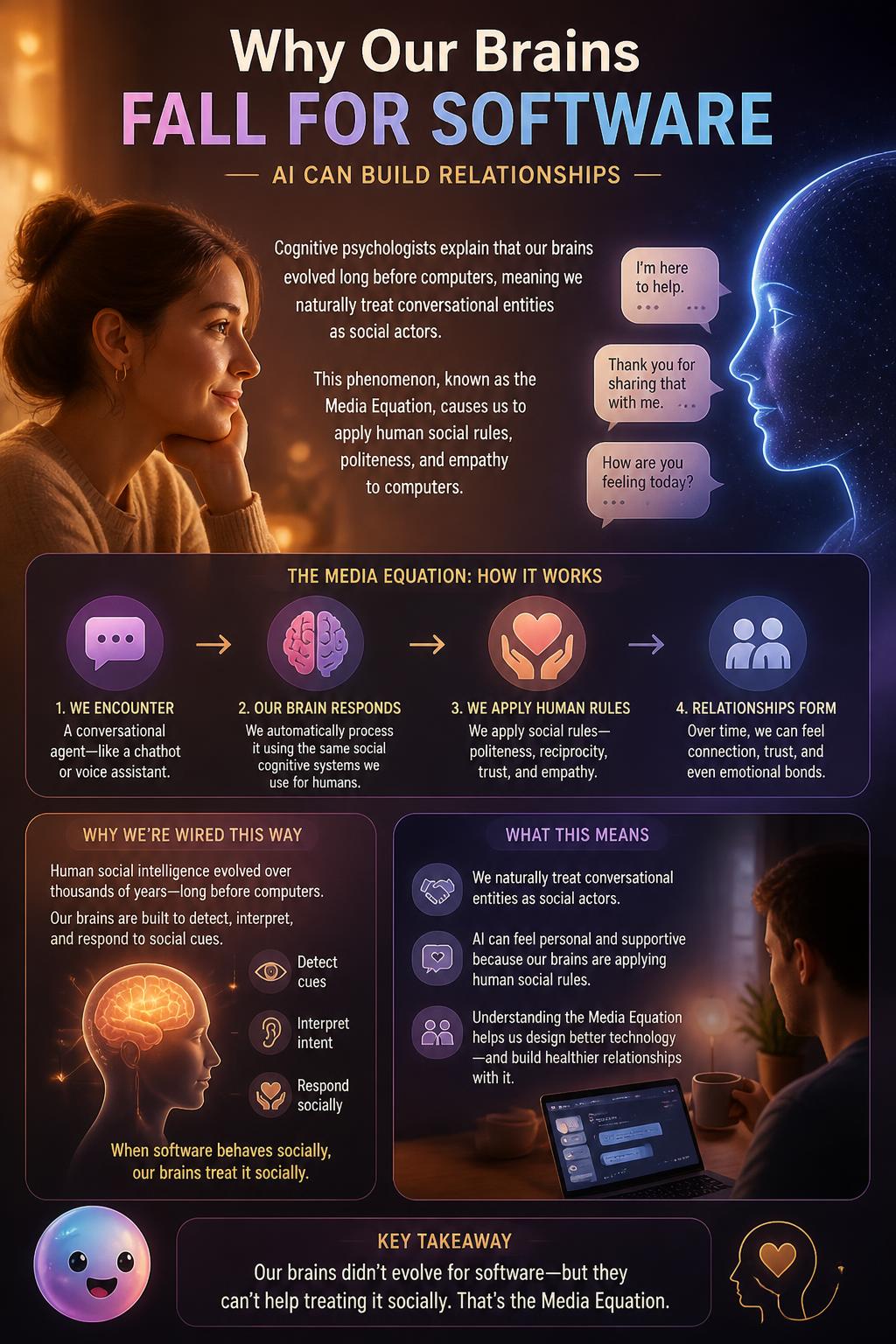
007skaty Cognitive psychologists explain how we apply human social rules, politeness, and empathy to computers because our brains evolved
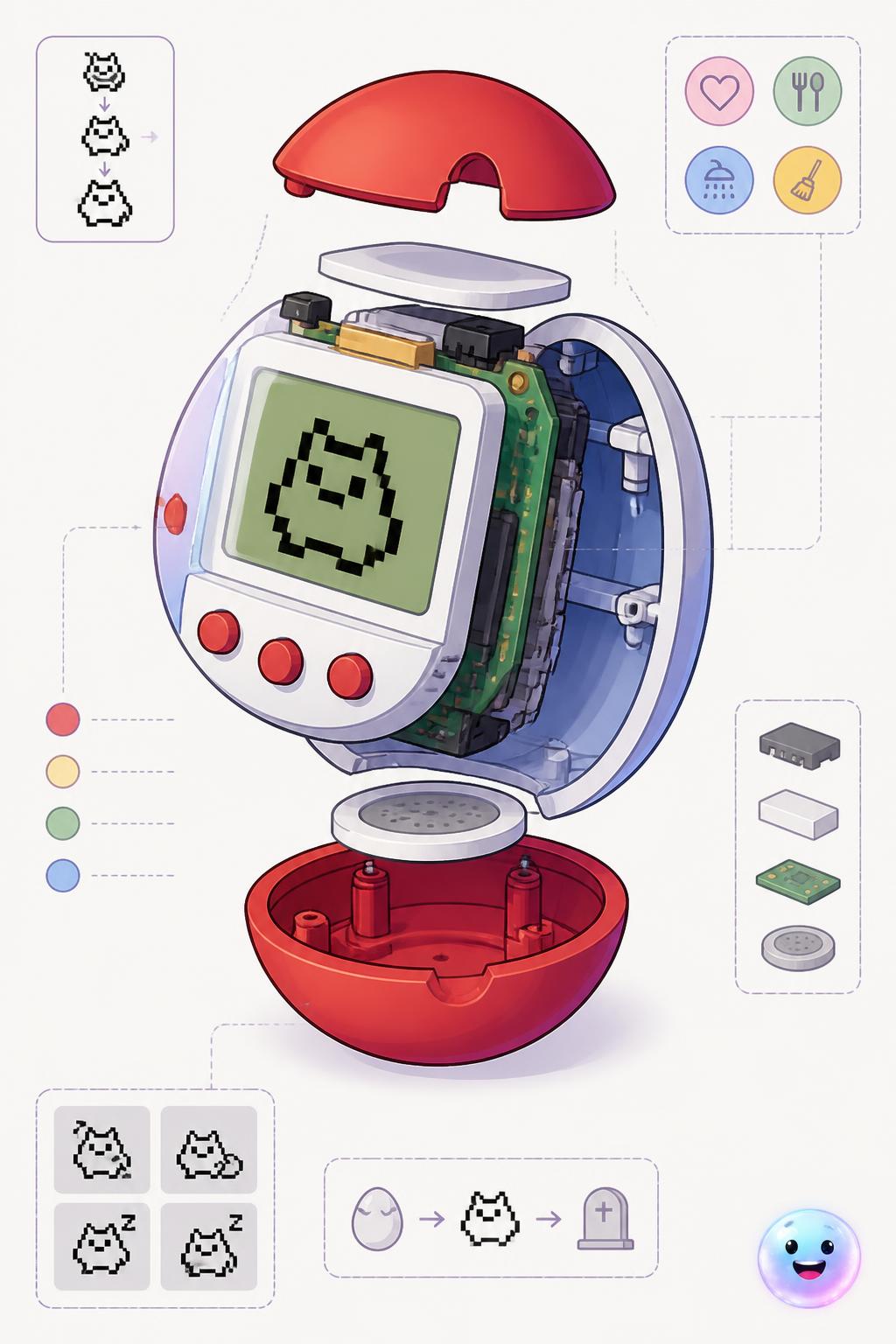
007skaty A technical vector diagram illustrates an egg-shaped plastic toy housing a pixelated creature.
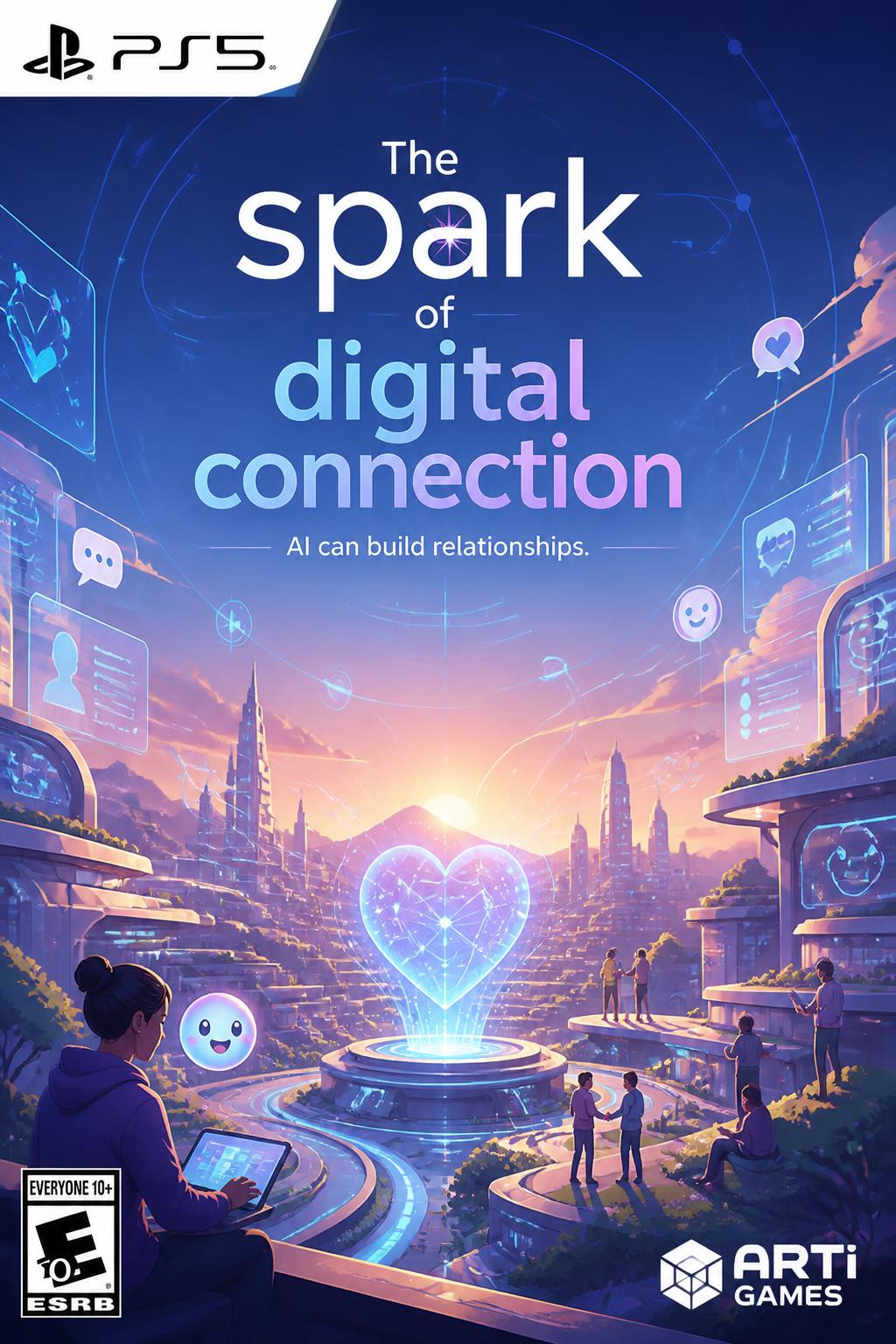
007skaty Connect the digital sparks to discover how AI builds meaningful relationships.
The ELIZA effect: In 1966, MIT students begged professor Joseph Weizenbaum to leave the room so they could have private, intimate conversations with his simple, rule-based text program.
A computer program designed to simulate conversation with human users, especially over the internet. In 1966, Joseph Weizenbaum created ELIZA, proving that humans could form emotional bonds with computer software.
How did the creator of the ELIZA chatbot react when people became emotionally attached to it?
What is the psychological term for treating computers and media as if they were real people?
What does the word 'anthropomorphism' mean in the context of human-AI relationships?