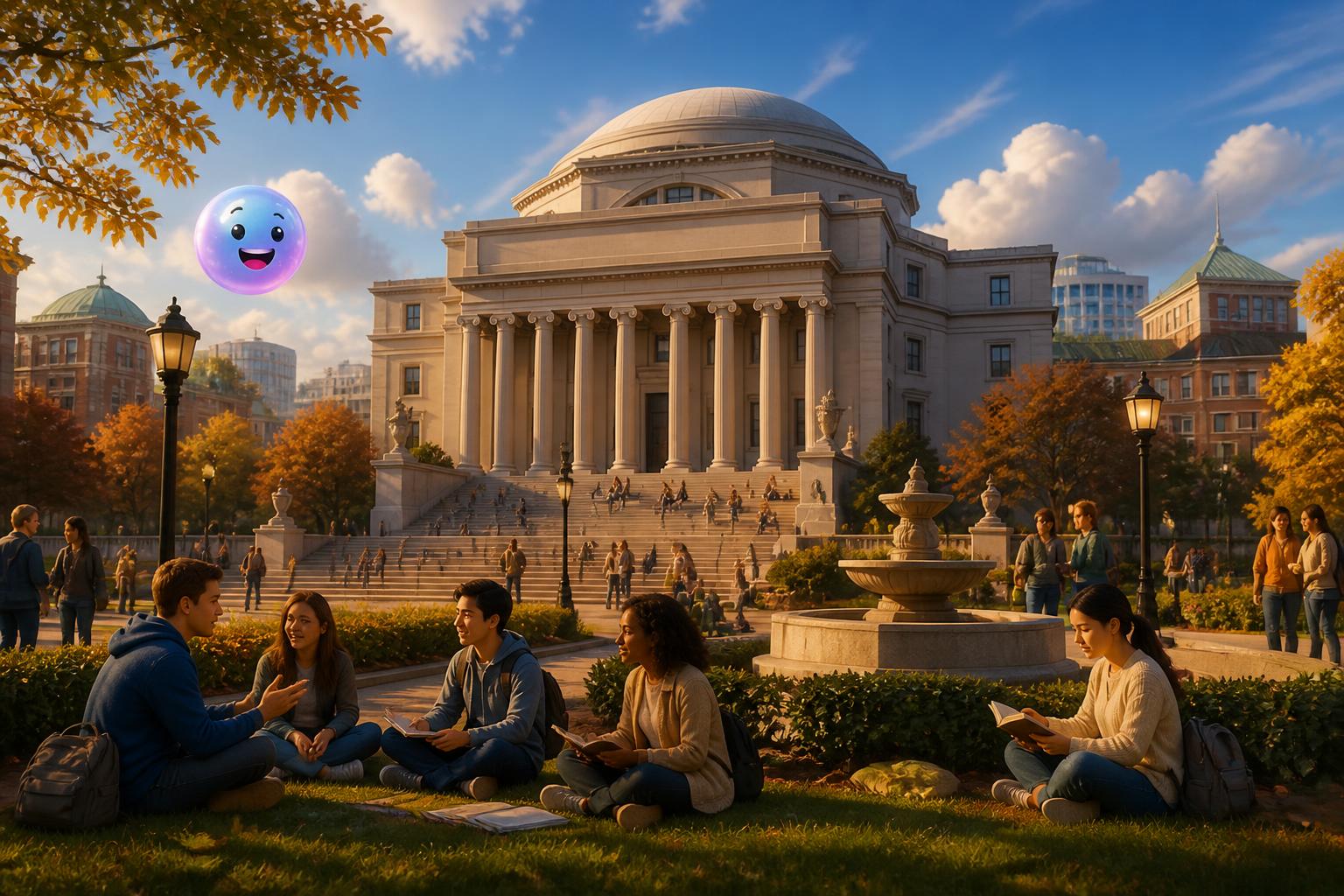
Columbia's lion mascot, Roar-ee, inspired the roaring logo of which
Columbia's lion mascot, Roar-ee, inspired the roaring logo of which famous Hollywood movie studio?
From colonial roots to city secrets
Inventions, awards, and Hollywood fame
Campus traditions and quirky lore
sonia This historic classroom featured in Spider-Man in 2002 and Ghostbusters in 1984. Directors choose its steep wooden seating and dramatic lighting for the ultimate collegiate look.
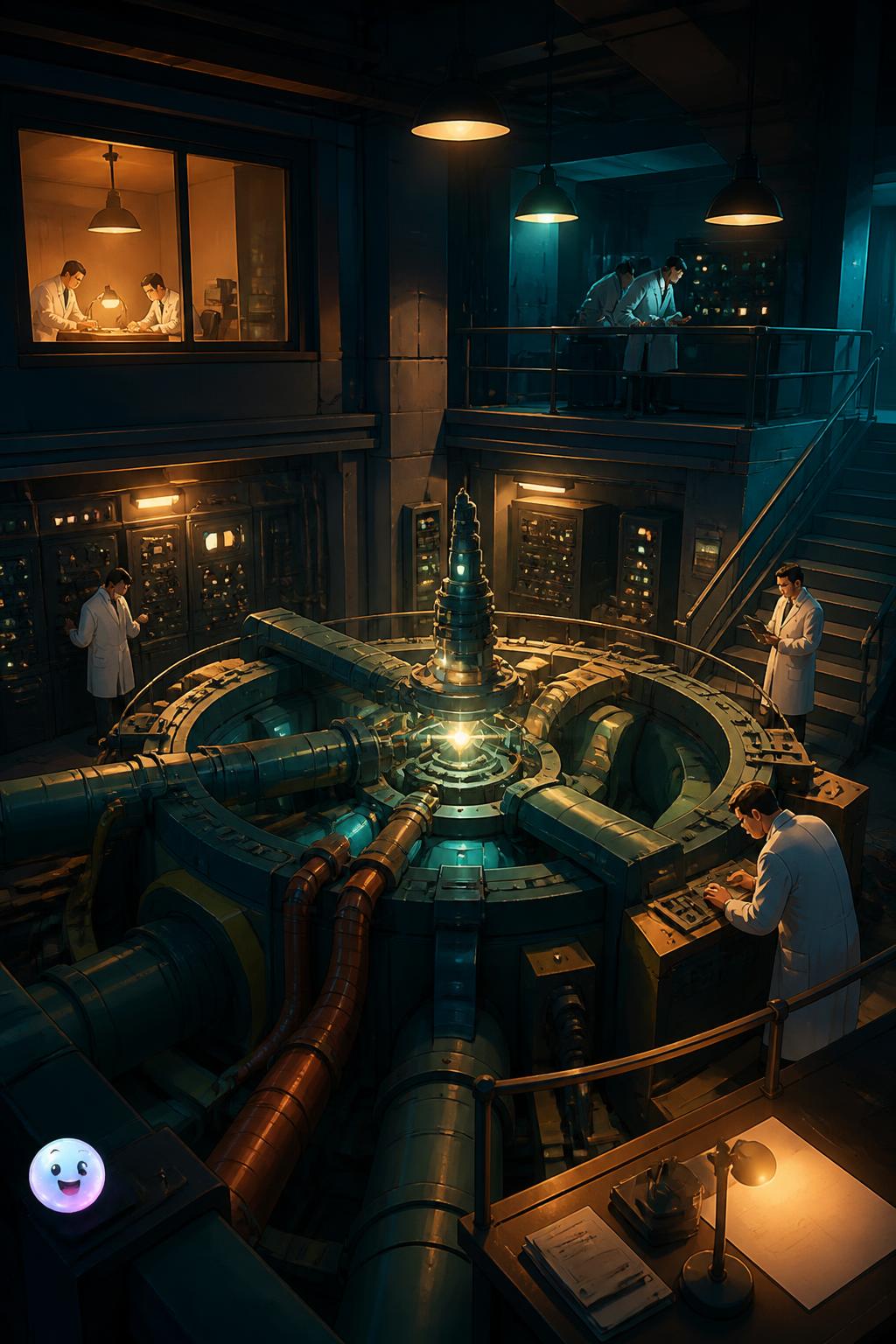
sonia During the 1930s, John R. Dunning used a massive cyclotron in the basement to split uranium atoms. This secret work laid the foundation for the atomic bomb.
sonia Edwin Howard Armstrong patented static-free transmission inside this campus building in 1933. His invention eliminated harsh AM static and turned the site into a National Historic Landmark.
sonia MGM Lion Columbia Origin
That Hollywood roar, That Hollywood roar, A Columbia lion made that Hollywood roar!
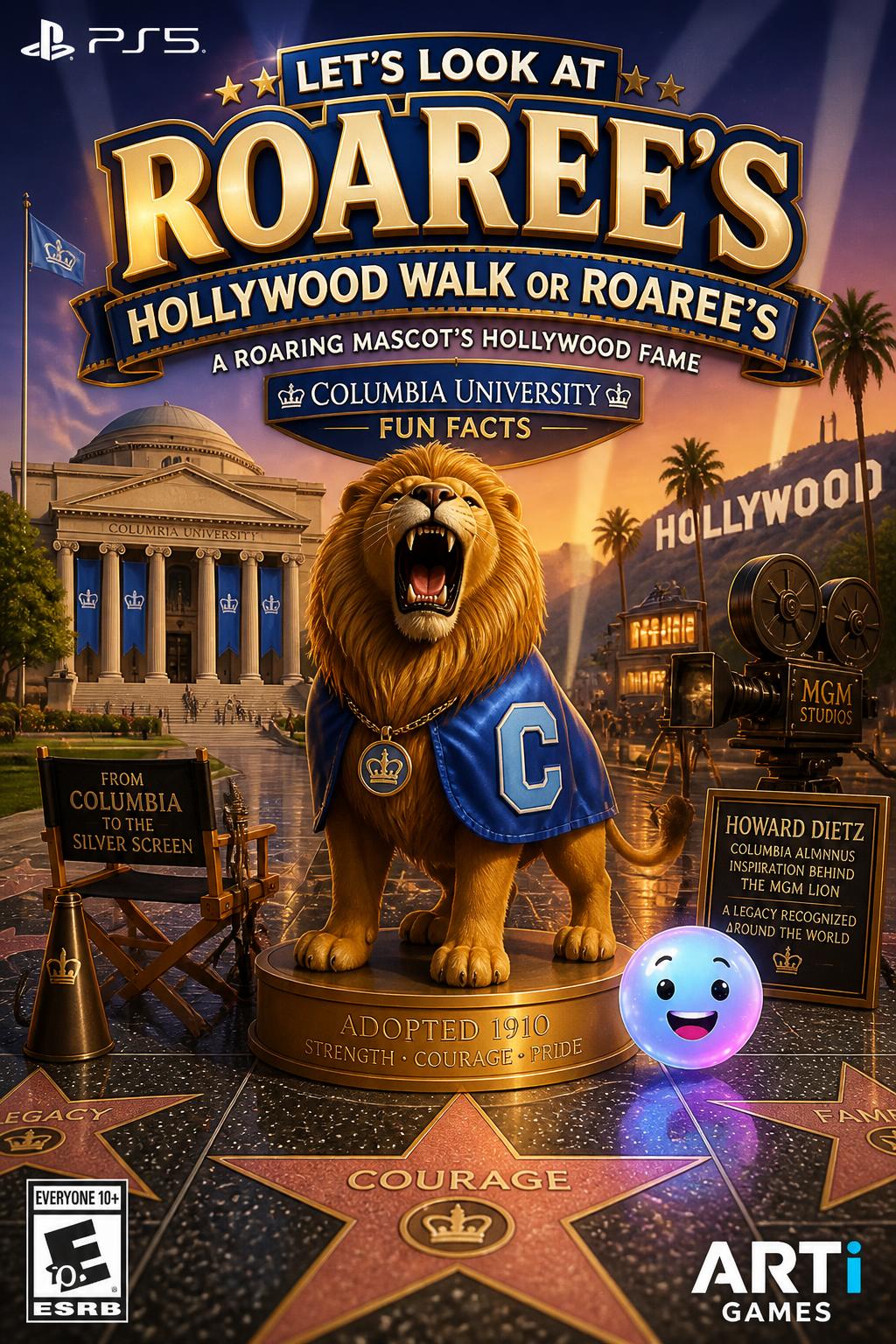
sonia Tap the stars to learn fun facts about Roaree's Hollywood Walk and Columbia University.
sonia In 1917, publisher Joseph Pulitzer funded a new award managed by Columbia University. This prize honors outstanding achievements in journalism, literature, and music.

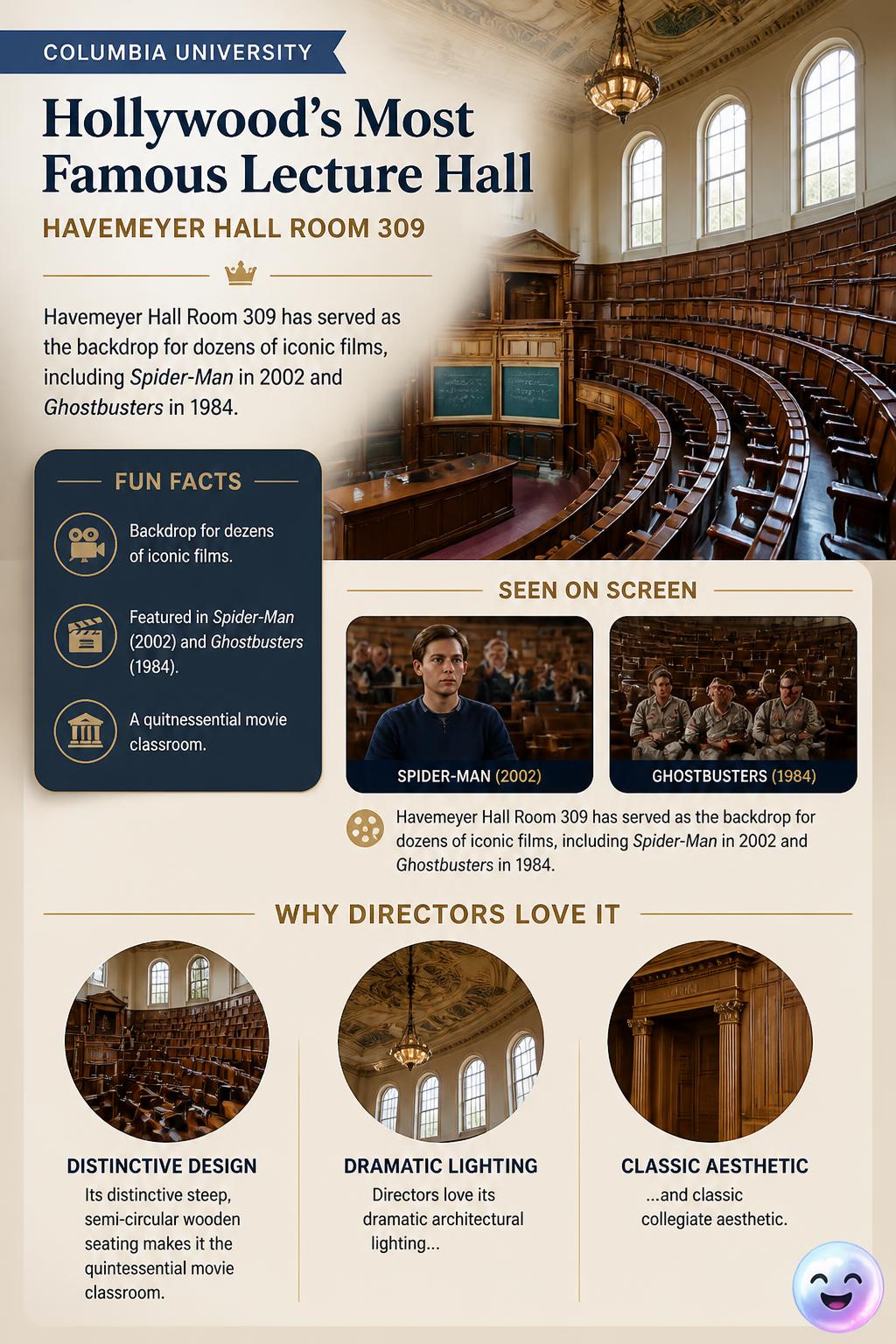
sonia Steep curved wooden seats rise under dramatic lighting inside Havemeyer Hall Room 309.
MGM's roaring lion: Columbia's athletic mascot, Roar-ee, was the direct inspiration for the famous roaring lion at the beginning of MGM movies.
A room in a school or college where classes are taught. Columbia's Havemeyer 309 is the most filmed college classroom in cinema history, appearing in multiple blockbusters.
What top-secret scientific endeavor during World War II had research facilities in the basement of Columbia's Pupin Hall?
What scientific instrument was built in Columbia's Pupin Hall basement to split uranium atoms?
Columbia's lion mascot, Roar-ee, inspired the roaring logo of which famous Hollywood movie studio?
In which Columbia University building did Edwin Howard Armstrong invent static-free FM radio in 1933?