BETA
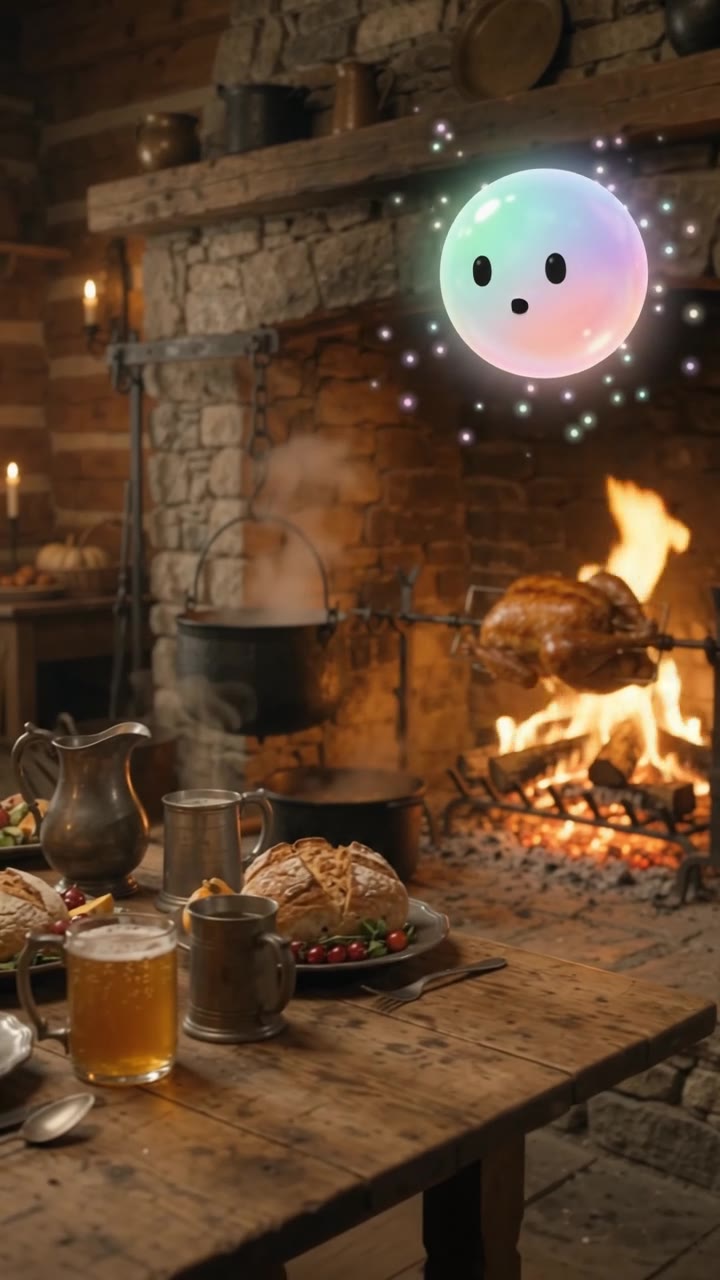
New Englanders celebrated Thanksgiving with long church services followed by a massive family feast cooked entirely over an open hearth. Because they lacked orchards of sweet apples early on, they fermented hard cider as their primary dinner beverage.
jordan_k Sort colonial ingredients into regional pots to learn what early Americans really cooked and why.
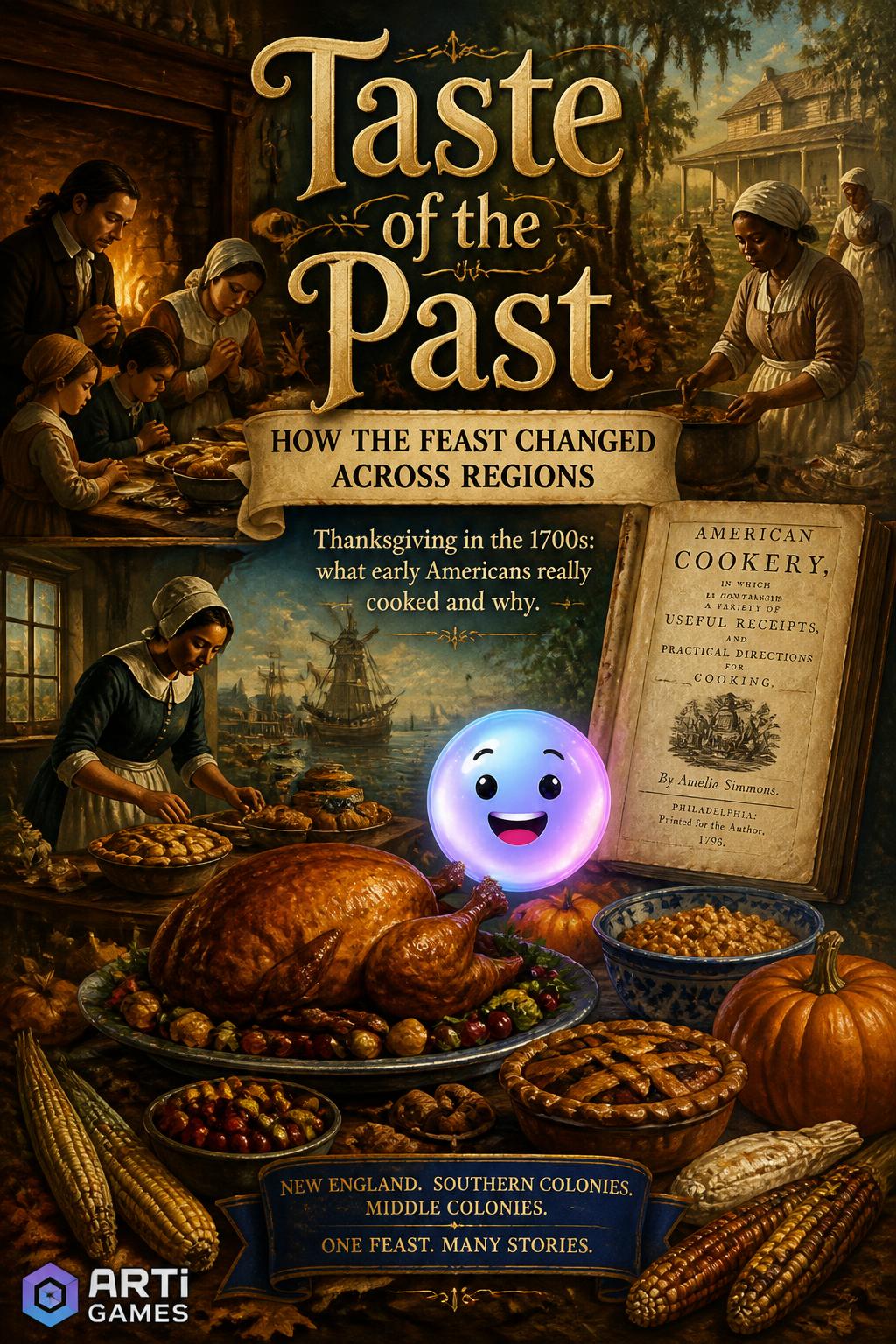
jordan_k Amelia Simmons and the First American Cookbook
Amelia Simmons wrote the first cookbook we ever knew, Bringing pumpkin pie and cranberry sauce to me and you!
What was the primary alcoholic beverage served at New England Thanksgiving tables in the 1700s?
jordan_k The New England hearth cooked massive Thanksgiving feasts for families who drank fermented cider.
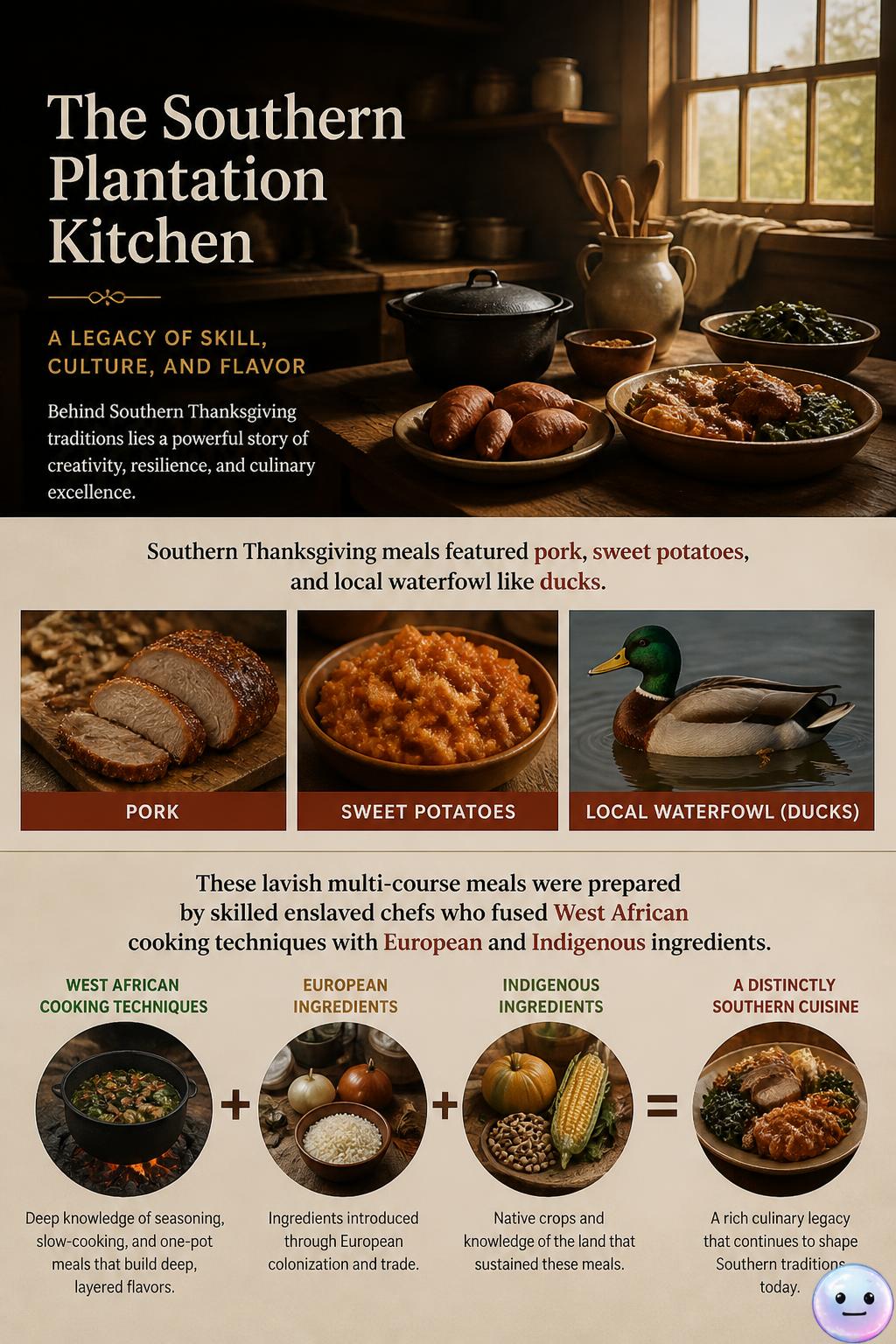
jordan_k Enslaved chefs in Southern plantation kitchens fused West African techniques with European and Indigenous ingredients like sweet potatoes to prepare Thanksgiving feasts.
Which root vegetable, native to the Americas, became a staple of Southern Thanksgiving tables as a substitute for European potatoes?
First Cookbook: The first American cookbook, published in 1796, was the very first to pair turkey with cranberries, establishing a classic flavor combination we still eat today!
In which city was Amelia Simmons' groundbreaking cookbook 'American Cookery' first published in 1796?
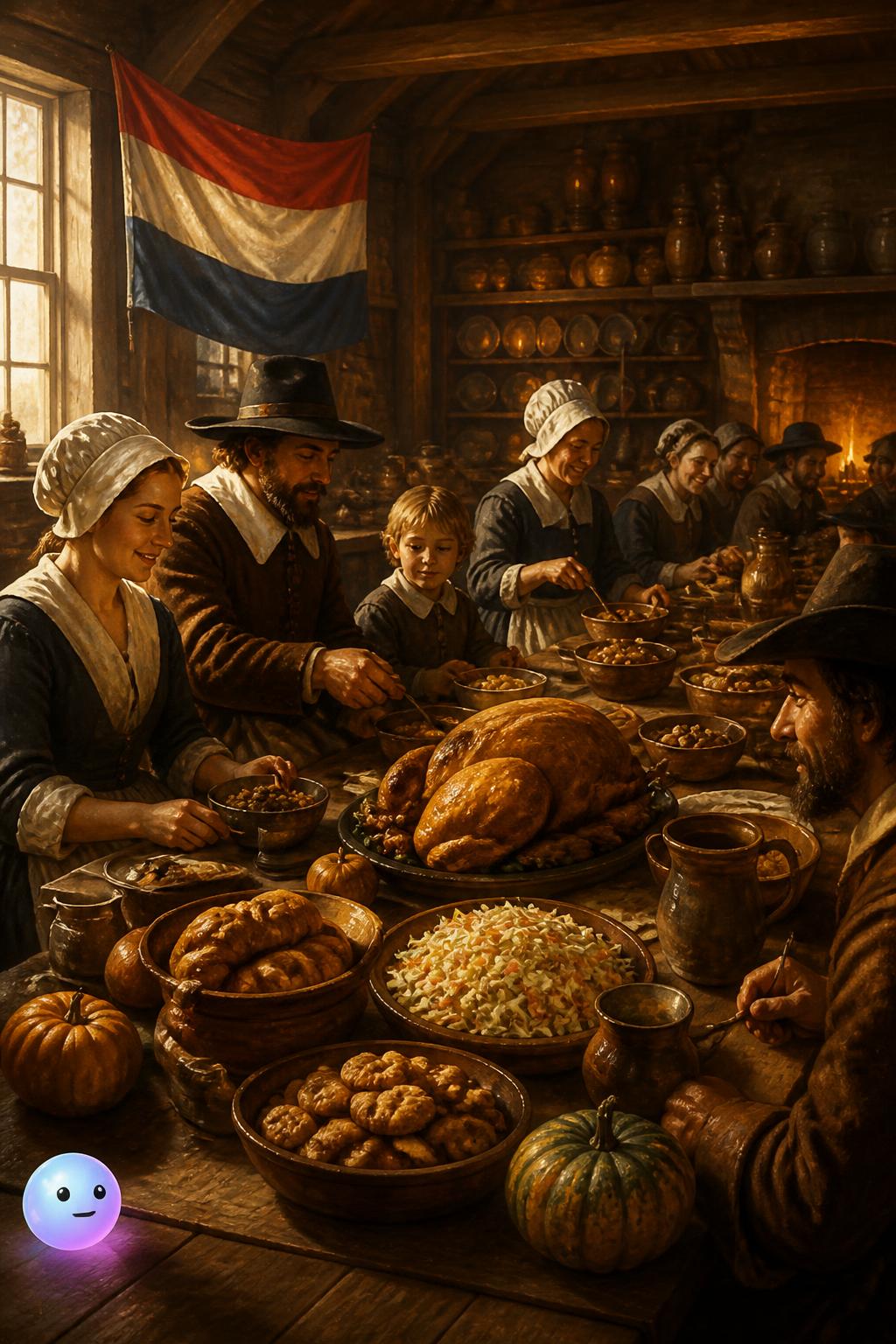
jordan_k In 1700s New York, Thanksgiving feasts featured Dutch favorites like cookies and coleslaw.
What Dutch word, meaning 'little cake,' entered the American vocabulary in the 1700s and changed how we describe sweet baked treats?
Why did the Middle colonies (like Pennsylvania and New York) have a wider variety of breads at their feasts than New England?
What early chemical leavening agent, made from wood ashes, did Amelia Simmons' 1796 cookbook popularize for baking quick breads?