The shapeshifting metals
The self-healing metals
The bio-hybrid bridge
Nature's ironclad life

007skaty Biohybrid Mesh Harvester
Beating heart cells powering up the mesh (oh-oh!) Turning every squeeze into a glowing spark (yeah-yeah!)
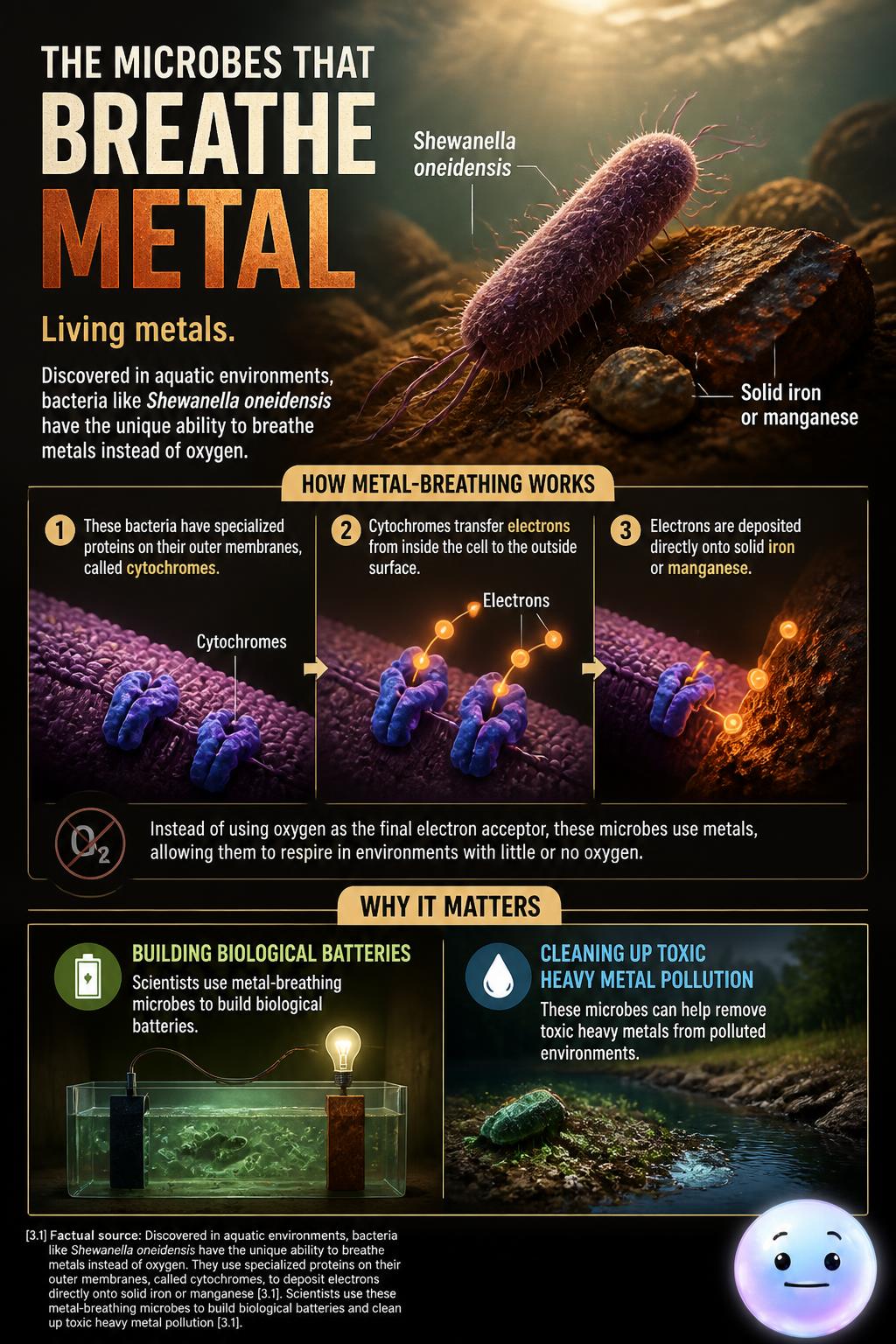
007skaty These microbes use cytochrome proteins to dump electrons onto iron or manganese, helping scientists build biological batteries and clean toxic pollution.
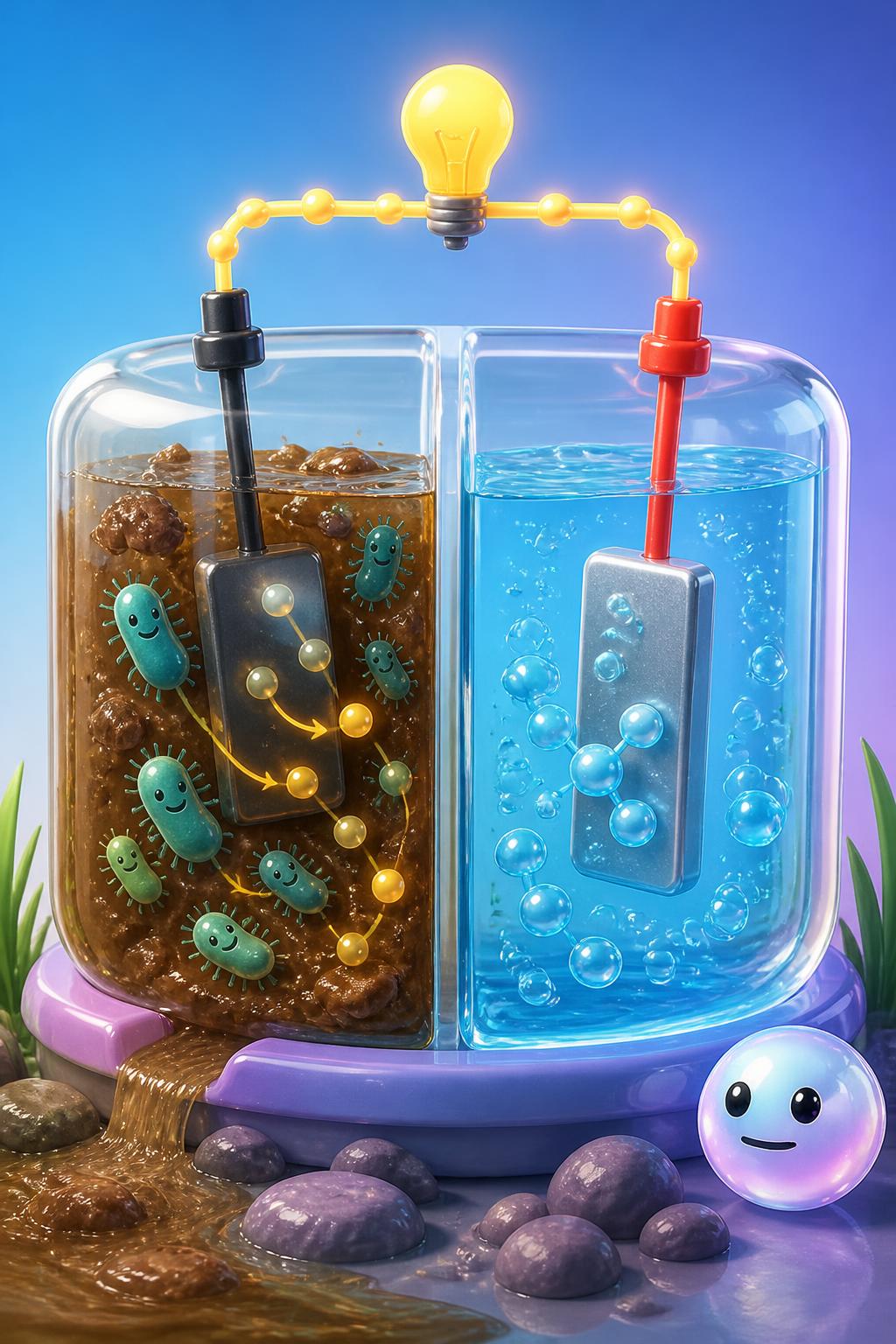
007skaty Microbial fuel cells turn mud and wastewater into power for remote environmental sensors.
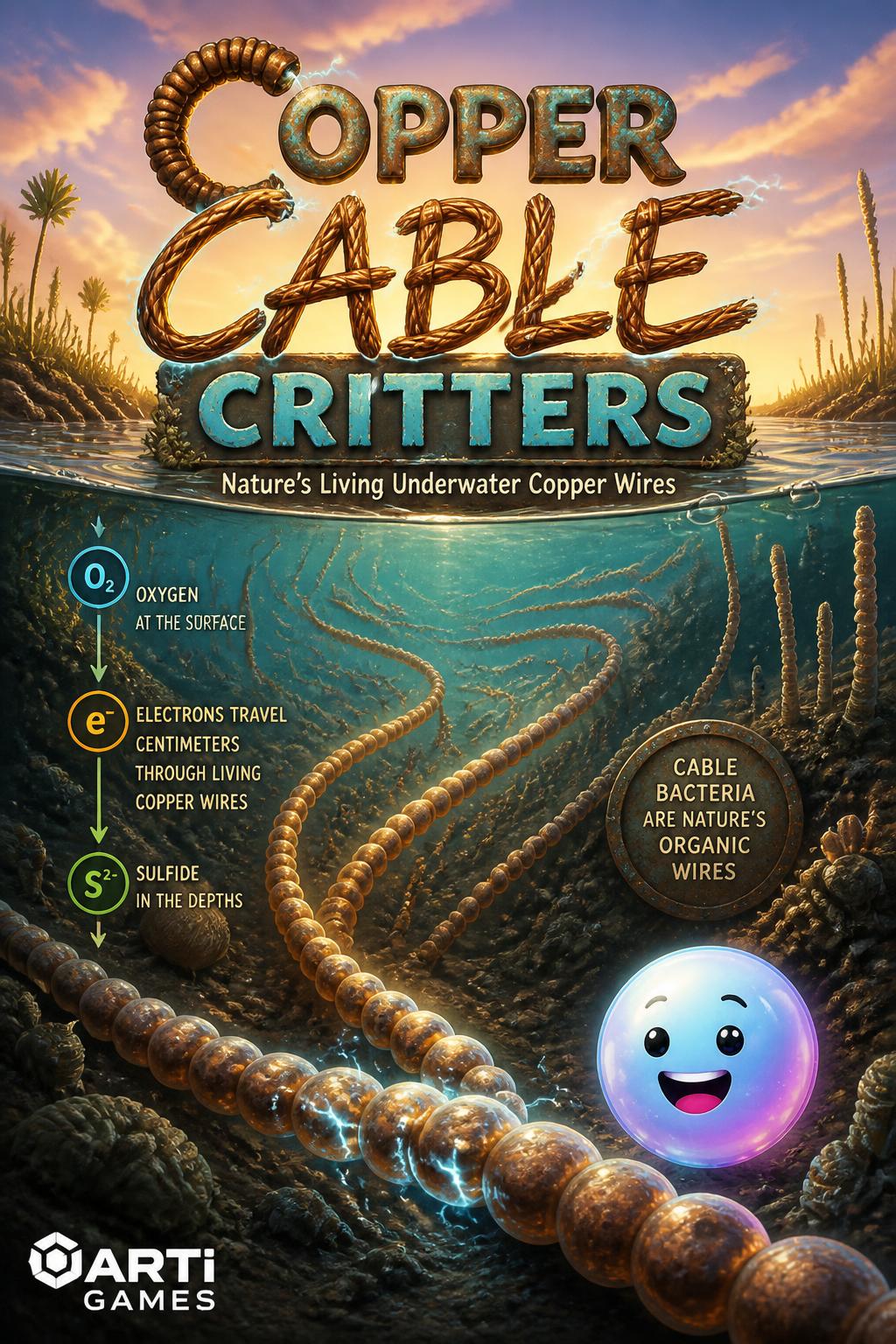
007skaty Connect copper cables to power the critters to discover how conductive metals transfer electricity.
Gold-plated bacteria: Scientists have coated bacteria in gold nanoparticles to create highly sensitive, living humidity sensors that generate electrical signals as the bacteria swell and shrink!
The branch of technology concerned with the application of electronic principles to biological systems. In 2025, Binghamton University researchers developed a liquid metal composite to connect biological and electronic systems.
Which bacterium is famous for its ability to 'breathe' metal by transferring electrons to iron or manganese?
007skaty Bioengineers merge living heart cells with flexible electronic mesh circuits.
What are the specialized outer-membrane proteins that electrogenic bacteria use to transfer electrons to metals?
In a microbial fuel cell, where do the electrogenic bacteria deposit their generated electrons?
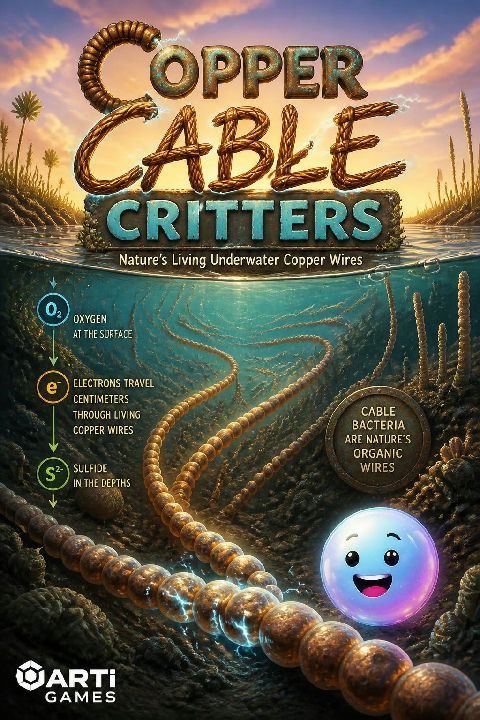
Over what approximate distance can cable bacteria transport electrical currents through marine sediment?
Why are flexible nano-scale metal meshes preferred over rigid electrodes for biological implants?