Helen Frankenthaler and the liquid canvas
Agnes Martin and the quiet grid
Vija Celmins and the infinite detail
Tamara de Lempicka and modern speed
Maruja Mallo and defiant surrealism
Sofía Bassi and the prison canvas
YOUR GOAL
Master of Six women who painted outside the lines
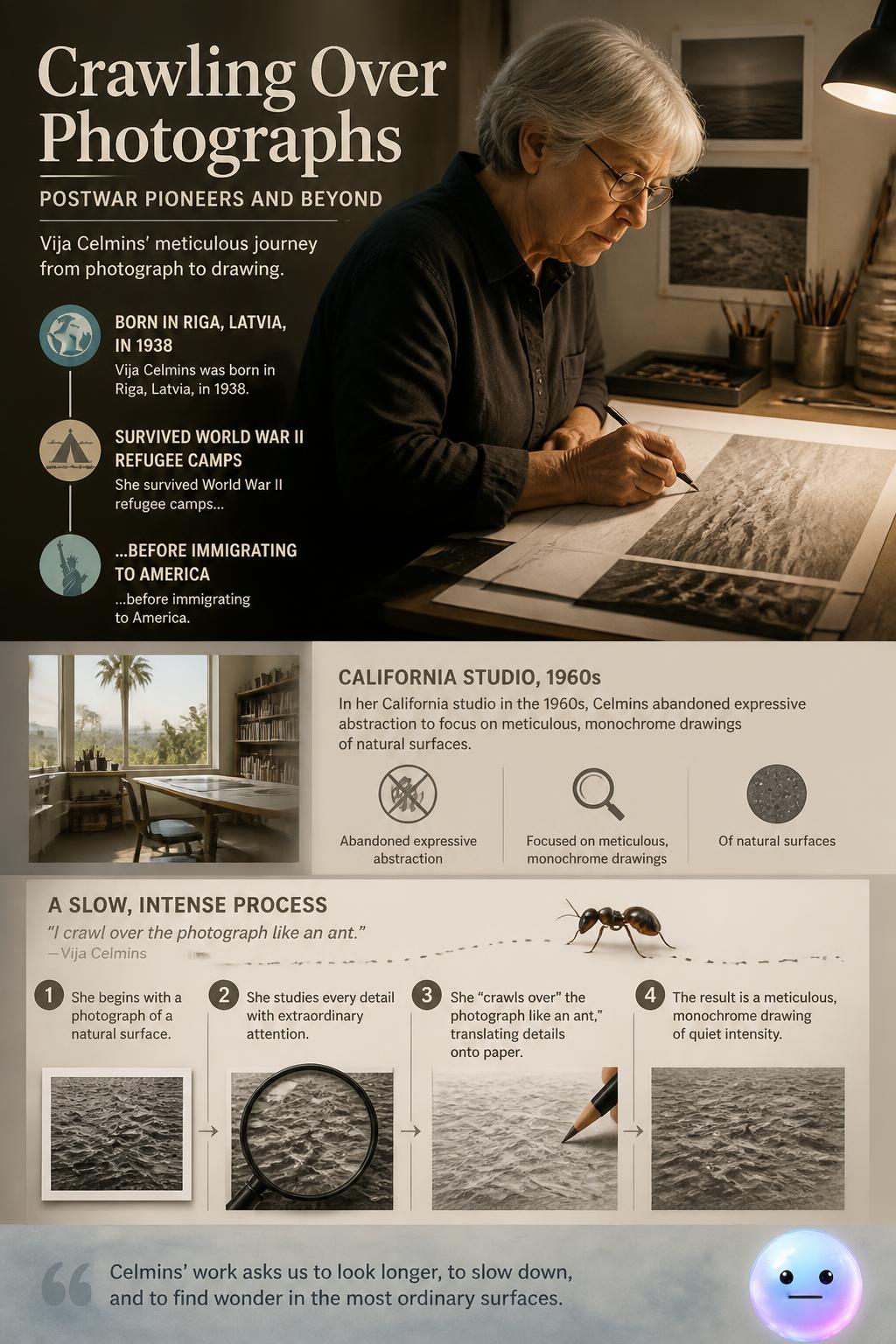
choko Born in 1938, Celmins survived World War II refugee camps before immigrating to America, later comparing her intense process to crawling over photographs.
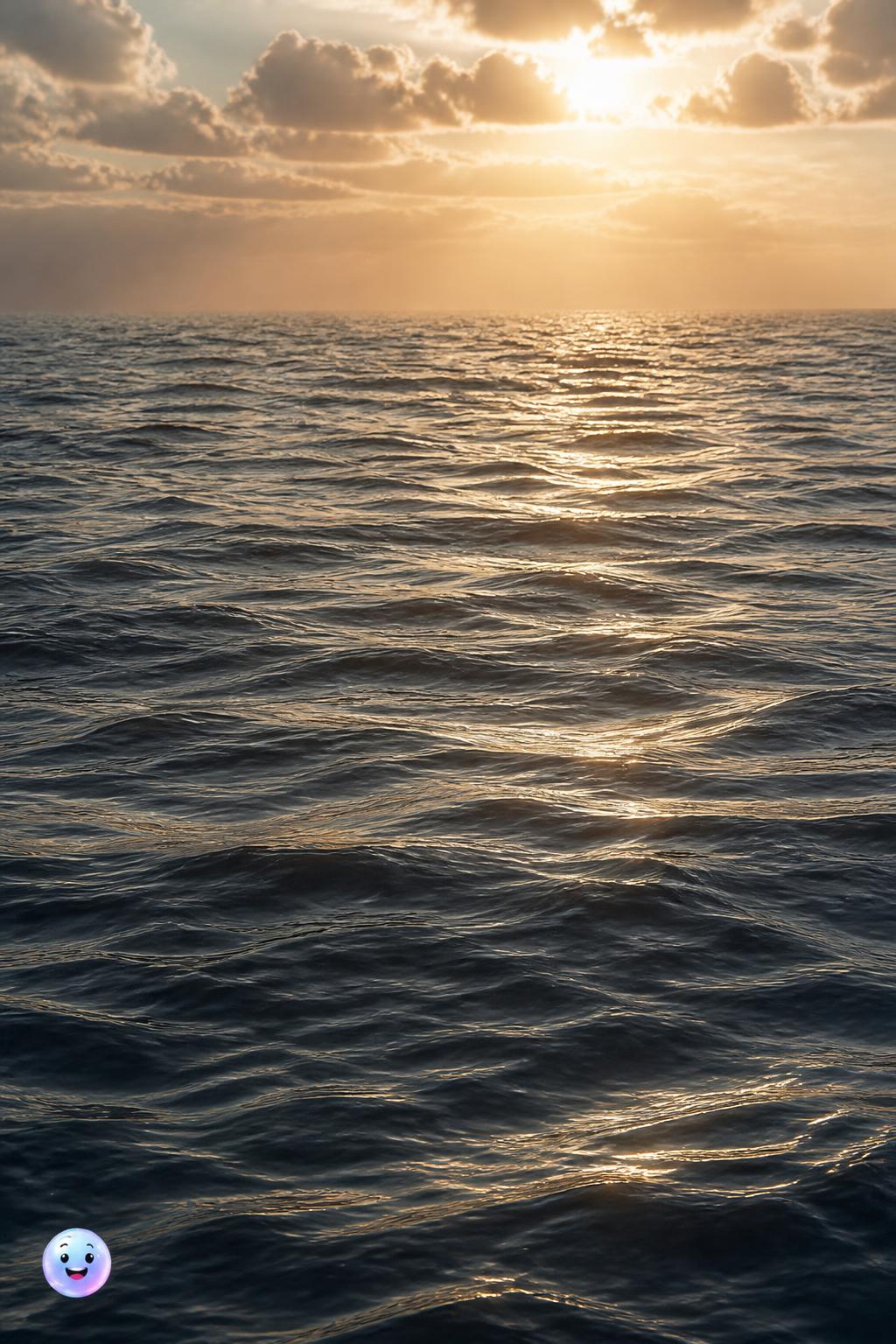
choko Celmins based her infinite ocean drawings on photographs taken in Venice, California.
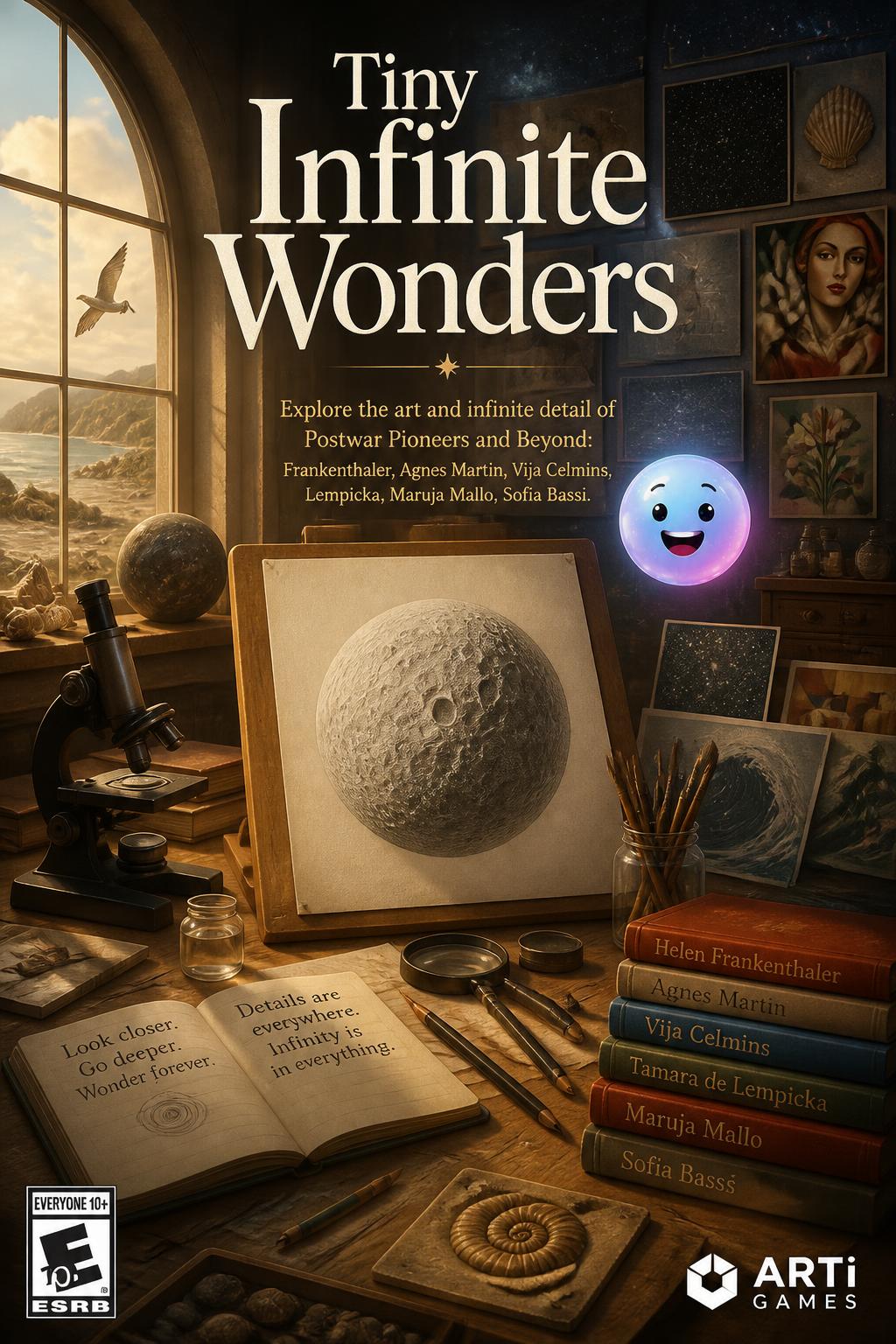
choko Match the detailed textures to discover how postwar women artists captured the infinite.
Eraser art: Vija Celmins often draws by covering a paper in dark charcoal and using erasers to carve out the white stars.
A soft, dark gray form of carbon used as a writing and drawing material. In 1968, Vija Celmins began using this medium to draft highly detailed, horizonless drawings of ocean waves.
In which European city was artist Vija Celmins born before her family fled during World War II?
What term does Vija Celmins use to describe her slow, meticulous process of translating a photo to canvas or paper?
Why did Vija Celmins intentionally omit horizons and coastlines from her ocean and desert drawings?
From which California pier did Vija Celmins take the photographs that inspired her famous ocean wave drawings?
Where did Vija Celmins find the original stones she used for her famous bronze-cast sculpture?
What is the title of Vija Celmins's famous sculpture featuring eleven real stones and eleven painted bronze duplicates?
How does Vija Celmins create the tiny, glowing stars in her intricate night sky paintings?