
Chapter 1
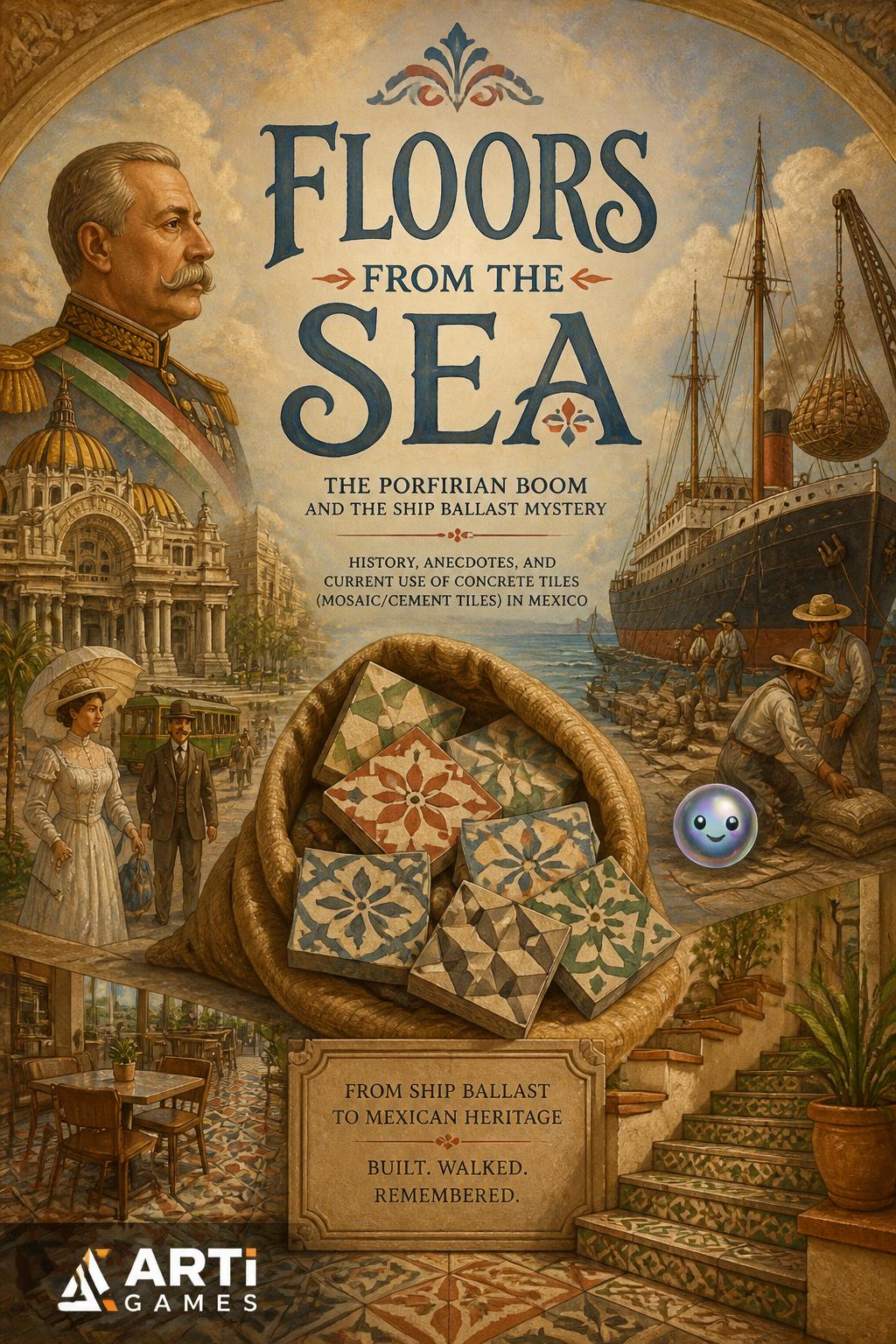
The Porfirian boom and the ship ballast mystery
Chapter 2
The alchemy of the trepa and the hydraulic press
Chapter 3
The great mosaiquera crisis and the modern revival
YOUR GOAL
Master of Walking on art with Mexico's historic cement tiles
Ch 1 · The Porfirian boom and the ship ballast mystery
choko Handcrafted cement tiles became the ultimate status symbol in Porfirio Díaz's Mexico.
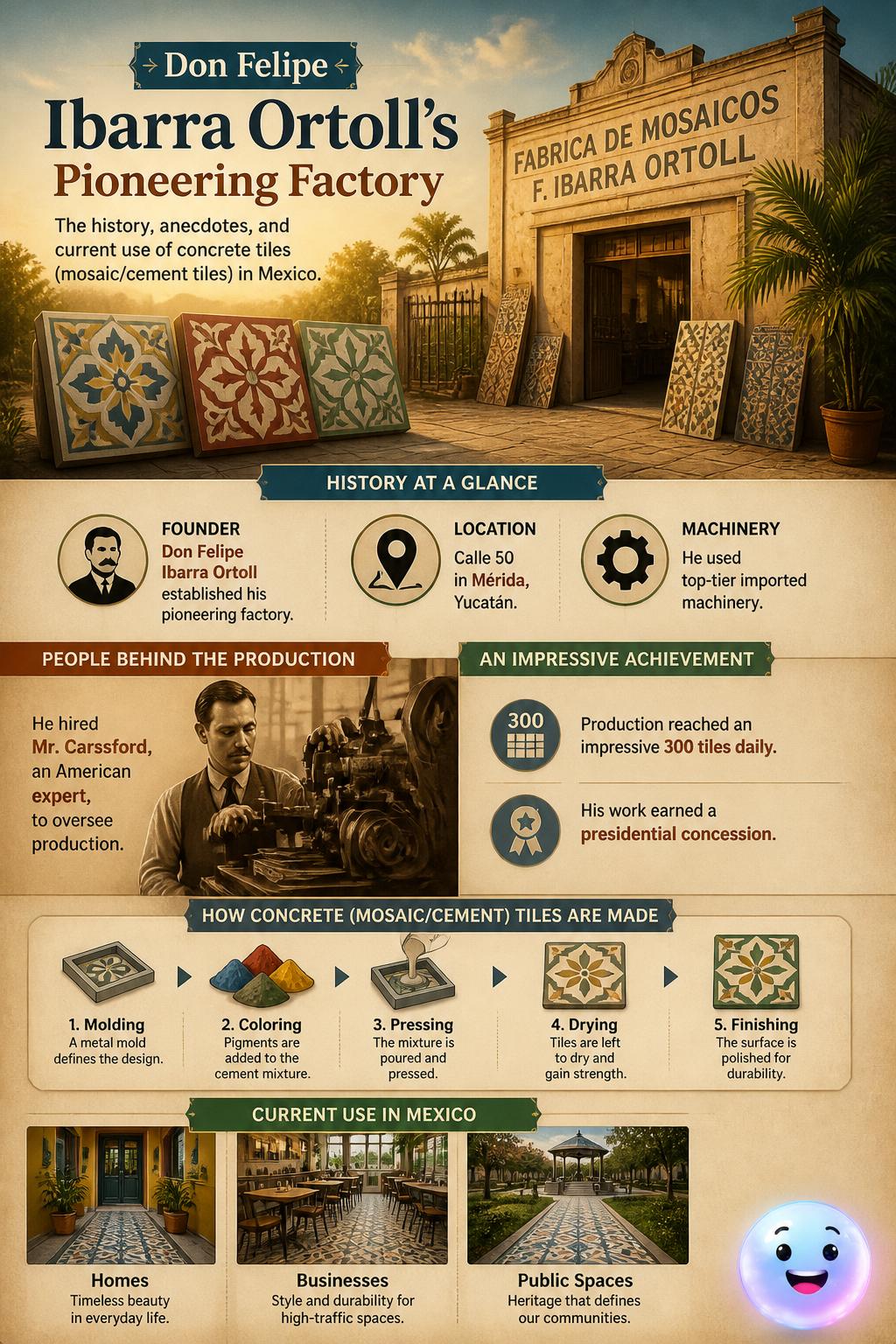
choko In 1882, Felipe Ibarra Ortoll founded Mexico's first hydraulic tile factory in Mérida.
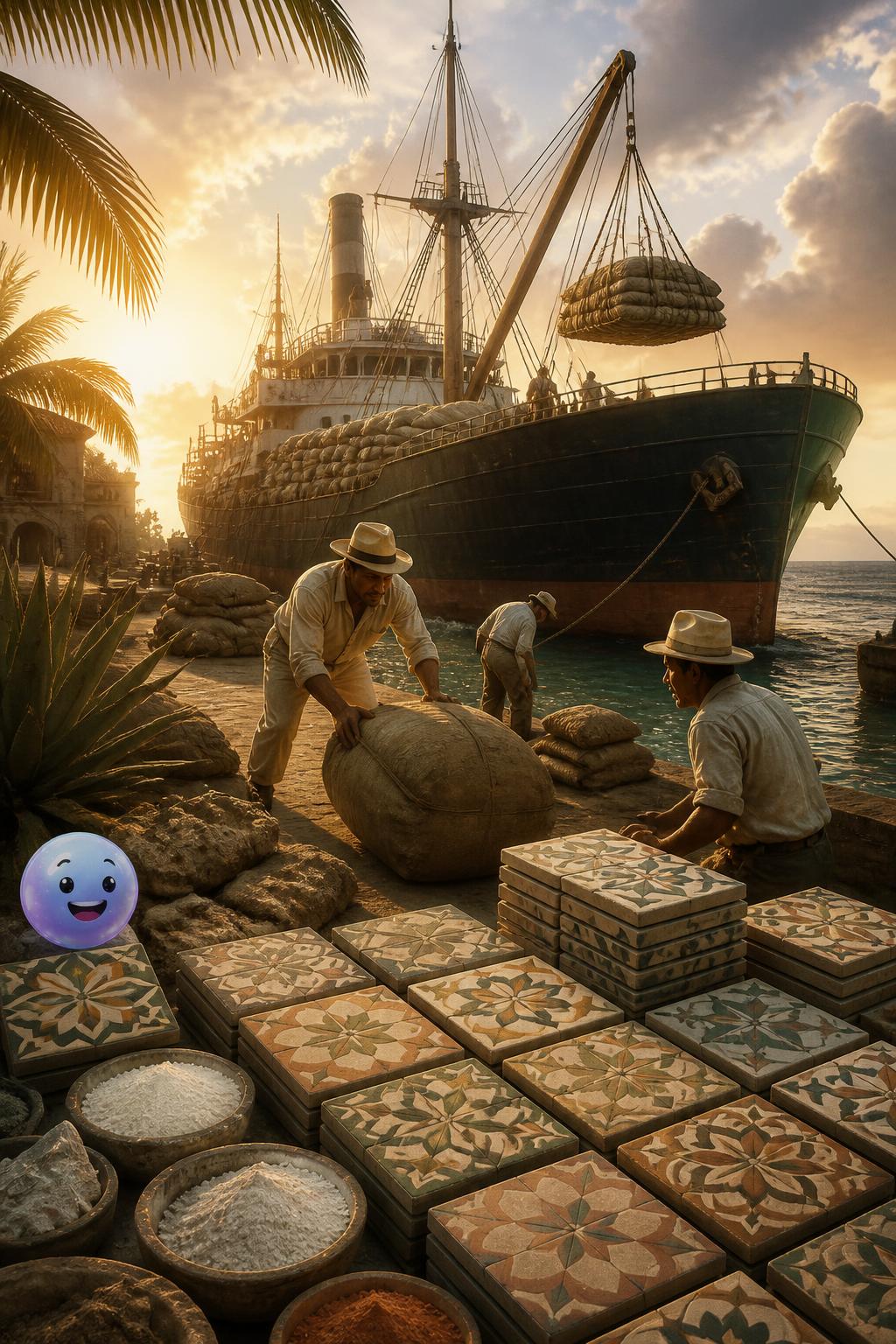
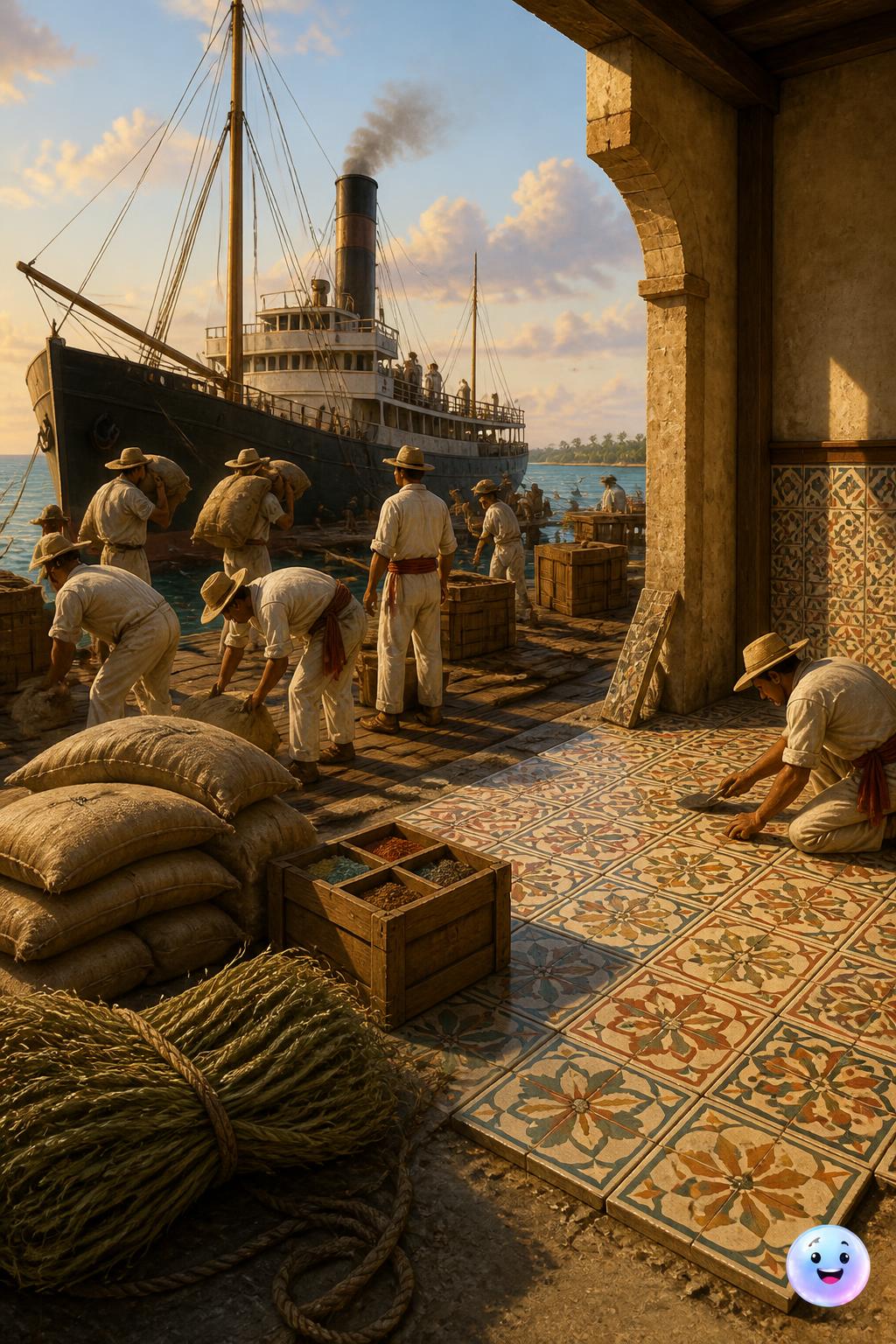
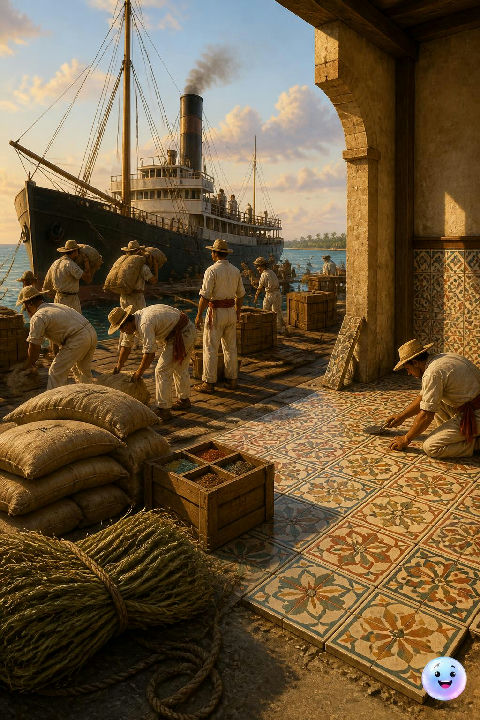
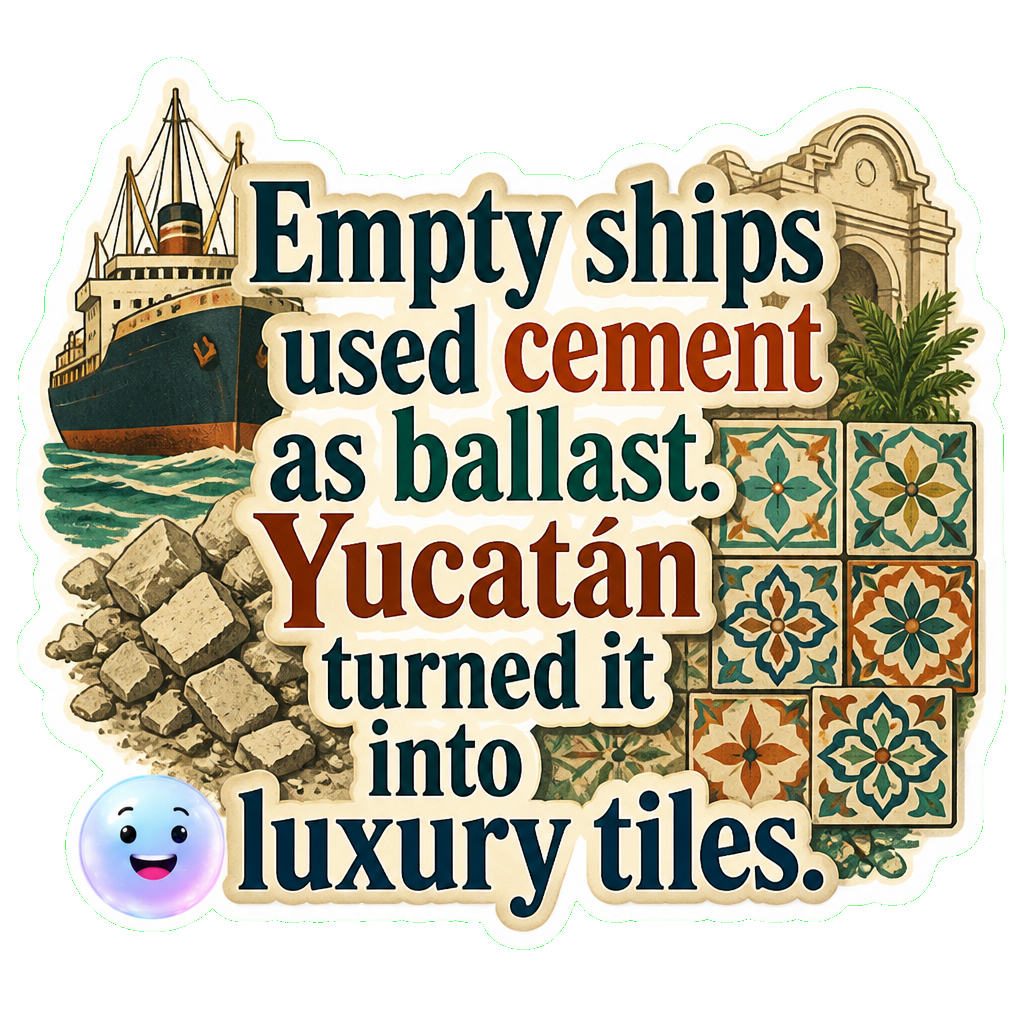
choko Empty European cargo ships traveling to Mexico used cement tile ingredients as essential ballast.
BETA
choko Arrange colorful mosaic tiles to learn how concrete floors became a Mexican art form.
Fun Fact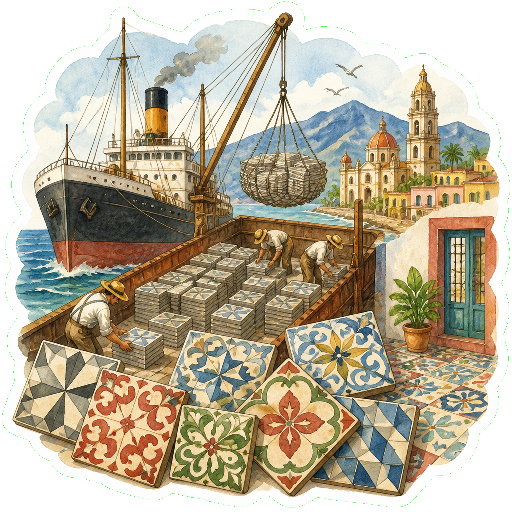
Ship ballast tiles: Ships carrying empty cargo to Mexico filled their hulls with cement tile ingredients to stay stable during rough ocean voyages.
Glossary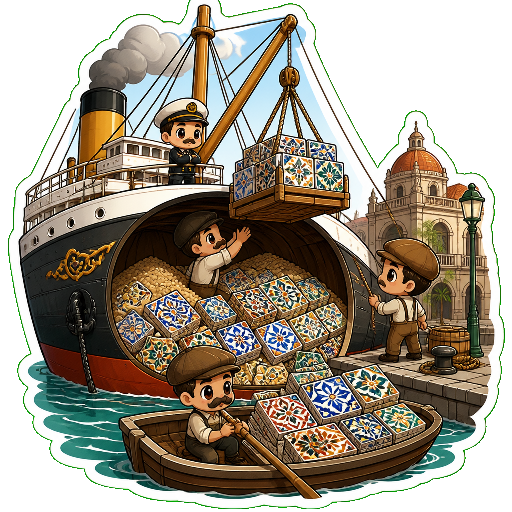
ballast (noun)
Heavy material, such as gravel, sand, or iron, is placed in the bilge of a ship to ensure stability. During the Porfiriato, European ships allegedly carried decorative cement tiles as ballast to Mexican ports.
Heavy material, such as gravel, sand, or iron, is placed in the bilge of a ship to ensure stability. During the Porfiriato, European ships allegedly carried decorative cement tiles as ballast to Mexican ports.
Quiz
What is the traditional Spanish term used in Mexico for these hand-pressed cement tiles?
Quiz
Which Mexican historical era, spanning from 1876 to 1911, popularized cement tiles as a status symbol?
Quiz
Why did cement tiles become highly popular in the Yucatán peninsula over ceramic tiles?
Quiz
What unusual role did early cement tile ingredients play on ships traveling to the Yucatán?
Quiz
In what year did Don Felipe Ibarra Ortoll open Mexico's first cement tile factory in Mérida?
Quiz
Who was the American expert hired by Don Felipe Ibarra Ortoll to manage Mexico's first tile factory?
Quiz
In Yucatan, before cement tiles were introduced, what local material was combined with lime for floors?