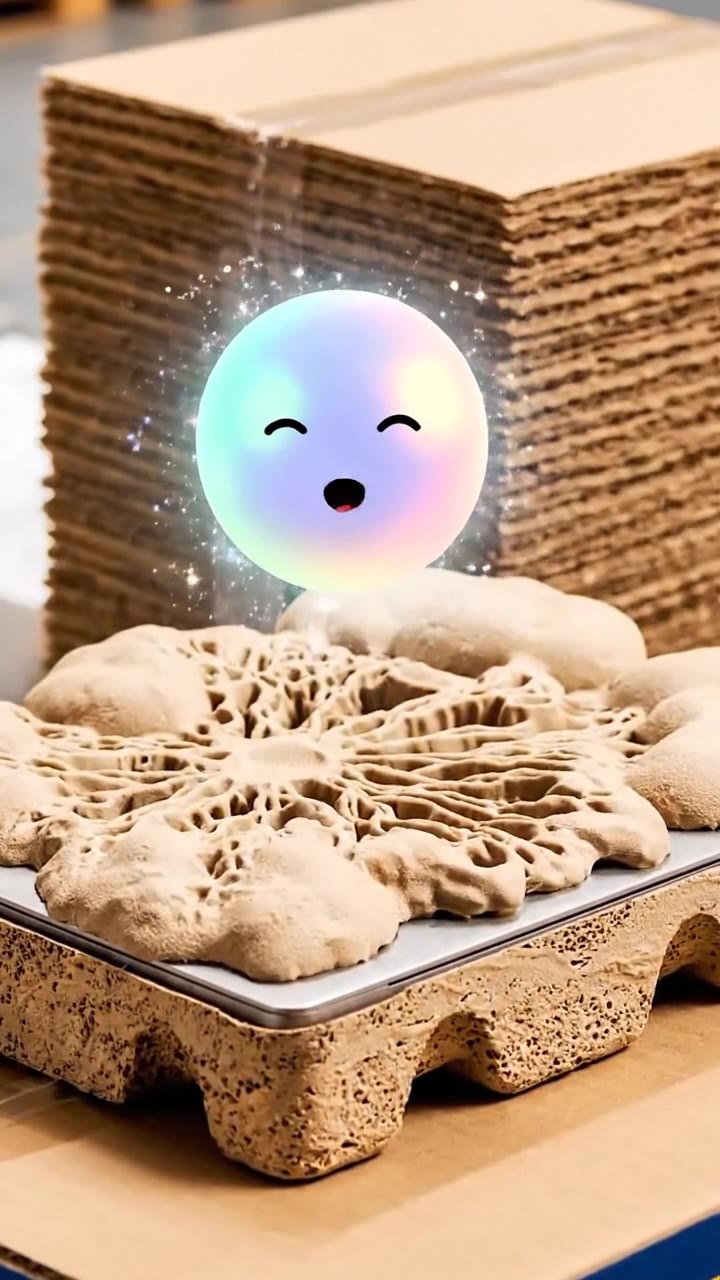
Fungal Packaging: Brands Embracing Fungi-Led Design
Companies like IKEA and Dell have integrated mycelium packaging into their global supply chains. By replacing plastic corner guards with grown fungal buffers, they eliminate tons of plastic waste annually. This shift demonstrates that bio-fabricated materials are scalable and commercially viable for global shipping.
Nature's ultimate glue
Replacing plastic and packaging
Building the future with fungi
Cleaning the earth and circular systems

sonia Explore the future of sustainable style with fungi-led design. Learn how fungal fashion is making its way onto the runway in this video.
Rapid decomposition: Unlike Styrofoam which lasts for centuries, mycelium packaging breaks down in a compost pile in just 45 days.
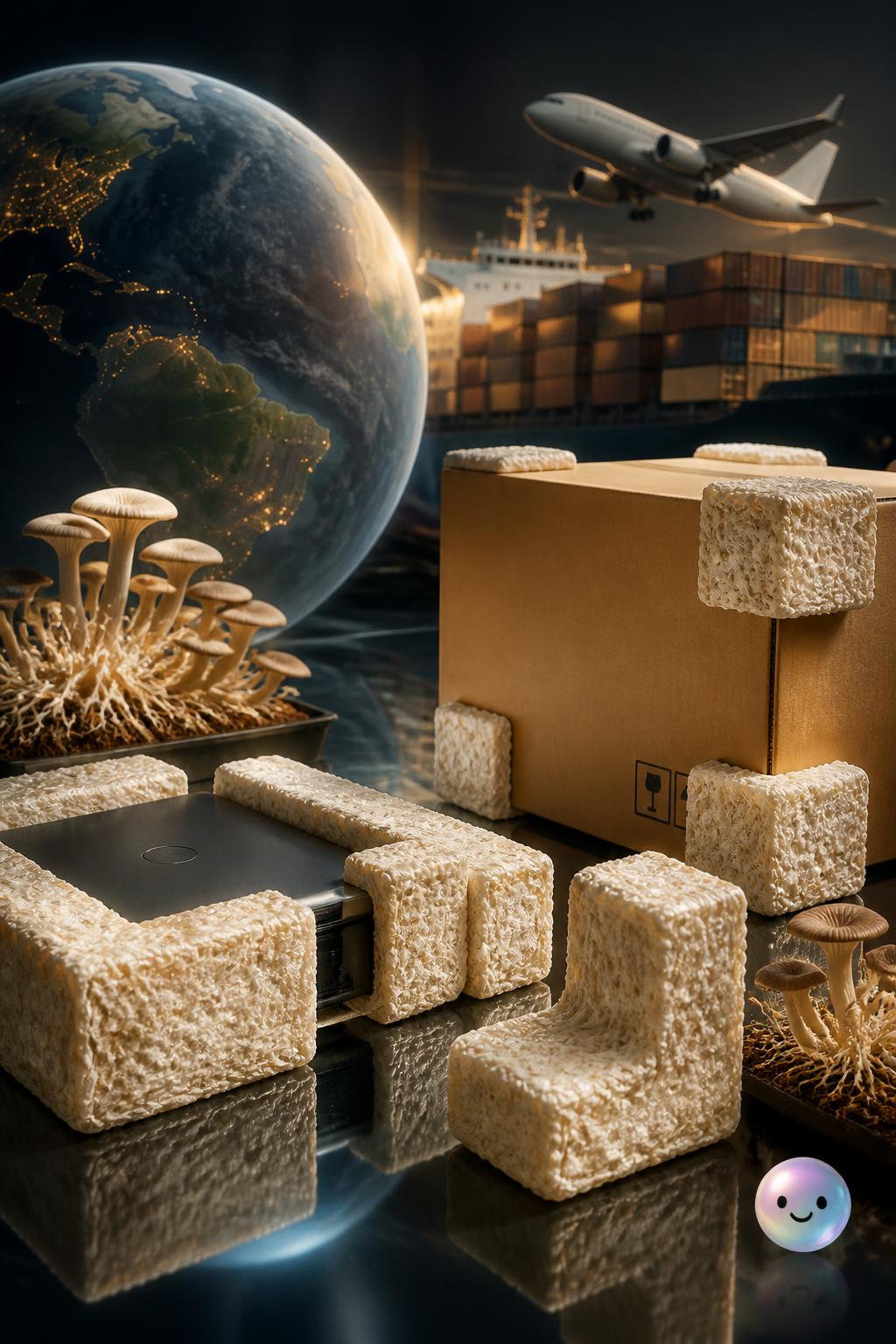
sonia Major multinational corporations are actively adopting mycelium packaging to reduce waste.
The vegetative part of a fungus, consisting of a network of fine white filaments called hyphae. In 2016, IKEA announced plans to adopt this material as a biodegradable replacement for polystyrene transport cushions.
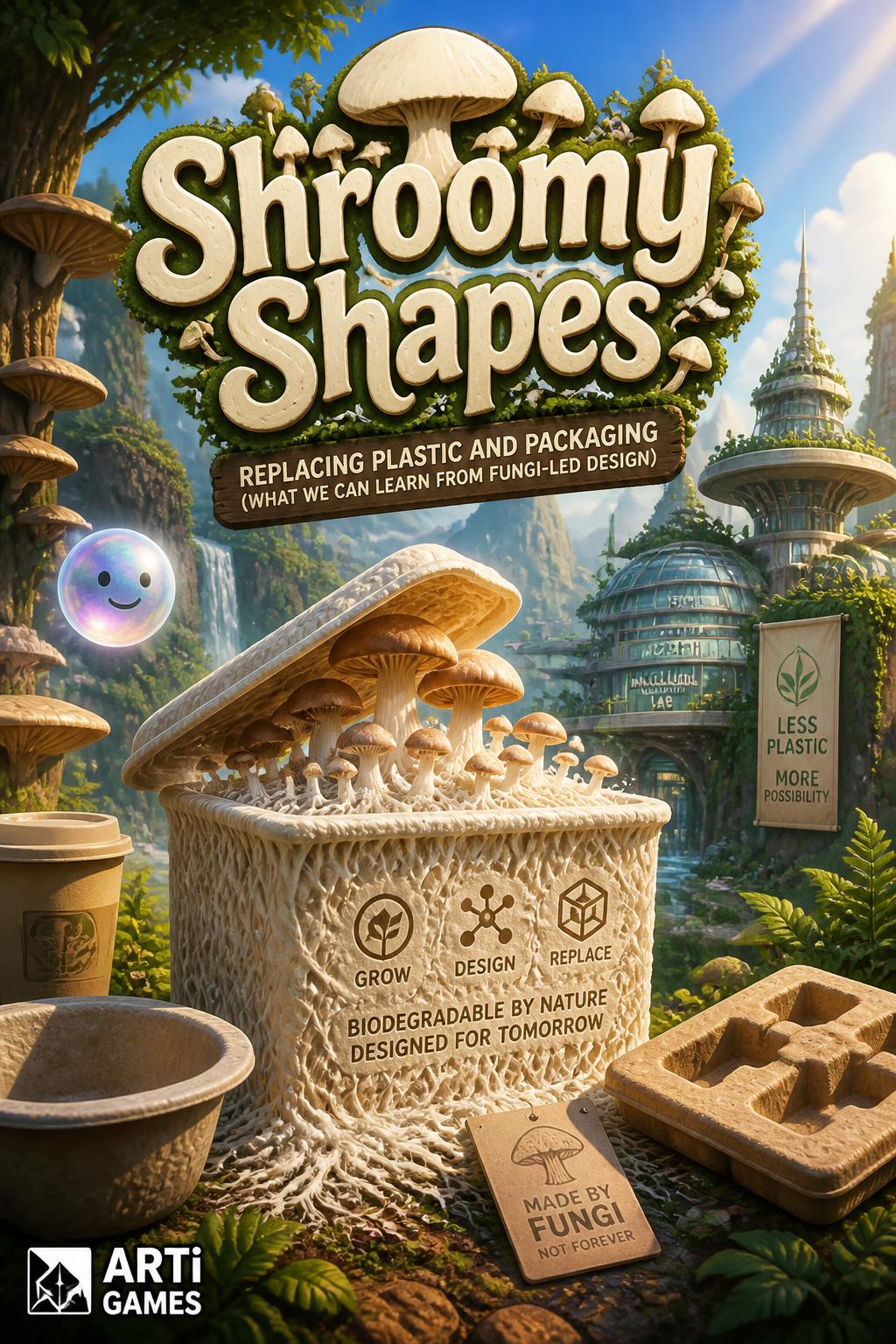
sonia Discover how fungi-led design is bringing an end to Styrofoam packaging and offering sustainable alternatives for the future of design.
sonia Discover how global brands are adopting fungal boxes and what sustainable packaging can learn from innovative fungi-led design.
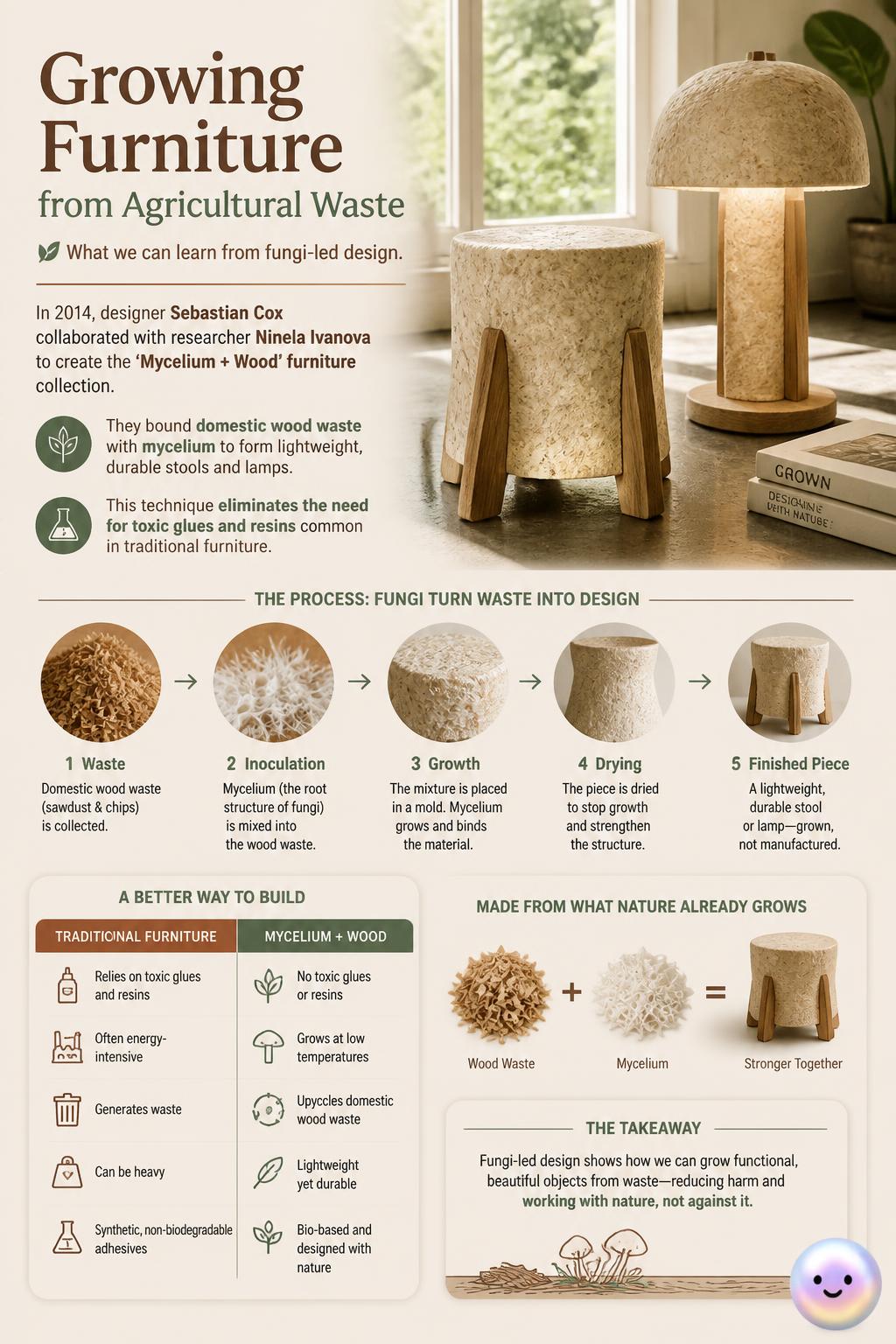
sonia Watch how designers use fungi and agricultural waste to grow sustainable furniture, and learn what biodesign teaches us about eco-friendly decor.
What is the primary environmental benefit of growing mycelium products over plastics?
Which Swedish furniture giant committed to replacing plastic packaging with mycelium?