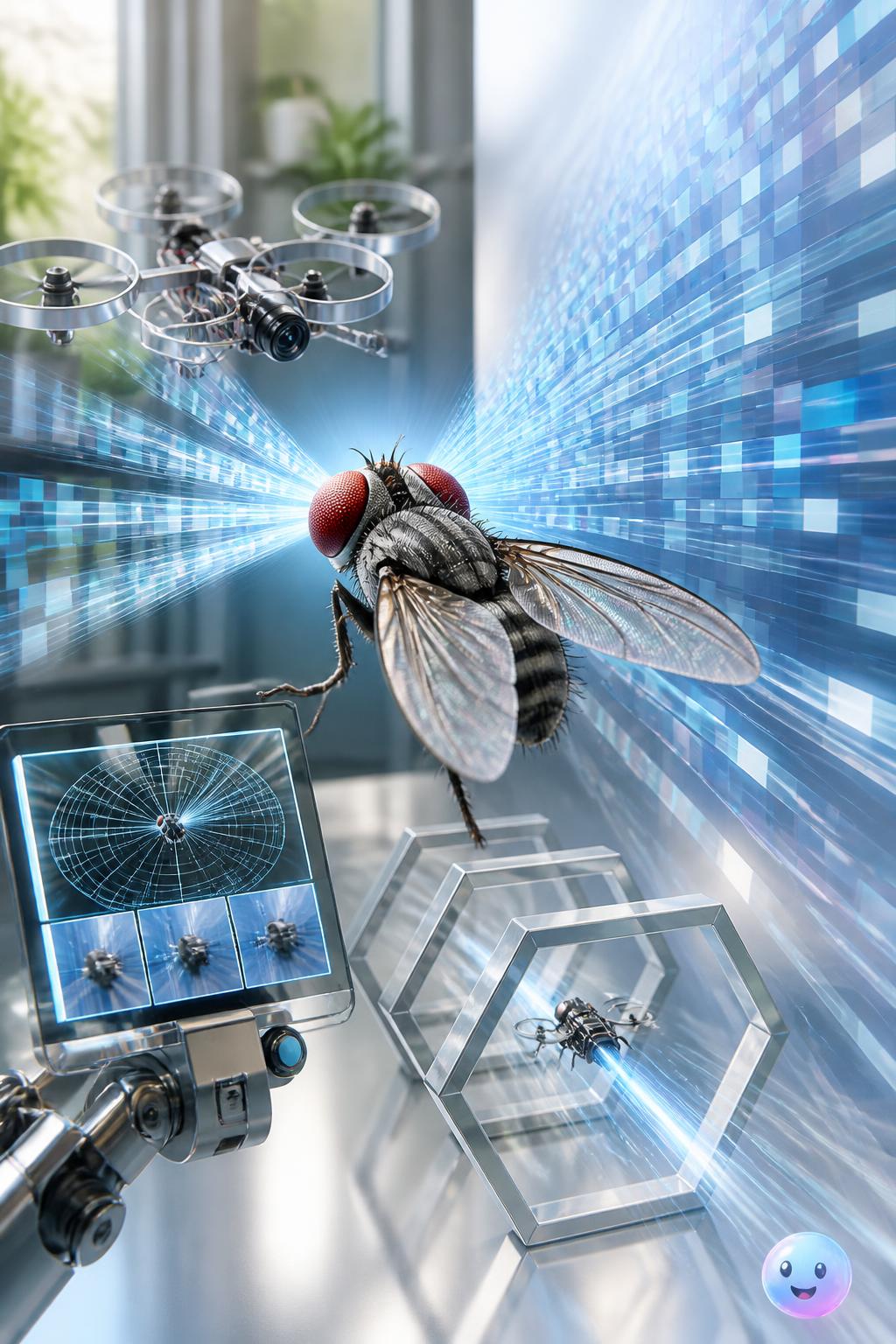
Bug eyes and super sensors
Shadows, lasers, and nocturnal hunters
Moving without a map
Cameras that work like brains
YOUR GOAL
Master of How nature taught computers to see
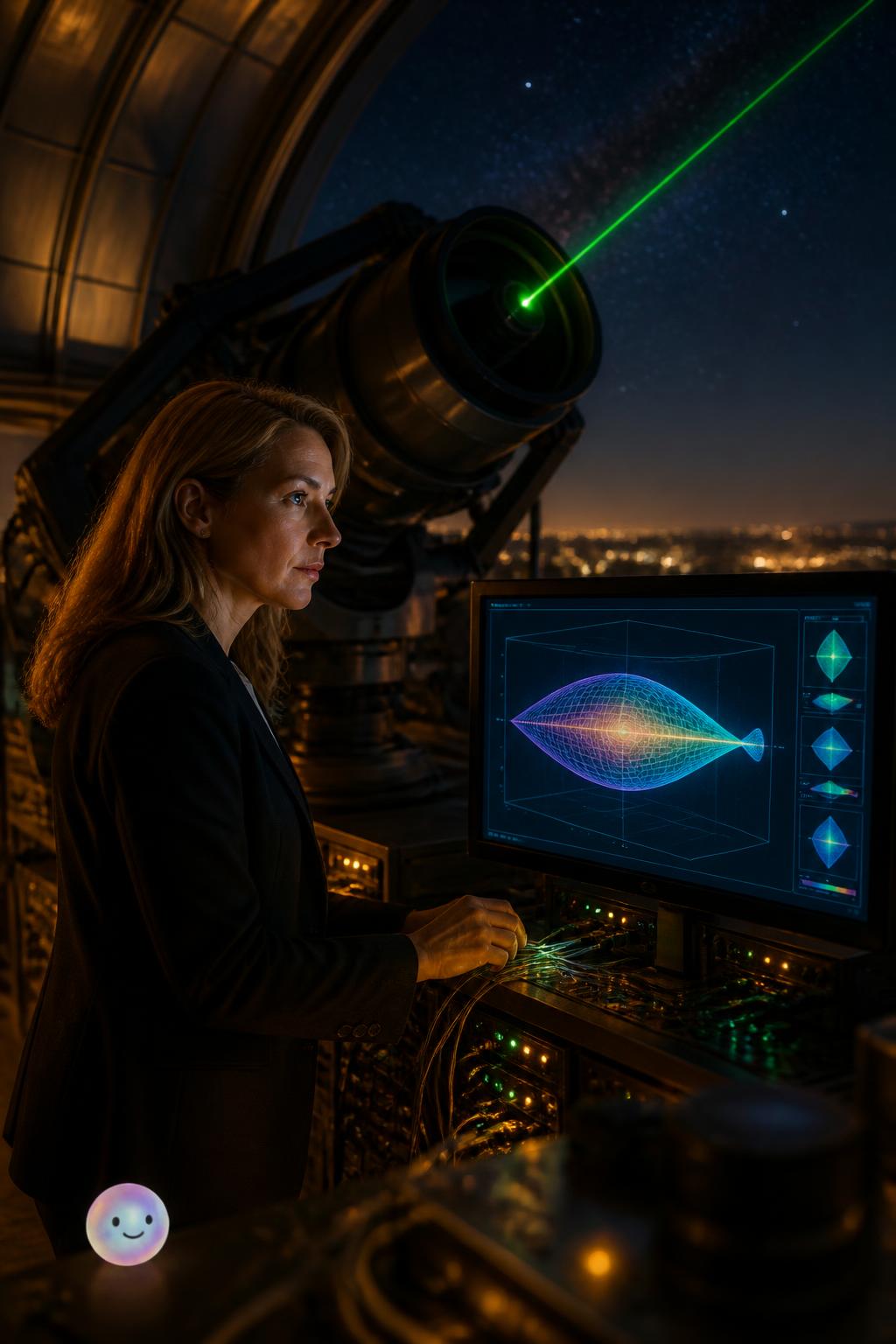
007skaty American lobsters navigate murky water using a unique reflective vision system.
007skaty Biomimetic Compound Eye Camera
This tiny bug-eye camera shoots super fast and forty times brighter in the dark!

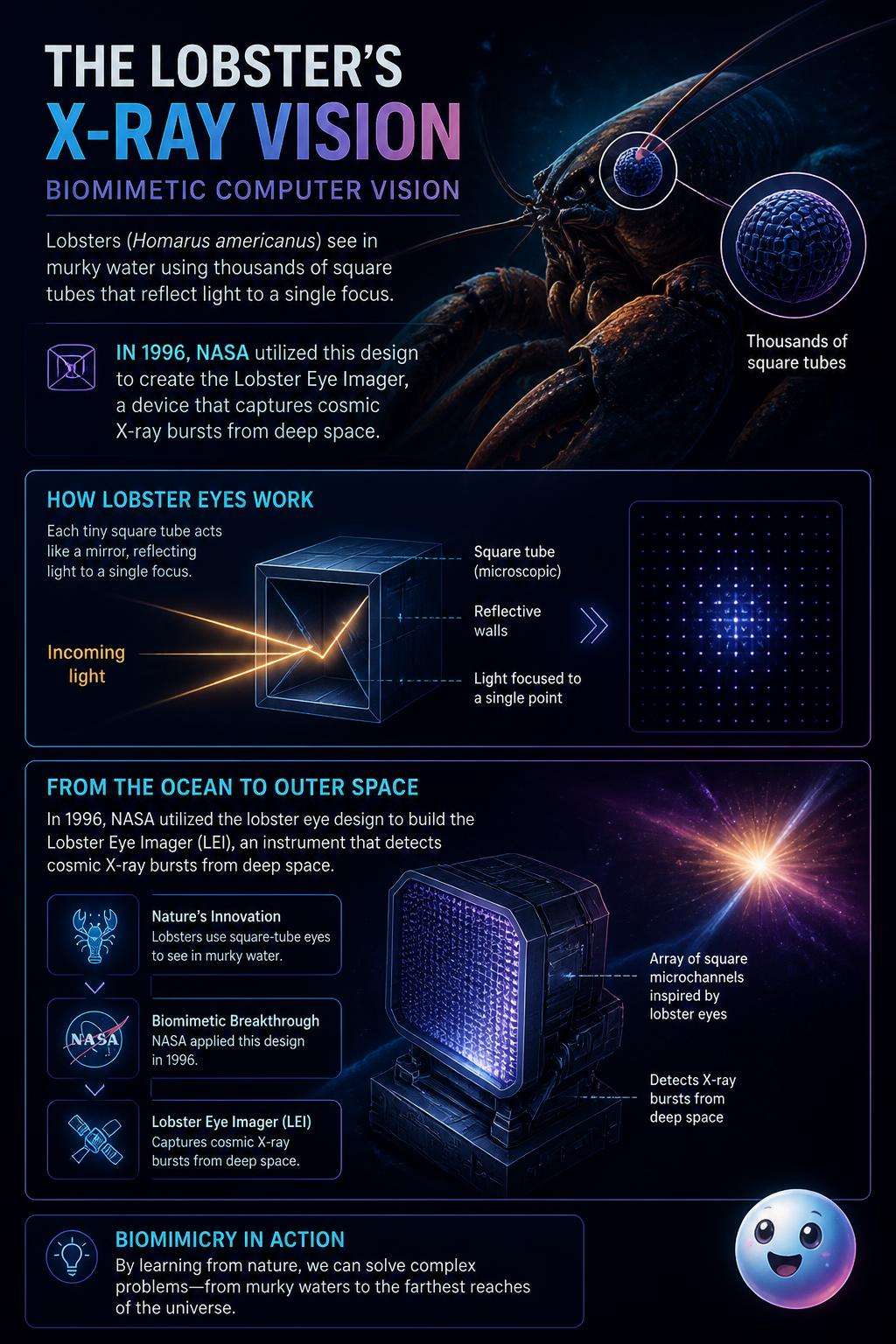
007skaty Thousands of square tubes help lobsters see in murky water, inspiring NASA's Lobster Eye Imager to capture cosmic
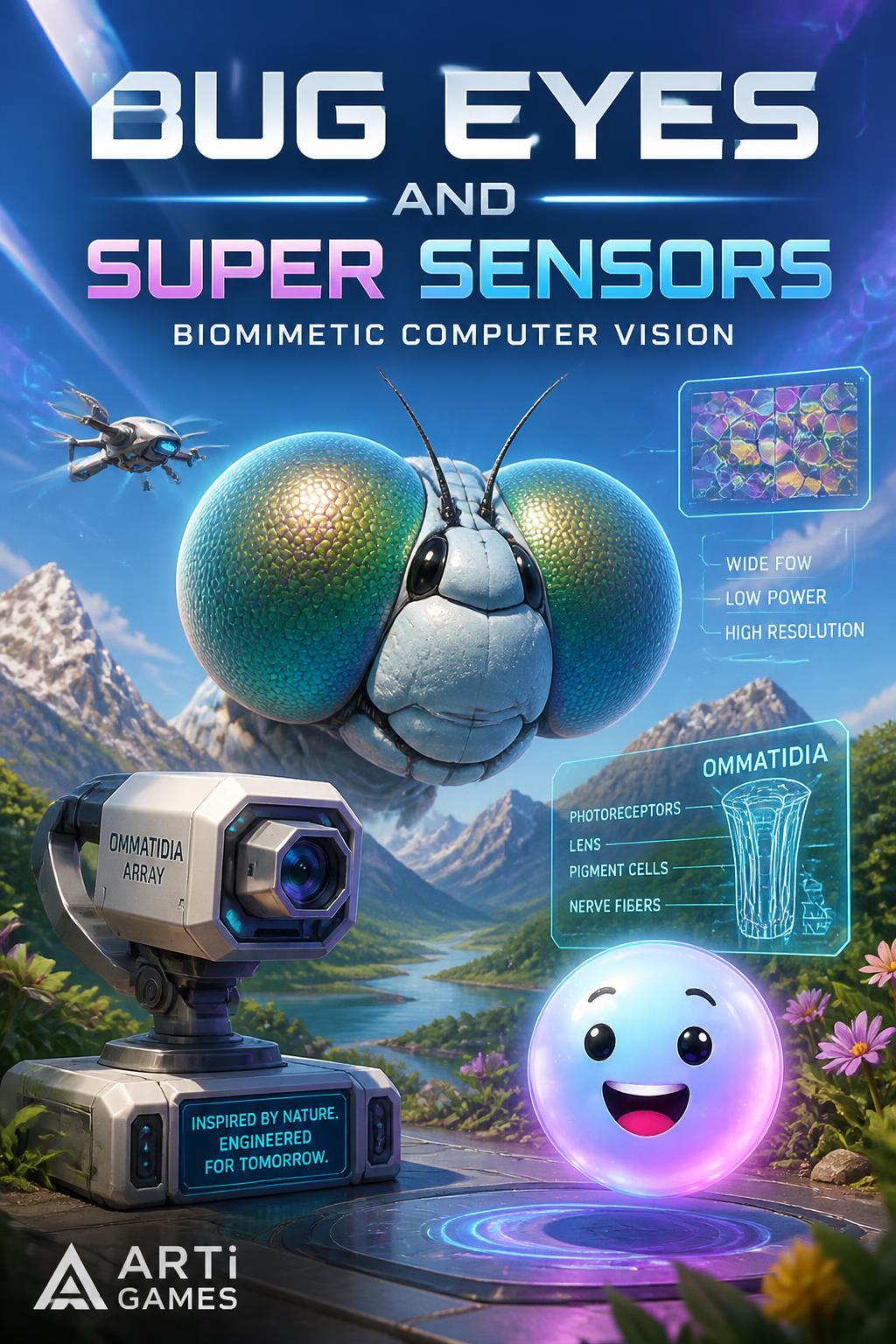
007skaty Assemble a multi-lens camera to discover how bug eyes inspire advanced digital sensors.
Mantis shrimp vision: Mantis shrimps can see polarized light and circular polarized light, a feat no other known animal on Earth can achieve.
A visual organ in arthropods consisting of numerous independent light-detecting units. In 2022, UCLA bioengineers developed a bionic camera array mimicking this insect visual structure.
What is the scientific name of the African dung beetle known for navigating by polarized light?
At roughly how many frames per second does a common housefly perceive visual information?
What unique optical feature of lobster eyes inspired NASA's Lobster Eye Imager telescope in 1996?
Which medical condition can be detected early using cameras inspired by the mantis shrimp's polarized vision?
Which celestial light source do African dung beetles use to navigate in straight lines?