Chapter 1
Sacred paths of Shinto and Buddhism
Chapter 2
The art of mindful living
Chapter 3
Traditional clothing and performance
Chapter 4
Culinary philosophy and etiquette
Chapter 5
Modern pop culture and global impact
YOUR GOAL
Master of Japanese cultural traditions
Ch 3 · Traditional clothing and performance
testeruserbrain Kabuki Stage Costume Changes
Threads get pulled, silks slide down, brand new colors take the crown!
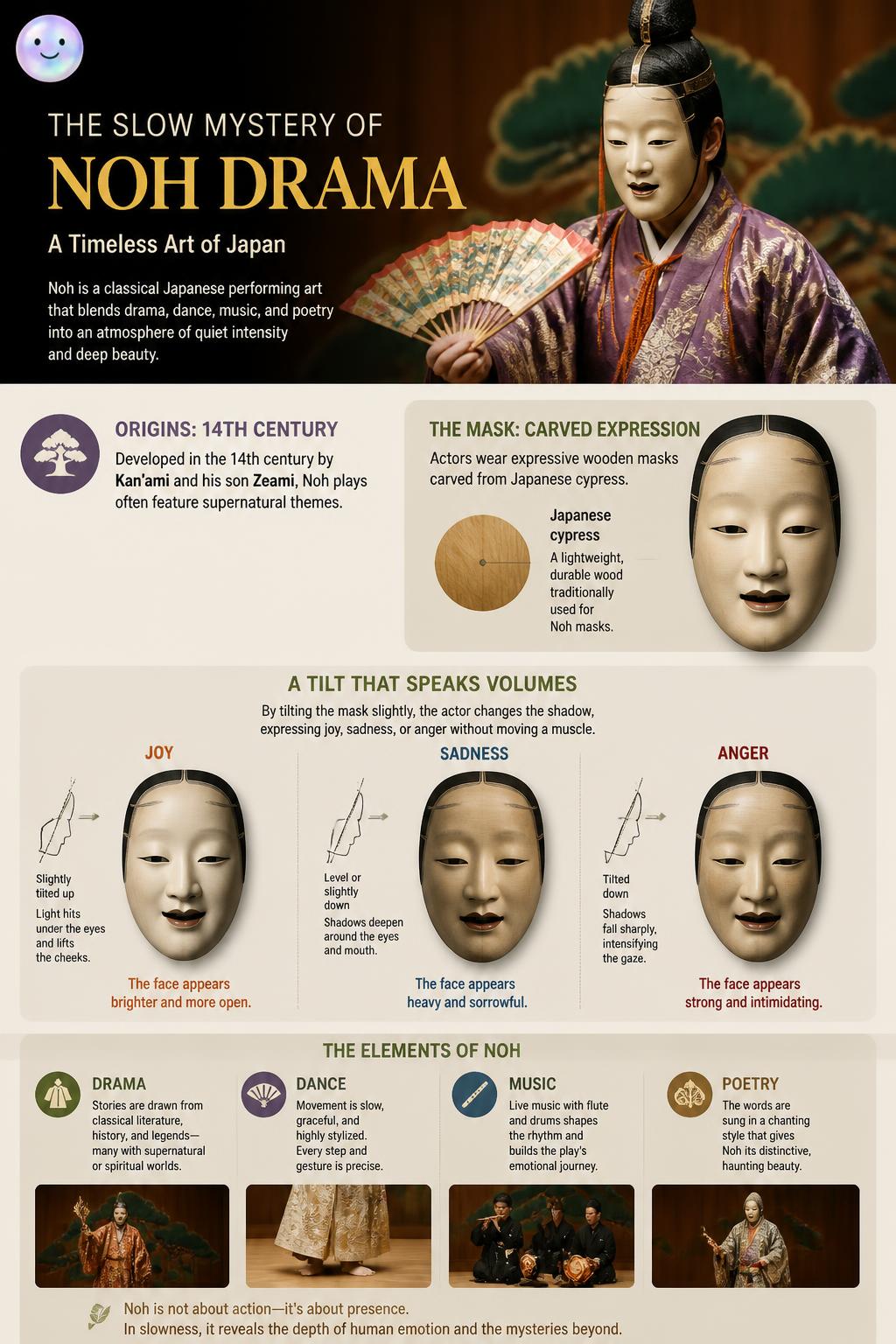
testeruserbrain Noh is one of the world's oldest surviving theater arts, utilizing hand-carved wooden masks and slow, poetic movements.
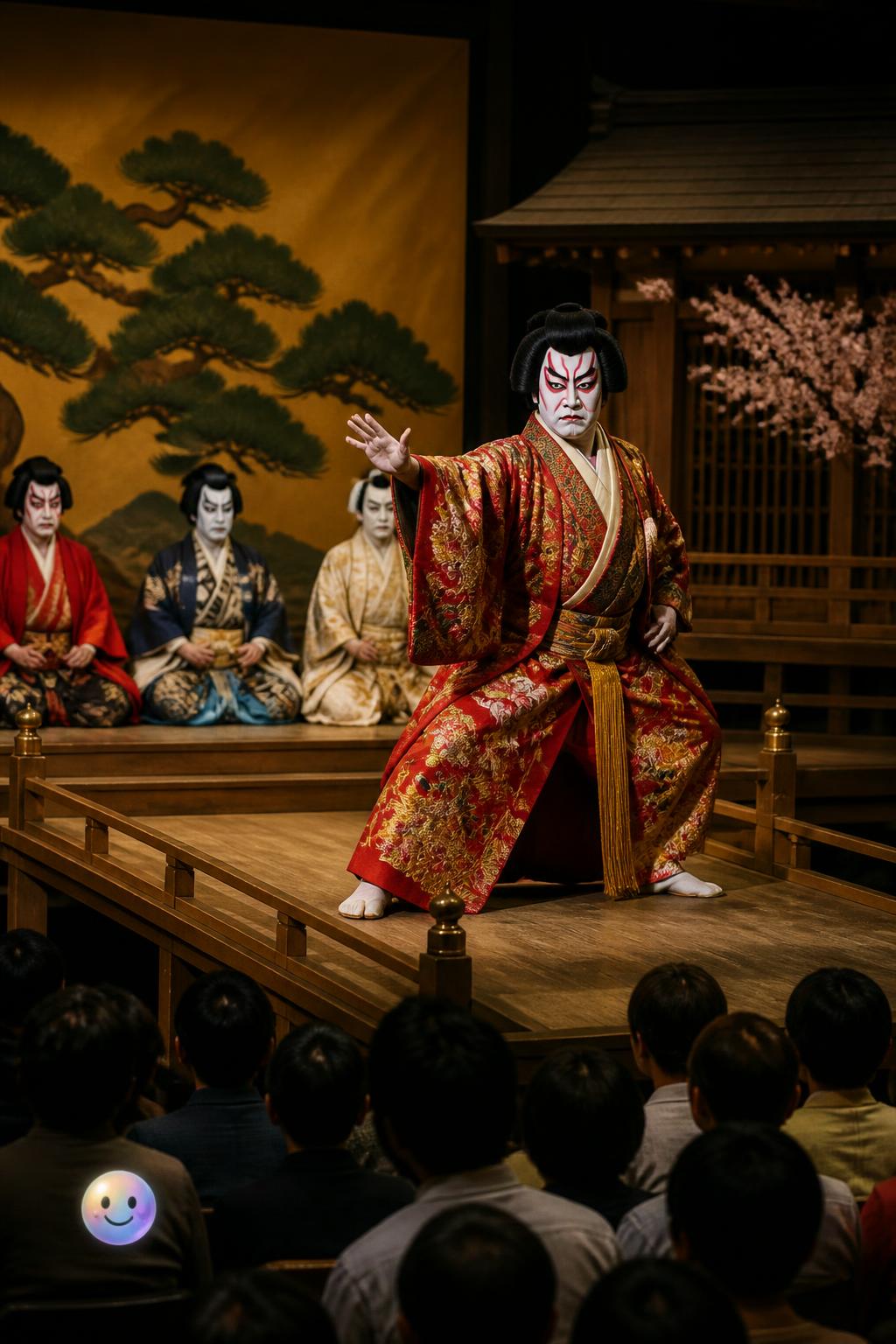
testeruserbrain Kabuki is a classical Japanese dance-drama known for its stylized performances, glamorous costumes, and elaborate makeup.

BETA
testeruserbrain Drag and layer traditional garments to master the art of Japanese kimono dressing.
Fun Fact
Cypress masks: Noh theater masks are carved from a single piece of cypress wood and can show different emotions just by tilting.
Glossary
kimono (noun)
A traditional Japanese robe with wide sleeves, typically tied with a sash. Kabuki performers have worn these elaborate silk garments since the seventeenth century to portray stylized characters.
A traditional Japanese robe with wide sleeves, typically tied with a sash. Kabuki performers have worn these elaborate silk garments since the seventeenth century to portray stylized characters.
Quiz
How many separate fabric pieces can be required to wear a formal, traditional Japanese woman's kimono?
Quiz
What is the name of the wide sash or belt tied around a traditional Japanese kimono?
Quiz
What is the term used for apprentice geishas in Kyoto who are undergoing intensive training?
Quiz
In Japanese Kabuki makeup, what does the color blue painted on an actor's face traditionally represent?
Quiz
What material is traditionally used to carve the expressive masks worn by actors in Japanese Noh theater?
Quiz
Which year marks the historical ban on women performing in Japanese Kabuki theater, leading to all-male casts?
Quiz
Which traditional stringed instrument is most commonly played by geishas during their performances in Japan?