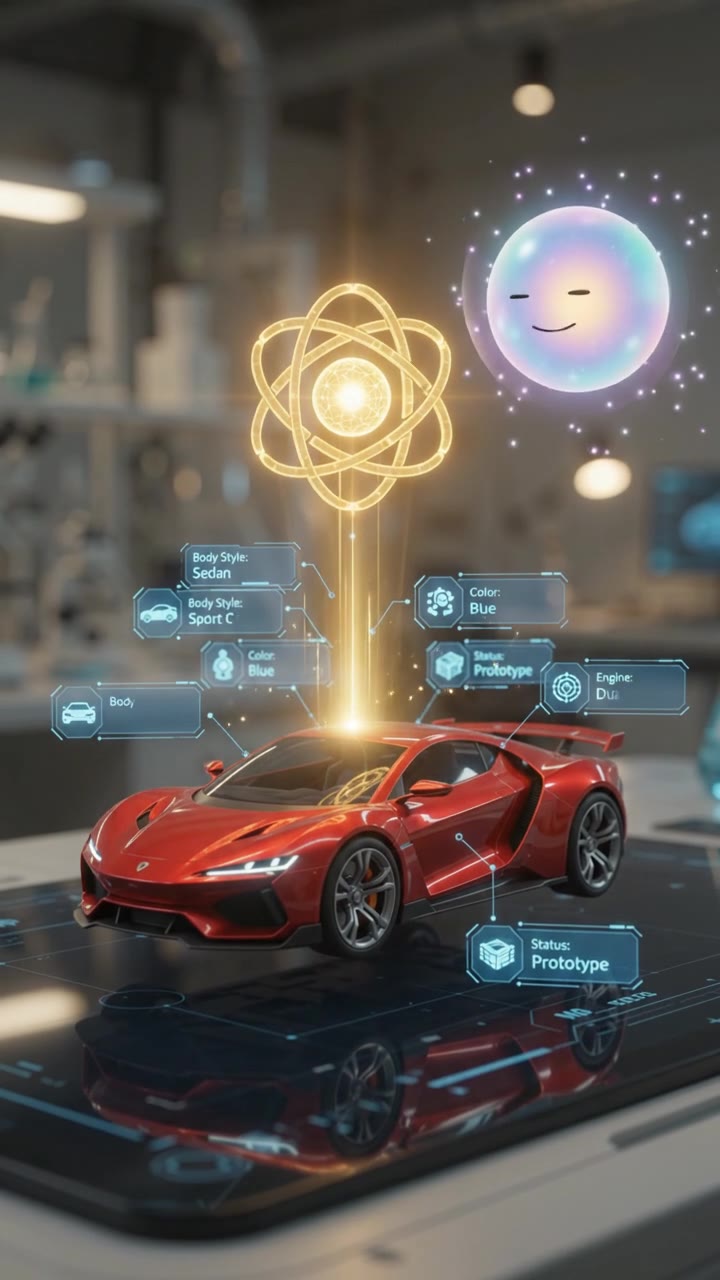
Lifelong Identity of Entities in Domain-Driven Design
In software, some things must be tracked individually over time. In Domain-Driven Design, these are called "Entities." For example, a "User" is an Entity because they have a unique ID (like an email address or username). Even if they change their name, phone number, and password, they are still the exact same user. Their identity is continuous and lifelong.
The blueprint of shared language
Drawing the borders
The building blocks of the model
Putting DDD to work

sonia Entities like a User maintain a lifelong identity in software even if their name and password change.
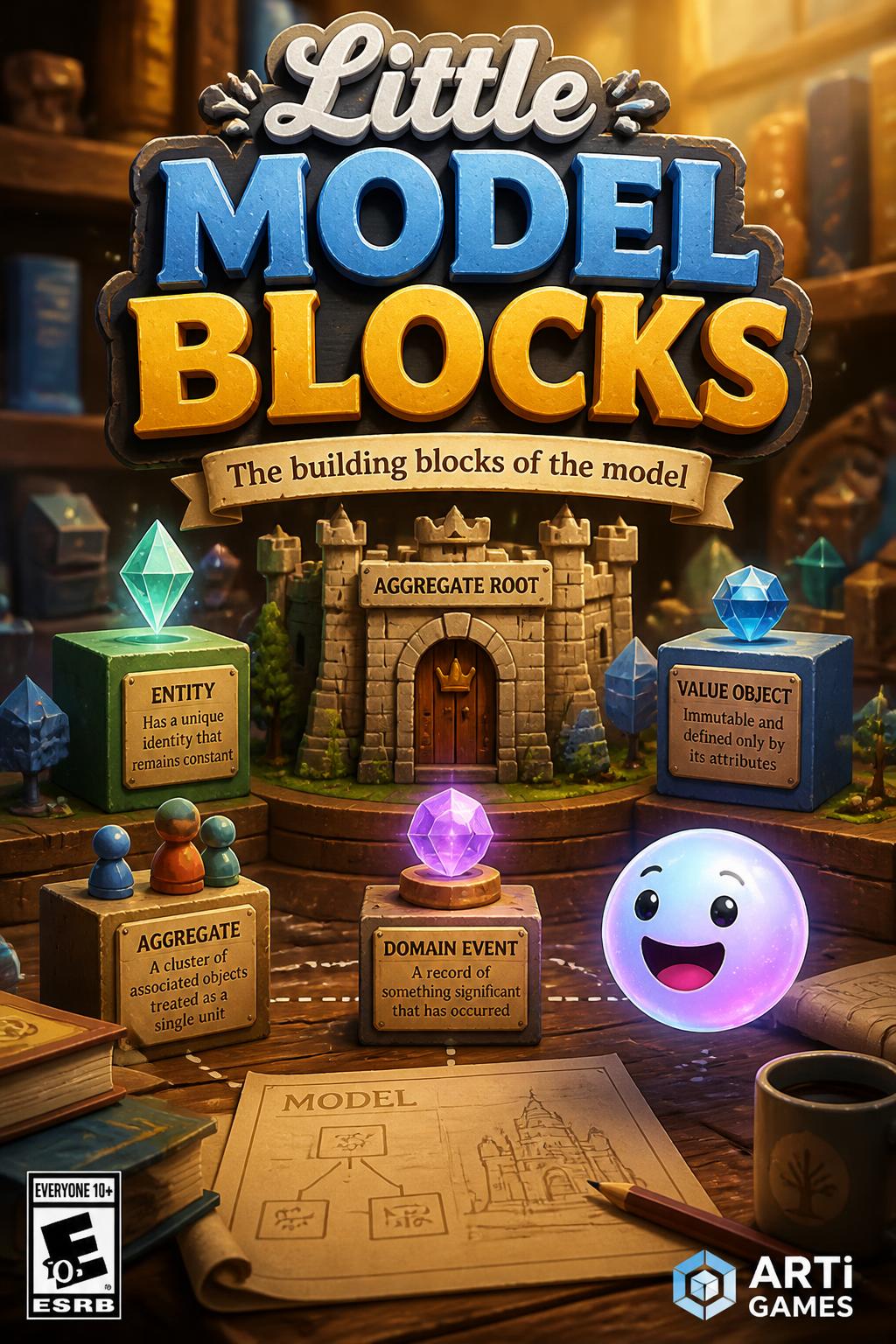
sonia Classify domain concepts as entities or value objects to learn domain-driven design building blocks.
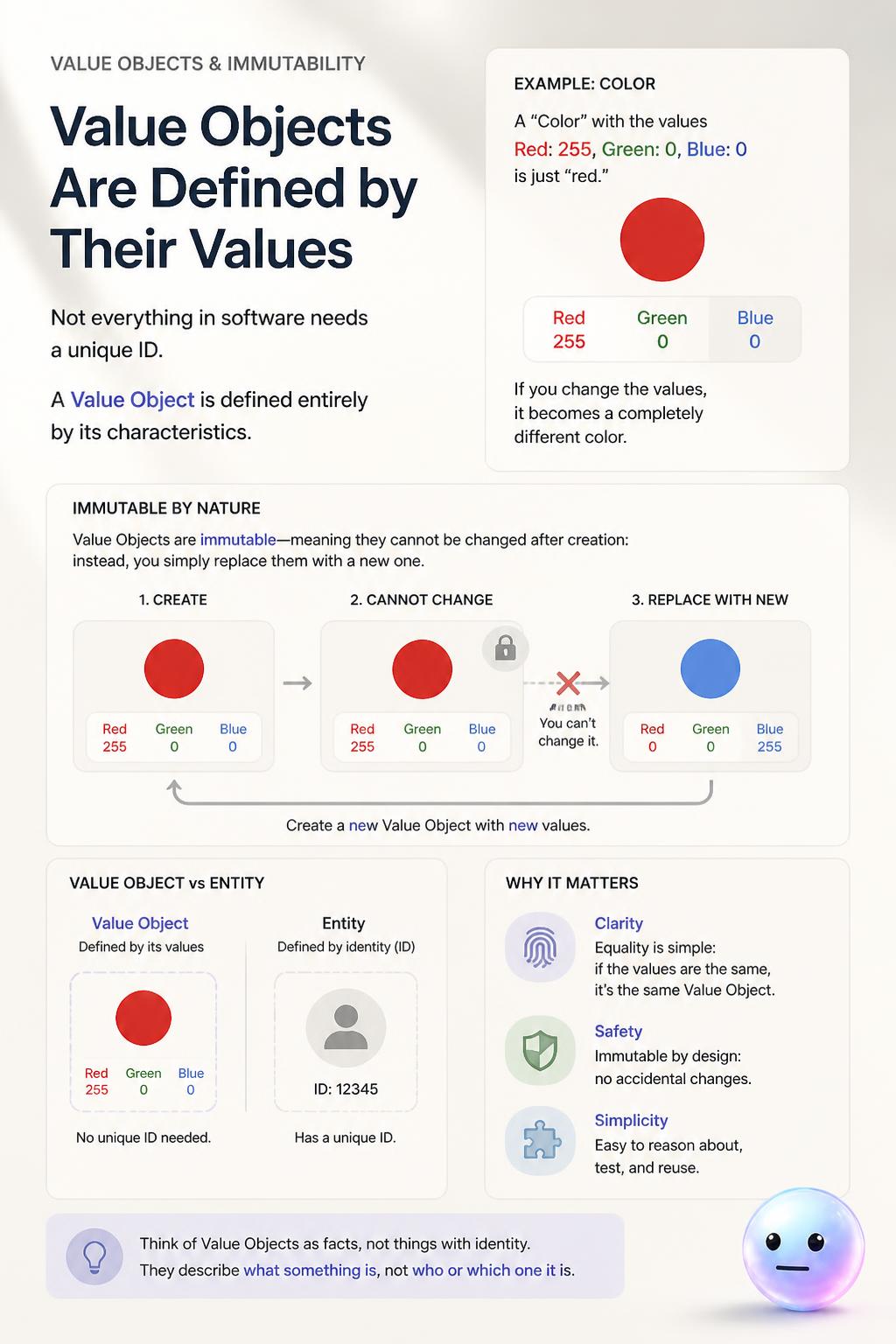
sonia Value Objects define software elements by their characteristics rather than unique IDs, staying completely immutable once you create them.
Which of the following is a key characteristic of a "Value Object" in Domain-Driven Design?
If two "Address" objects in a system have the exact same street, city, and zip code, and are treated as completely identical, how should they be modeled in DDD?

Money as a value: In software, money is almost always modeled as a Value Object containing both an amount (e.g., 10) and a currency (e.g., USD), ensuring you can never accidentally add 10 Dollars to 10 Euros!
What software design pattern is used to reconstruct or retrieve an entire Aggregate from a database in Domain-Driven Design?