BETA
YOUR GOAL
Master of The Eastern Orthodox Church
renaissanceman Match the symbolic colors to each saint to master the secret language of Orthodox icons.
renaissanceman Eastern Orthodox Church Icons
Windows to heaven, windows to heaven, holy icons let grace in.
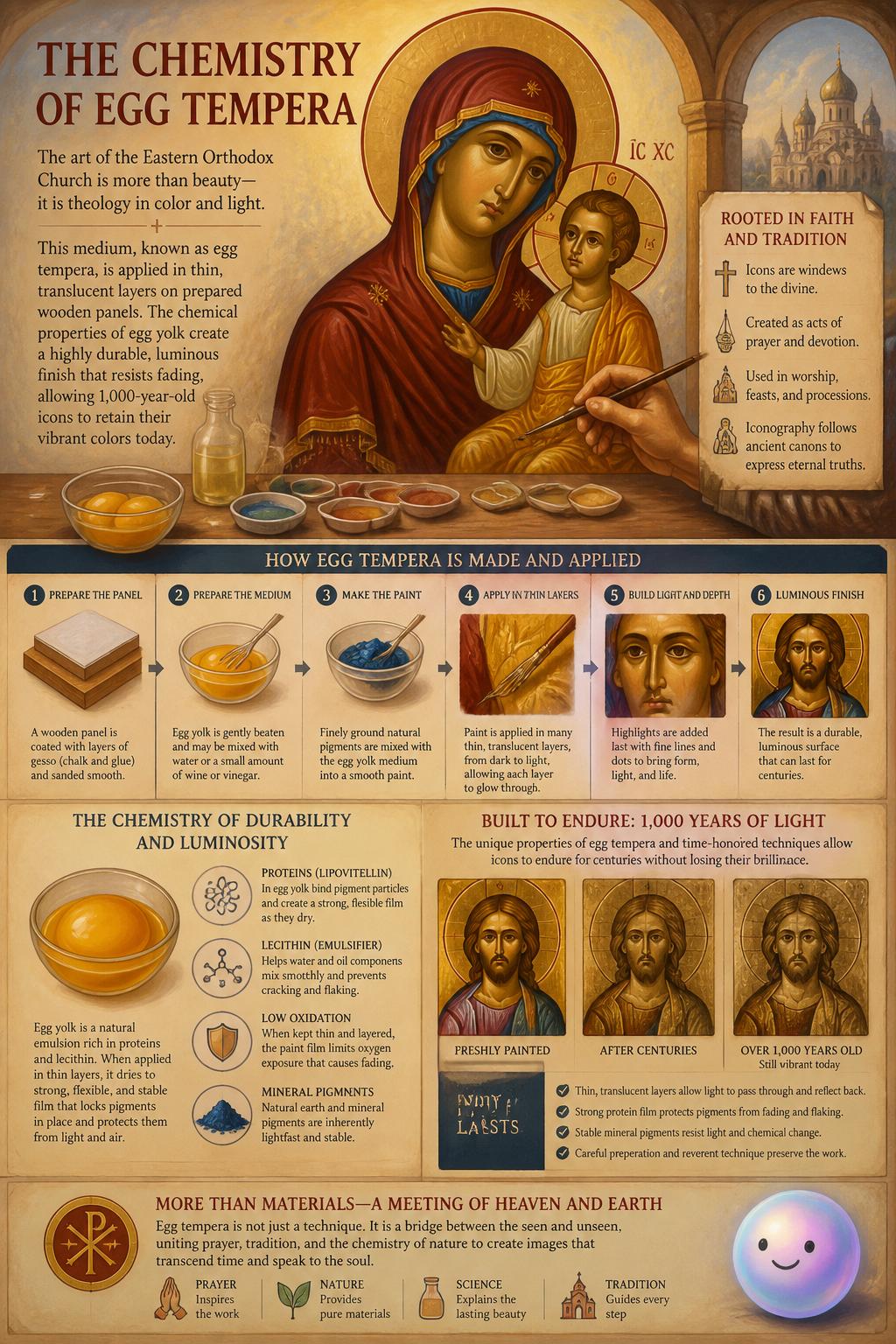
renaissanceman Orthodox iconographers use a traditional mixture of egg yolk, water, and natural mineral pigments to paint their masterpieces.
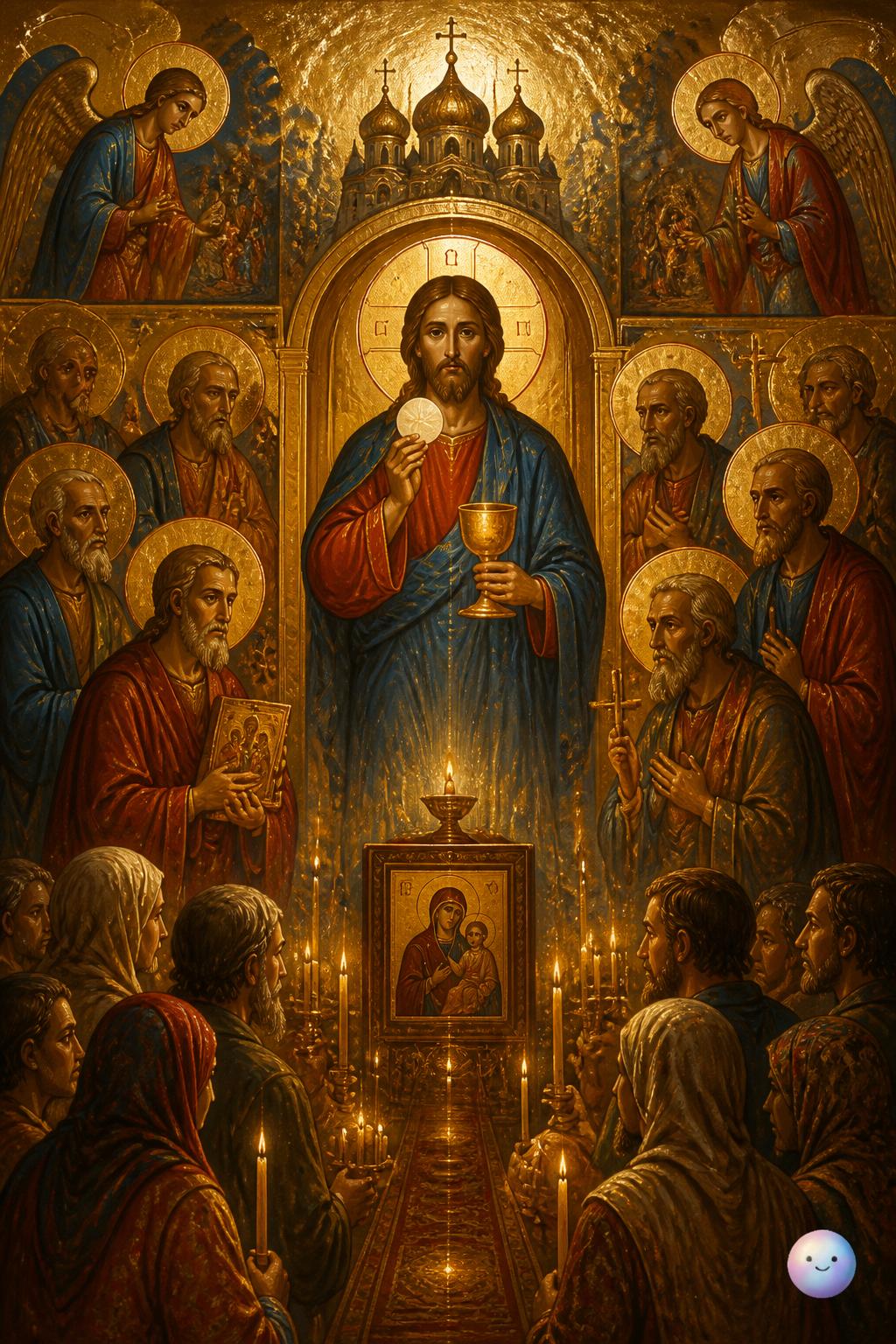
renaissanceman Orthodox icons do not aim for realistic depth; instead, they use inverse perspective and symbolic colors to represent a spiritual reality.
Windows to heaven: Icons are not considered simple paintings; Orthodox theology treats them as literal 'windows' through which believers interact with the spiritual world.
What is the term for the historical movement in Byzantium that sought to destroy religious images?
Which Byzantine Empress permanently restored the veneration of icons in 843 AD, ending the Iconoclastic Controversy?
Instead of canvas, what material is traditionally used as the base for writing an Orthodox icon?
What is the correct theological term for how Orthodox Christians interact with icons, distinct from worshiping them?
What does the color gold represent in the symbolic language of Eastern Orthodox iconography?
What traditional binding medium is mixed with natural pigments to paint Orthodox icons?
Why do Orthodox icons use 'inverse perspective' where background lines widen toward the viewer?
Which 15th-century Russian monk painted the famous 'Trinity' icon, celebrated for its circular harmony?