The rise of protein-maxxing
Microbes on the menu: precision fermentation
The fungal frontier: mycelium and mycoprotein
Plant power 2.0: re-engineering the classics
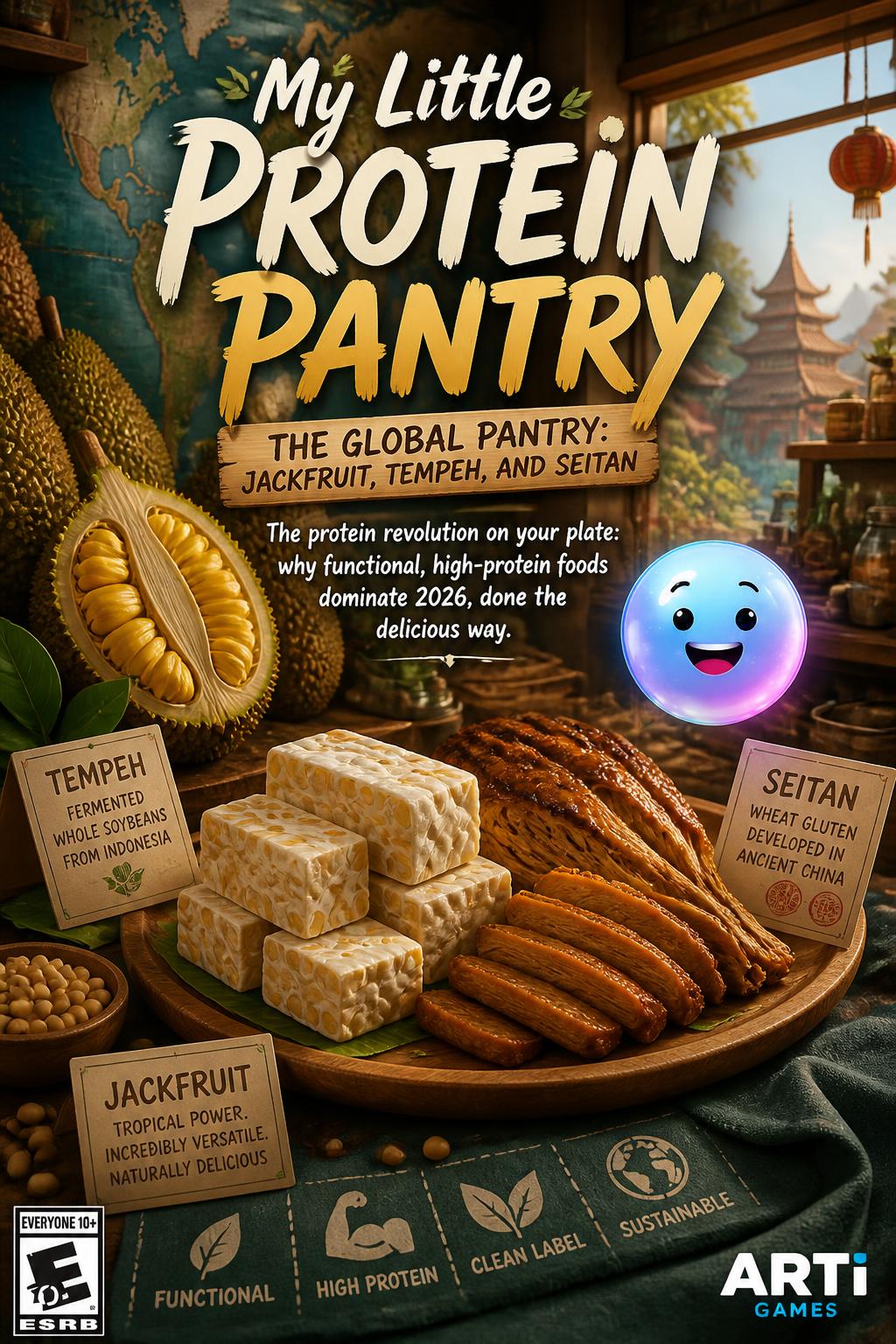
alicecooks Stock your pantry with delicious ingredients to discover why high-protein foods dominate modern plates.
alicecooks High-Moisture Extrusion
Unfold and align, unfold and align, heat and water make it bite like meat.

The vegetative part of a fungus, consisting of a network of thread-like filaments. In 2026, Colorado startup Meati uses this fungal network to produce nutrient-dense chicken and beef alternatives.
Ancient Roman fuel: Did you know that Roman gladiators regularly ate lupin beans for energy, a high-protein crop that is now a staple of modern low-carb baking?
How does the protein yield per acre of duckweed compare to traditional land-grown soybeans?
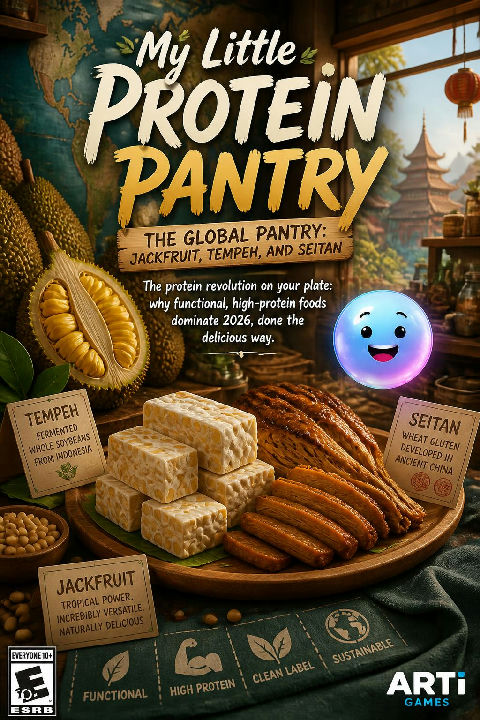
What protein-rich food, developed in ancient China by washing starch out of wheat dough, is also known as wheat gluten?
What texture issue, common in early plant-based protein shakes, have modern 2026 processing techniques successfully solved?
Which plant-based protein source sounds the most appealing for your next family dinner?
Which fast-growing floating aquatic plant, also known as water lentils, can double its biomass in under 48 hours?
What specific organic compounds are targeted and broken down by enzymes to remove the bitter, grassy flavor of pea protein?
Why is lupin flour highly favored in modern low-carb and keto baking compared to wheat flour?
What is the name of the mechanical process that uses heat and pressure to reshape spherical plant proteins into long fibers?
Which ancient yellow legume from the Mediterranean naturally contains up to 40 percent protein and almost no starch?
What is the natural physical shape of most plant proteins before they are processed into meat alternatives?
Which traditional fermented soybean cake, originating in Indonesia, is prized for its firm texture and high protein content?