Chapter 1
The secret of the night flyer
Chapter 2
Physics of the perfect cloak
Chapter 3
Night vision and deep space
YOUR GOAL
Master of How moth eyes revolutionized the way we see in the dark
Ch 3 · Night vision and deep space
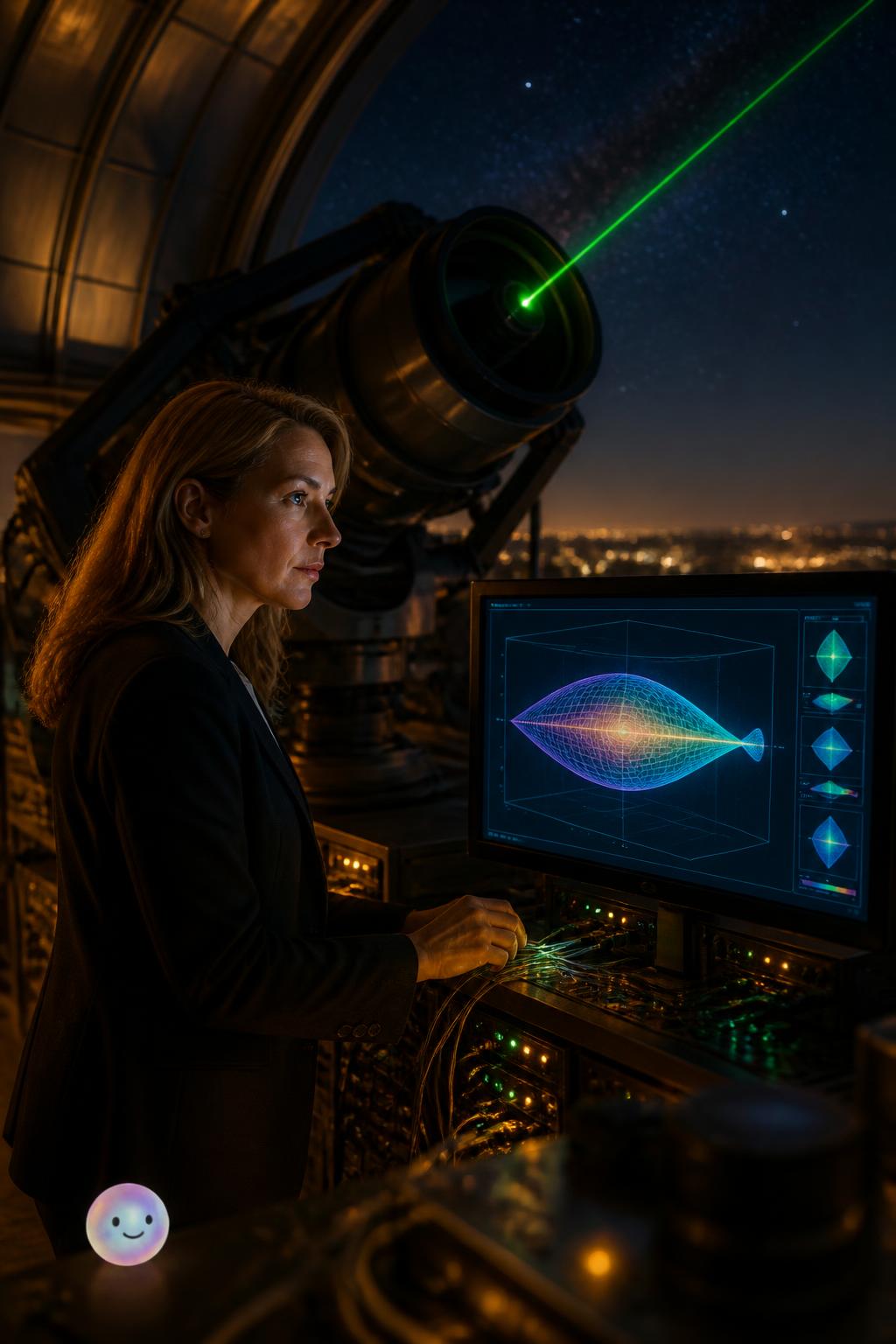
007skaty Moth-Eye Space Camera Sensors
Spikes like a moth's eye trap the infrared light, To map magnetic fields in the deep cosmic night.
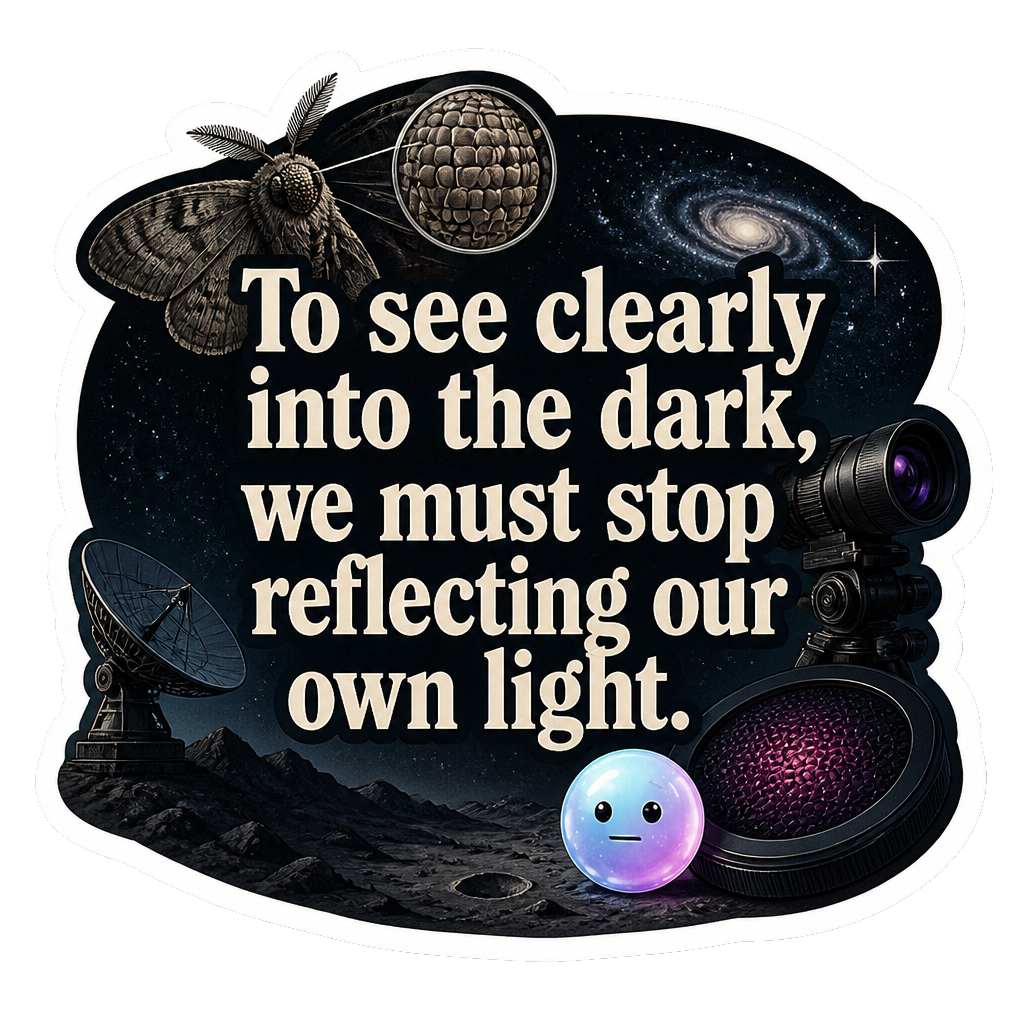
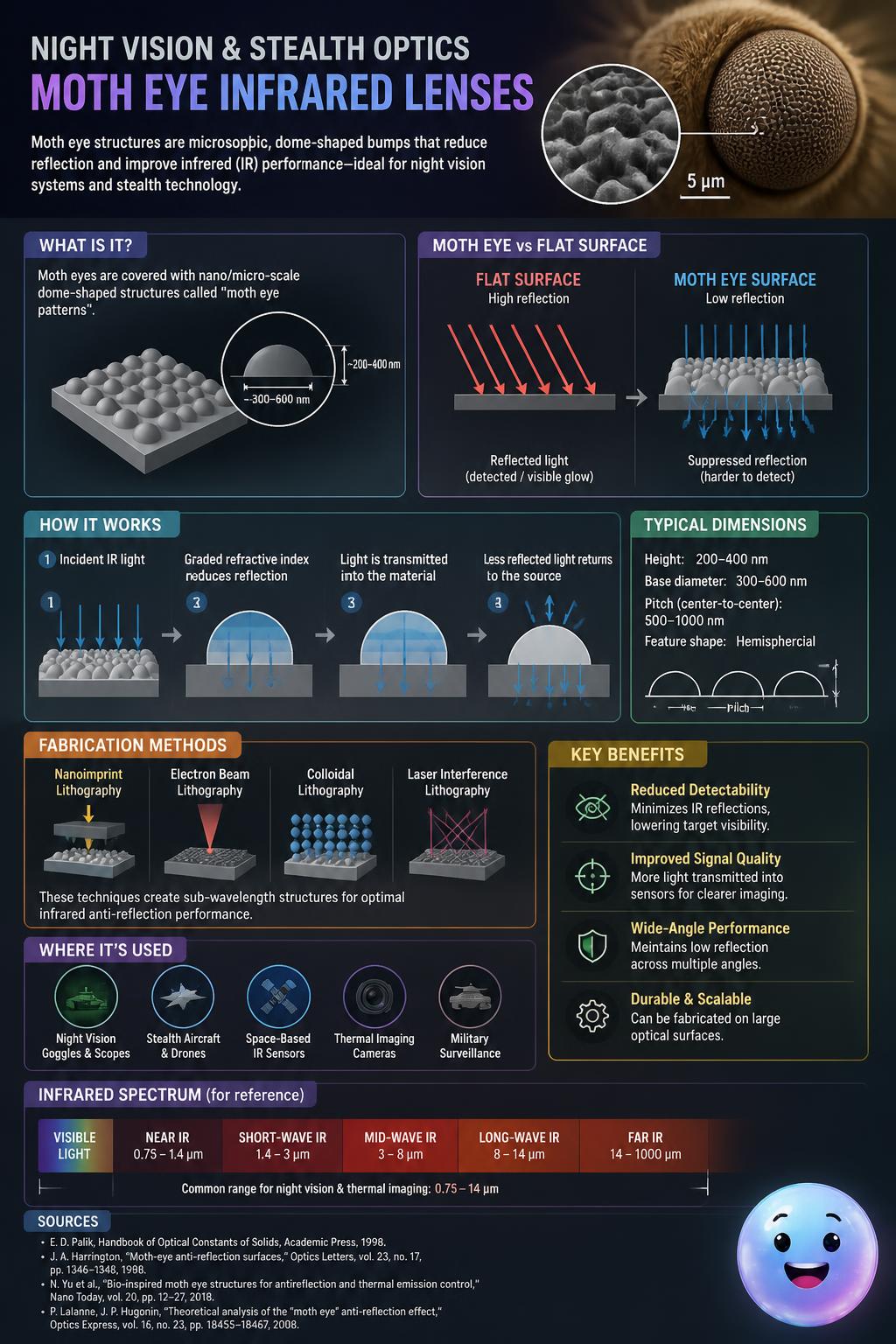
007skaty Standard lenses reflect sun and streetlights to betray tactical positions, but moth-eye technology absorbs incoming light to maintain
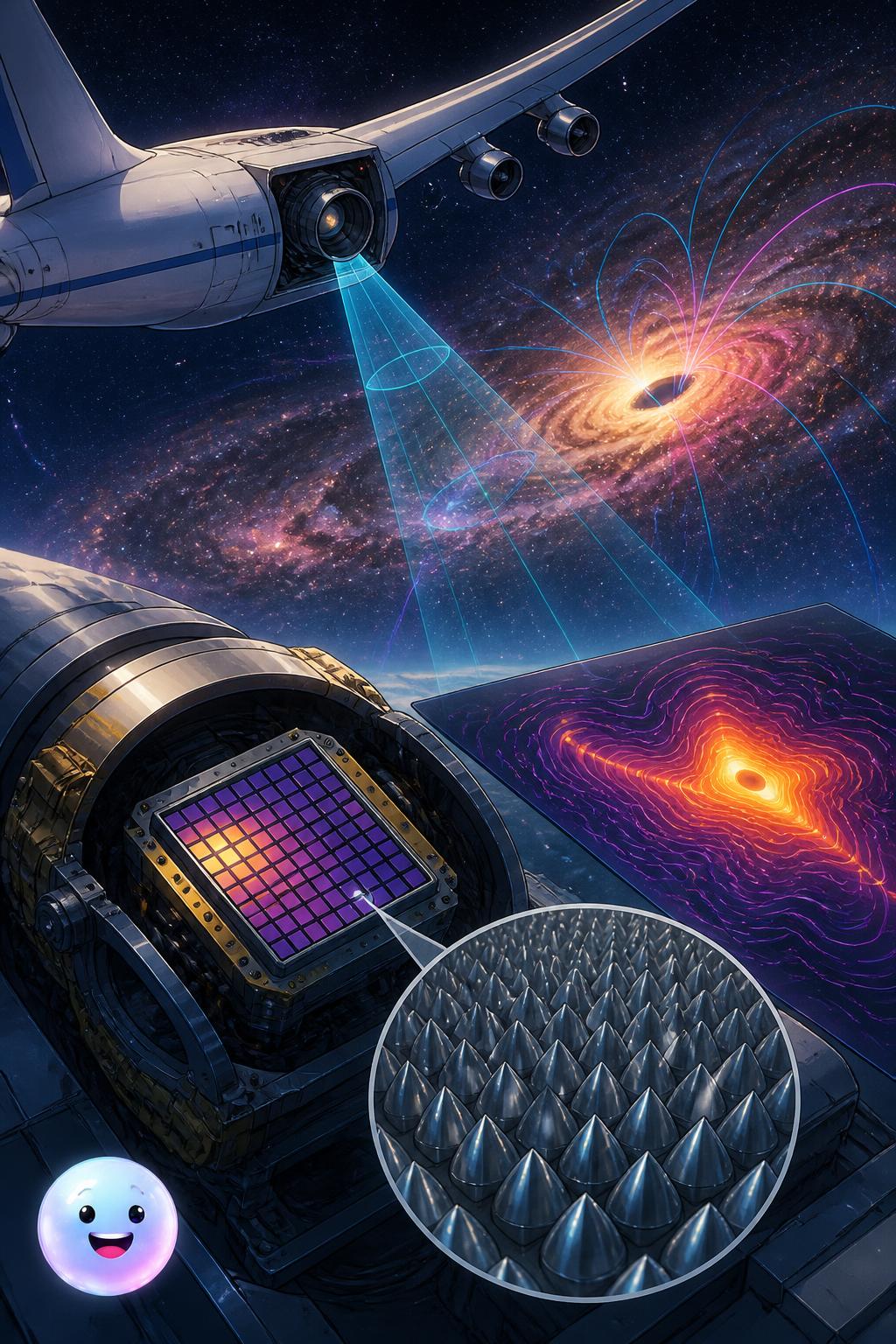
007skaty Tiny silicon spikes on a space camera sensor capture glowing cosmic infrared rays
BETA
007skaty Align moth eye nanostructures to discover how anti-glare lenses help telescopes see distant stars.
Fun Fact
Self-cleaning tech: Because moth-eye structures are so tiny, they naturally repel water and dirt, meaning future solar panels might clean themselves.
Glossary
bolometer (noun)
An instrument that measures electromagnetic radiation by detecting temperature-dependent changes in electrical resistance. In 2016, NASA utilized moth-eye-inspired bolometers to study star formation and galactic magnetic fields.
An instrument that measures electromagnetic radiation by detecting temperature-dependent changes in electrical resistance. In 2016, NASA utilized moth-eye-inspired bolometers to study star formation and galactic magnetic fields.