The height of an object or place measured above sea level. For astronomers, building observatories at high altitudes gets telescopes above the clouds and thick air, giving them a crystal-clear view of the universe.
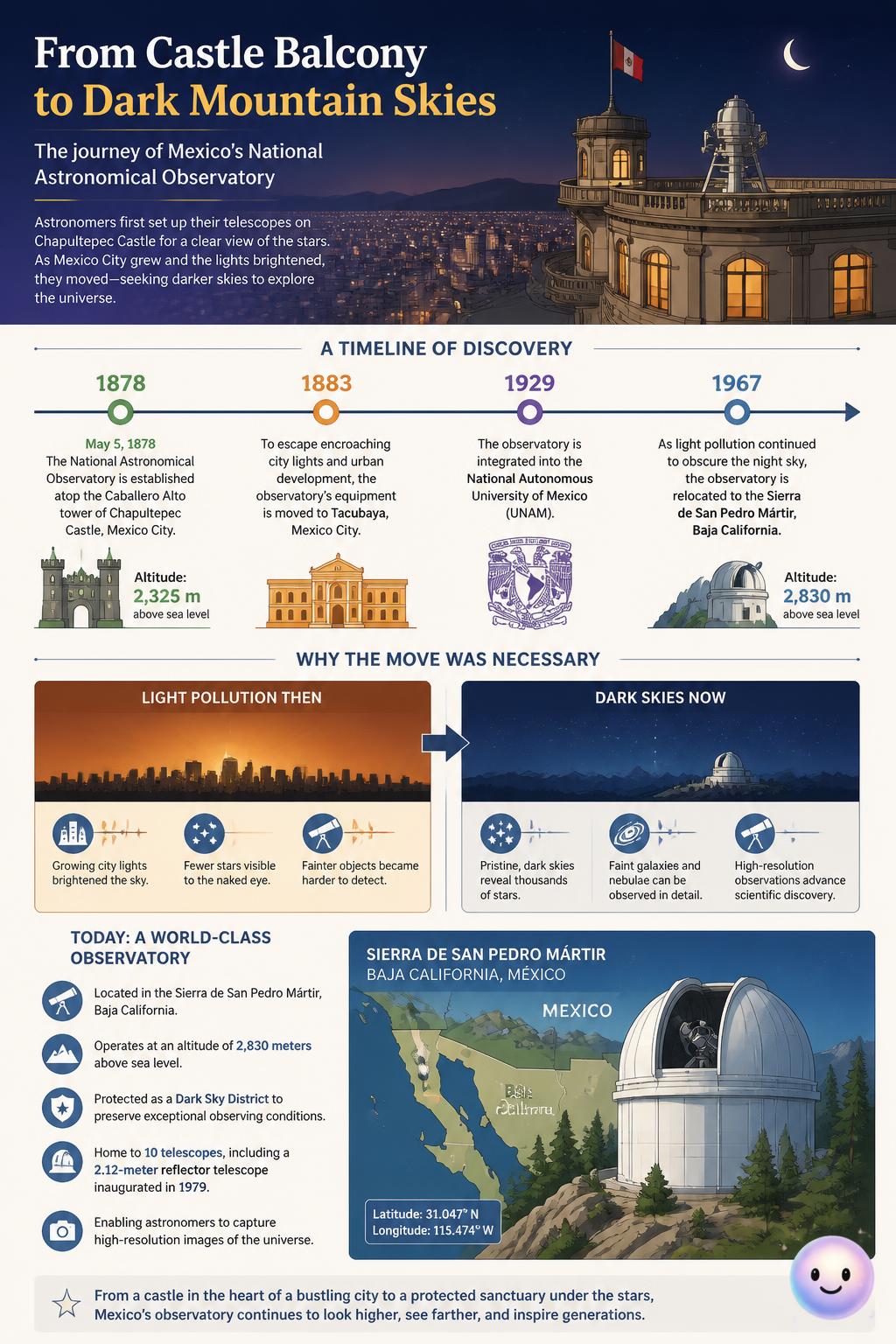
¿Por qué el Observatorio Astronómico Nacional de México tuvo que cambiar de ubicación varias veces a lo largo de su historia, pasando de la Ciudad de México a Puebla y finalmente a la lejana Sierra de San Pedro Mártir en Baja California?

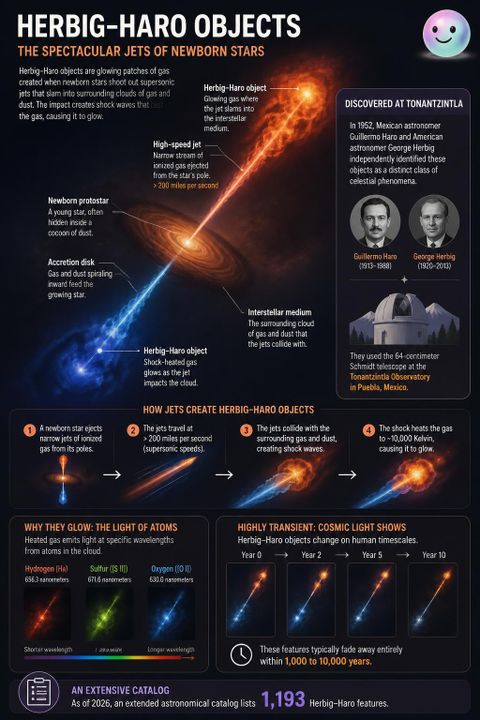
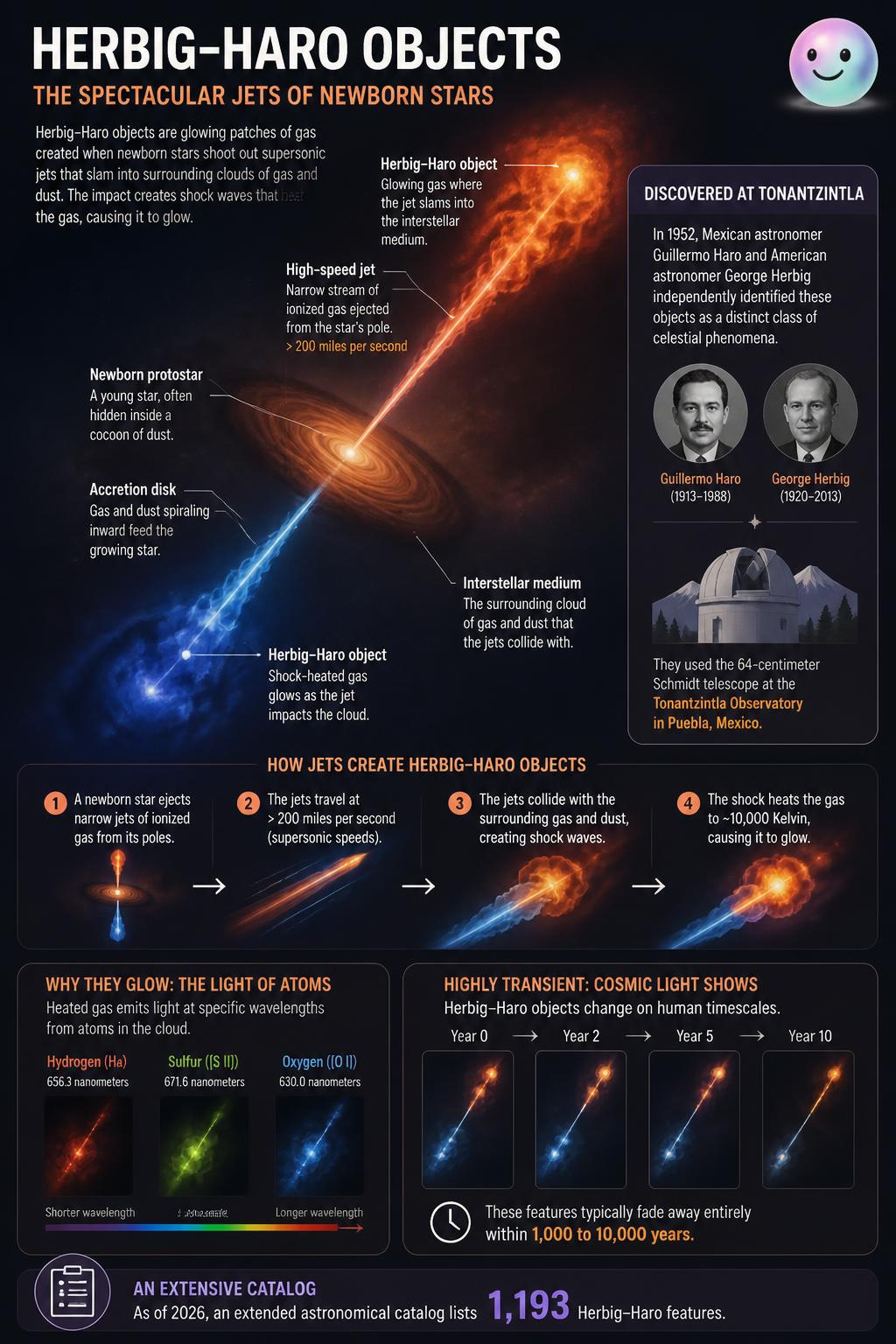
choko Learn how Guillermo Haro co-discovered Herbig-Haro objects, the glowing gas patches lit up by high-speed jets from newborn stars.

choko Discover how light pollution from Mexico City blinded its own observatory telescopes, forcing astronomers to relocate to darker, remote peaks.

choko See how Mexico City's growth and light pollution forced astronomers to move the national observatory from Chapultepec Castle in this infographic.
choko Mexican Dark Sky Observatories
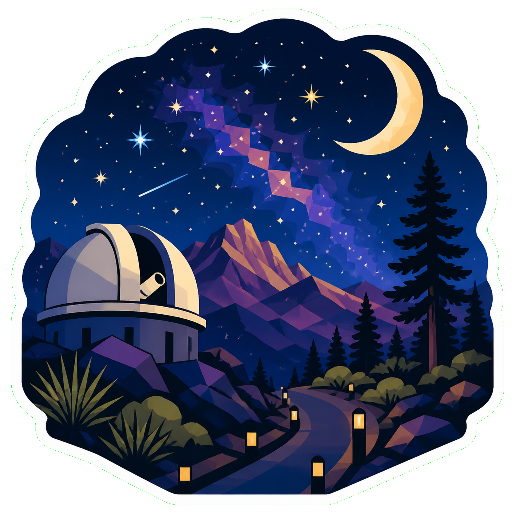
We fled the city lights, climbed the pine-covered peaks, to find the endless dark of San Pedro Mártir!

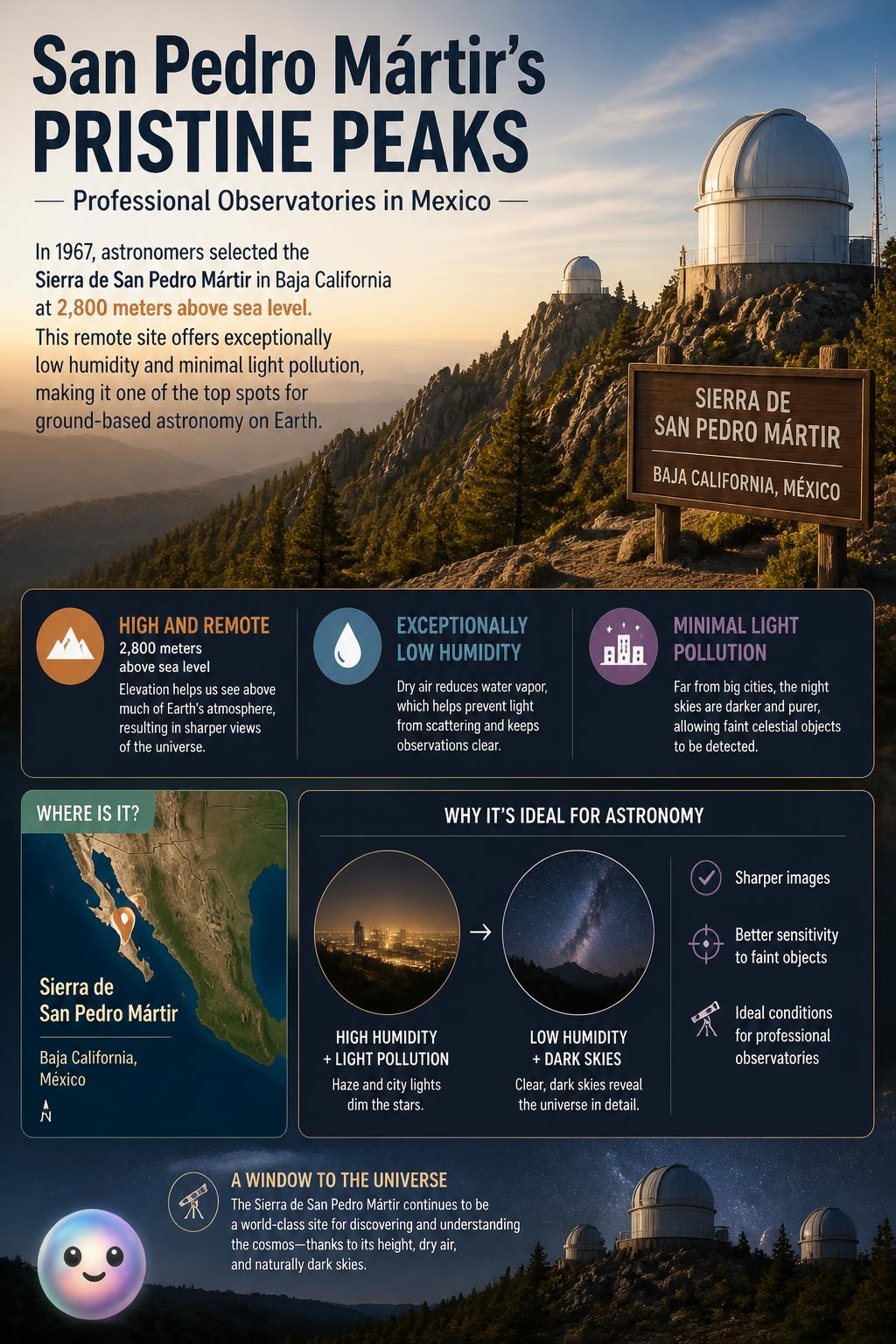
choko Explore the pristine peaks of San Pedro Mártir, home to Mexico's premier professional astronomical observatories, in this detailed infographic.
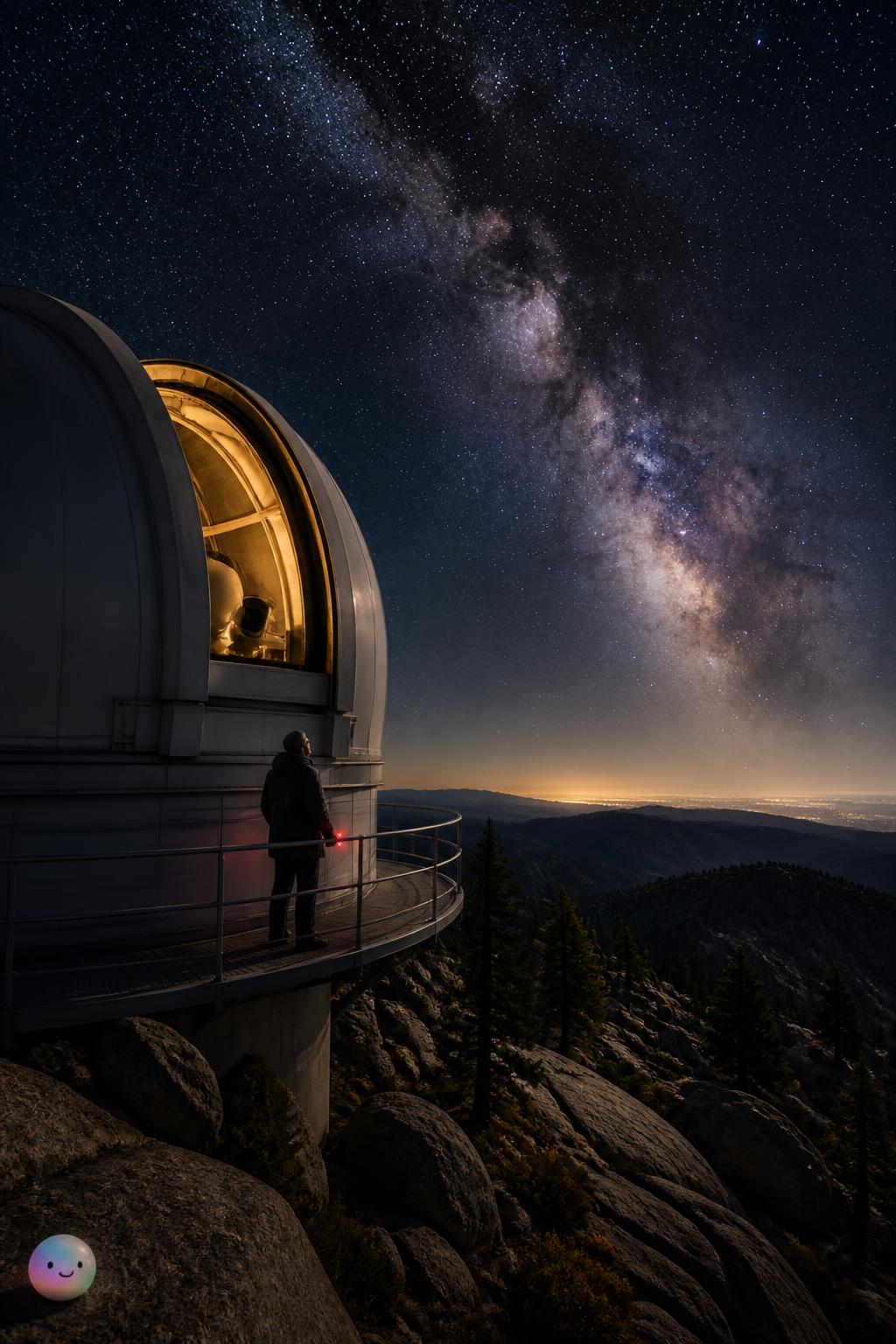
Baja California's dark skies: The San Pedro Mártir National Park has strict lighting laws to protect the observatory's views, making it one of the darkest places in North America.


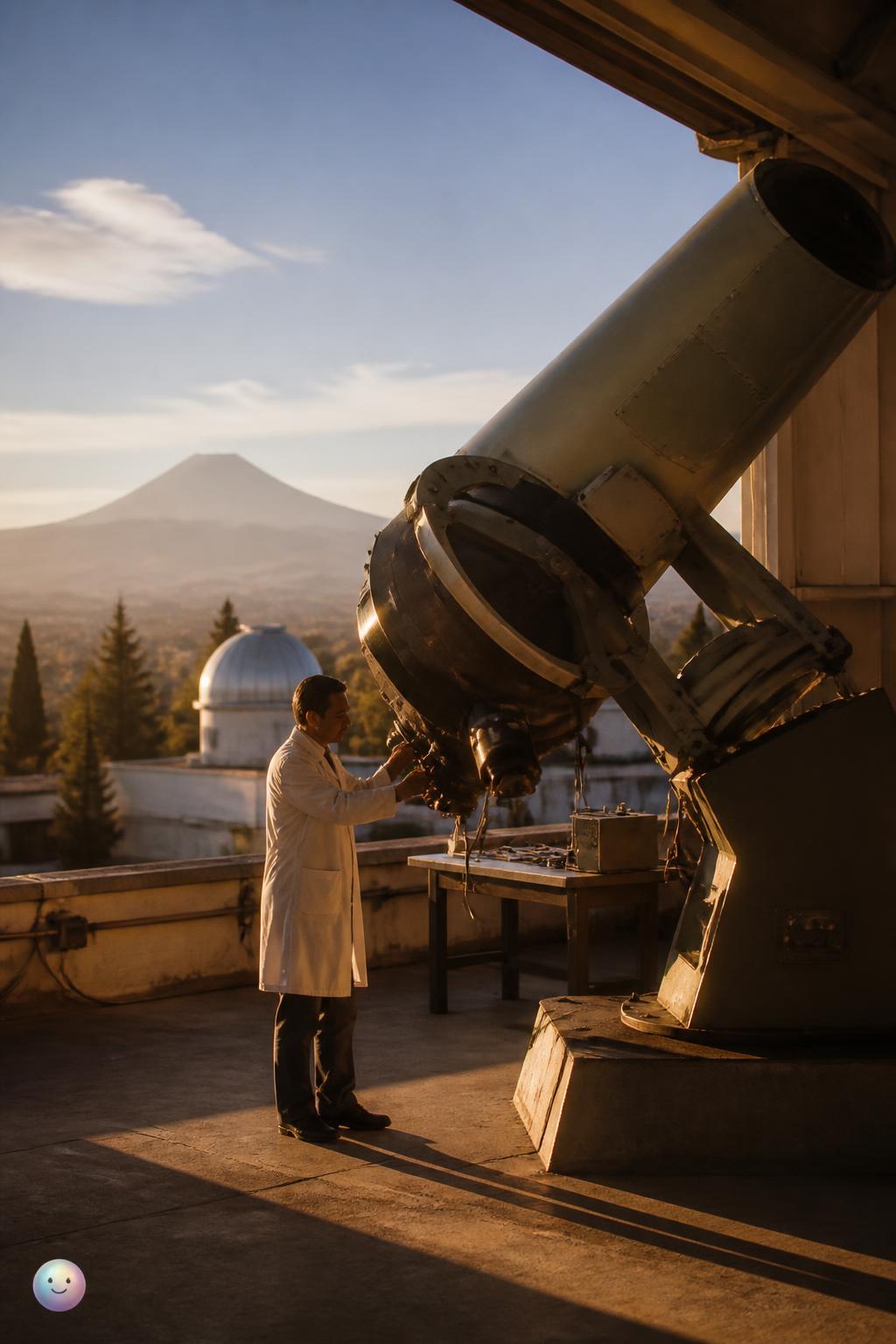
choko View historical images from the classic era of the Tonantzintla Observatory, a key site for professional astronomy in Mexico.

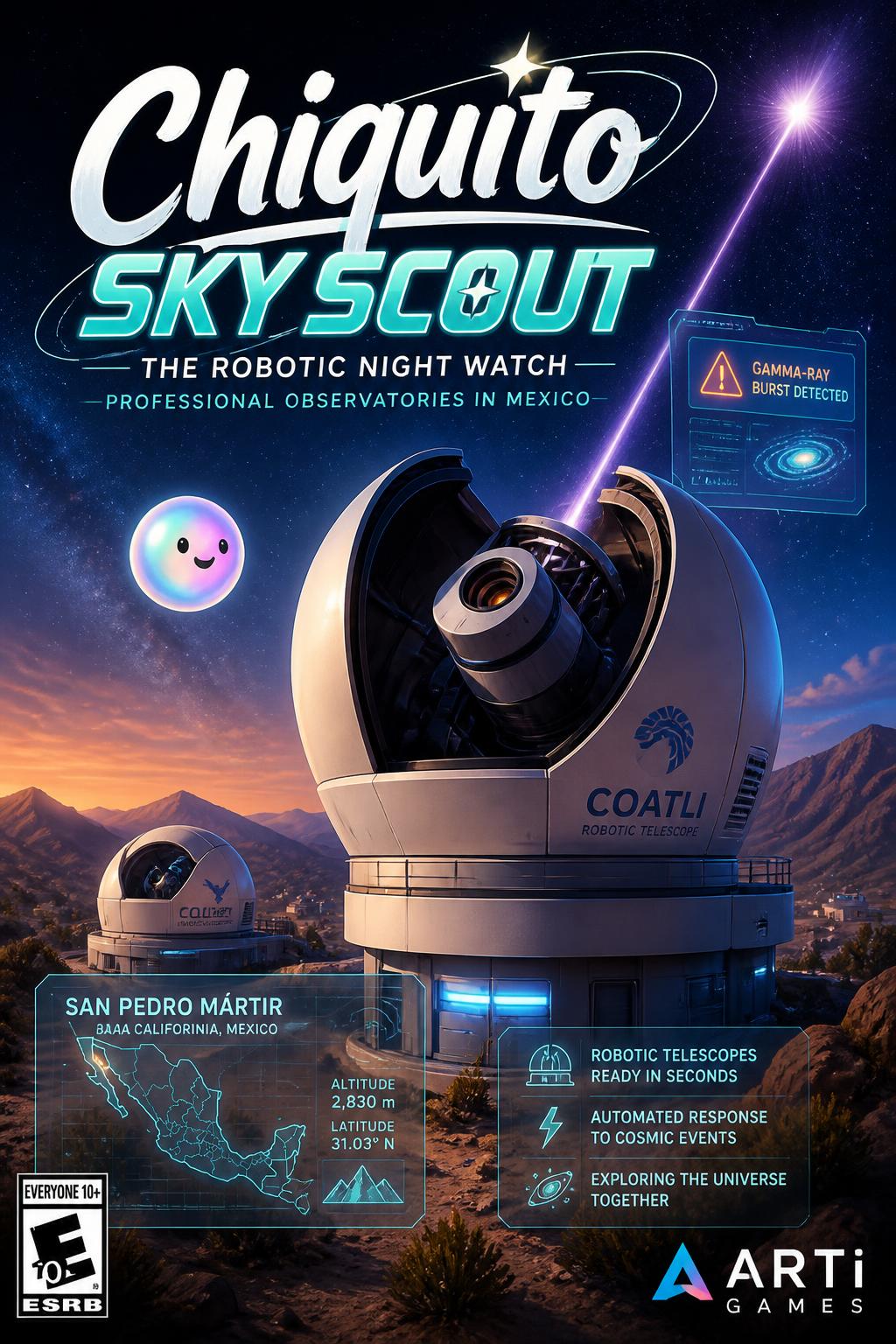
choko Play the Chiquito Sky Scout game to explore the robotic night watch and professional astronomical observatories in Mexico.
What type of cosmic objects did astronomer Guillermo Haro discover using the Tonantzintla telescope?
In which decade did professional astronomical operations begin at the San Pedro Mártir site?