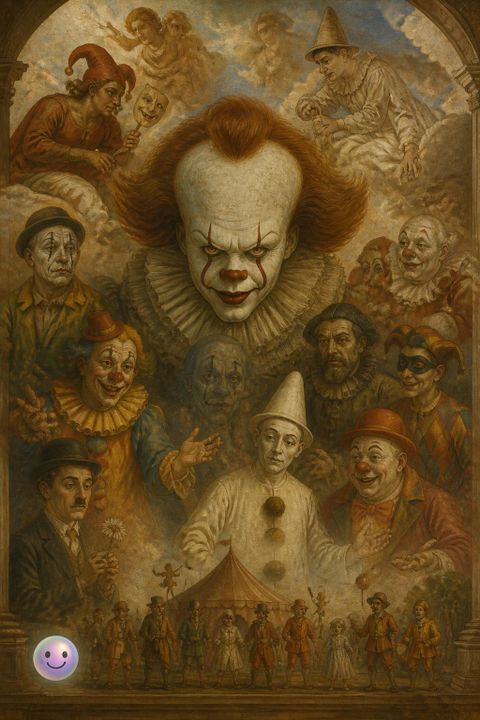
Pennywise and the History of the Evil Clown Trope
Stephen King's novel It popularized the terrifying concept of the monstrous clown.
Mythological mischief and sacred tricksters
The power of the historical court jester
The theatrical rise of the modern clown
Pop culture icons and the fear of clowns
schopenhauer In 1986, the shape-shifting clown Pennywise turned a symbol of joy into a cultural nightmare.
schopenhauer Created in 1946, Bozo the Clown entertained millions of children on local television stations across North America.
schopenhauer Coulrophobia
To ward off the evil I hang them in sight, But these painted-on smiles keep me up through the night.
schopenhauer Explore the history, mythology, and pop culture of jokers and clowns to understand the deep-seated reasons behind why we fear them.
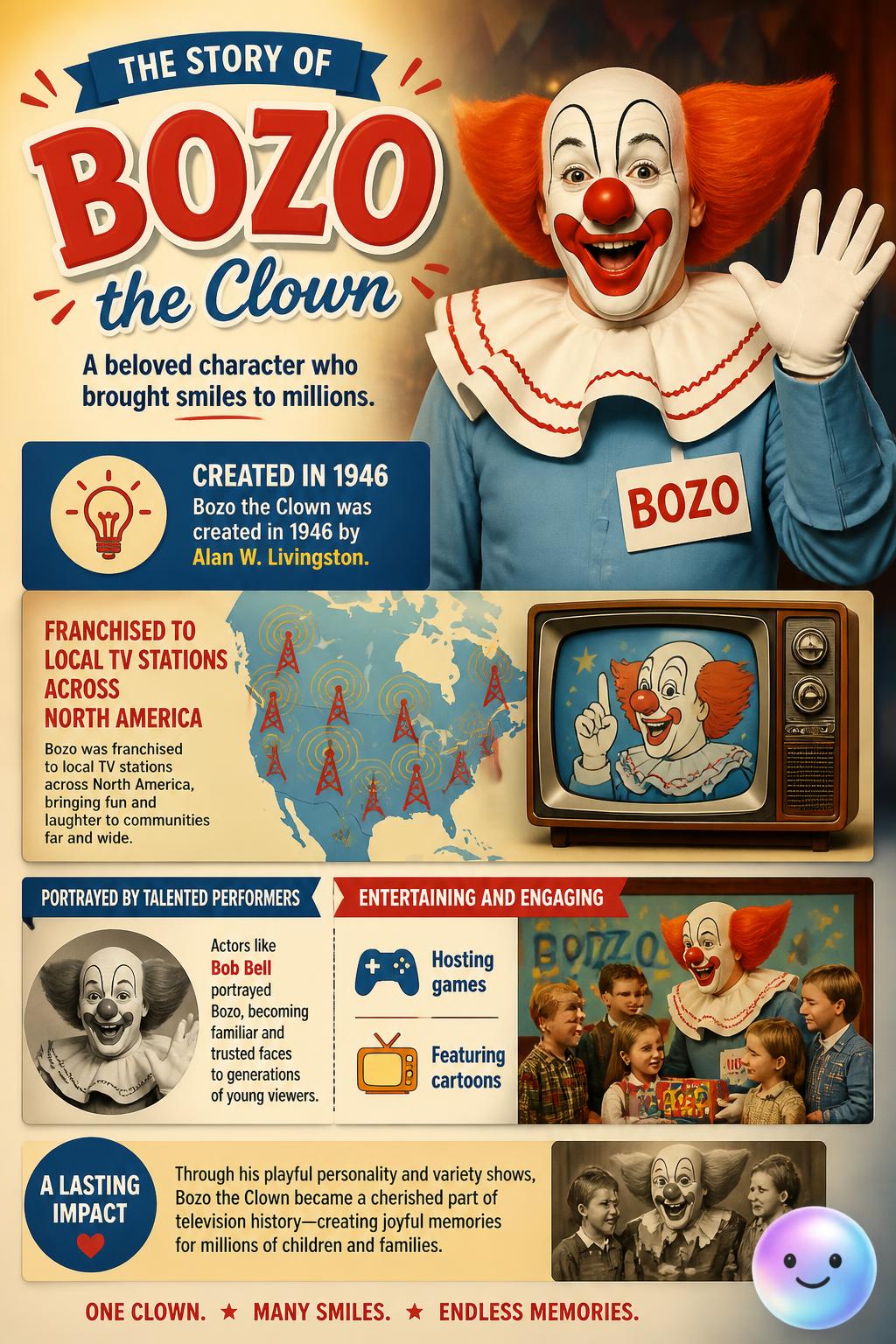
schopenhauer Bozo became a massive television franchise, defining children's entertainment in the mid-20th century.
Joker's origin: The Joker was inspired by Conrad Veidt's character in the 1928 silent film 'The Man Who Laughs.'
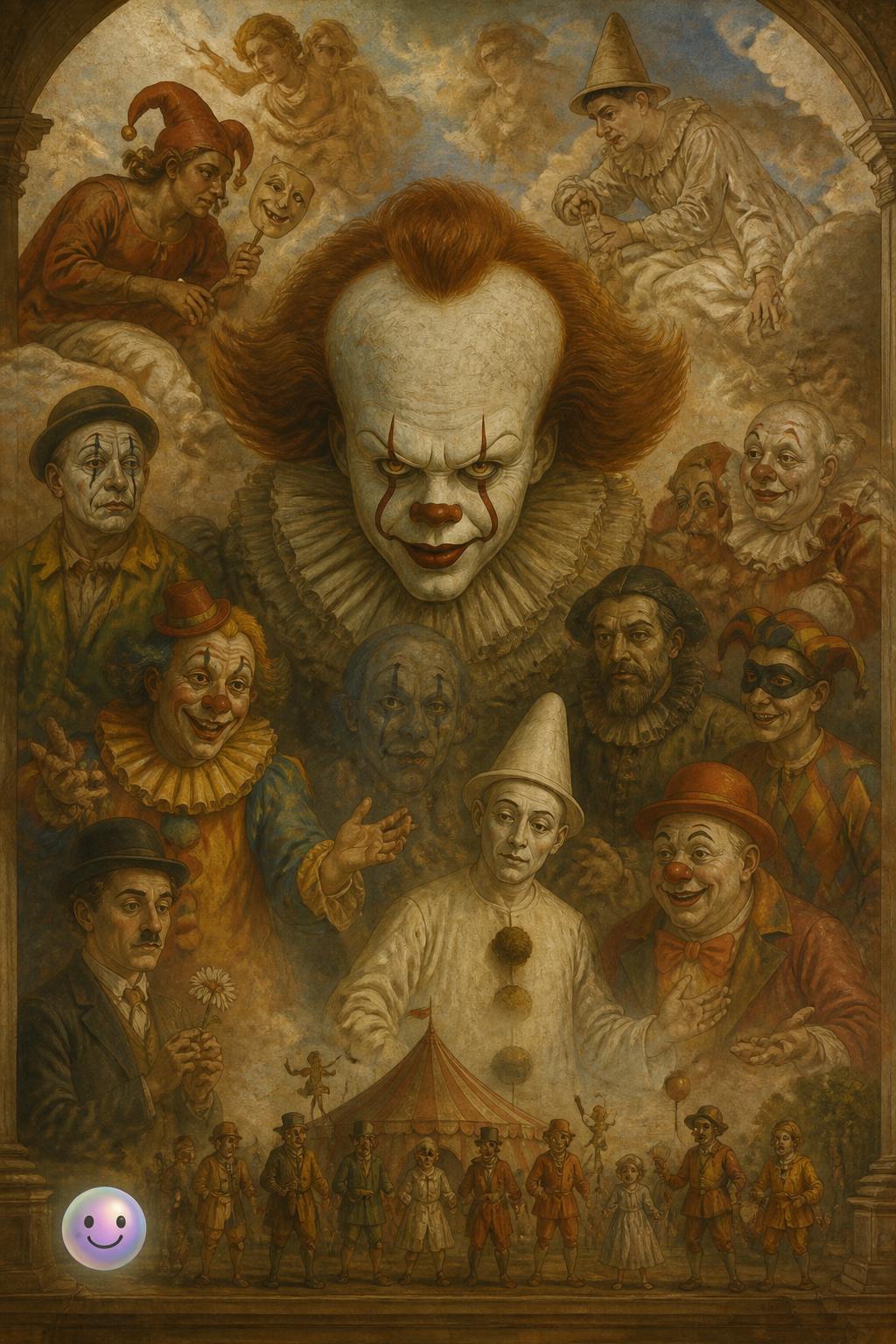
schopenhauer Stephen King's novel It popularized the terrifying concept of the monstrous clown.
An extreme or irrational fear of clowns. The condition gained widespread attention after Stephen King published his influential horror novel It in 1986.
What ancient, shape-shifting entity does Pennywise the Clown actually represent in Stephen King's lore?
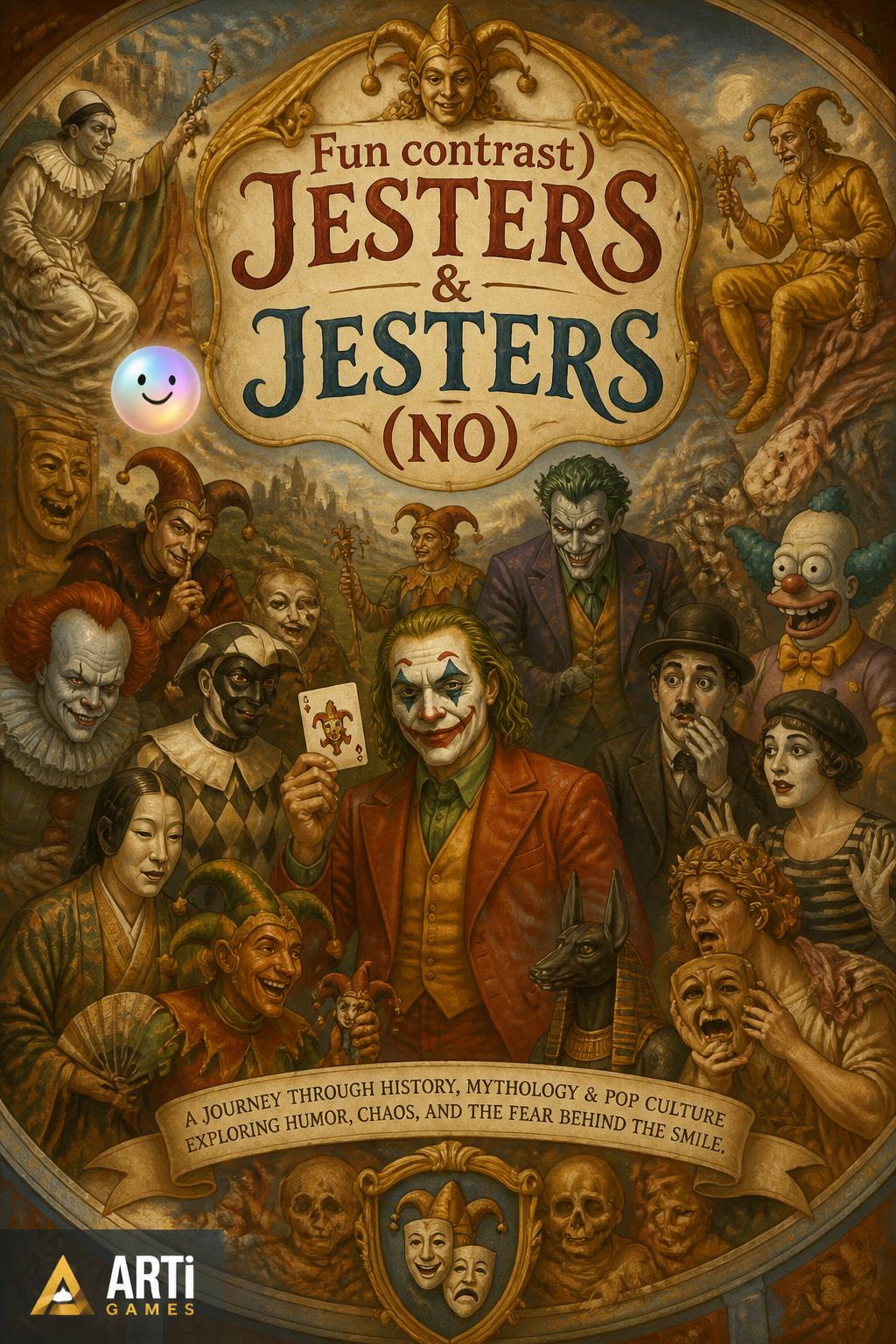
schopenhauer Match diverse jesters and clowns to discover how tricksters shaped history, mythology, and pop culture.
schopenhauer Created in 1940, the Joker evolved from a calculated killer into a chaotic anarchist.
Who wrote the 1986 horror novel It, which popularized the terrifying Pennywise the Clown?
Which psychological concept explains why exaggerated makeup can make clowns feel creepy?
Which 1928 silent movie character inspired the visual look of the Joker in Batman comics?
Which actor was one of the most famous early portrayers of Bozo the Clown on television?