Legends and literary lions
Ink and paper pioneers
Screen icons of television and cinema
Mythical and magical cosmic felines
YOUR GOAL
Master of The secret world of fictional felines
schopenhauer Legends and Literary Lions
Arabian Nights / in the back of the book / found Narnia's king!
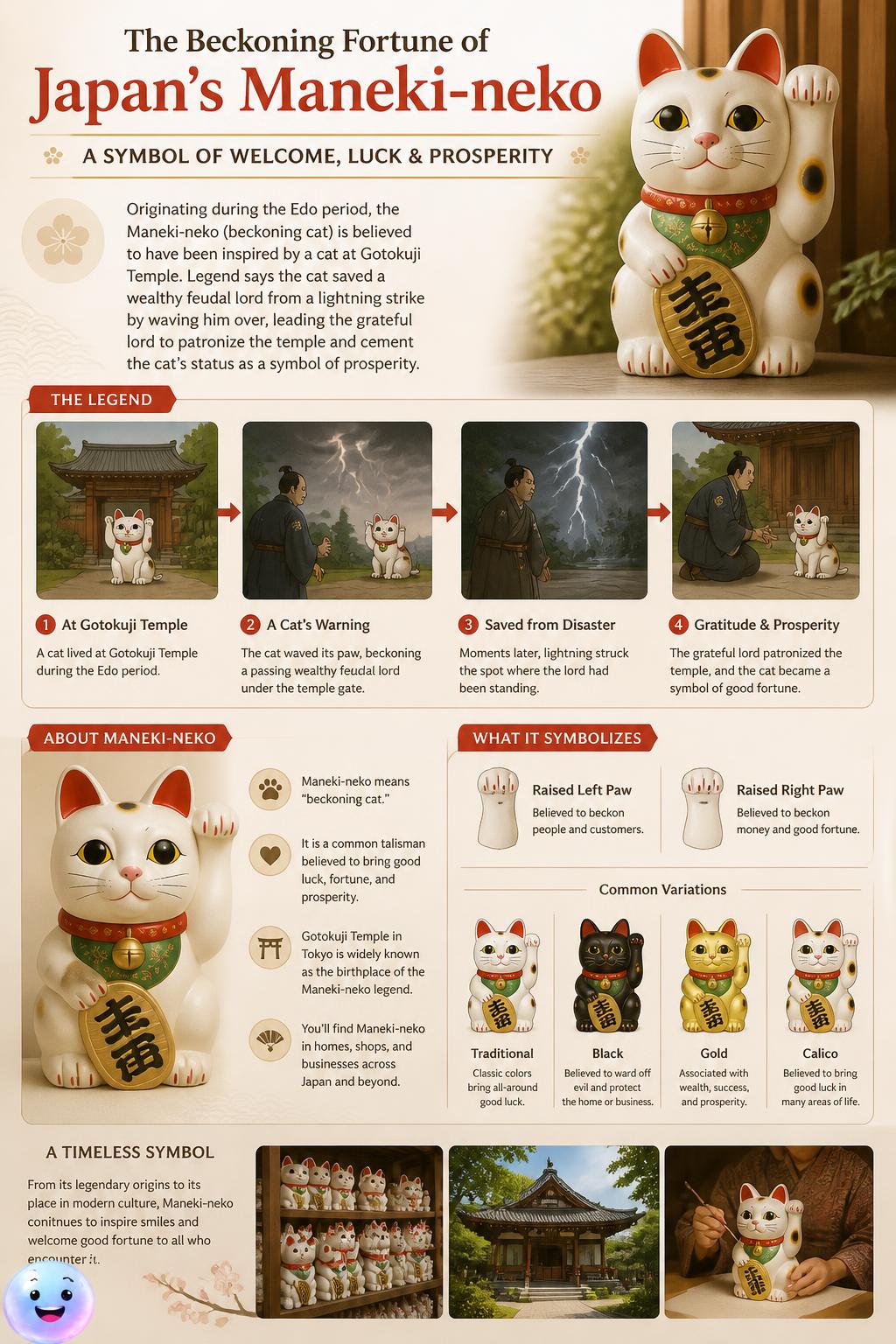
schopenhauer Japan's iconic waving cat statues trace back to a legendary temple encounter in Tokyo during the 17th century.
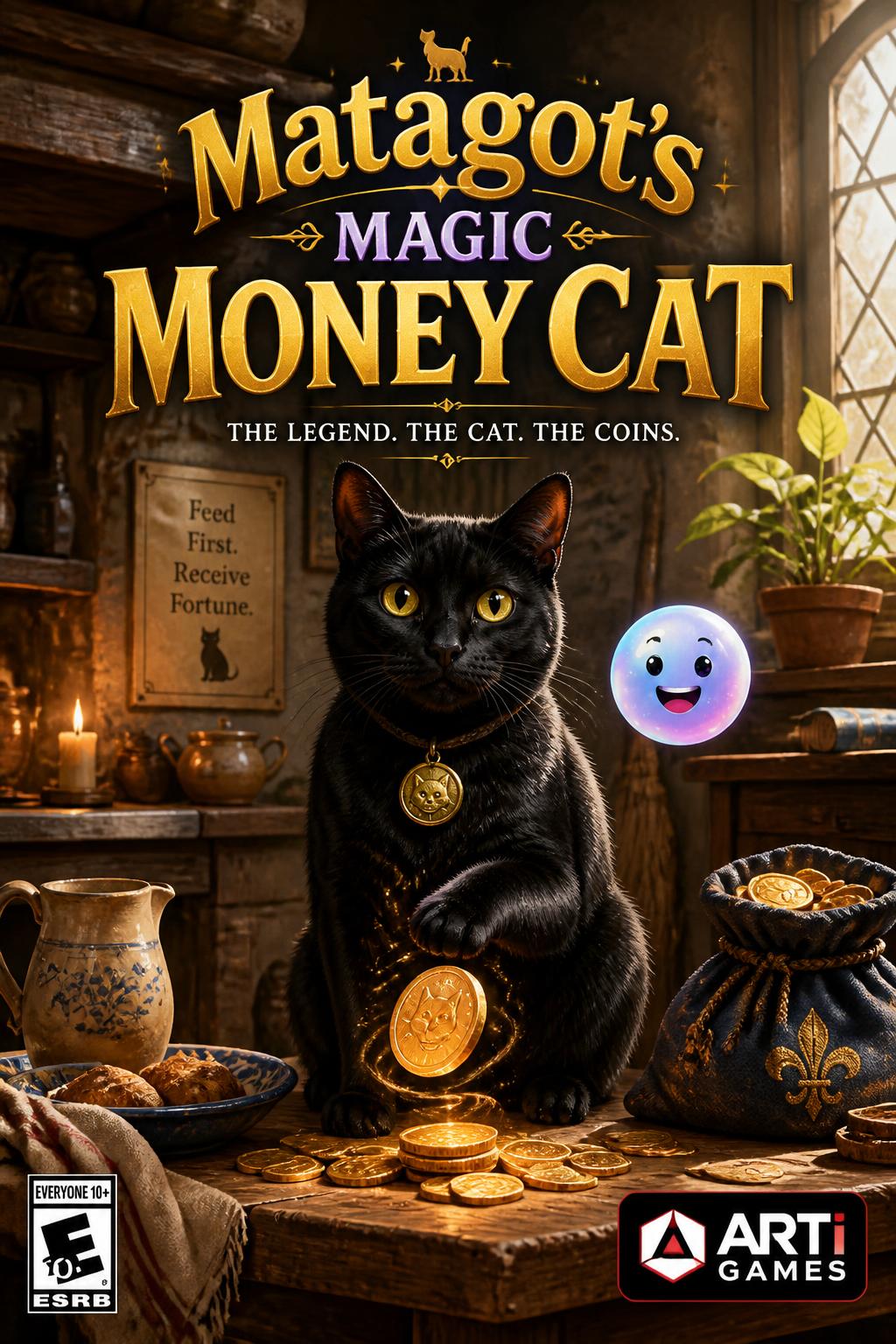
schopenhauer Match legendary felines to discover the folklore and pop culture behind Matagot's money magic.
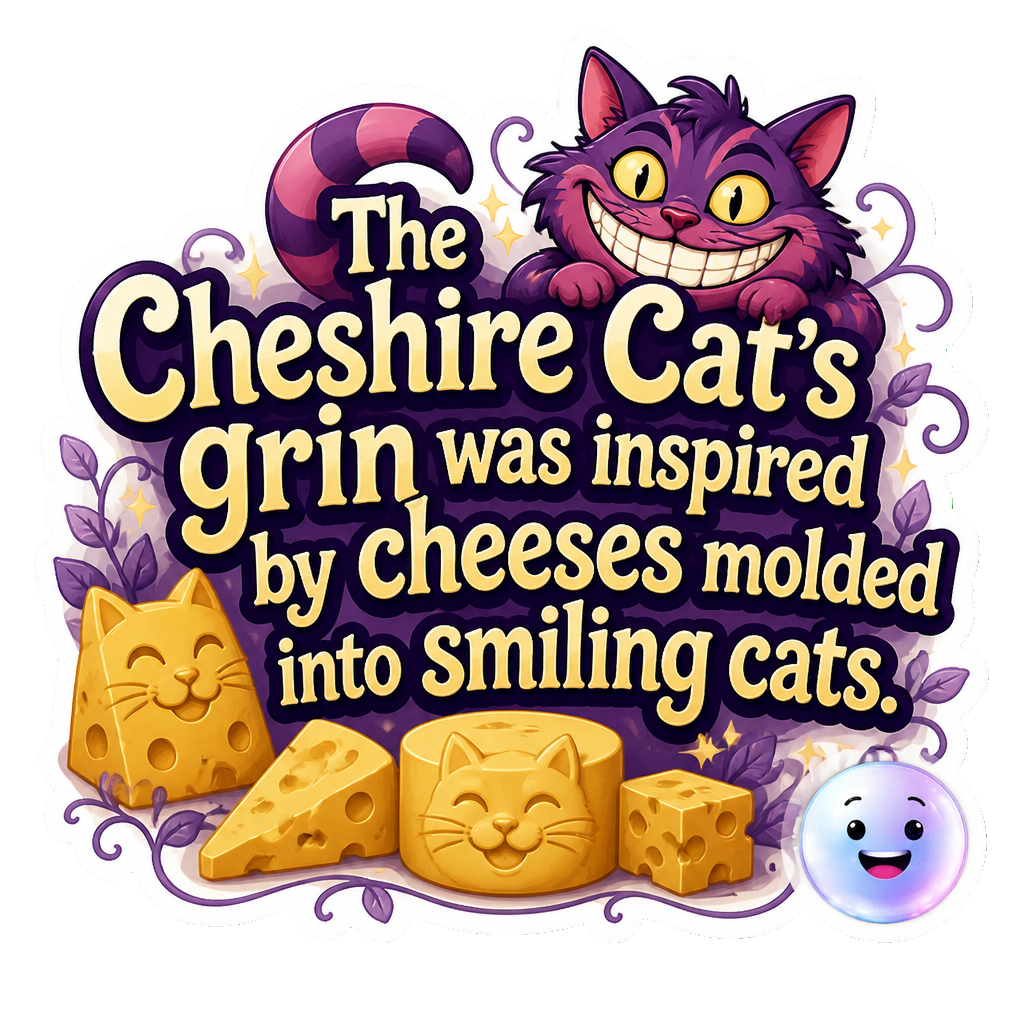
Cheshire cat cheese: The Cheshire Cat's grin might have been inspired by Cheshire cheeses, which were historically molded into the shape of smiling cats.
A story, poem, or picture that can be interpreted to reveal a hidden meaning. In 1950, C.S. Lewis used Aslan the lion to represent Christian themes in his Narnia series.
In T.S. Eliot's 1939 poetry book about cats, which master thief is known as the 'Hidden Paw'?
In British folklore, what happens when a housecat named Old Tom hears that 'Tim Toldrum is dead'?
In Lewis Carroll's 1865 novel, which cat can slowly disappear until only its grin remains?
In southern French folklore, what kind of spirit takes the form of a black cat to bring daily wealth?
Which 19th-century American author wrote the famous dark short story 'The Black Cat' in 1843?
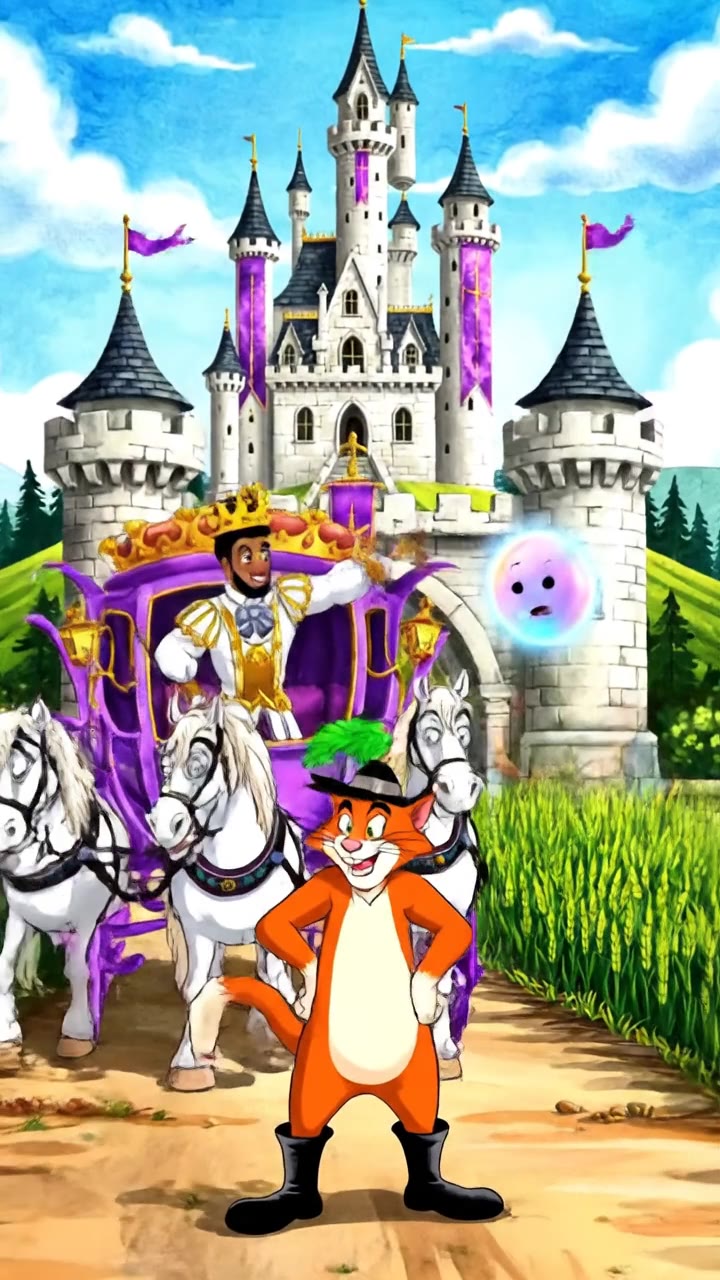
Which French writer popularized the fairy tale of 'Puss in Boots' in his 1697 collection of stories?
In Mikhail Bulgakov's novel 'The Master and Margarita', what is the name of the giant black cat?
The Japanese lucky cat statue, Maneki-neko, is traditionally associated with which Tokyo temple?