Chapter 1
The great evolutionary split
Chapter 2
Skin, lungs, and breathing secrets
Chapter 3
From jelly eggs to tough shells
Chapter 4
Mastering the extremes
YOUR GOAL
Master of Amphibians and reptiles
Ch 1 · The great evolutionary split

sonia Amphibian Reptile Evolutionary Split
Amphibians need water, for their eggs to grow, Yeah, in the pond, you know! But reptiles lay shelled eggs, on land they can go, Oh-oh, truly free, from the flow!
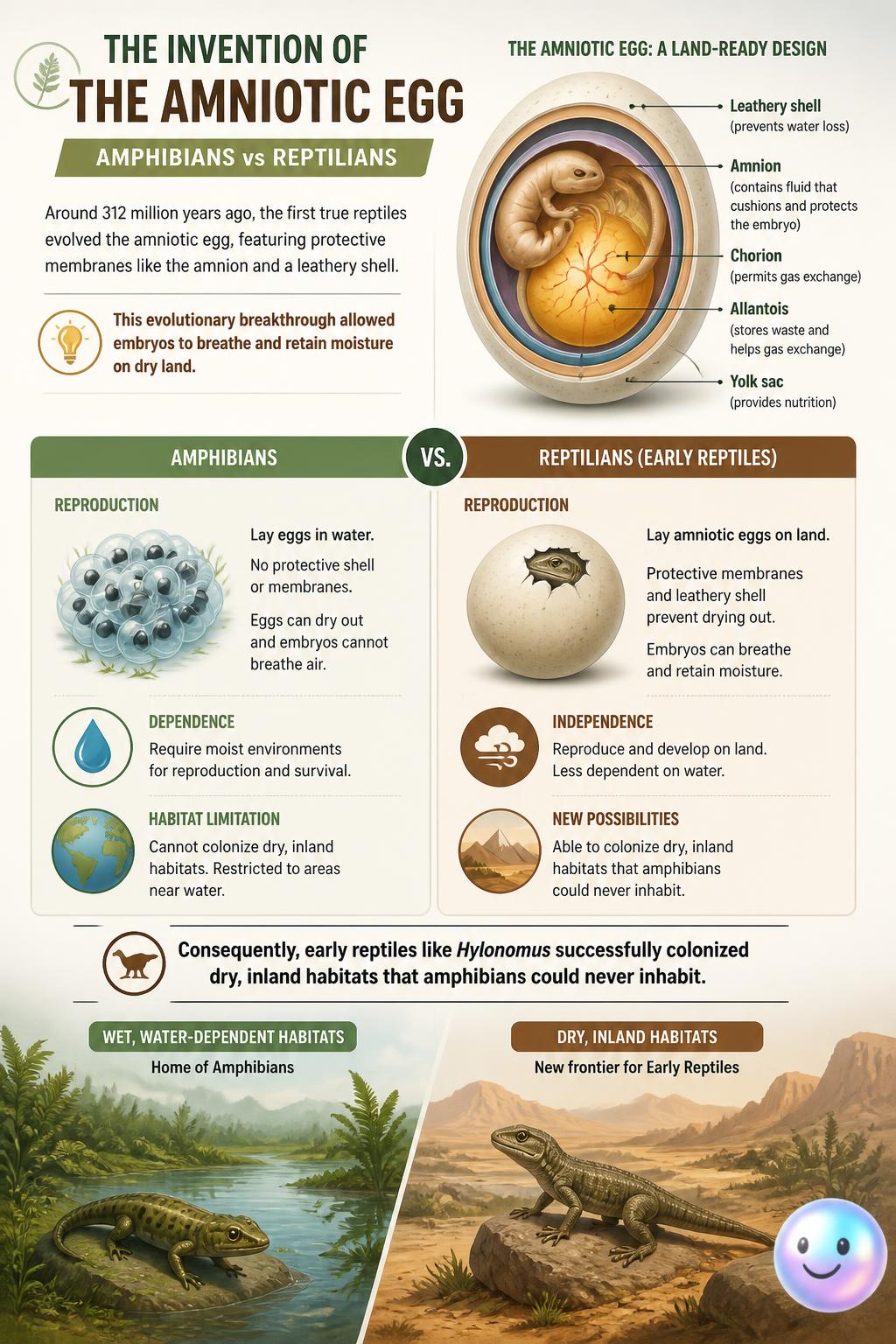
sonia Reptiles conquered dry land thanks to a self-contained, waterproof egg that bypassed the aquatic larval stage.
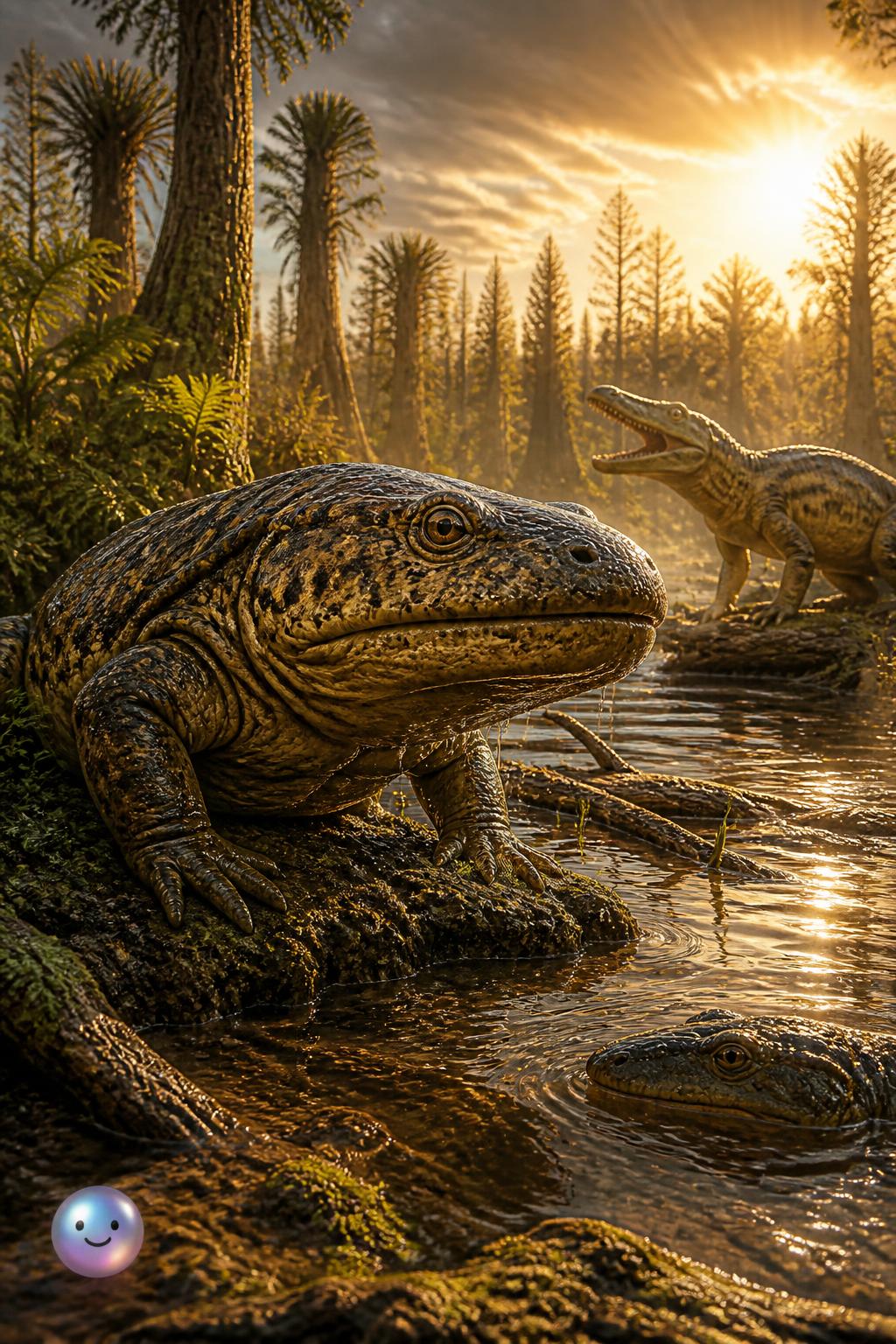
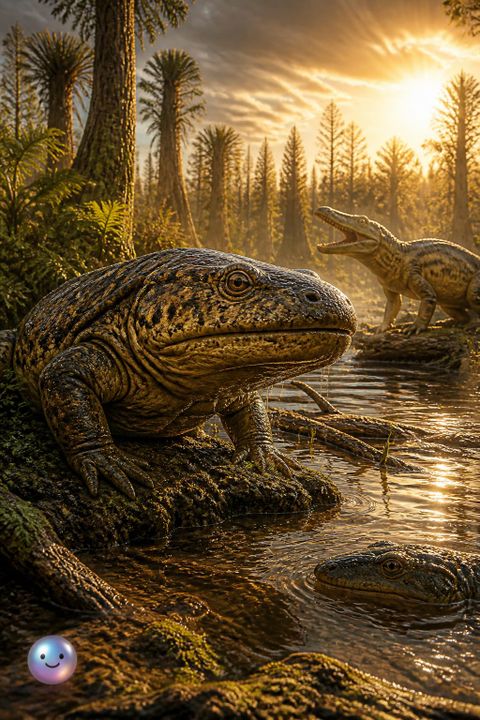
sonia Long before modern frogs, massive armored amphibians ruled the swamps during the Carboniferous period.
BETA
sonia Sort each creature by its skin to discover what separates reptiles from amphibians.
Fun Fact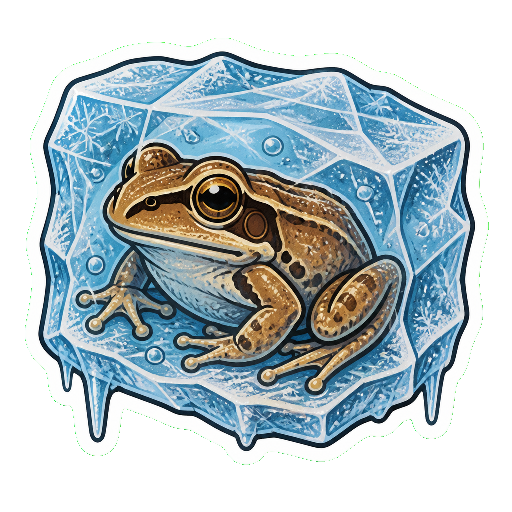
Wood frog freezing: The Alaskan wood frog can survive being frozen solid at -18 degrees Celsius for up to seven months.
Glossary
amniote (noun)
Any vertebrate animal whose embryos are protected by an amniotic membrane, including reptiles, birds, and mammals. These creatures diverged from ancient amphibians during the Carboniferous period roughly 310 million years ago.
Any vertebrate animal whose embryos are protected by an amniotic membrane, including reptiles, birds, and mammals. These creatures diverged from ancient amphibians during the Carboniferous period roughly 310 million years ago.
Quiz
Why did Carboniferous amphibians remain restricted to wet habitats despite having lungs?
Quiz
What 375-million-year-old fossil discovered in Canada represents the transition from fish to early land-dwelling tetrapods?
Quiz
What skeletal feature did the transitional fossil Tiktaalik possess that typical fish lacked?
Quiz
Which evolutionary feature allowed early reptiles to lay eggs on dry land without them drying out?
Quiz
During which geological period did giant, crocodile-sized amphibians like Eryops dominate the Earth's swamps?
Quiz
Which of the following creatures represents one of the earliest known true reptiles, living about 312 million years ago?
Quiz
Which group of animals is classified as anamniotes because their eggs lack a protective, waterproof shell?