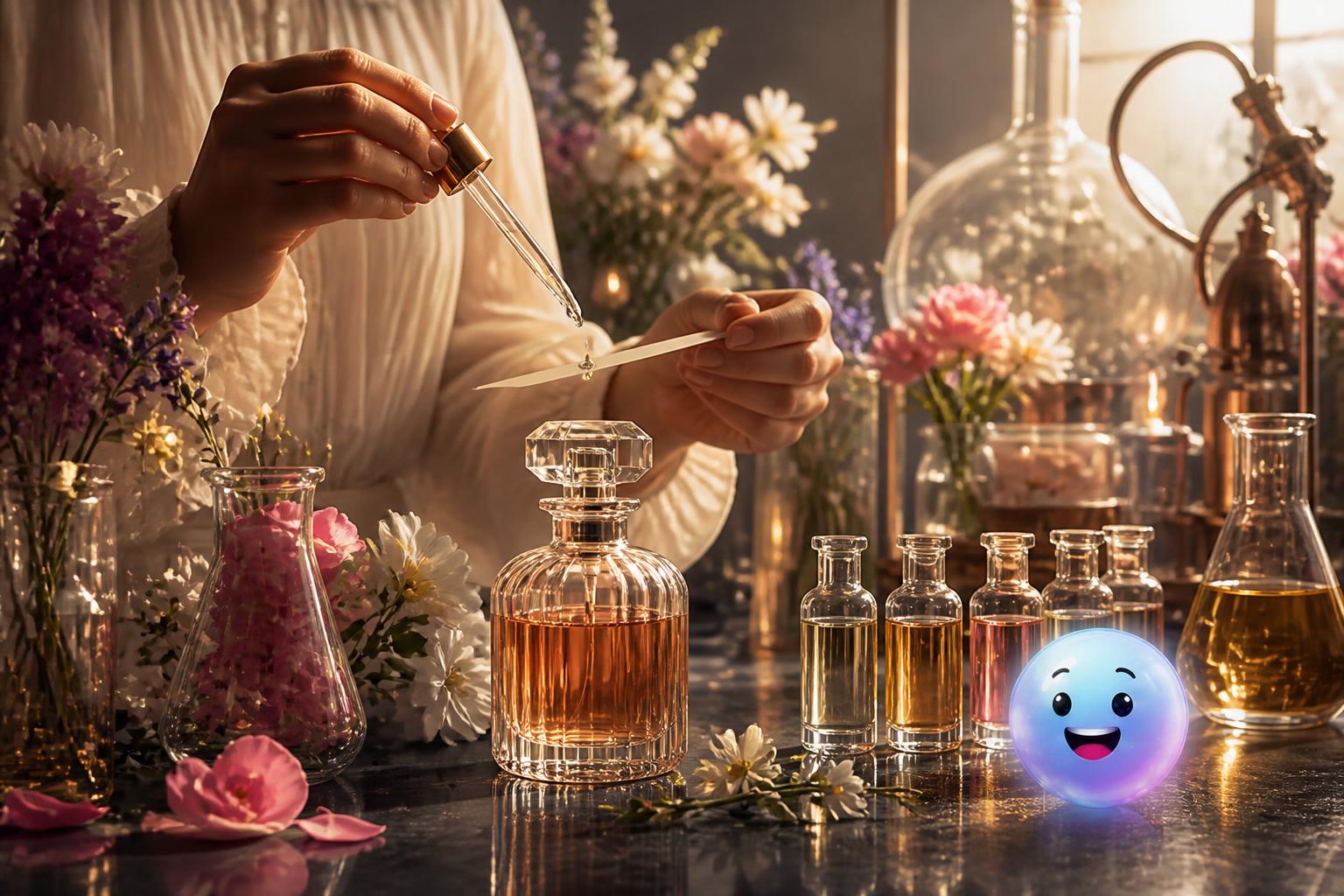
Rose Petals Needed for Rose Essential Oil
Discover the astonishing amount of rose petals required to produce just one pound of pure rose essential oil in perfume making.
The architecture of aroma
The training of a master nose
From petal to liquid gold
A global map of scent
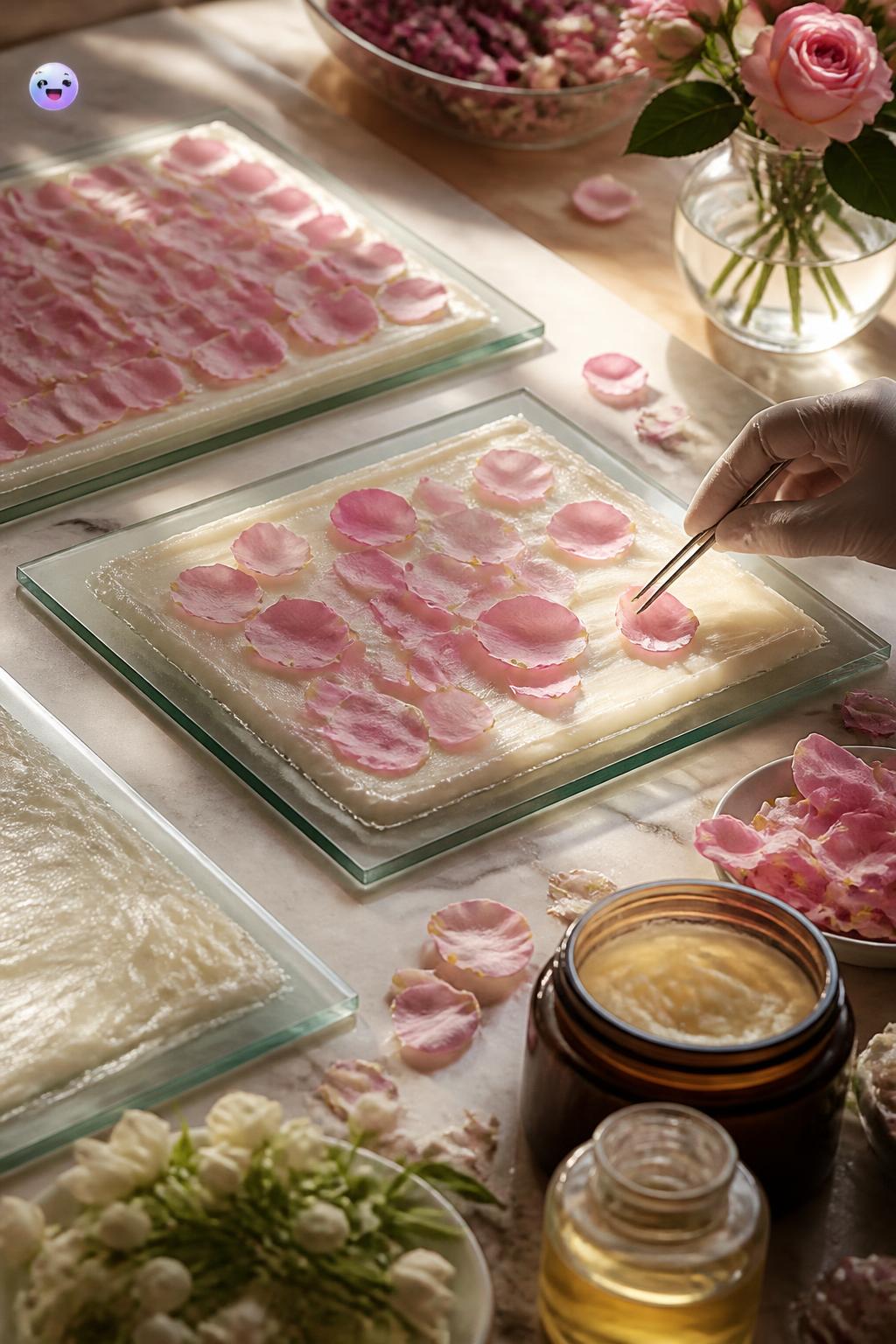
elorea Workers press fresh petals onto glass plates coated with odorless animal fat. Replacing the petals daily for weeks creates a highly concentrated scent mixture called concrete.
elorea In 1868, chemists synthesized coumarin to launch modern perfumery. Today, lab-made molecules recreate lily of the valley scents and protect endangered musk deer.
elorea Invented in the 1970s, this technique uses glass domes and vacuums to trap scent molecules. Chemists then analyze the filter to build digital recipes for recreating rare fragrances.
elorea Persian chemist Avicenna pioneered this technique in the tenth century. Hot steam bursts plant oil glands, which then cools and condenses into pure essential oil.
elorea Match floral ingredients to discover how master perfumers blend balanced, signature scents.
elorea From Petal to Absolute
Chase the dawn through the fields of Grasse, turn those sweet pink petals to liquid gold!
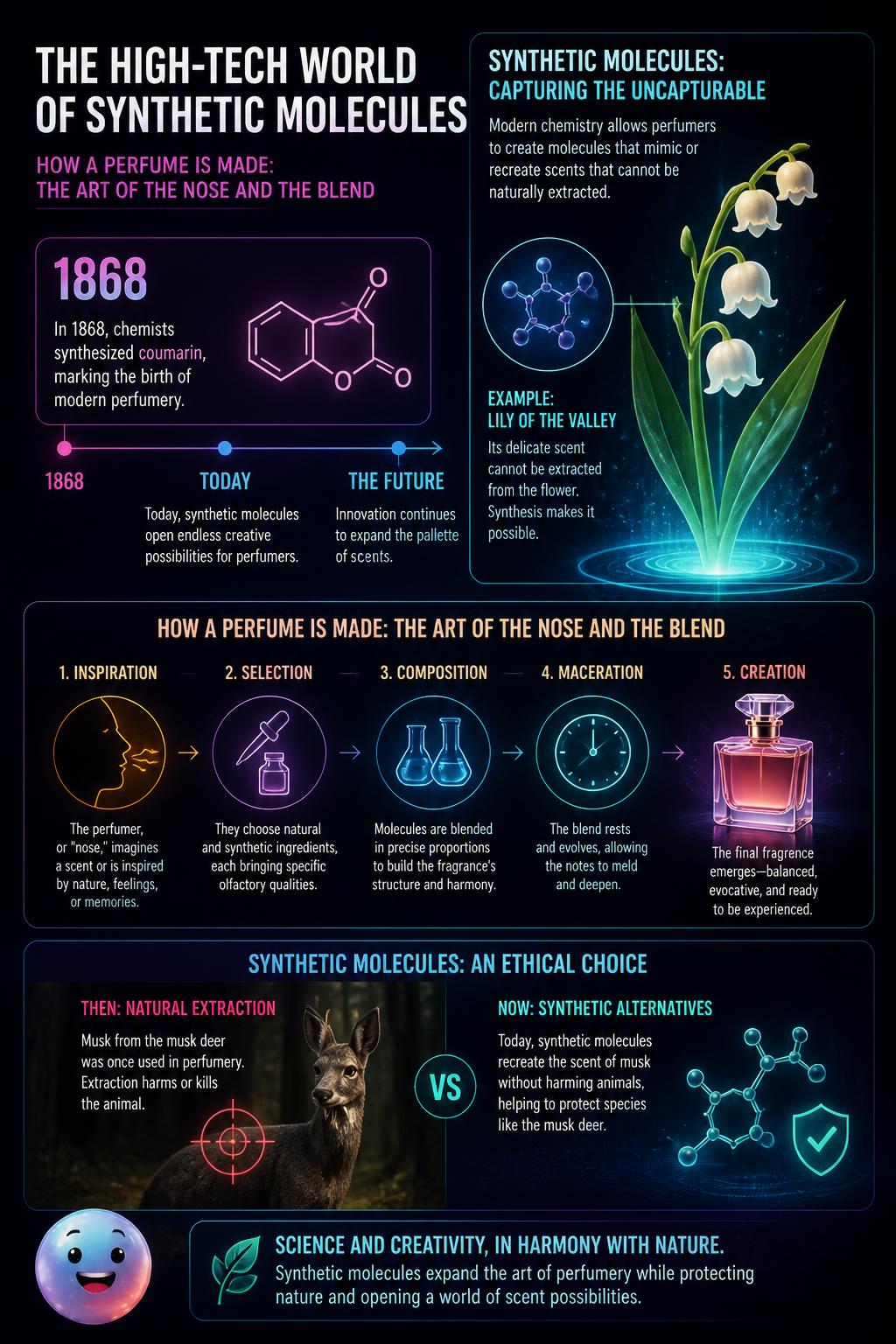
elorea Illustrated perfume bottles and molecular structures show the high-tech process of blending scents.
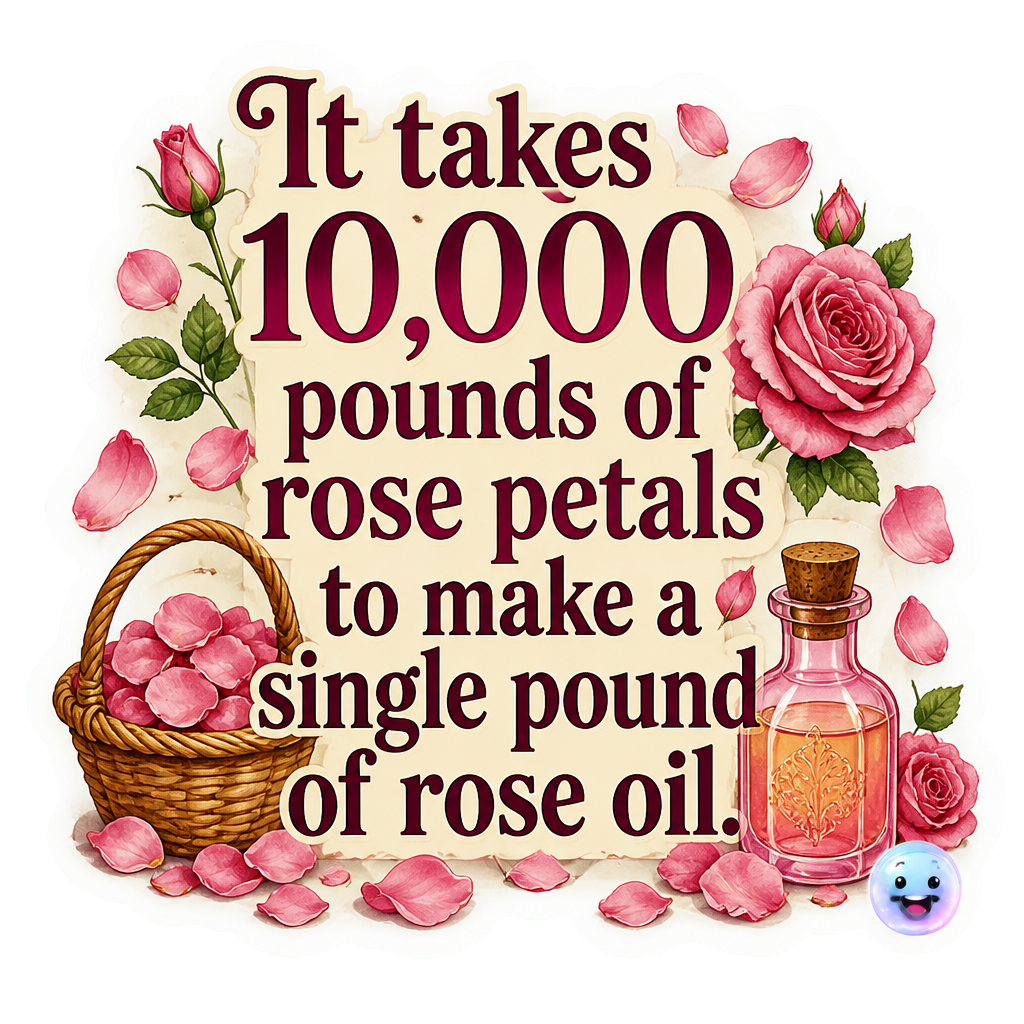
Rose oil riches: It takes about 10,000 pounds of individual rose petals to produce just one single pound of pure rose essential oil.
Which Persian chemist pioneered steam distillation for extracting plant oils in the 10th century?
What was the first synthetic scent molecule created in a lab in 1868, launching modern perfumery?
Why are synthetic ingredients in perfumes crucial for protecting animals like the musk deer?
What is the thick, scent-saturated wax or fat produced during solvent extraction or enfleurage called?
Approximately how many pounds of rose petals are needed to make just one pound of rose essential oil?
What is the name of the technology that vacuums the air around a living object to analyze and copy its scent?
What historical method uses odorless fat on glass plates to extract scent from delicate flowers?