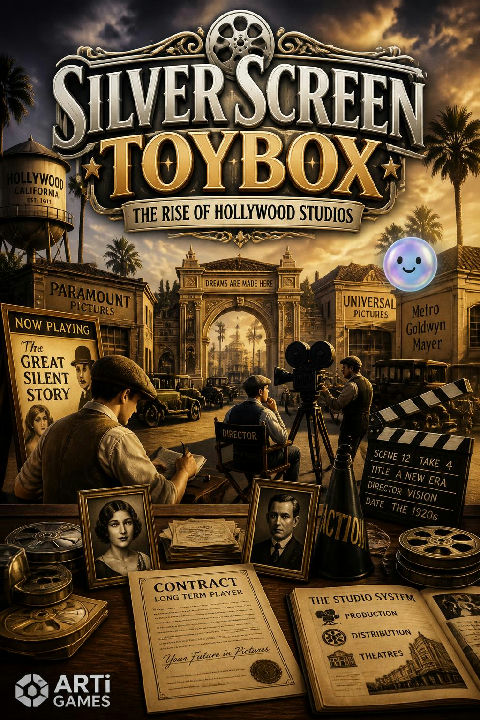
The birth of moving pictures
The art of silent storytelling
Global golden ages and masterpieces
The transition to sound and legacy
YOUR GOAL
Master of The silent film revolution
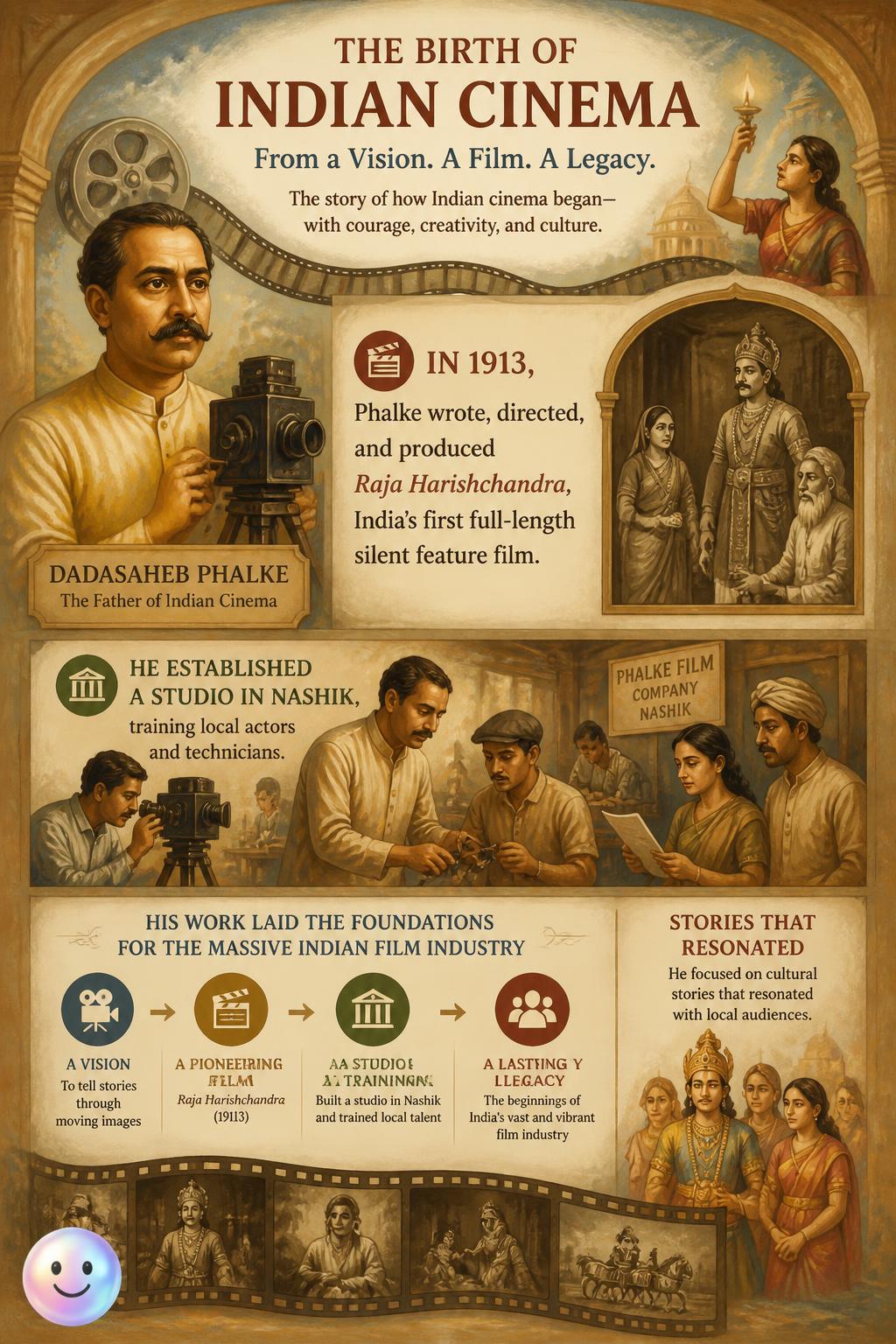
schopenhauer Dadasaheb Phalke founded Indian cinema by adapting mythological epics into silent masterpieces.
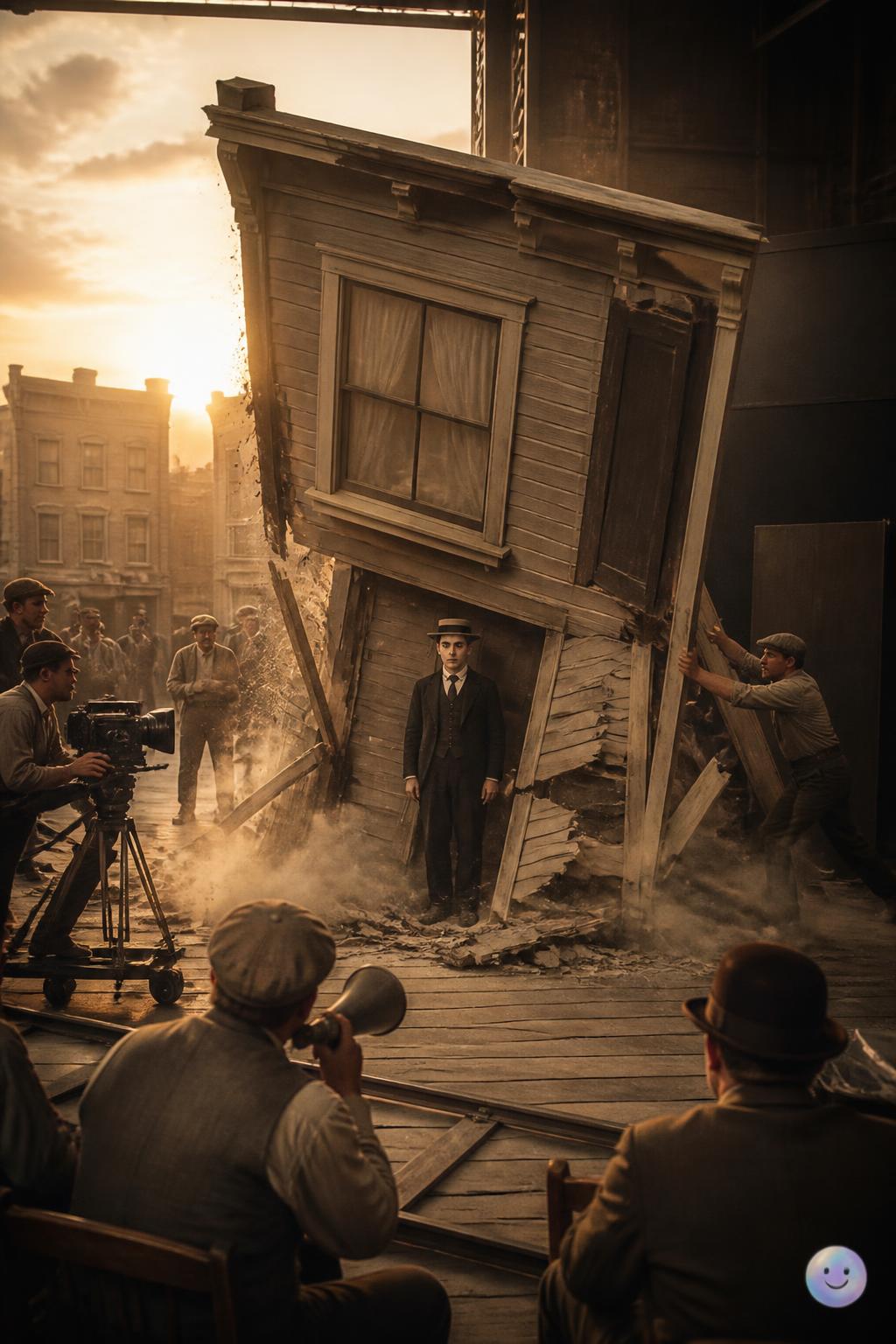
schopenhauer Comedians like Buster Keaton and Charlie Chaplin performed incredibly dangerous, real-life stunts for laughs.
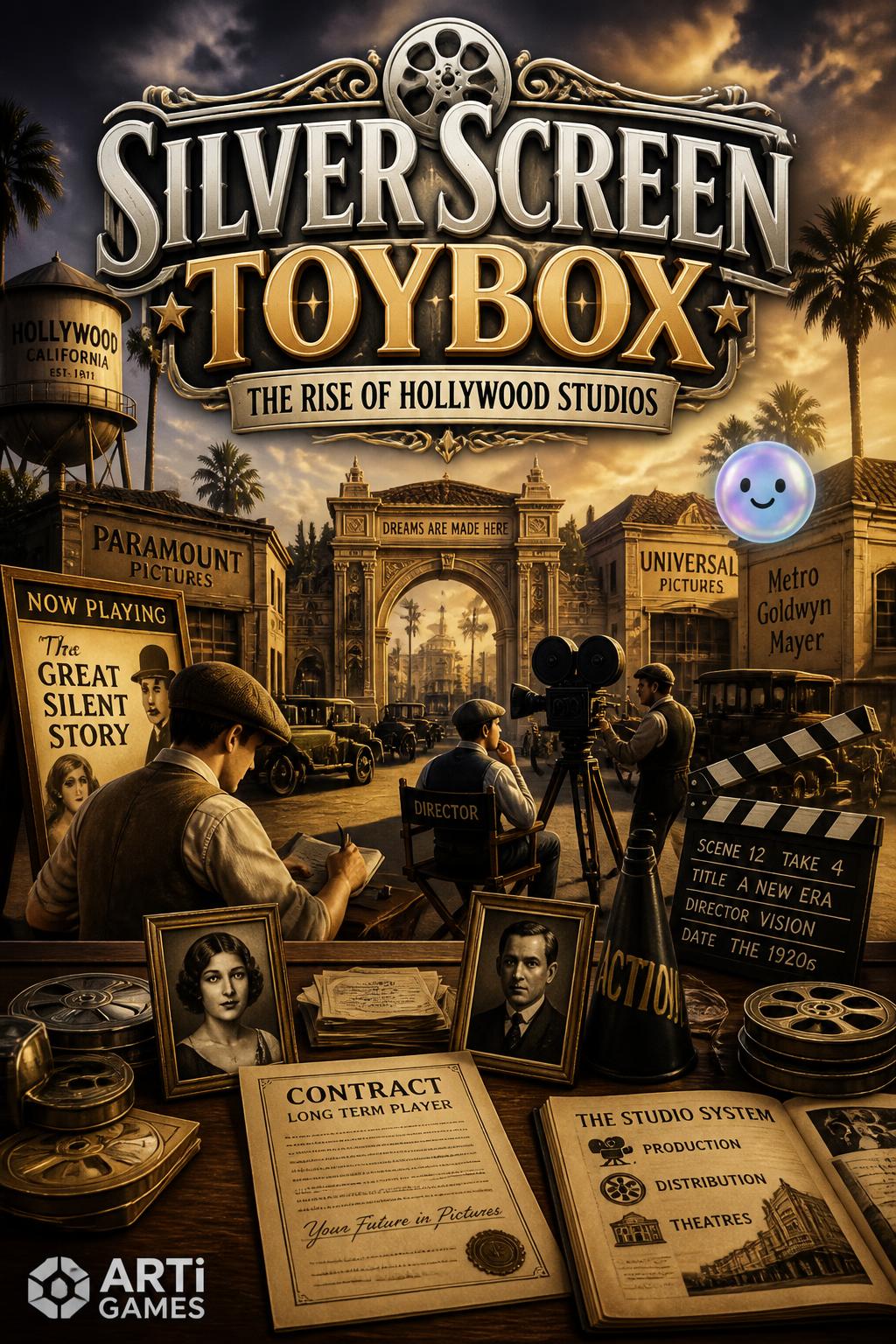
schopenhauer Sort silent film stars into their studios to master the history of early Hollywood.
Real-life danger: Buster Keaton performed his stunts with no safety nets. During a train stunt in Sherlock Jr., he fractured his neck and didn't realize it for years.
An artistic technique of editing separate film clips together to form a continuous, cohesive sequence. Soviet director Sergei Eisenstein pioneered this style in his acclaimed 1925 film Battleship Potemkin.
Why did early movie studios move their operations from New York and New Jersey to Southern California?
What cinematic technique did Soviet filmmakers like Sergei Eisenstein pioneer in the 1920s?
Under the Hollywood "studio system" of the 1920s, how were actors typically employed?
What characterized the set designs of German Expressionist films like "The Cabinet of Dr. Caligari"?
Which famous sequence from the 1925 film Battleship Potemkin demonstrated the emotional power of rapid editing?
Which 1920 film is widely considered the landmark masterpiece of German Expressionist cinema?
Who directed the 1913 film Raja Harishchandra, which is celebrated as India's first silent feature film?
In the 1928 comedy "Steamboat Bill, Jr.", Buster Keaton performed a famous stunt involving what?