
BETA
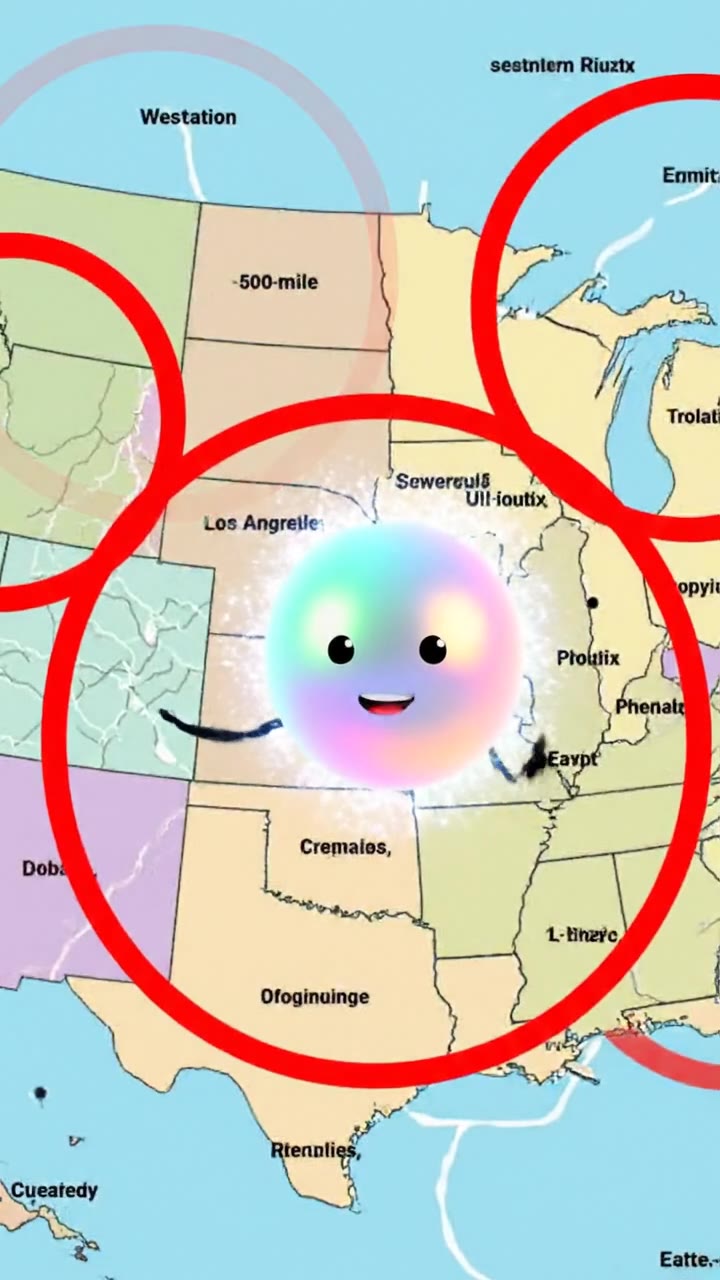
To maintain its strict quality standards, In-N-Out refuses to open any restaurant located more than 500 miles from its distribution facilities. This rule ensures that all beef patties arrive fresh and are never frozen. Because of this policy, the chain has expanded slowly, keeping its footprint concentrated in the West [1.2.5].
diletta Defend your favorite burger chain to discover how regional loyalties divide Texas food culture.
diletta Whataburger In-N-Out War
When new burgers come to town, Texas loyalty stands its ground, Whataburger's our crown!
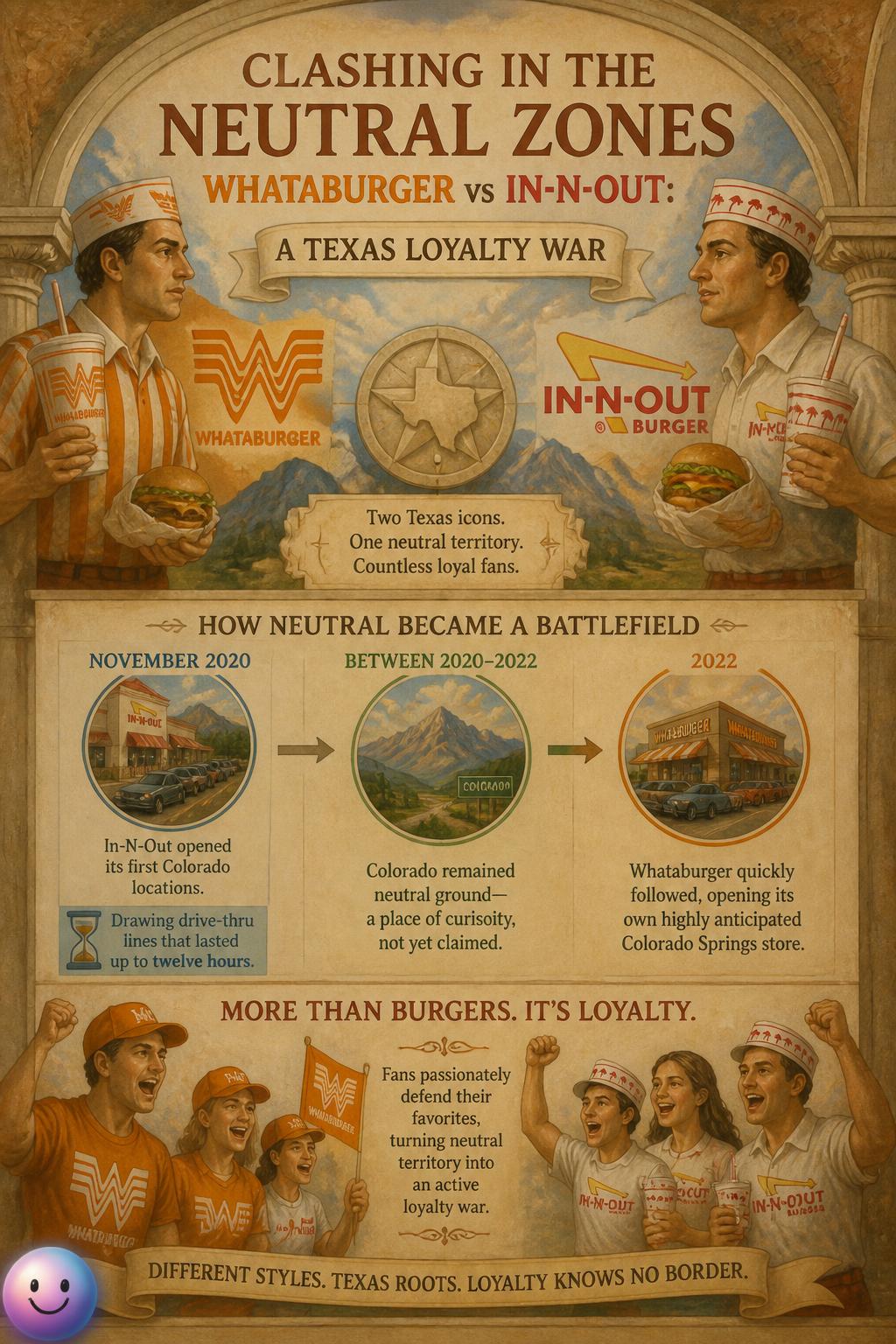
diletta Neutral states like Colorado have turned into burger battlefields, with long lines forming as both brands open competing locations.
No freezers allowed: In-N-Out restaurants do not have freezers, microwaves, or heat lamps, meaning everything must be prepared completely fresh daily.
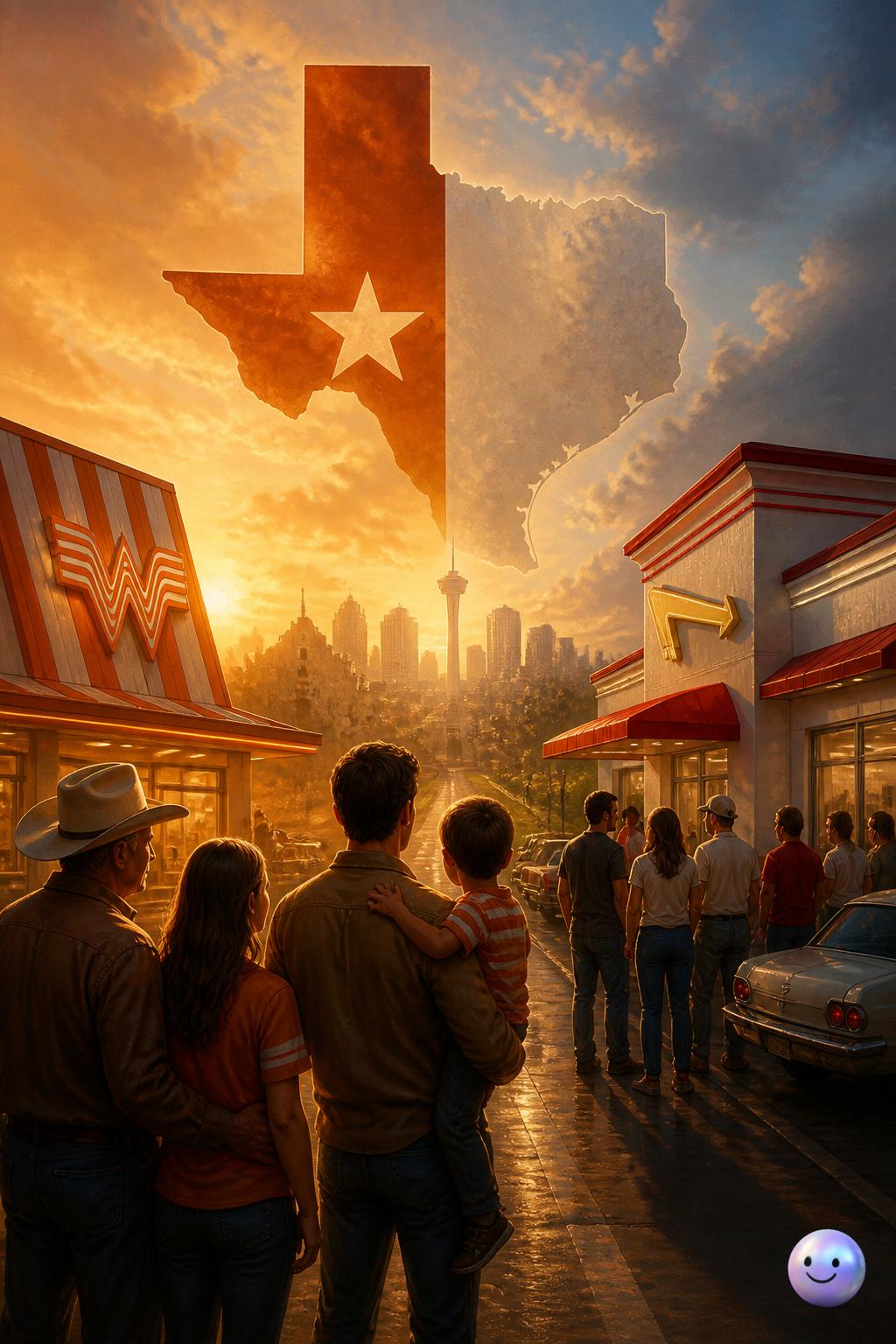
diletta Whataburger's sale to a Chicago investment firm in 2019 sparked intense debate over whether the brand would lose its Texas soul.
Why does In-N-Out limit its restaurant locations to areas near its own distribution centers?
As of recent years, which state has become a major battleground featuring highly anticipated openings for both chains?
What major operational change did Whataburger experience after its acquisition by BDT Capital in 2019?
What is the maximum distance an In-N-Out restaurant can typically be from one of its patty-making facilities?
Which of the two chains has more total restaurant locations operating across the United States?
In 2019, the Dobson family sold a majority stake in Whataburger to an investment firm based in which city?