Psychology of Luxury: Why We Desire Expensive Things
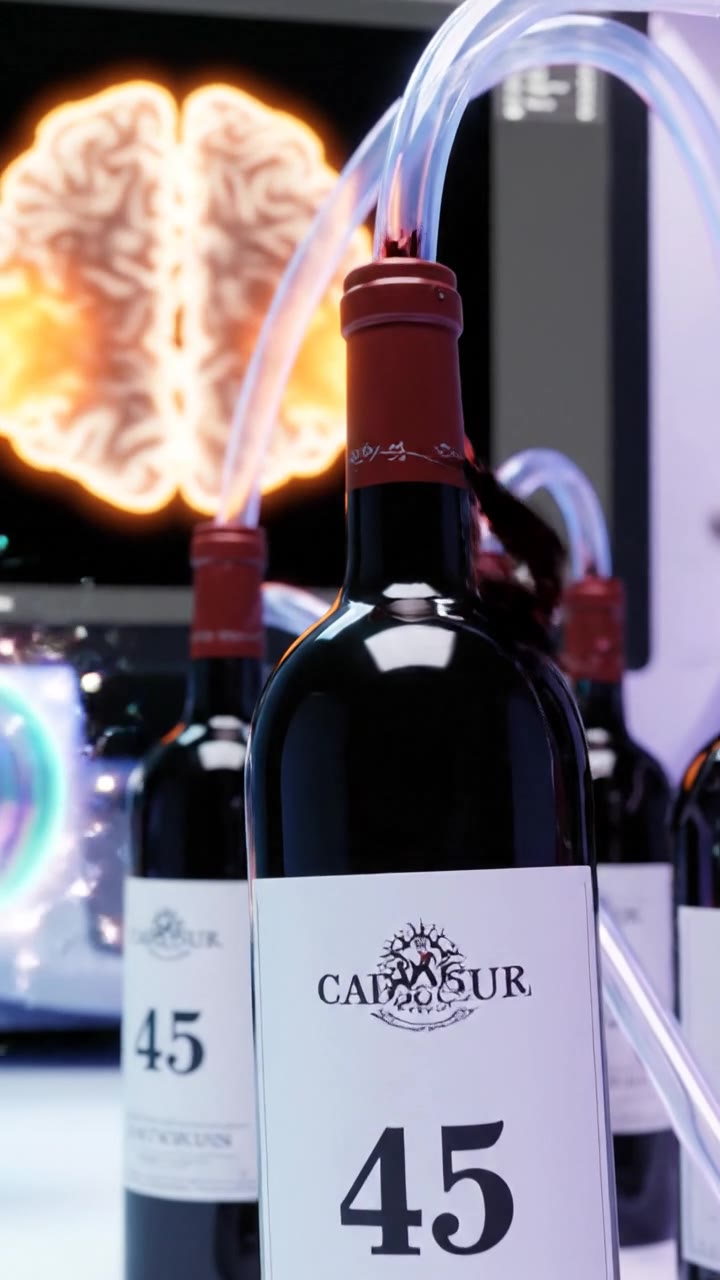
In a famous neuroimaging study, participants tasting identical red wine showed significantly higher neural activation in their brain's pleasure center, the medial orbitofrontal cortex, when they believed the wine was expensive.
The allure of the rare
Showing off to survive
How the brain prices luxury
Global cultures of status
louisvuitton Sociologist Thorstein Veblen introduced luxury goods in 1899 that defy normal economic rules. High price tags on items like Rolex watches actually attract buyers by signaling exclusive status
louisvuitton Phoenicians harvested twelve thousand Murex snails for a gram of dye. Emperor Aurelian refused his wife a purple shawl in 275 CE because it cost its weight in gold.
louisvuitton In 1637, buyers traded 2,500 florins for one Viceroy tulip bulb. This massive sum purchased grand Amsterdam canal mansions, revealing how collective obsession drives luxury prices.
louisvuitton Supreme sells branded clay bricks through timed online drops to trigger consumer FOMO. This artificial scarcity fuels a multi-billion dollar secondary resale market for everyday items.
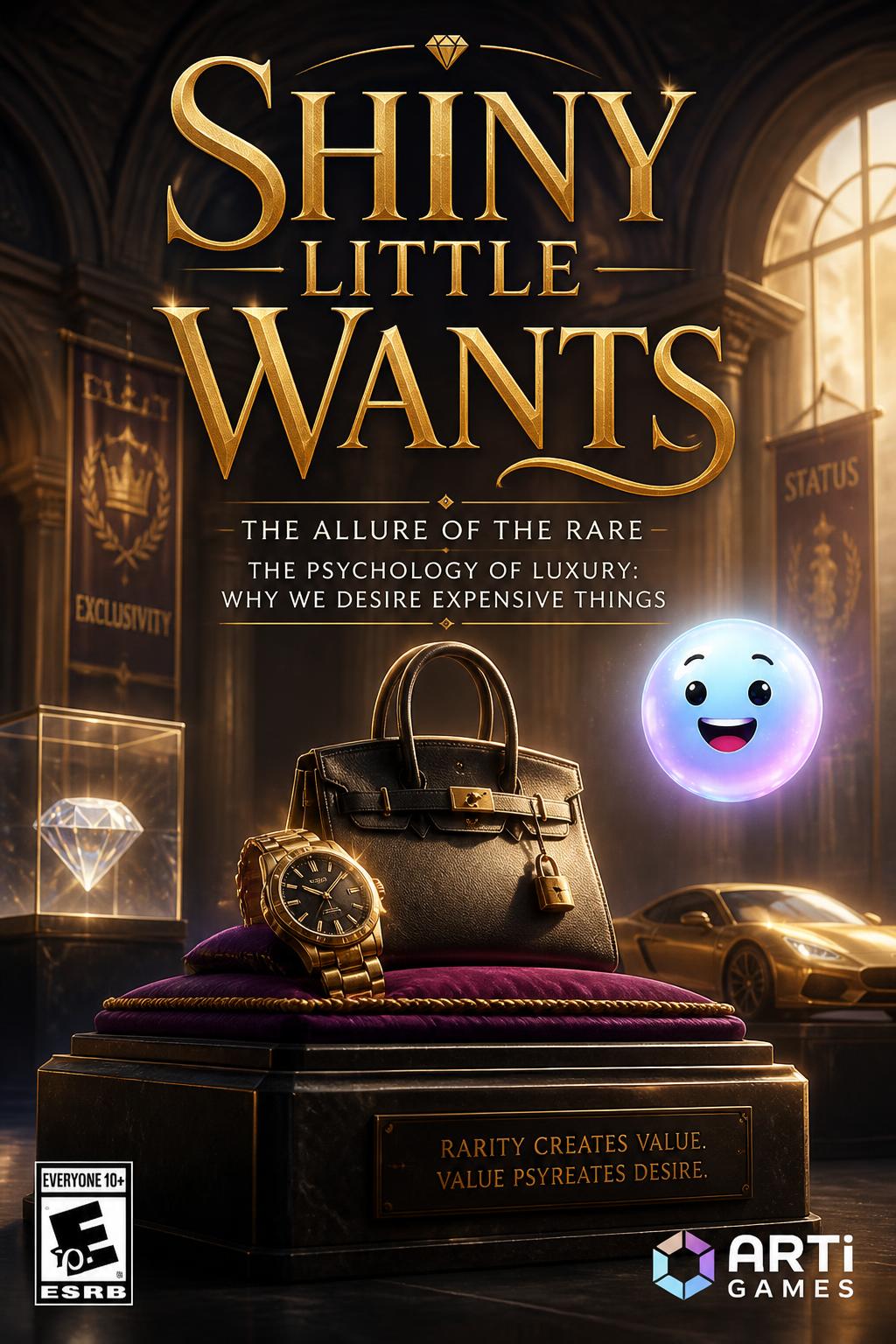
louisvuitton Sort flashy status symbols to discover why we crave expensive luxury items.
louisvuitton The Allure of the Rare
Label it luxury, watch my brain light up (light up!) / Drinking cheap wine from an expensive cup (oh-oh!)
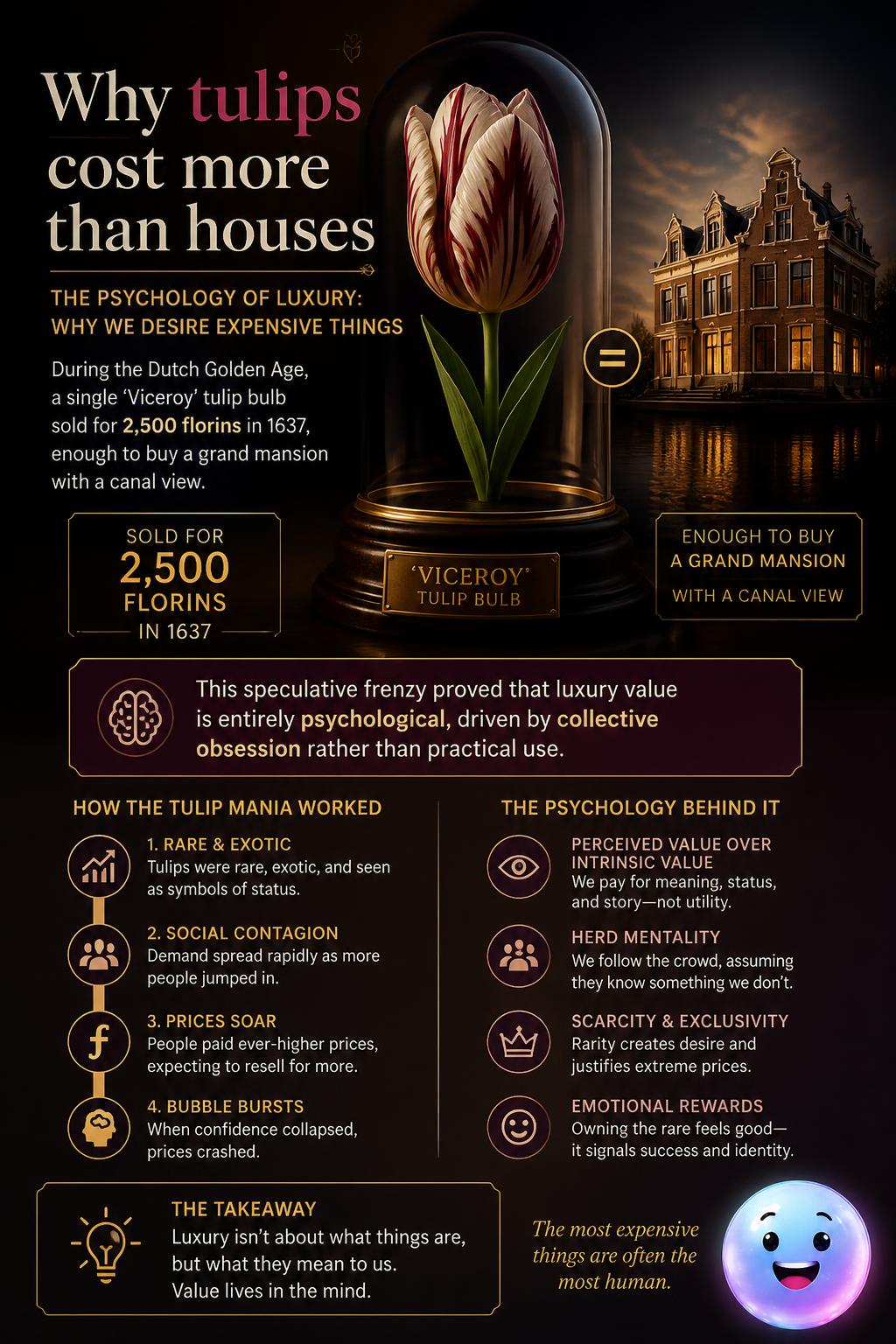
louisvuitton Illustrations compare a single Viceroy tulip bulb to a grand Dutch canal mansion.
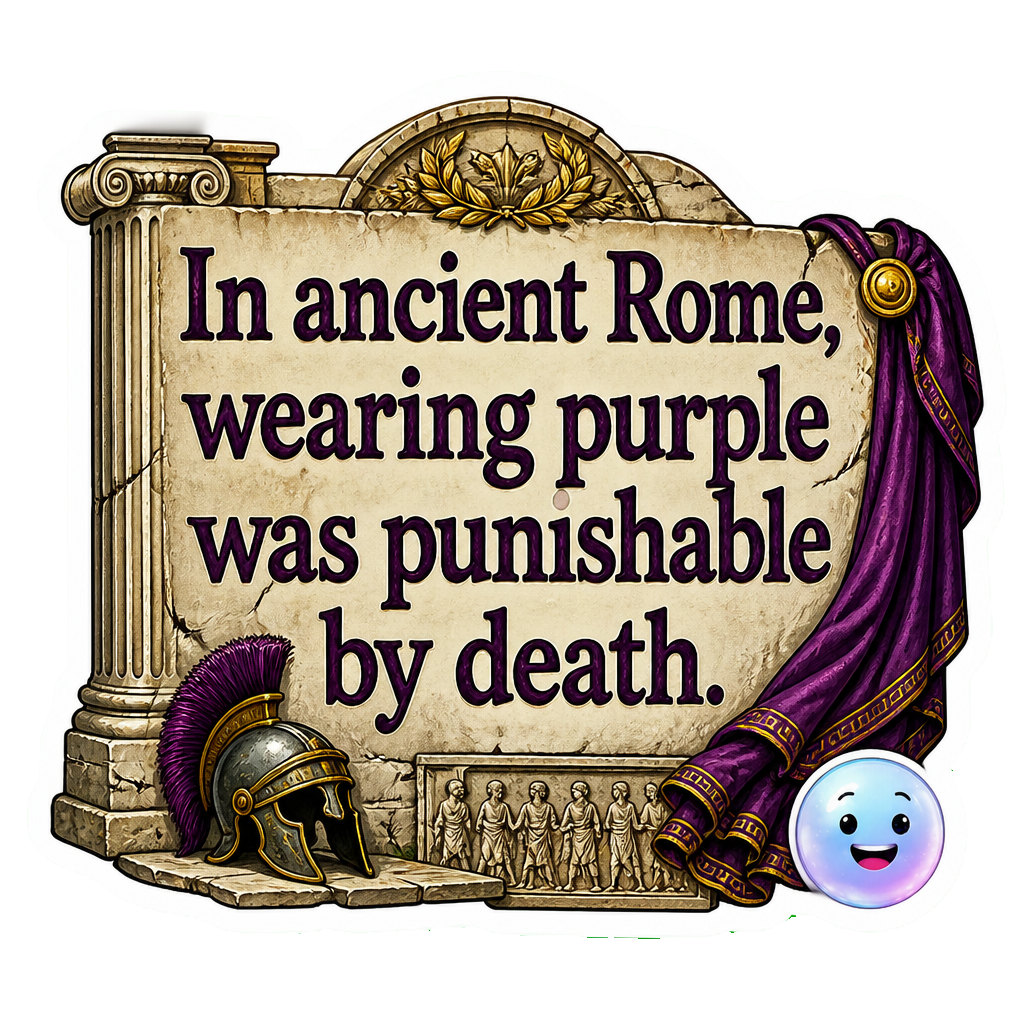
Tyrian purple dye: Roman sumptuary laws actually made it illegal for ordinary citizens to wear purple, punishable by death.
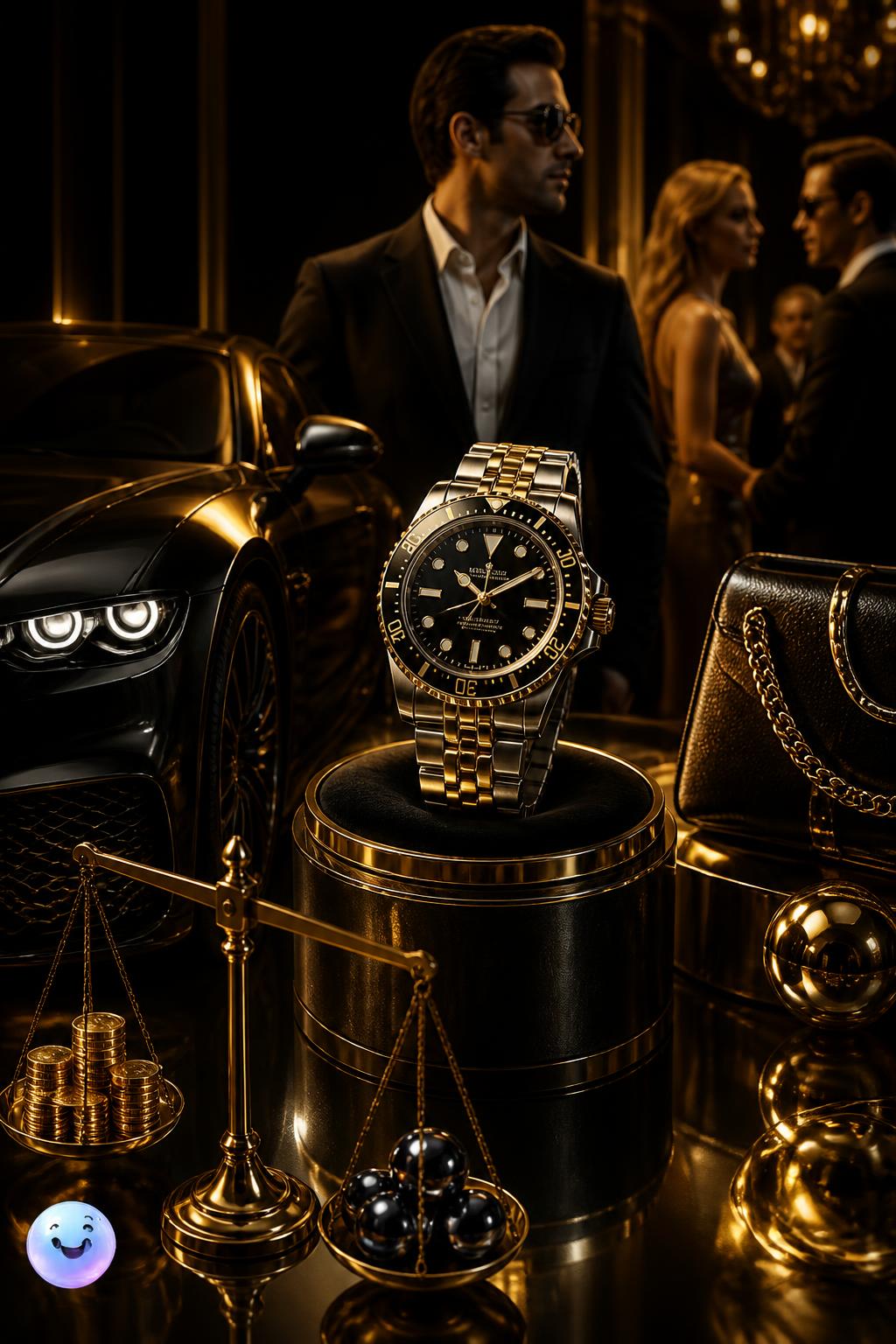
louisvuitton A luxury watch sits under dramatic dark lighting on a glossy reflective surface.
Which ancient civilization first created the highly prized Tyrian purple dye using sea snails?
Which Roman Emperor in 275 CE famously banned his wife from buying a purple silk shawl?
In what year did sociologist Thorstein Veblen publish the book introducing 'Veblen goods'?
What modern marketing strategy involves releasing limited-edition items at specific times to create artificial scarcity?
What was the name of the highly prized, striped tulip bulb that became a symbol of Dutch Tulip Mania?
What psychological phenomenon drives people to buy limited-edition items out of fear they will sell out?