Sacred smoke and royal baths: the origins of Korean scent
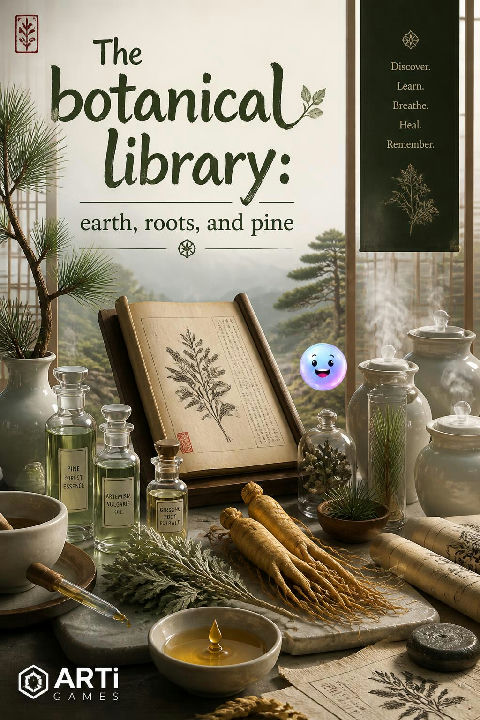
The botanical library: earth, roots, and pine
The modern alchemy: bottling hanbang for the global nose
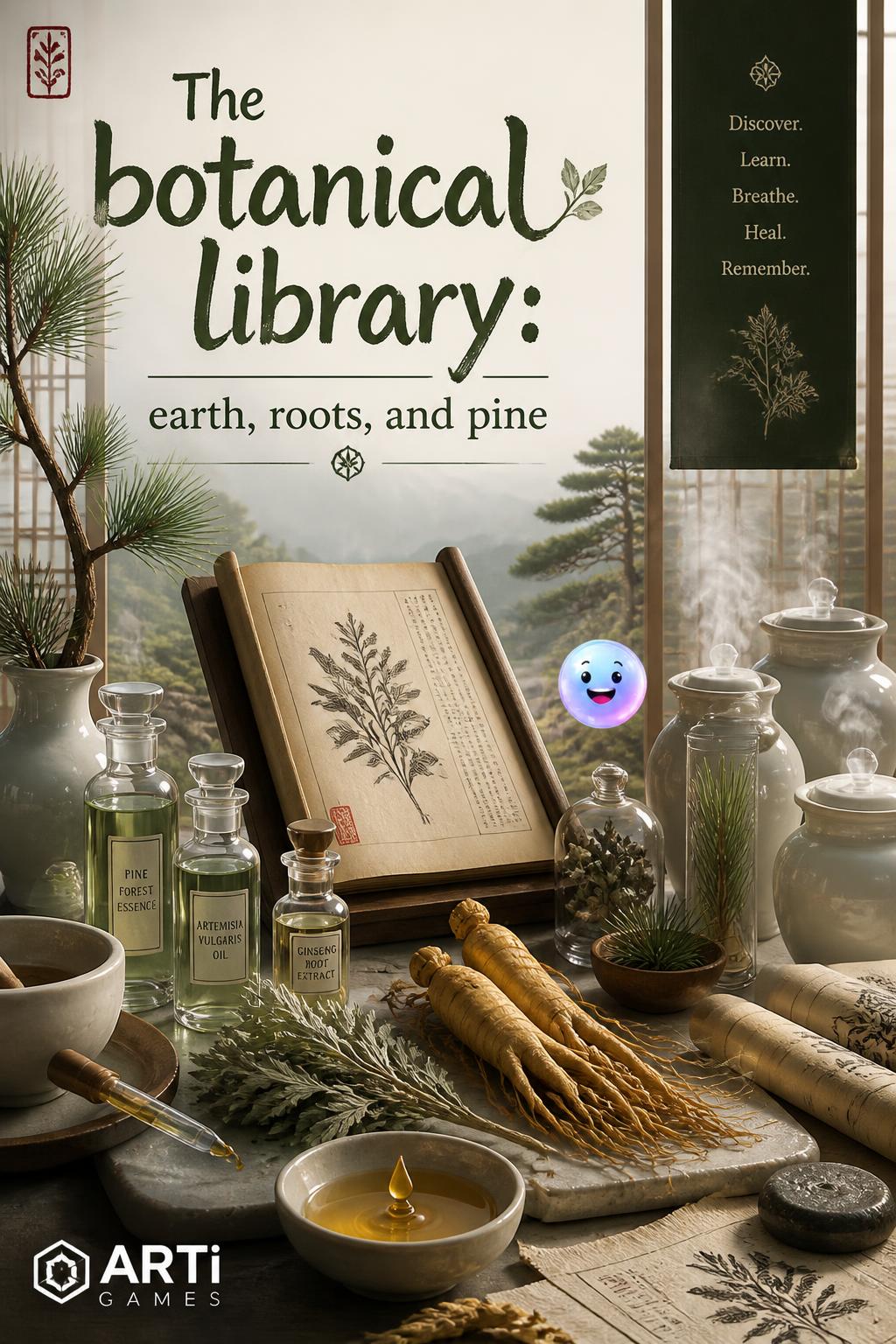
elorea Blend earth, roots, and pine to discover how hanbang botanicals became modern Korean fragrances.
elorea The Delicate White Lotus
Float and bloom, float and bloom, Sweet white lotus fills the room!
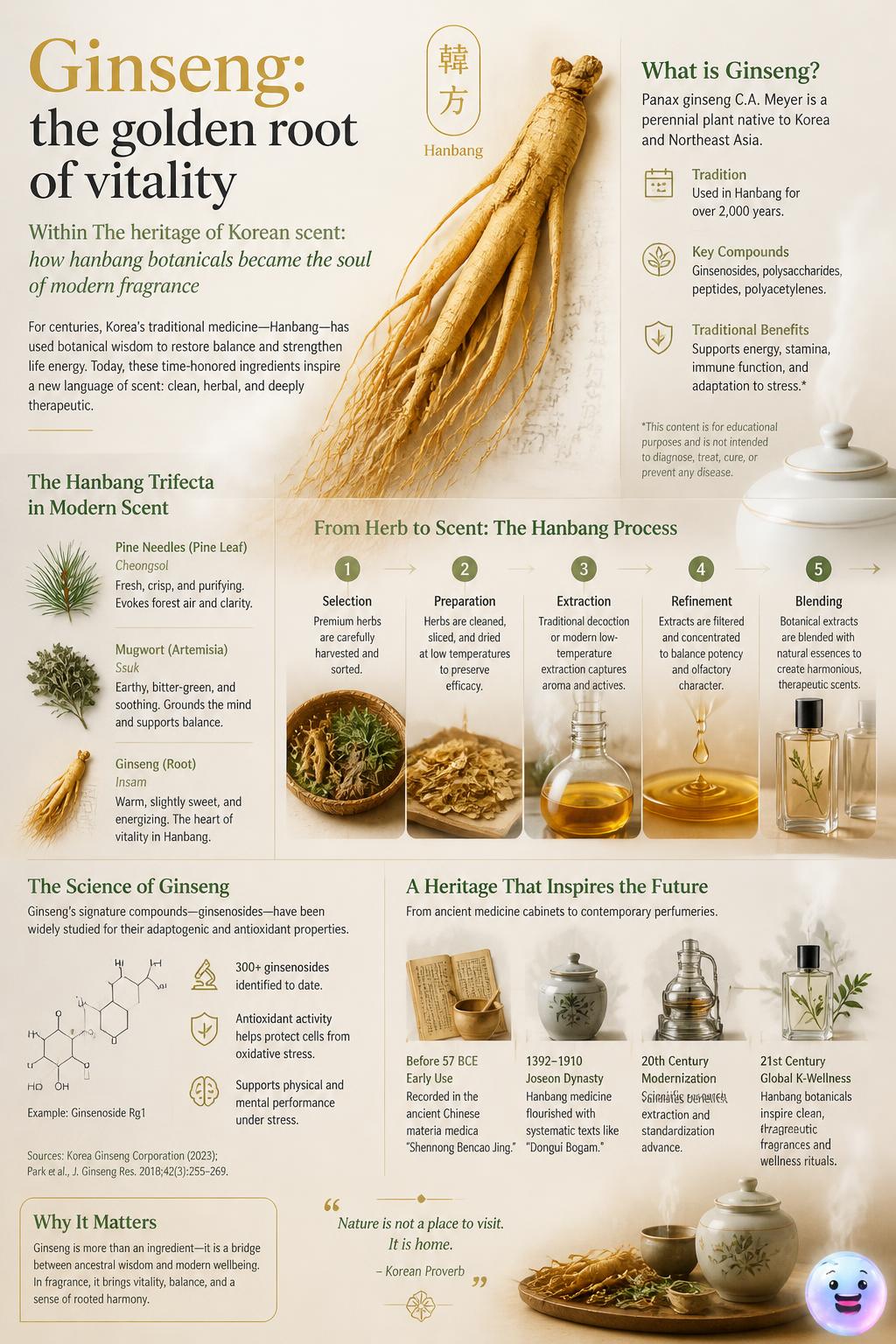
elorea Ginseng grounds modern fragrances by blending unique notes of damp earth, sweet licorice, and bitter root to evoke ancient forests
How long has ginseng been harvested and utilized in the Korean peninsula for its medicinal and aromatic properties?
What is the Korean name for ginseng, the highly prized root known for its earthy and bittersweet scent profile?

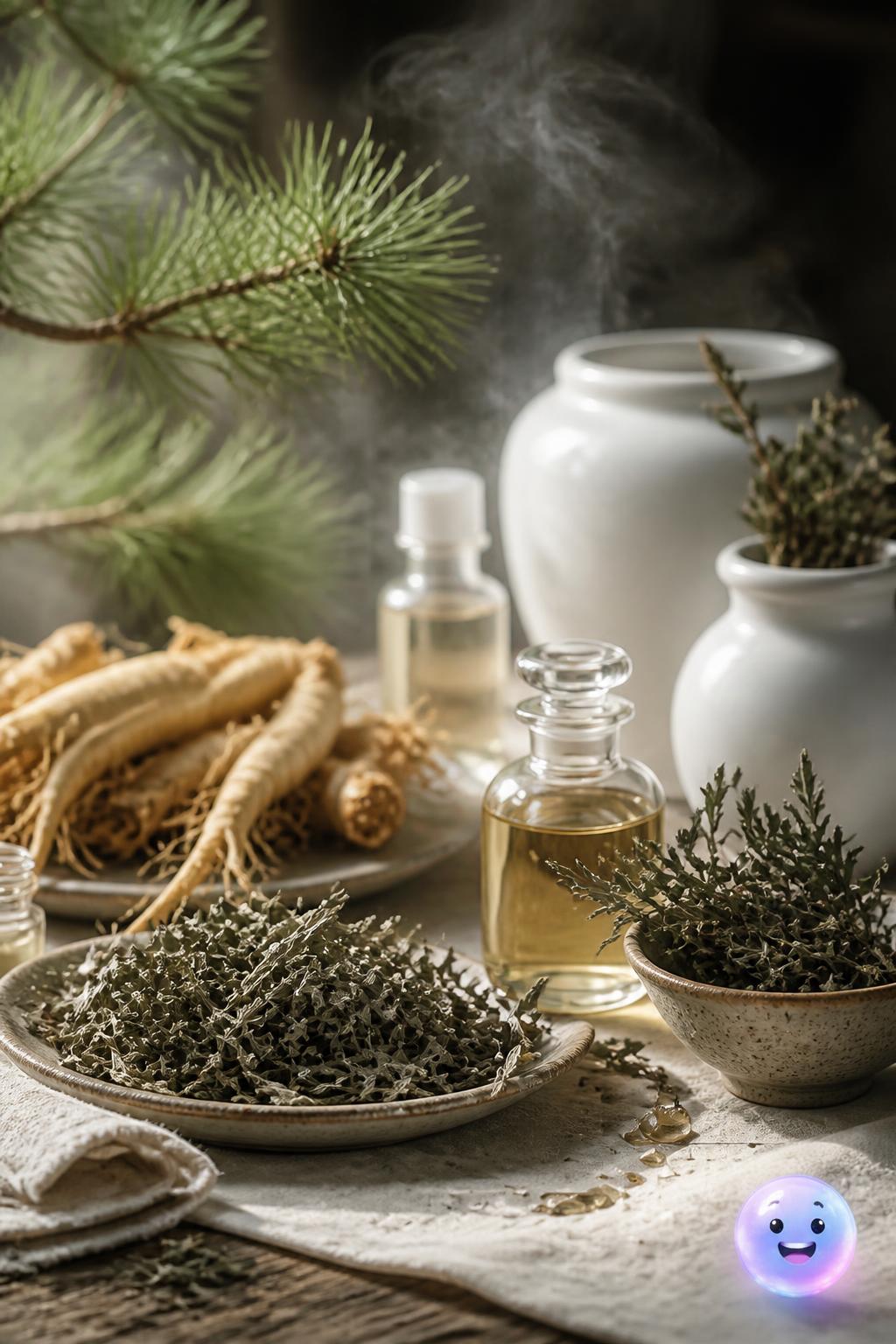
elorea Traditional Korean hanbang botanicals like ssuk shape modern therapeutic and skin-calming fragrances.
In Korean mythology, which animal ate mugwort and garlic to transform into the very first Korean woman?
What is the Korean name for mugwort, a resilient herb with a warm, herbaceous, and slightly smoky scent?
Pine needle power: Korean red pine needles contain high levels of phytoncides, which are natural airborne compounds that protect trees from bacteria and insects.
What traditional Korean concept describes the practice of walking through a forest to inhale beneficial tree scents for health?
Which resilient tree, symbolizing longevity in Korea, produces a crisp, resinous wood scent used in premium wellness fragrances?
Traditional Korean medicine that utilizes herbal remedies to promote holistic health. In 1613, royal physician Heo Jun published the Donguibogam, documenting native botanical remedies like pine and ginseng.
What does the white lotus (yeonkkot) symbolize in traditional Korean culture, reflecting its growth from muddy waters into a pristine bloom?
What are the key scent characteristics of the Korean lotus flower as used in traditional and modern fragrances?