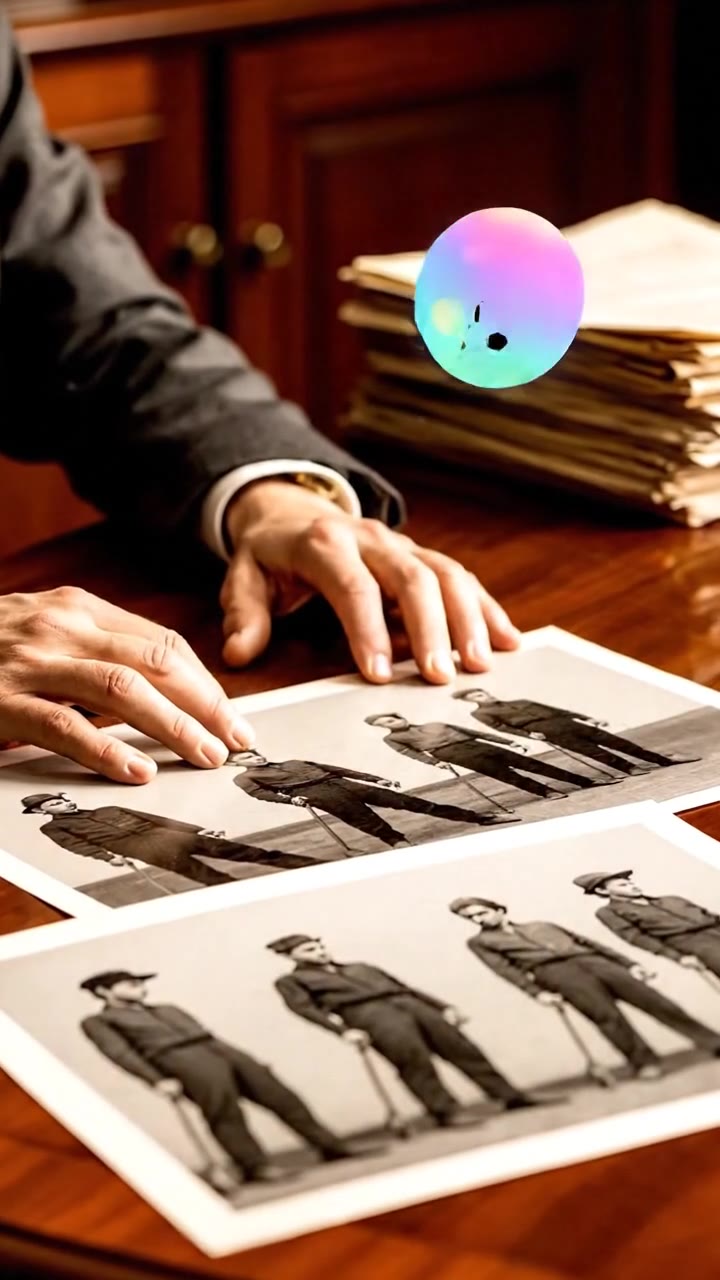
Carbondale Coal Miners: Camera That Changed the Laws
In the early 1900s, sociologist and photographer Lewis Hine visited the coal breakers of northeastern Pennsylvania. His striking, haunting photographs of dirty, exhausted breaker boys shocked the American public and became key evidence in the successful campaign to pass federal child labor laws.
The birth of America's first deep mine
The dark and dangerous life underground
The breaker boys and child labor
The immigrant melting pot and labor unions
vadaleela Carbondale's young slate pickers developed hunched backs and bleeding cuts from sorting sharp coal without gloves.
vadaleela Carbondale, Pennsylvania coal miners started as breaker boys, worked underground, and returned to the breaker when old.
vadaleela In Carbondale, young breaker boys sat on wooden boards over fast chutes, sorting coal with bare hands.
vadaleela Carbondale Breaker Boys
Bare hands on the slate and coal in our eyes, We cleared out the stone so the nation could rise.
vadaleela Discover how a single camera captured the lives of Carbondale, Pennsylvania coal miners and helped change labor laws forever in this video.
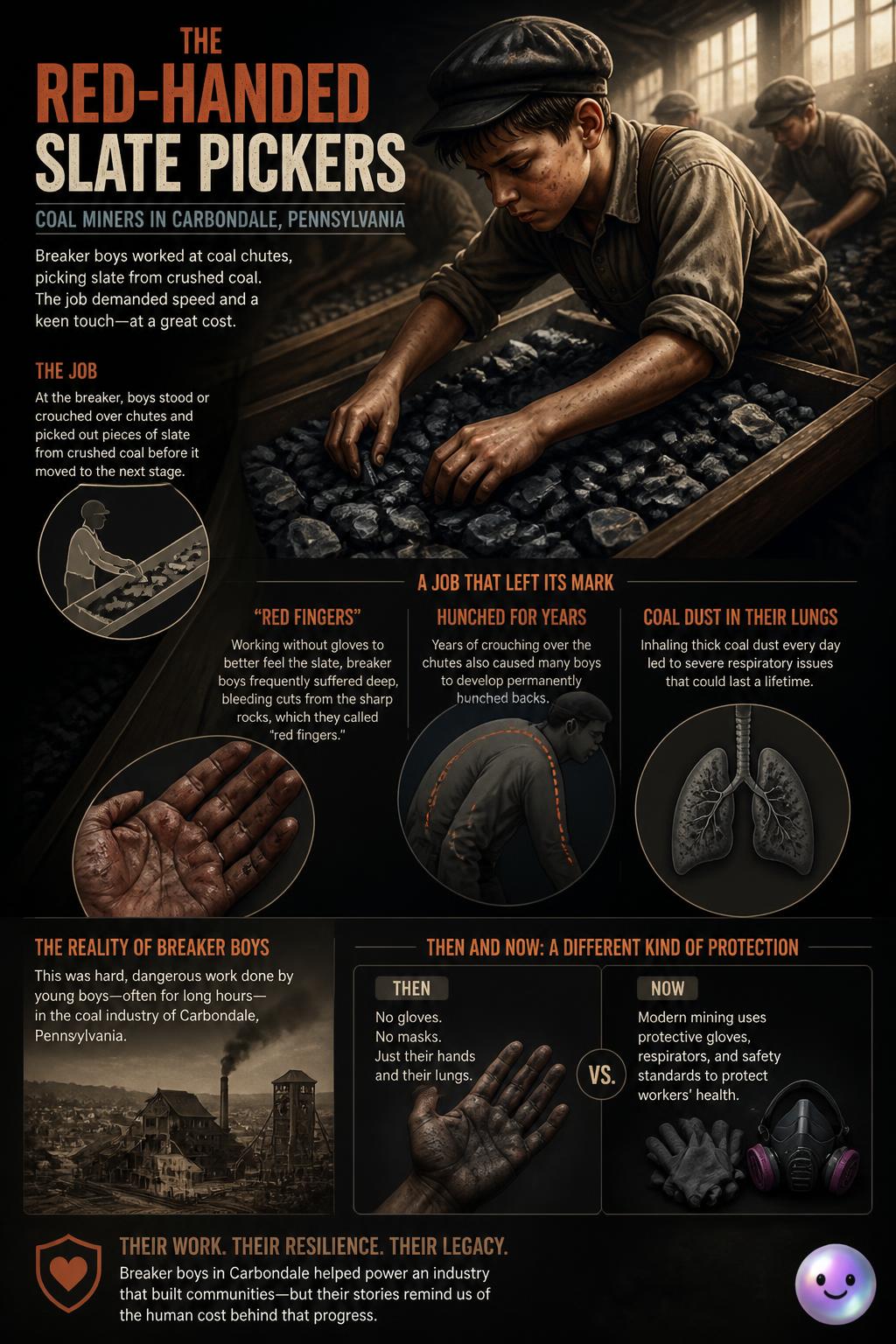
vadaleela Breaker boys suffered painful cuts and physical deformities from their daily labor.
Glove ban: Breaker boys were strictly forbidden from wearing gloves because bosses believed bare hands were faster and more accurate at feeling and removing sharp slate.

vadaleela The life cycle of a Carbondale miner often began and ended in the coal breaker.
A child laborer employed at a coal-processing facility to separate impurities from coal by hand. Carbondale boys as young as eight sorted slate from coal for the Delaware and Hudson Canal Company.
What did breaker boys wear over their faces to try and filter out the thick coal dust?

vadaleela Play this educational game about Carbondale, Pennsylvania coal miners and the harsh breaker bosses who ruled the mines with whips.
What nickname was given to the hunched backs that breaker boys developed from crouching over coal chutes?
What did breaker bosses use to keep the young boys focused and awake in the deafening, dusty breakers?
What does the saying 'Twice a boy and once a man' refer to in a miner's life cycle?
Which famous investigative photographer exposed the harsh conditions of Pennsylvania's breaker boys in the early 20th century?
At what age did young boys typically start working in the coal breakers of Carbondale?