Chapter 1
How money got its names
Chapter 2
Beyond paper and metal
Chapter 3
Hidden details and security secrets
Chapter 4
Wild, weird, and record-breaking money
Chapter 5
Currencies that cross borders
YOUR GOAL
Master of Secrets of world money
Ch 2 · Beyond paper and metal

schopenhauer Alternative Currency Materials
On the island of Yap, heavy wheels made of stone, Are traded by voice while they sit all alone.
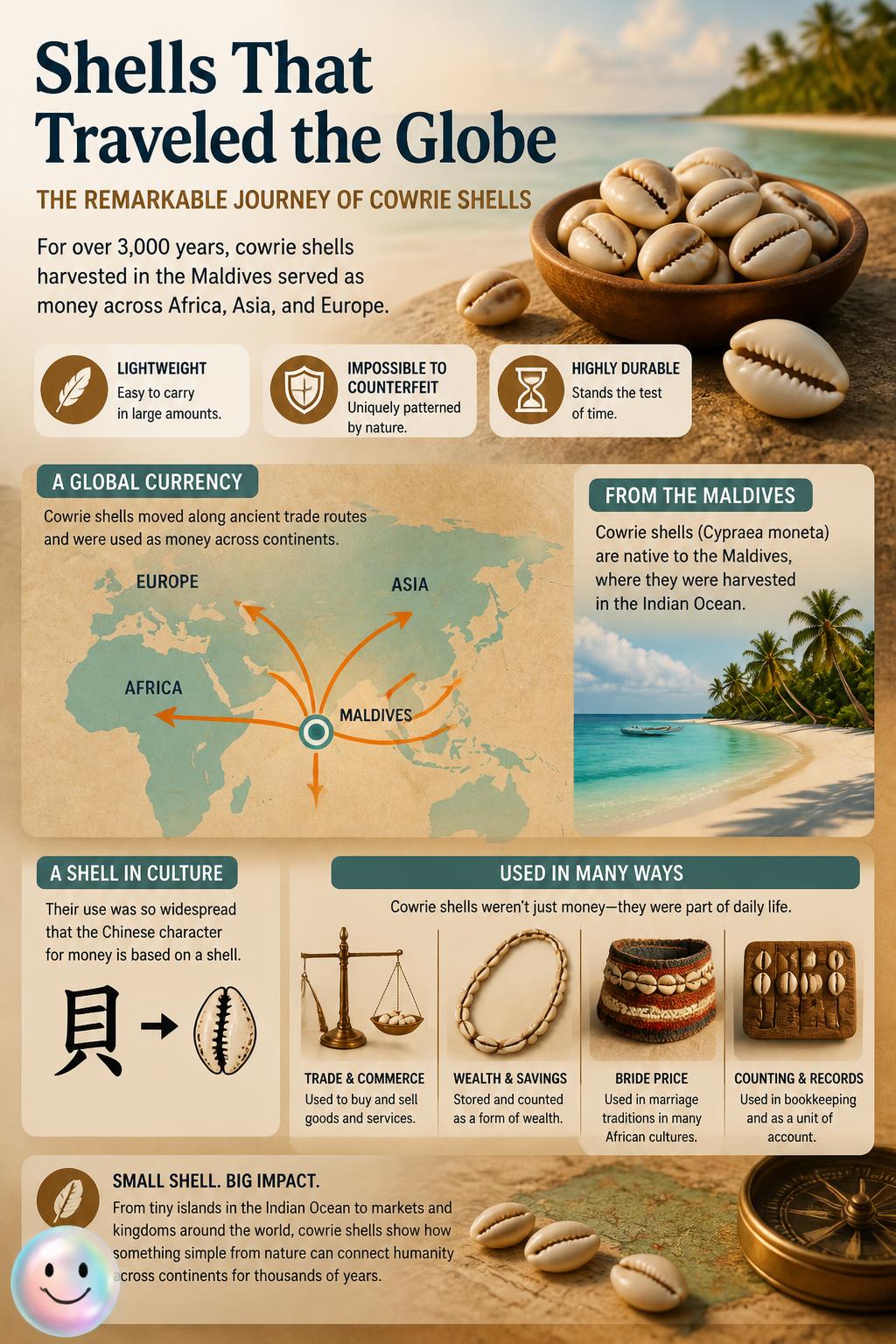
schopenhauer Glossy cowrie shells were once the most widely used international currency in human history.
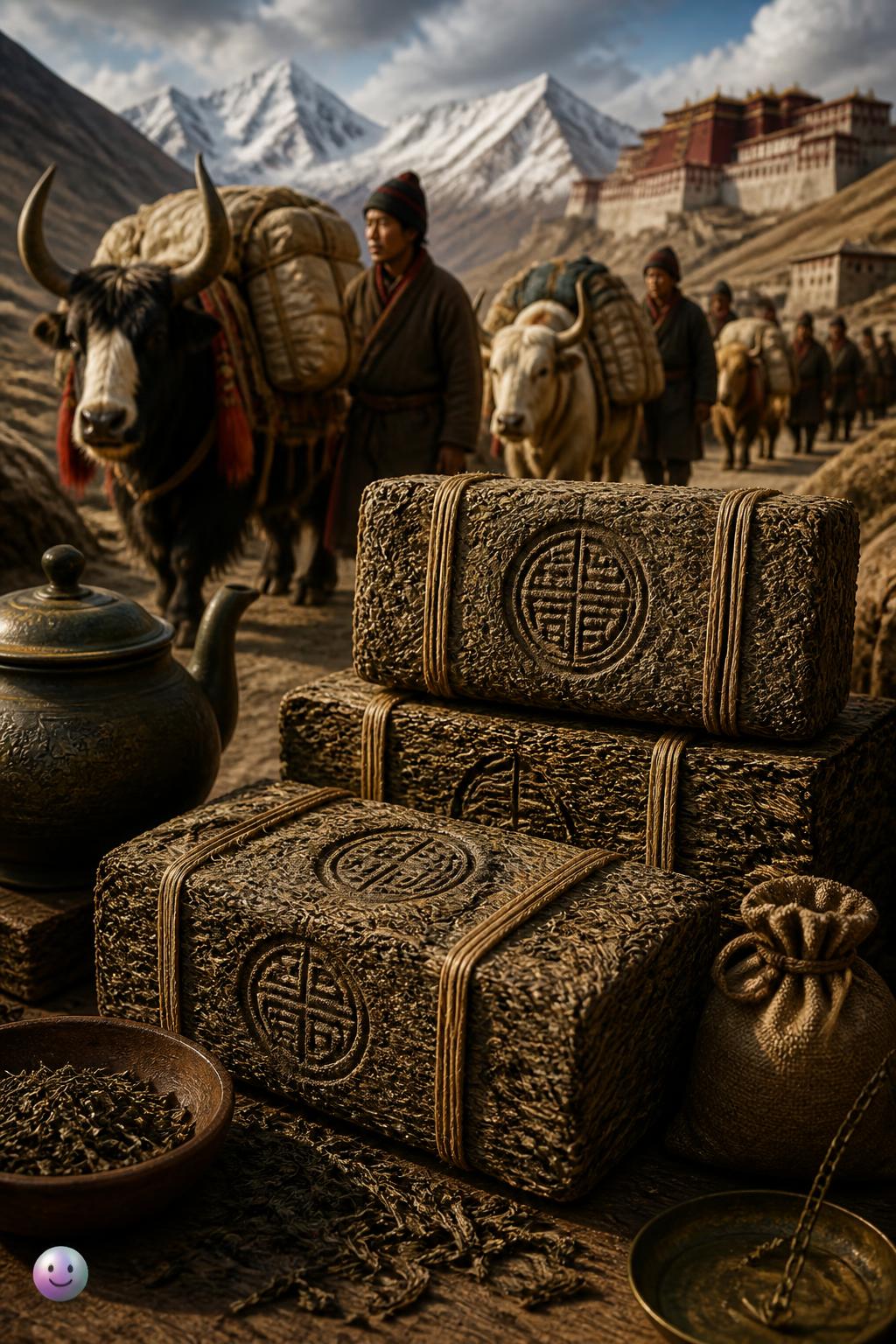
schopenhauer Compressed blocks of tea served as a durable, edible form of currency across East Asia.
BETA
schopenhauer Sort global coins into their home countries to learn the names of world currencies.
Fun Fact
Yap stones: The giant stone Rai wheels of Yap island can still be traded even if they sink to the bottom of the ocean.
Glossary
cryptocurrency (noun)
A digital currency secured by cryptography that functions as a decentralized medium of exchange. Satoshi Nakamoto introduced Bitcoin in 2009, initiating the global rise of decentralized digital money.
A digital currency secured by cryptography that functions as a decentralized medium of exchange. Satoshi Nakamoto introduced Bitcoin in 2009, initiating the global rise of decentralized digital money.
Quiz
What unusual currency was used in ancient Mesoamerica, where 100 beans could buy a turkey?
Quiz
On which Pacific island do residents use giant limestone wheels called Rai stones as traditional currency?
Quiz
For centuries in East Asia, compressed blocks of which beverage ingredient were used as standard currency?
Quiz
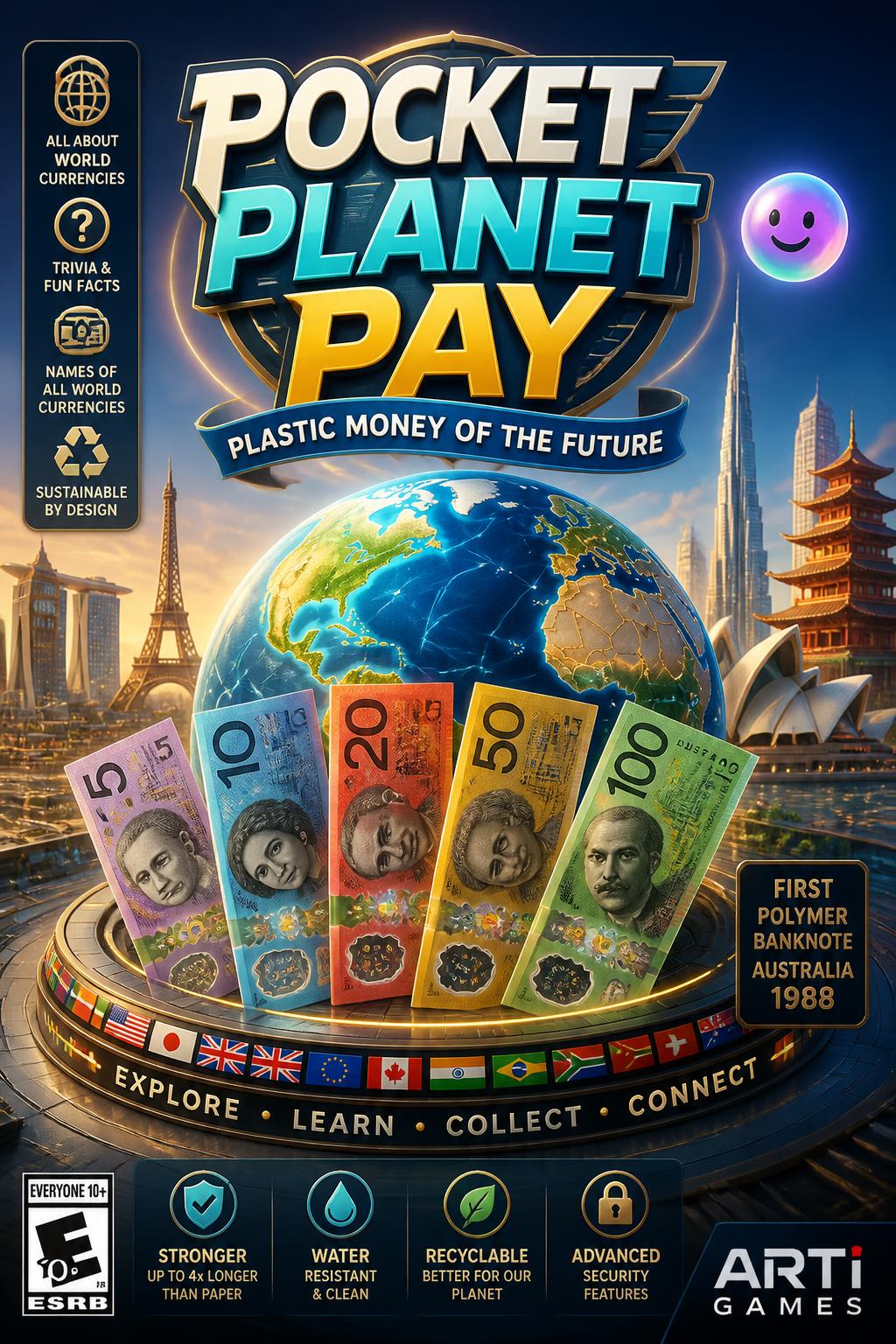
Which country was the first to introduce durable polymer plastic banknotes in 1988?
Quiz
Which small, glossy sea shell was used as currency across Africa and Asia for over 3,000 years?
Quiz
What is the name of the decorative, knife-shaped bronze money used in ancient China around 600 BC?
Quiz
The English word 'salary' comes from the ancient Roman practice of paying soldiers with which valuable commodity?
Quiz
In early colonial Virginia, which agricultural crop was officially recognized as legal tender?