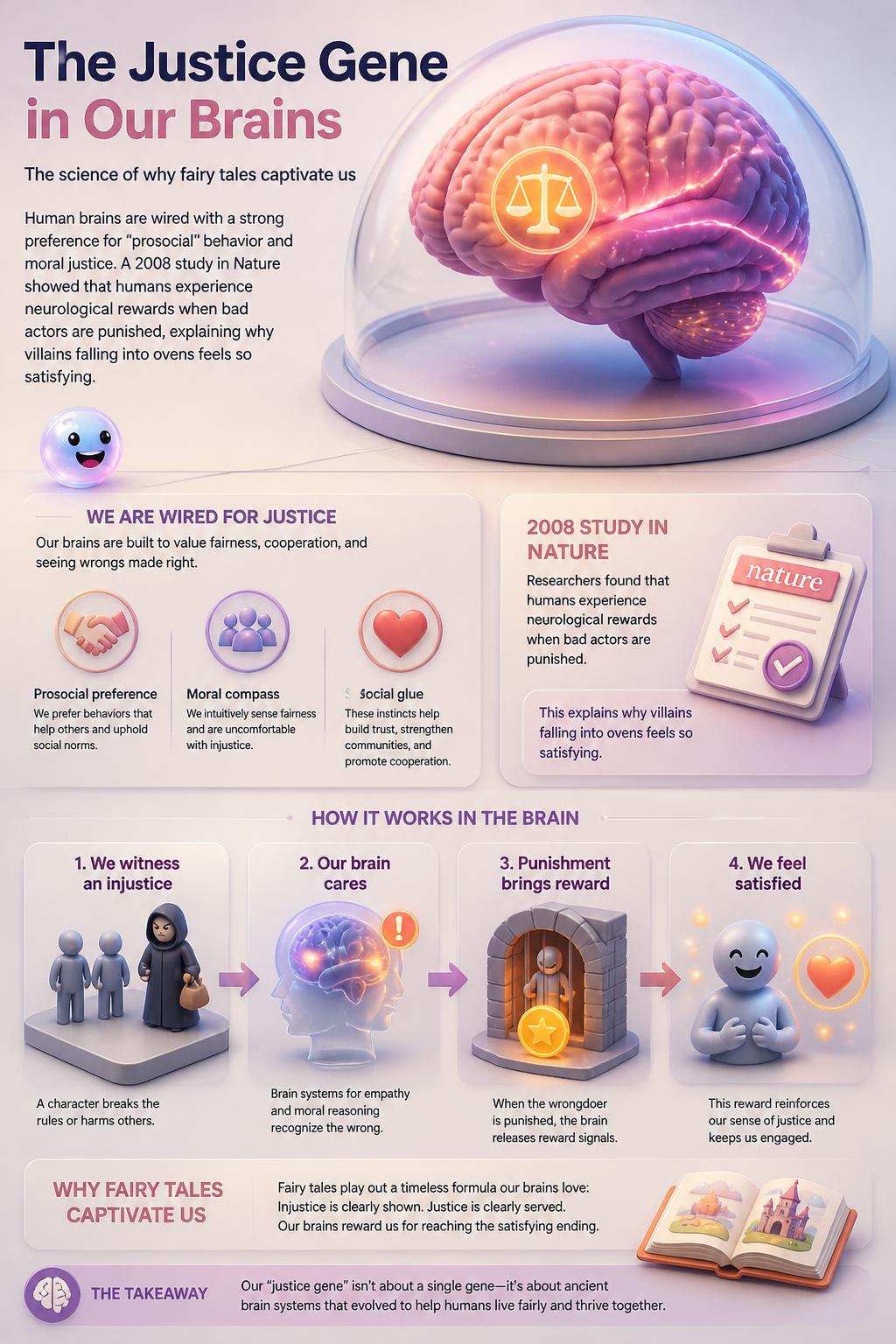
The justice gene in our brains
A colorful brain diagram shows a fairy tale villain falling into an oven
The brain on once upon a time
Earth's shared story blueprint
The dark side of safety
The math of memorable patterns
disney A 2008 Nature study reveals that human brains release chemical rewards when bad actors face punishment. This explains why we feel deep satisfaction when movie villains fail.
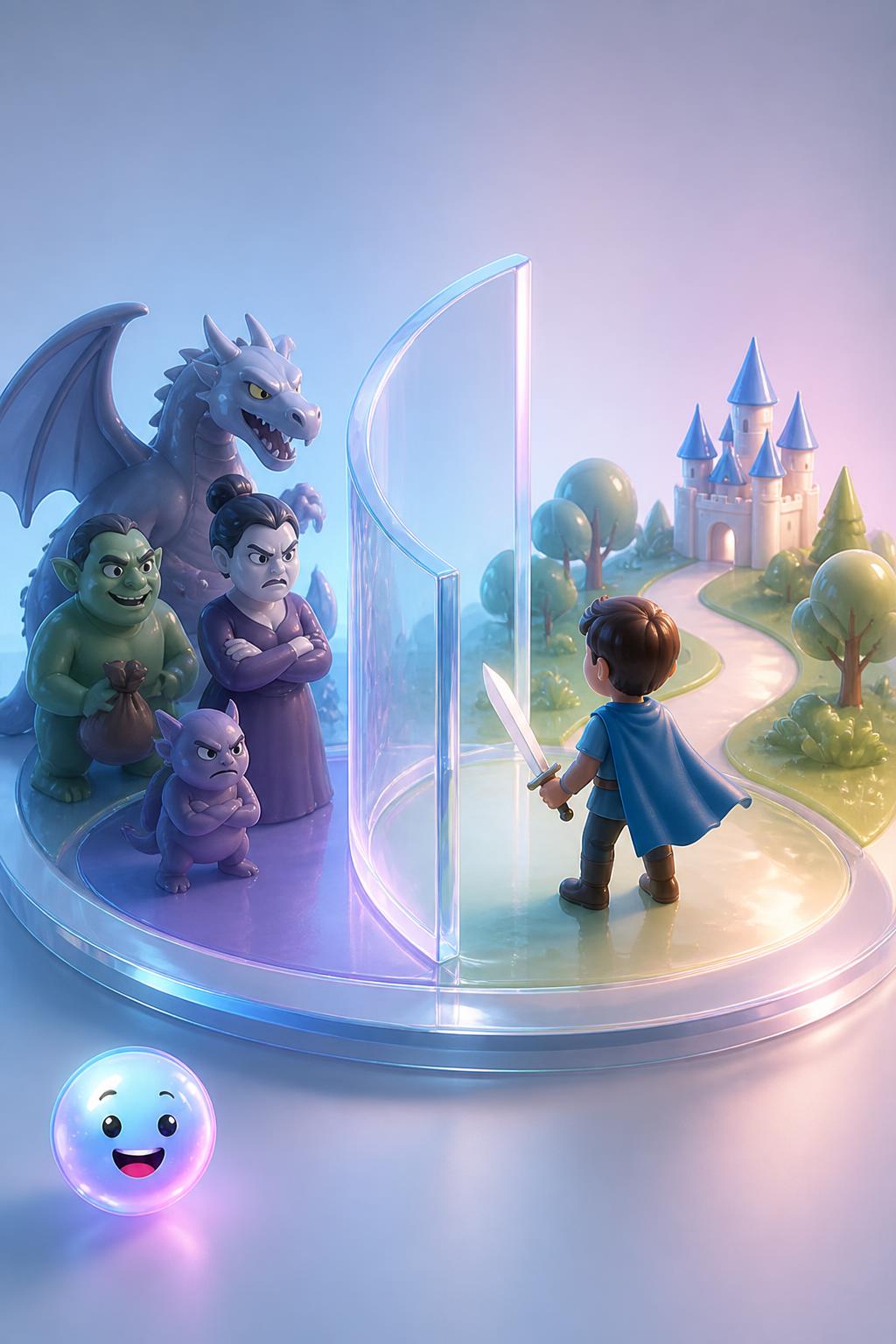
disney Psychologist Bruno Bettelheim wrote in 1976 that scary stories help kids. Dark characters give form to internal anxieties, making complex emotions easier to manage.
disney Classic fairy tales train young minds in this mental habit. Characters navigating dark forests demonstrate how persistent effort leads to positive outcomes.
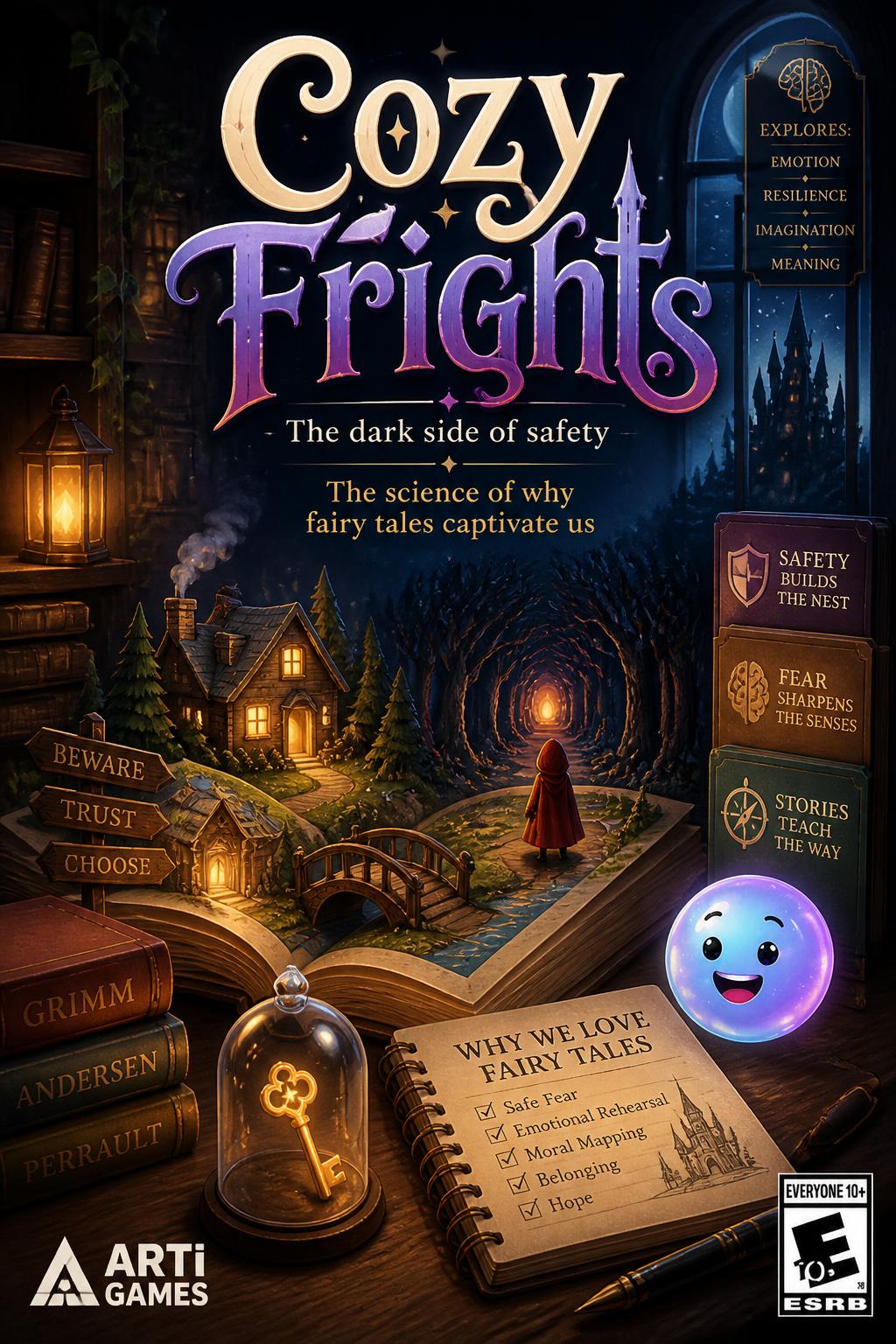
disney Match spooky fairy tale threats with cozy comforts to learn how safe fear captivates us.
disney The Dark Side of Safety
We hide the shadows away (fade away) / but they lose their shield to fight (shield to fight)
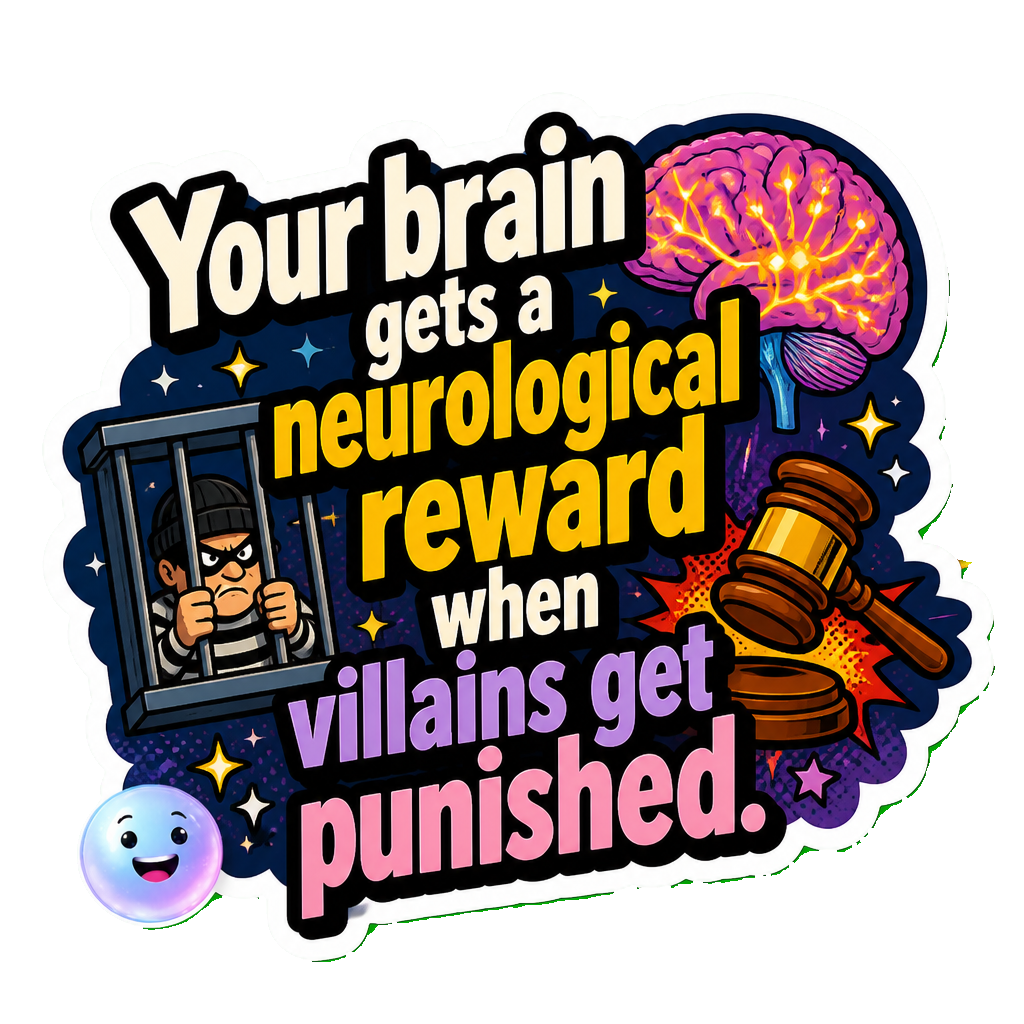
Poetic justice: A 2011 study found that children as young as four prefer stories where bad behavior is corrected.
What term describes the satisfying, fair punishment of a villain at the end of a story?
According to Bruno Bettelheim, why are dark or scary elements in fairy tales beneficial for children?
According to a 2008 study in Nature, why do humans enjoy seeing fairy tale villains punished?
What psychological technique involves separating a person from their problem by turning fears into external monsters?
Which fairy tale character's story is often used to study how children process the fear of parental abandonment?
How do psychologists define the goal-directed cognitive habit that fairy tale happy endings help build?