BETA
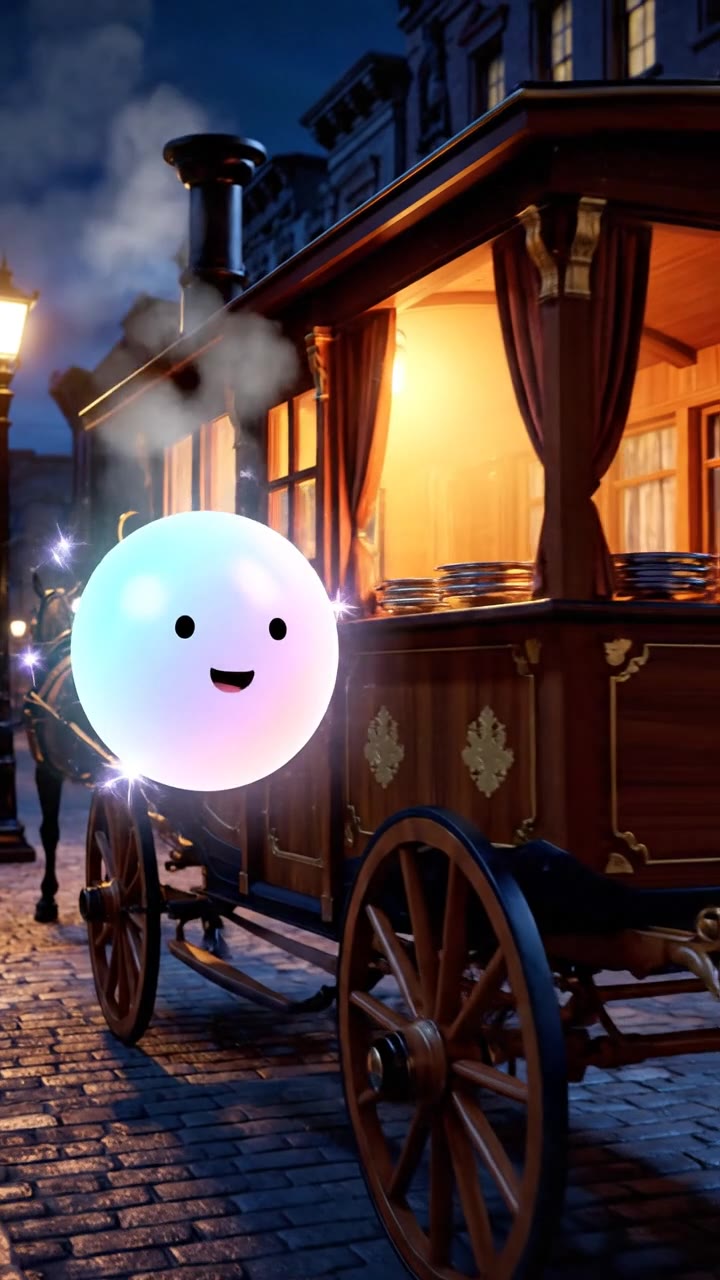
In 1872, Walter Scott, a pressman in Providence, Rhode Island, realized late-night workers had nowhere to eat. He pressed a horse-drawn freight wagon into service, selling sandwiches, pies, and coffee through a window. This clever mobile eatery launched the modern diner industry.
hank Upgrade your horse cart to learn how lunch wagons evolved into America's first diners.
hank Worcester builders turned simple lunch wagons into attractive mobile restaurants, starting the American diner boom.
hank In 1872, Walter Scott launched the American diner, selling late-night food from a horse-drawn wagon.
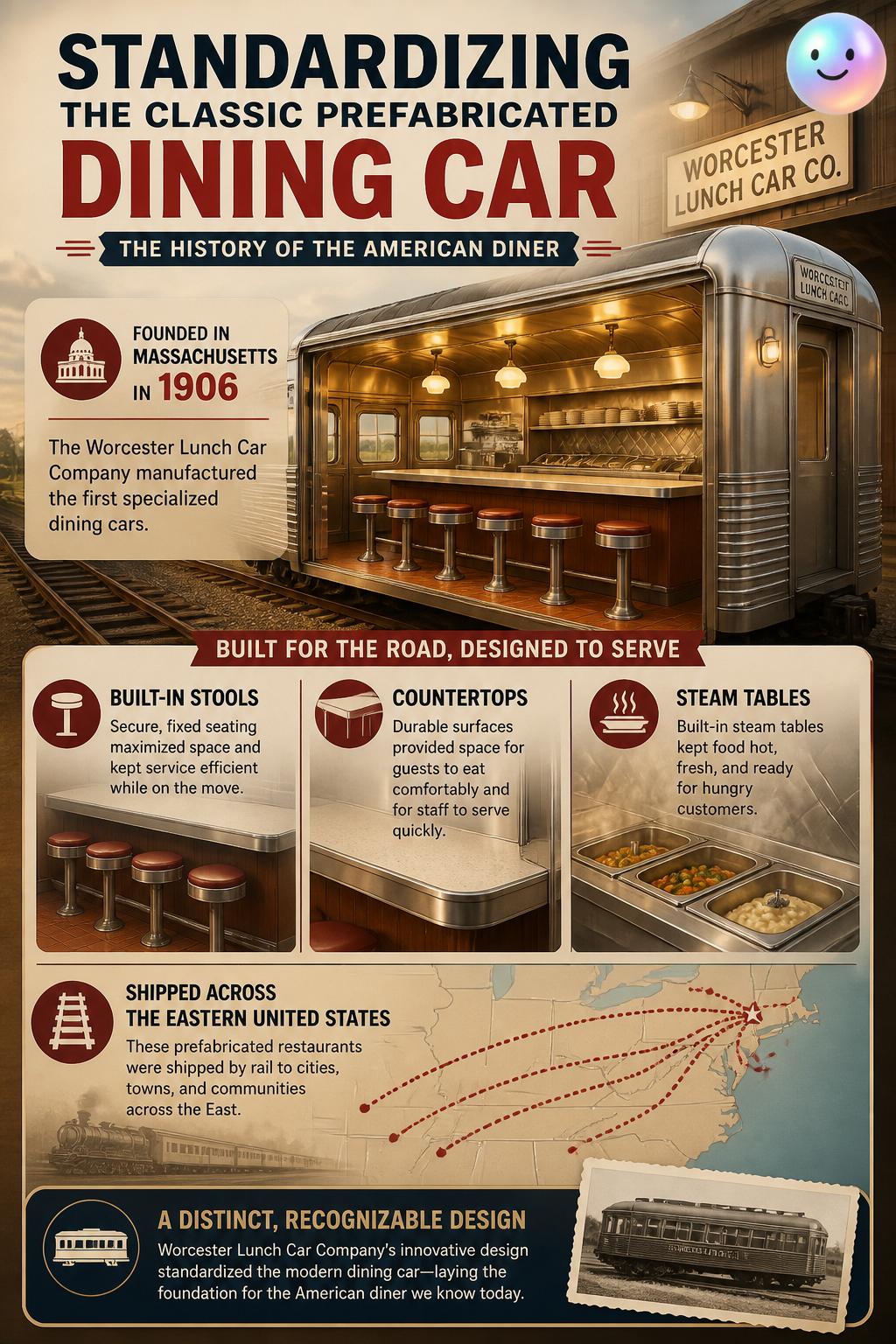
hank In 1906, Philip Duprey and Grenville Stoddard founded the Worcester Lunch Car Company, standardizing diner manufacturing.
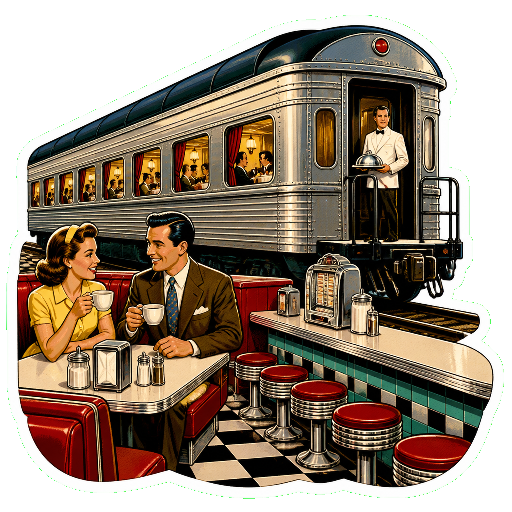
Early diner names: The term 'diner' comes from 'dining car' on trains, which manufacturers copied to make their stationary lunch wagons feel more upscale.
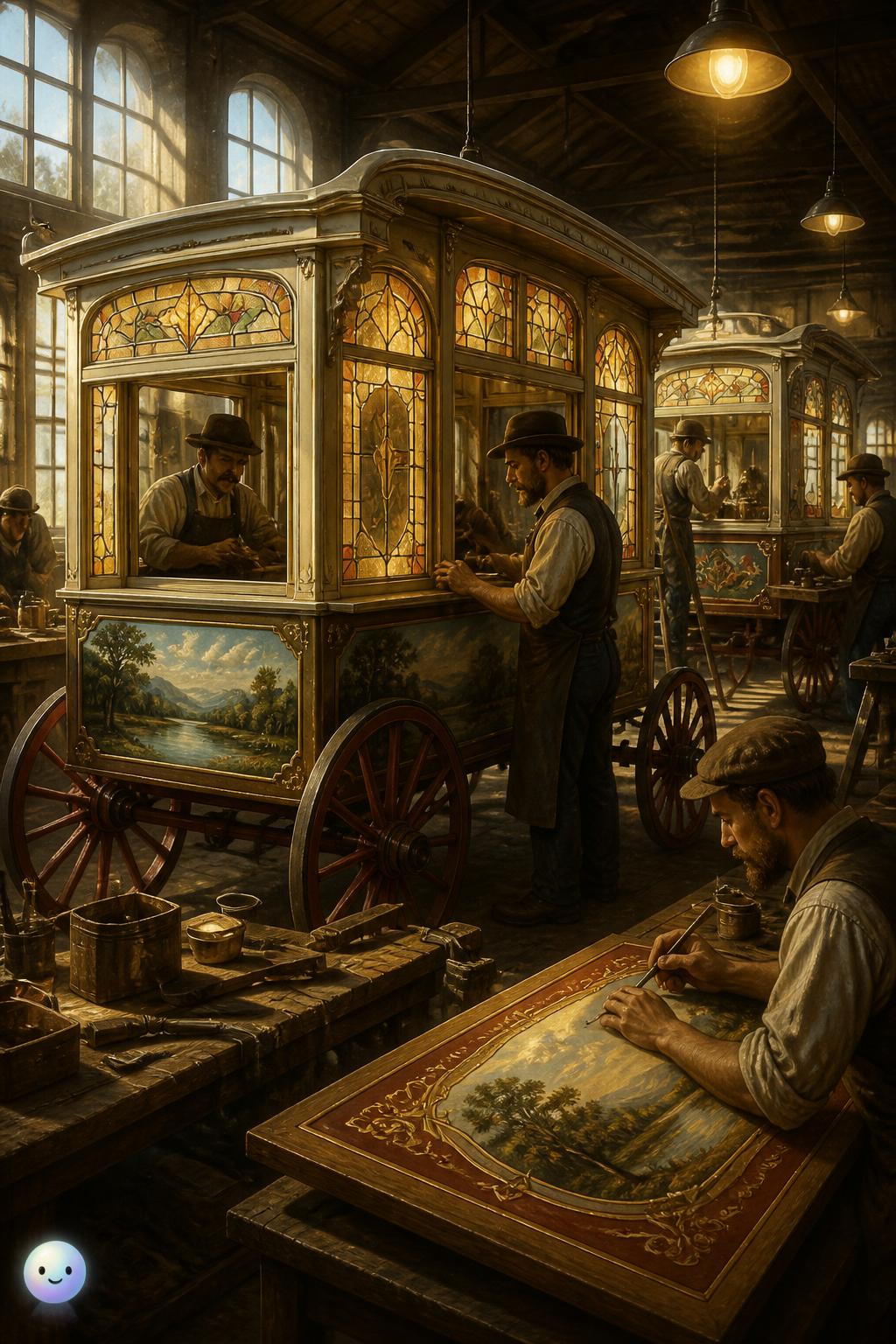
hank In 1887, Thomas Buckley began commercial manufacturing of elaborate lunch wagons in Worcester, Massachusetts, turning mobile food into a business.
To make lunch wagons more welcoming to women in the 1920s, what design feature did owners start adding?
What was the name of the famous lunch wagon company founded in 1906 by Philip Duprey and Grenville Stoddard?
What were early late-night lunch wagons commonly called by locals because of their hours of operation?
Which Massachusetts city became the early hub of commercial lunch wagon manufacturing in the late 1800s?
What did Walter Scott do with customers' hats if they tried to run off without paying for their food in his 1872 lunch wagon?