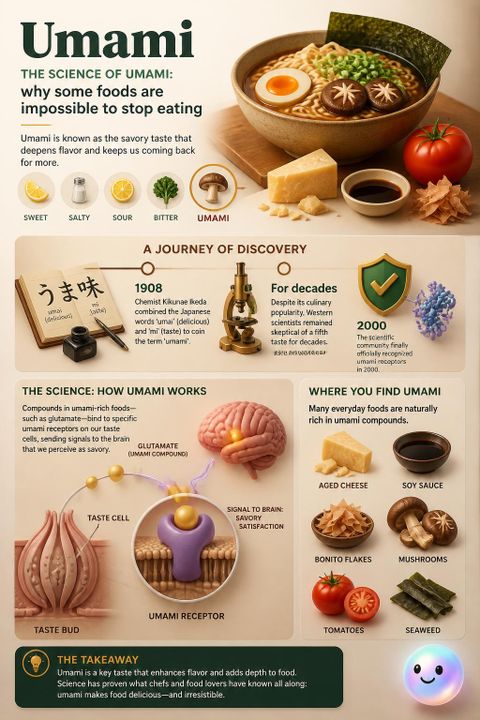
The discovery of the fifth taste
The biology of craveability
Umami across global cuisines
The MSG controversy and food science
YOUR GOAL
Master of The science of umami

renato Discovery of Umami
That deep, delicious taste, so savory, true, It's umami, the fifth one, waiting for you; Kikunae Ikeda, in Japan, knew.
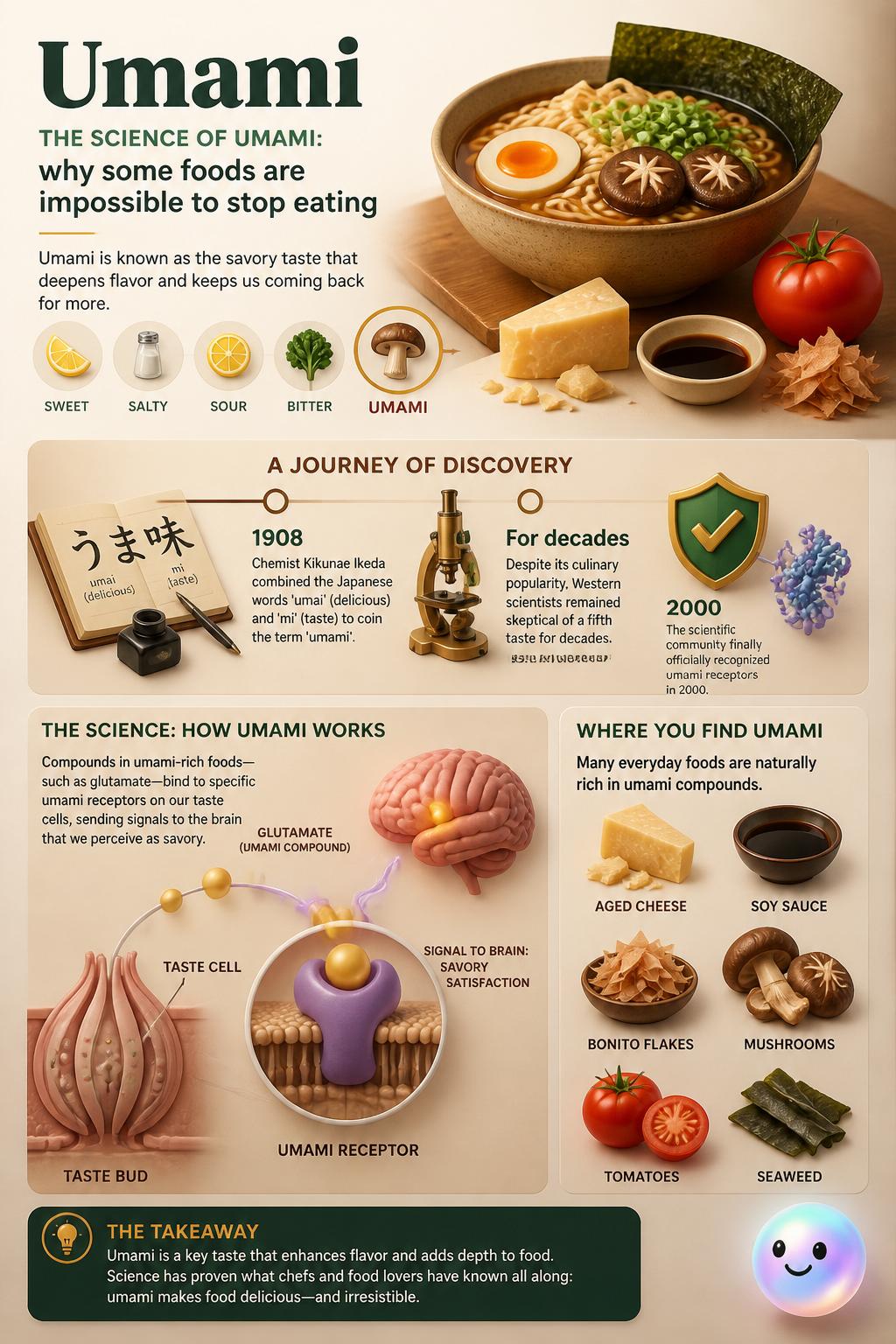
renato Coined from the Japanese words for delicious and taste, the term umami took nearly a century to gain global scientific recognition.
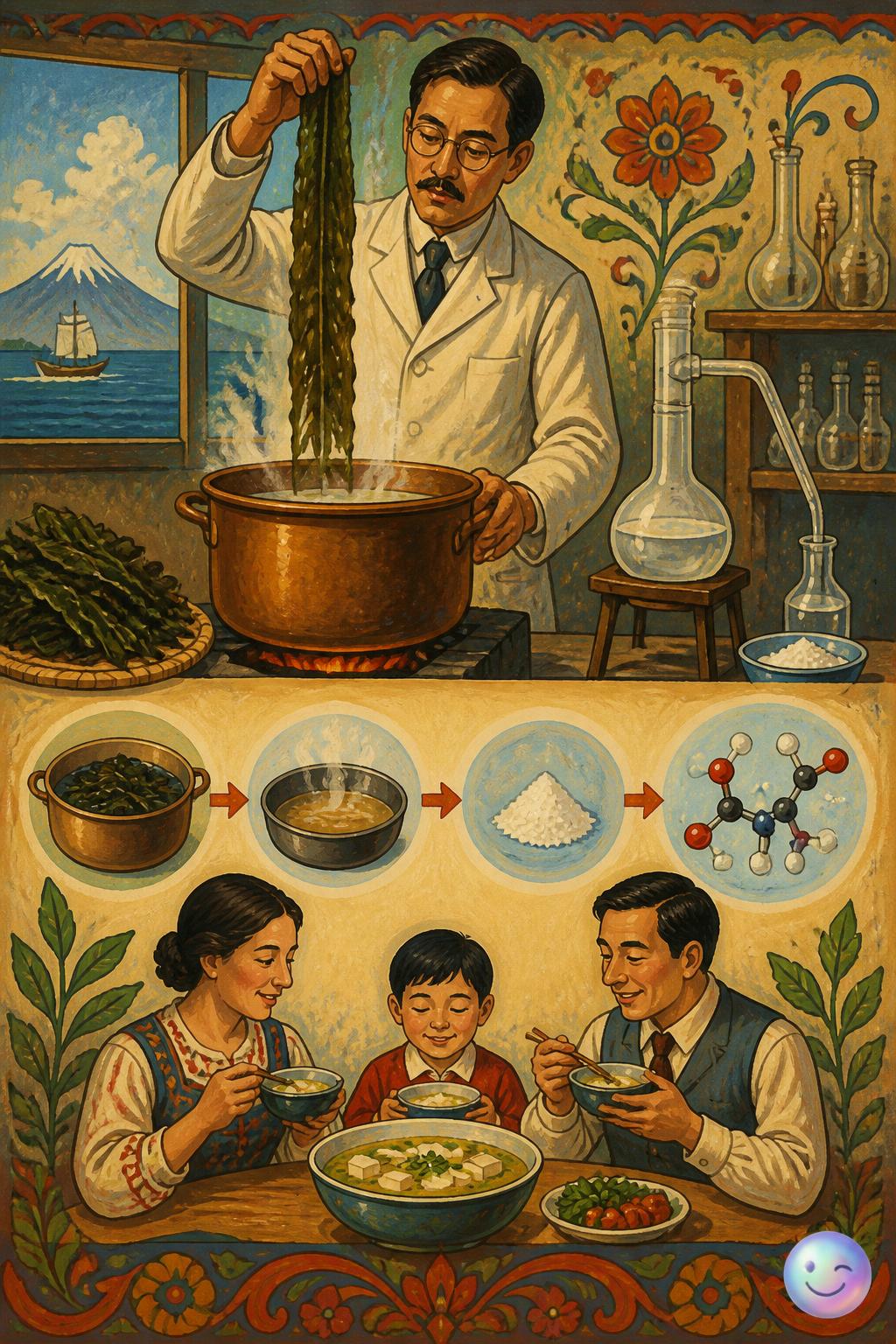
renato Ikeda successfully isolated L-glutamate from kelp, leading to the patenting and commercialization of monosodium glutamate in 1909.
Umami in milk: Human breast milk actually contains nearly ten times more free glutamate than cow's milk, introducing us to umami practically from the day we are born.
A category of taste in food corresponding to the savory flavor of glutamates. In 1908, Japanese chemist Kikunae Ikeda identified this profile while analyzing a traditional kelp broth.

What ancient Roman fermented fish sauce was a massive source of umami in the Mediterranean?
In what year did Japanese chemist Kikunae Ikeda discover the chemical basis of umami?
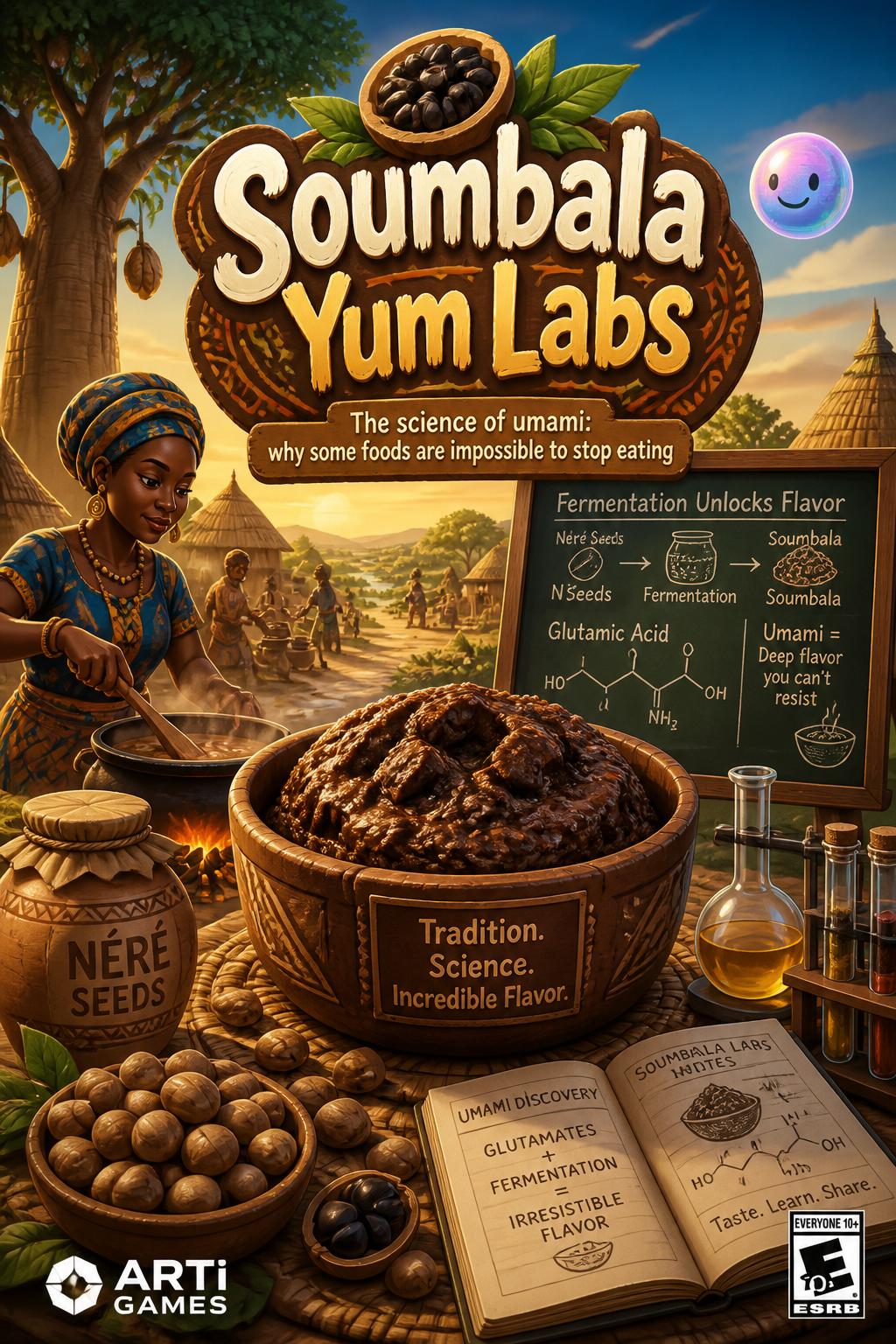
What West African fermented seasoning, made from locust beans, is traditionally used to add umami to stews?
When did international scientists finally officially recognize umami as the fifth basic taste?
In what year was monosodium glutamate (MSG) patented and first sold commercially under the name Ajinomoto?