The rise of eco-anxiety and the plastic guilt trip
The brain chemistry of the zero-waste aesthetic
Global responses and the illusion of individual action
Beyond the bottle: Designing a plastic-free future
YOUR GOAL
Master of The mind of a plastic detoxer

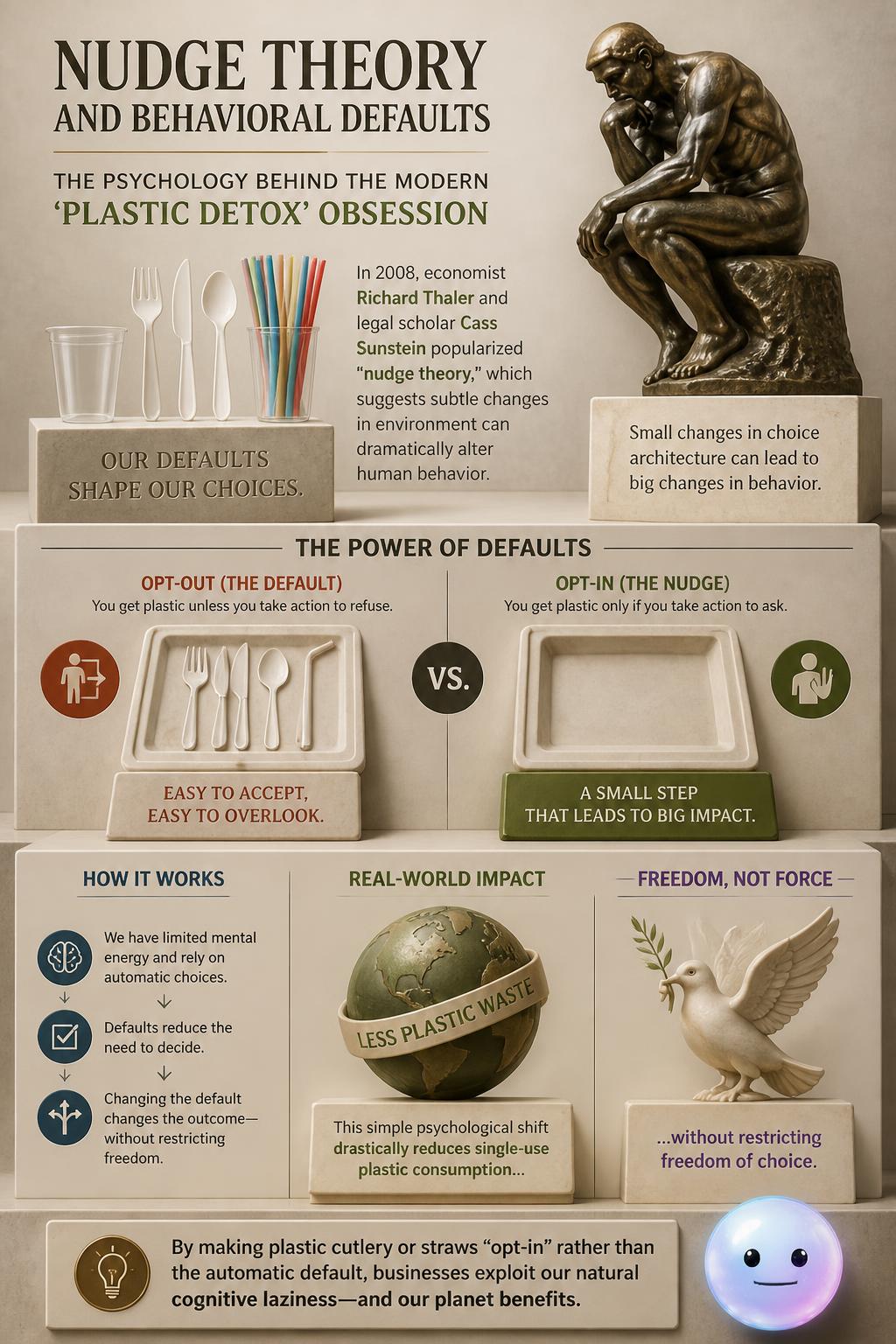
007skaty In 2008, Richard Thaler and Cass Sunstein popularized nudge theory, explaining how simple opt-in defaults exploit cognitive laziness to reduce plastic waste.
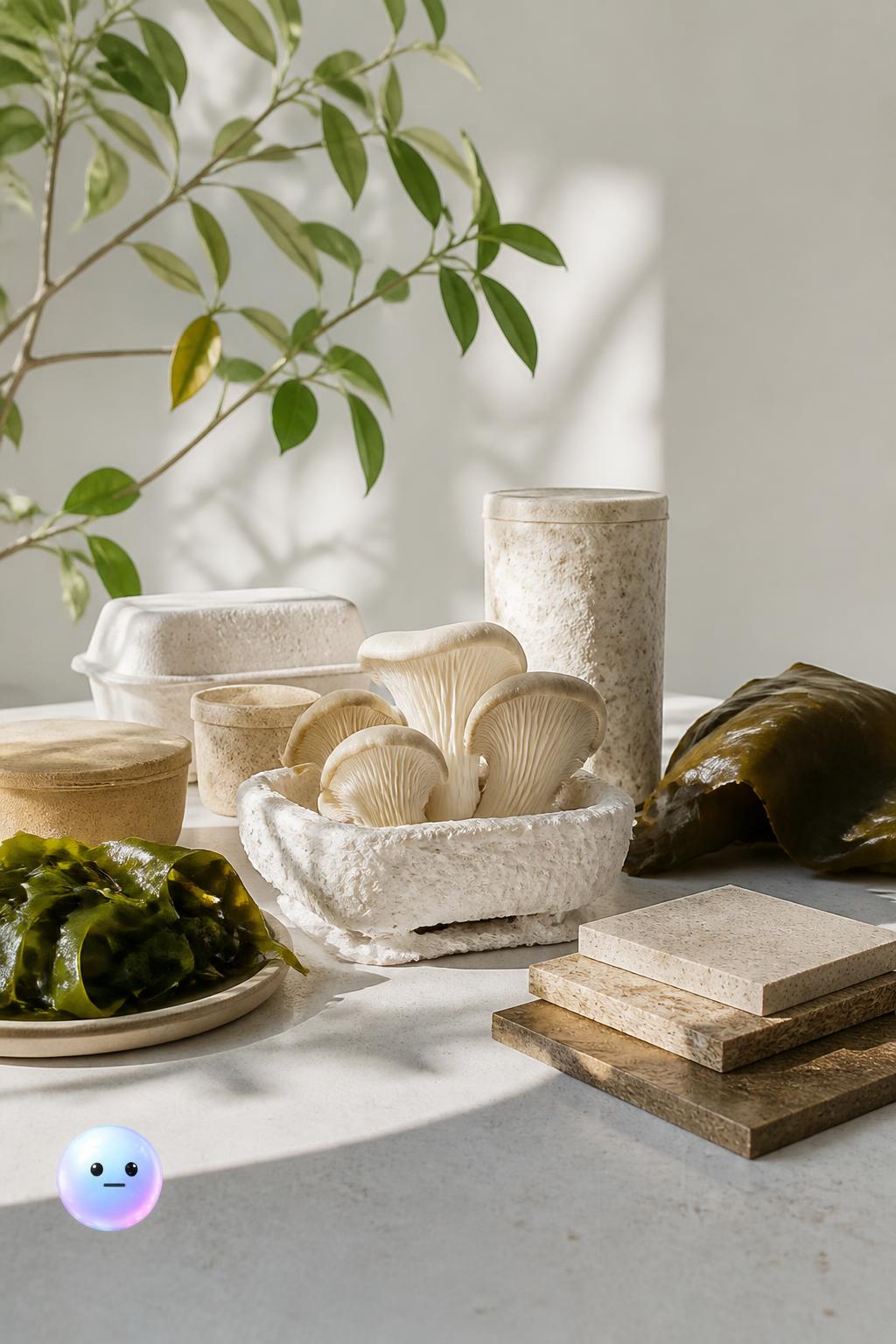
007skaty Biophilic design uses seaweed and mycelium to satisfy our innate need for nature.
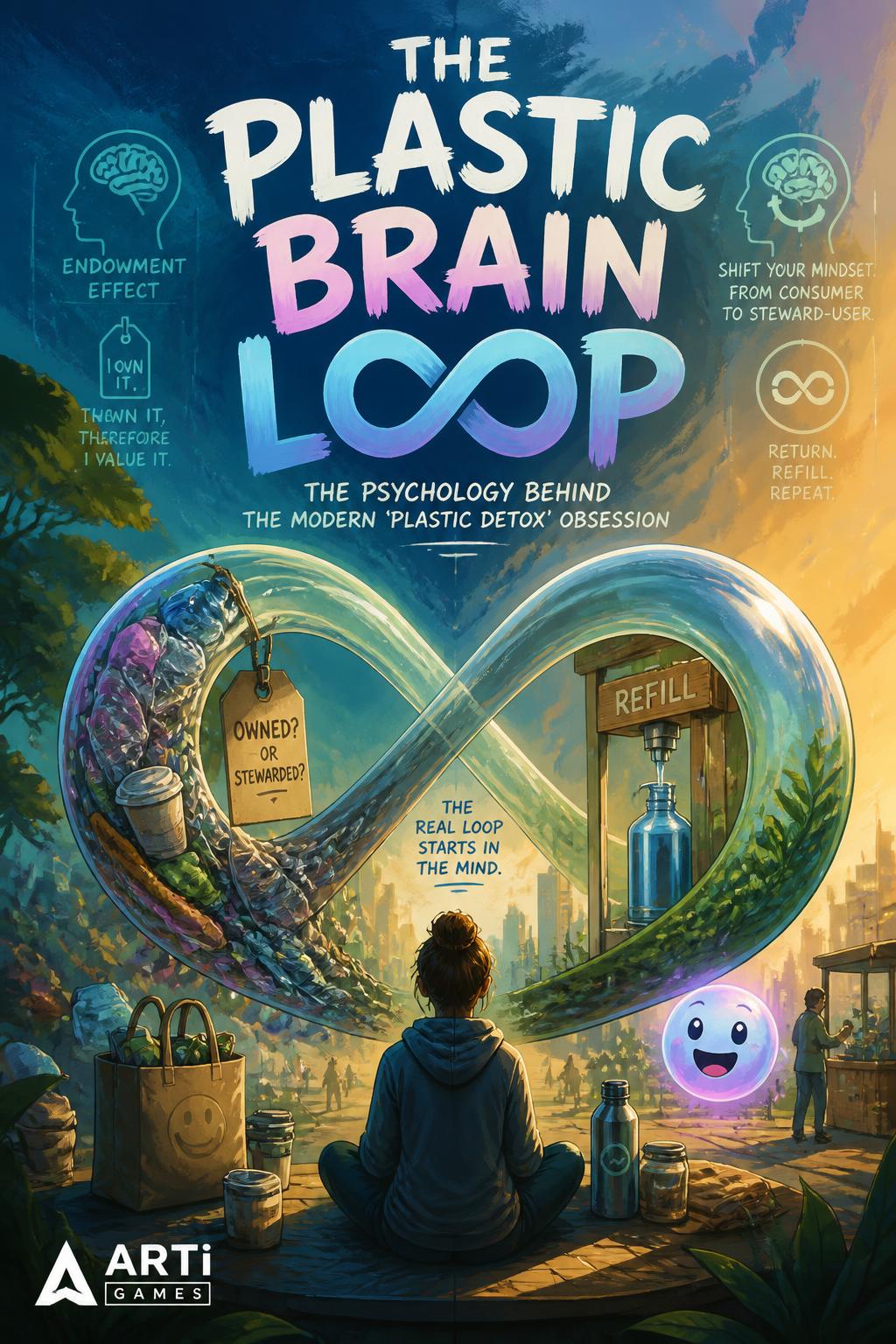
007skaty Swipe through the brain's habit loop to discover why we obsess over plastic detox trends.
Mushroom boxes: Companies are now shipping delicate electronics in custom-grown mushroom packaging that completely decomposes in your garden within 45 days.
A biodegradable material made from renewable biological sources like plants or algae rather than fossil fuels. On July 18, 2024, material experts presented seaweed-derived alternatives as scalable solutions to replace single-use packaging.
Who co-authored the 2008 book "Nudge" which popularized the use of behavioral defaults to shape decisions?
Who popularized the "biophilia hypothesis" in 1984 to describe humanity's innate connection to nature?
What natural organism's root structure, known as mycelium, is being used to grow biodegradable packaging?
What is the psychological term for the cognitive bias where we overvalue items simply because we own them?
How does a circular economy psychologically reframe our relationship with products and packaging?
What psychological state of apathy and inaction can occur when people feel completely powerless to stop a major crisis?