Medieval feasts and imperial tastes
The classic pub and comfort staples
Afternoon tea and the sweet tooth
Modern fusion and regional specialties
YOUR GOAL
Master of The story of British food
alicecooks Medieval feasts and imperial tastes
No bland meals here, Spices from afar, Saffron, ginger, cinnamon!
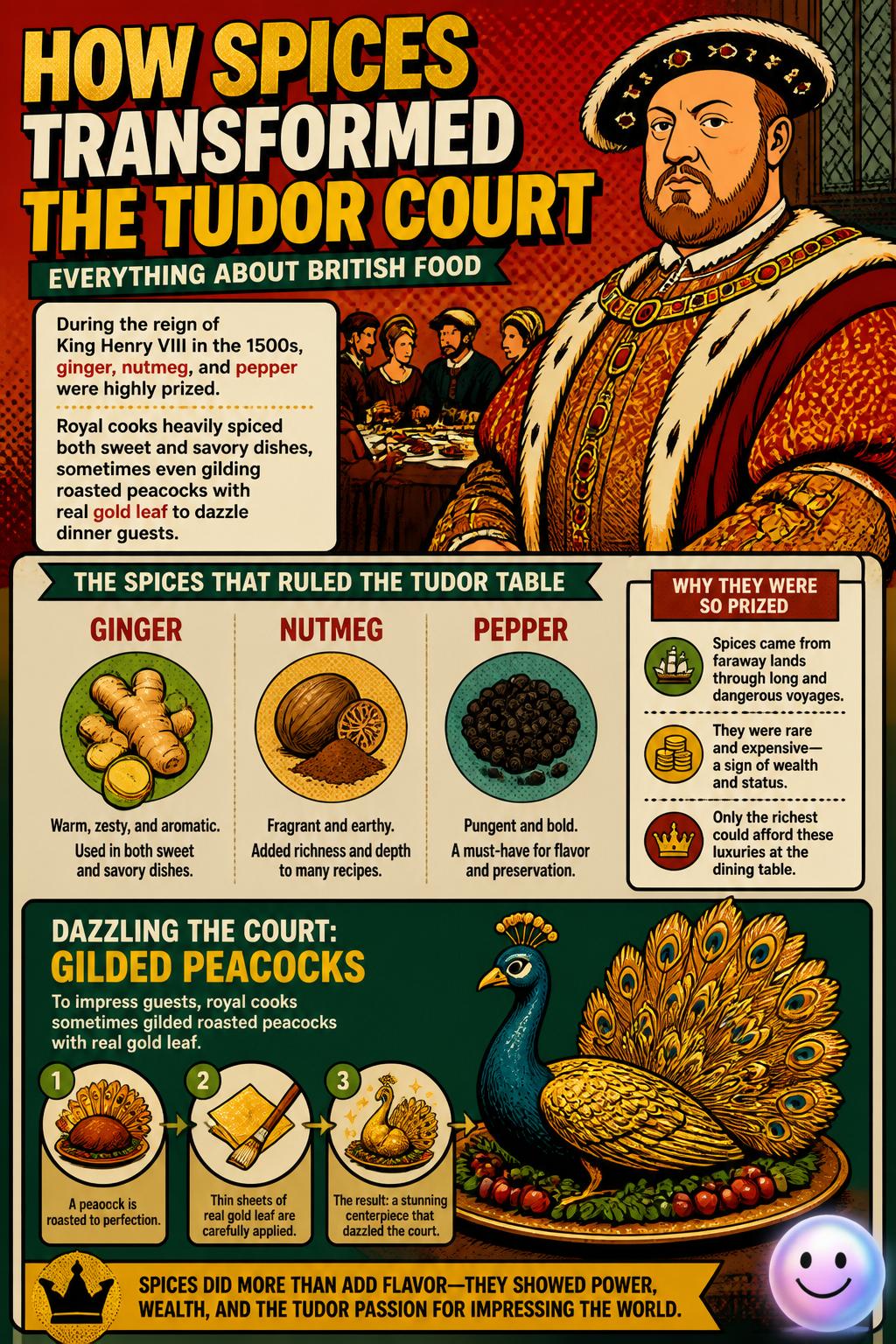
alicecooks Wealthy Tudors used expensive imported spices as status symbols to show off their vast global trading connections.
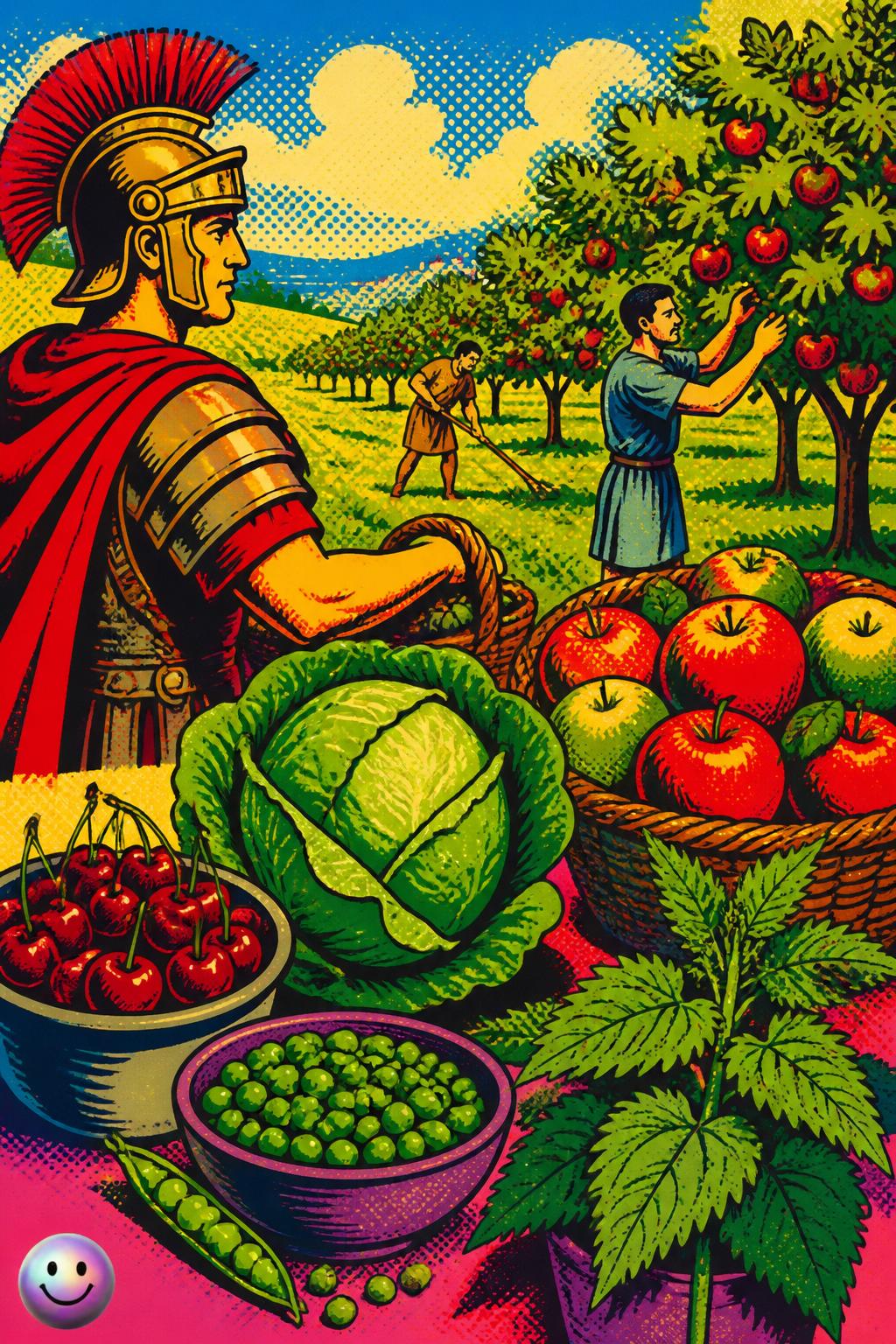
alicecooks Roman invaders introduced key fruits, vegetables, and farming techniques that permanently reshaped the British landscape and diet.
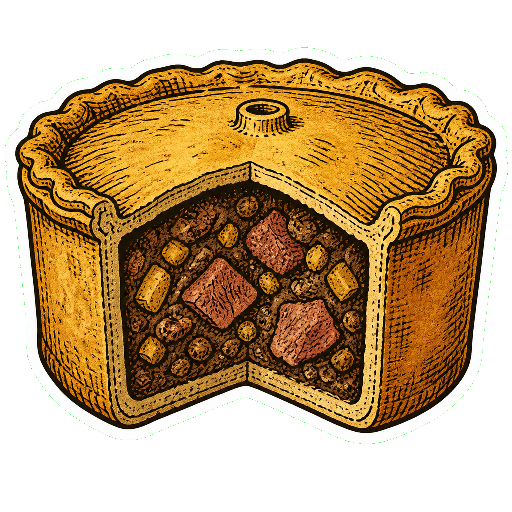
Medieval pie crusts: The thick, hard pastry shells of medieval English pies were called "coffyns" and were thrown away rather than eaten.
A wooden board or platter on which food is carved or served, or historically, a piece of stale bread used as a plate. At King Richard II's late fourteenth-century banquets, wealthy English nobles ate from these edible bread plates.
In medieval England, what was the primary purpose of baking meat inside a thick pastry crust?
What precious metal did Tudor cooks use to decorate roasted birds for royal feasts?
Before the Romans introduced sweet cherries, what wild fruit was already native to Britain?
Who is credited with popularizing the sandwich in 1762 so he could eat while gambling?
Which Tudor monarch's court heavily used expensive spices like nutmeg and ginger in the 1500s?
Which of these vegetables was introduced to Britain by the Romans to be used as salad greens?
Which ancient empire introduced sweet cherries and structured apple orchards to Britain in 43 AD?