
BETA
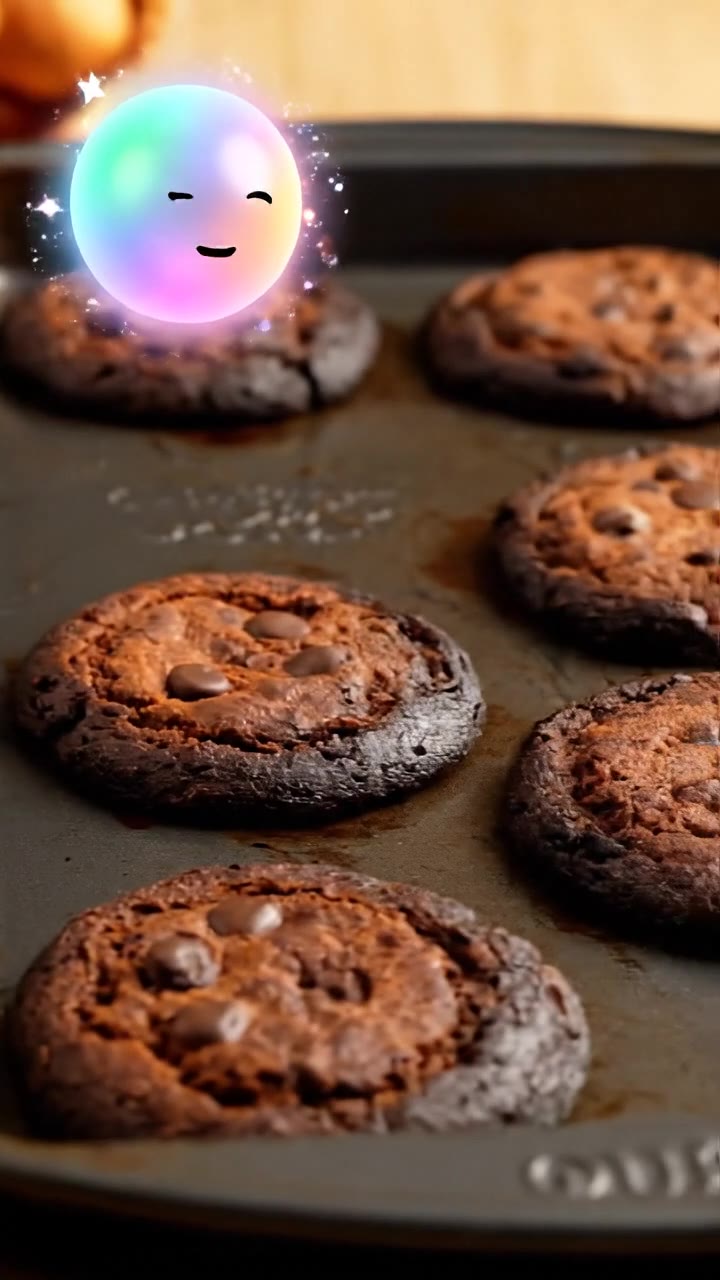
Dark metal pans absorb more radiant heat, causing cookie bottoms to brown and burn quickly. Shiny, light-colored aluminum pans reflect heat, resulting in a more even, gentle bake, while silicone mats slow down heat transfer.
alicecooks Science of Baking Cookies
Watch it spread, watch it spread, Butter melts at ninety-two!
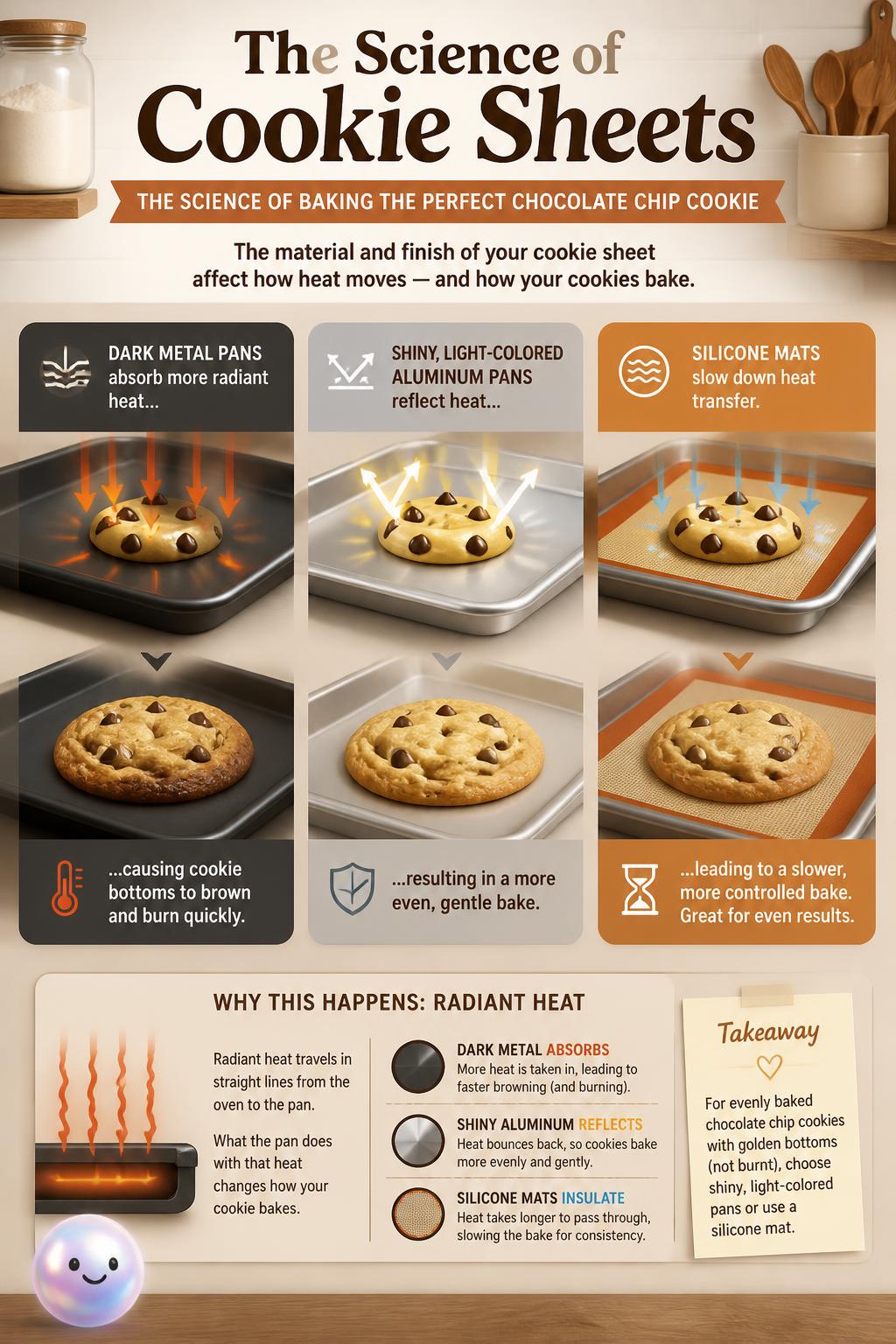
alicecooks The material and color of your baking pan dramatically affect how heat is transferred to the dough.
Cookie chip science: Chocolate chips hold their shape because they contain less fat and more soy lecithin, an emulsifier that raises their melting temperature during baking.
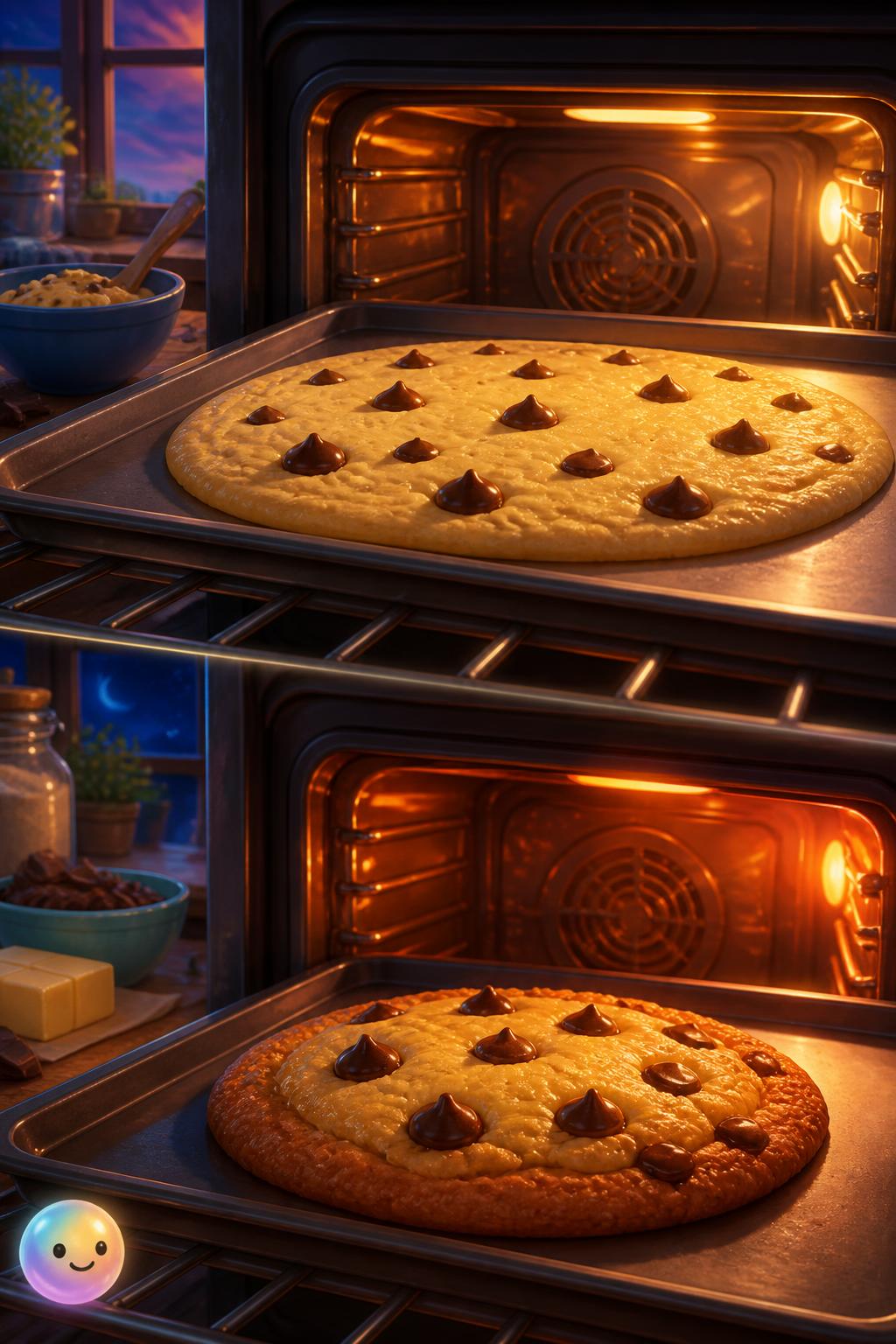
alicecooks Baking at 350°F vs 375°F alters the balance between the cookie's spread and its outer browning.
What is the physical result of baking chocolate chip cookies at a higher temperature like 375°F (190°C)?
How does using a silicone baking mat affect the baking time of chocolate chip cookies?
In which Massachusetts town was the Toll House Inn, where the chocolate chip cookie was invented, located?
What was the original name of the chocolate chip cookie when Ruth Wakefield first published the recipe?
Why do dark-colored baking sheets often burn the bottoms of chocolate chip cookies?
Why do commercial chocolate chips hold their shape during cookie baking while chopped chocolate bars melt?
In what year did Ruth Wakefield invent the chocolate chip cookie at the Toll House Inn?
What deal did Ruth Wakefield make with Nestlé in 1939 for the rights to print her cookie recipe?