Chapter 1
Nature's cheat codes for endless life
Chapter 2
Myths and elixirs of the ancient world
Chapter 3
The biology of staying young
Chapter 4
Digital minds and the code of life
YOUR GOAL
Master of Secrets of the forever club
Ch 3 · The biology of staying young
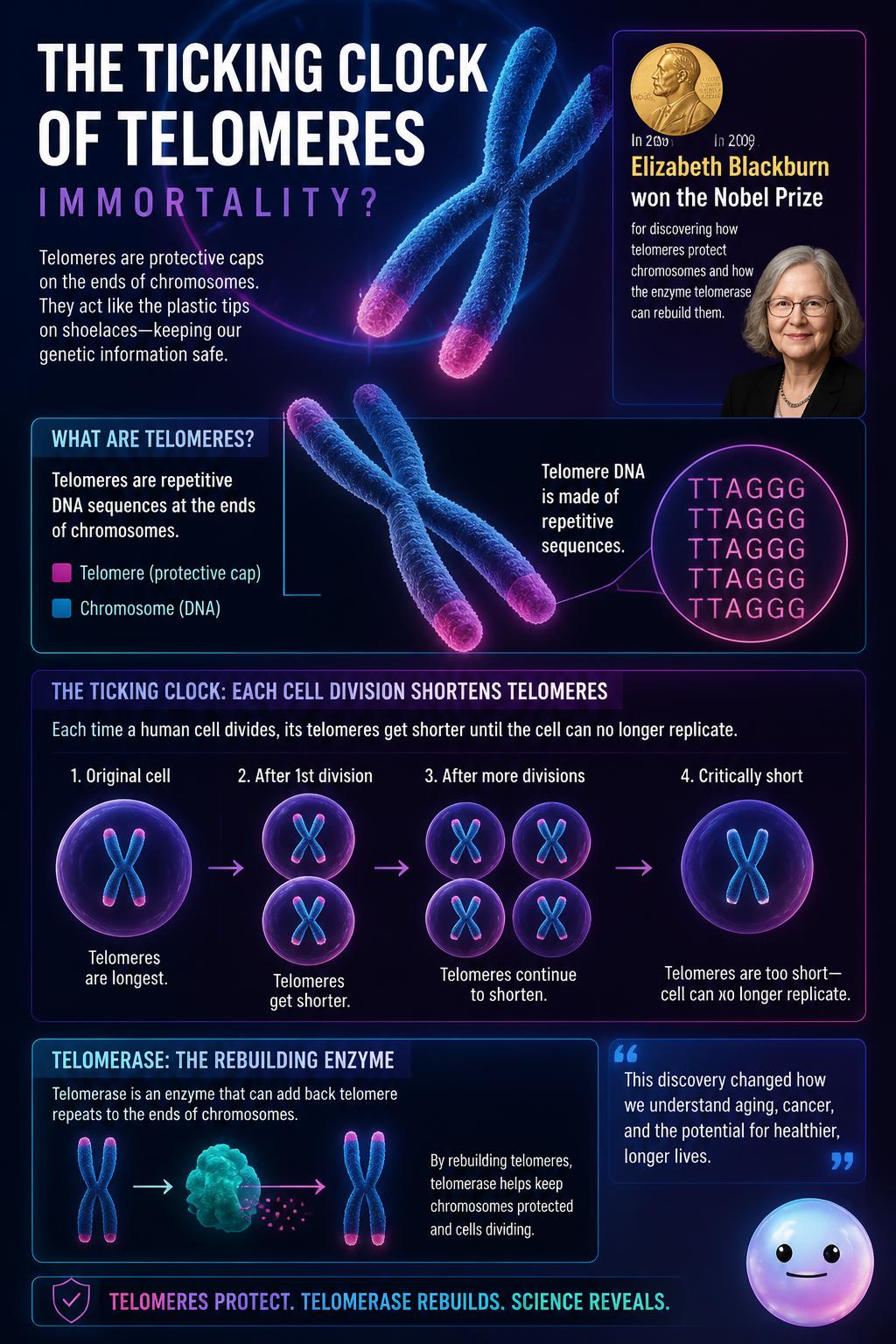
007skaty Each cell division shortens telomeres until replication stops, but Elizabeth Blackburn discovered that the enzyme telomerase can rebuild them.
007skaty Yamanaka Factors
Reset the clock, reset the clock, four proteins turn the cell back.
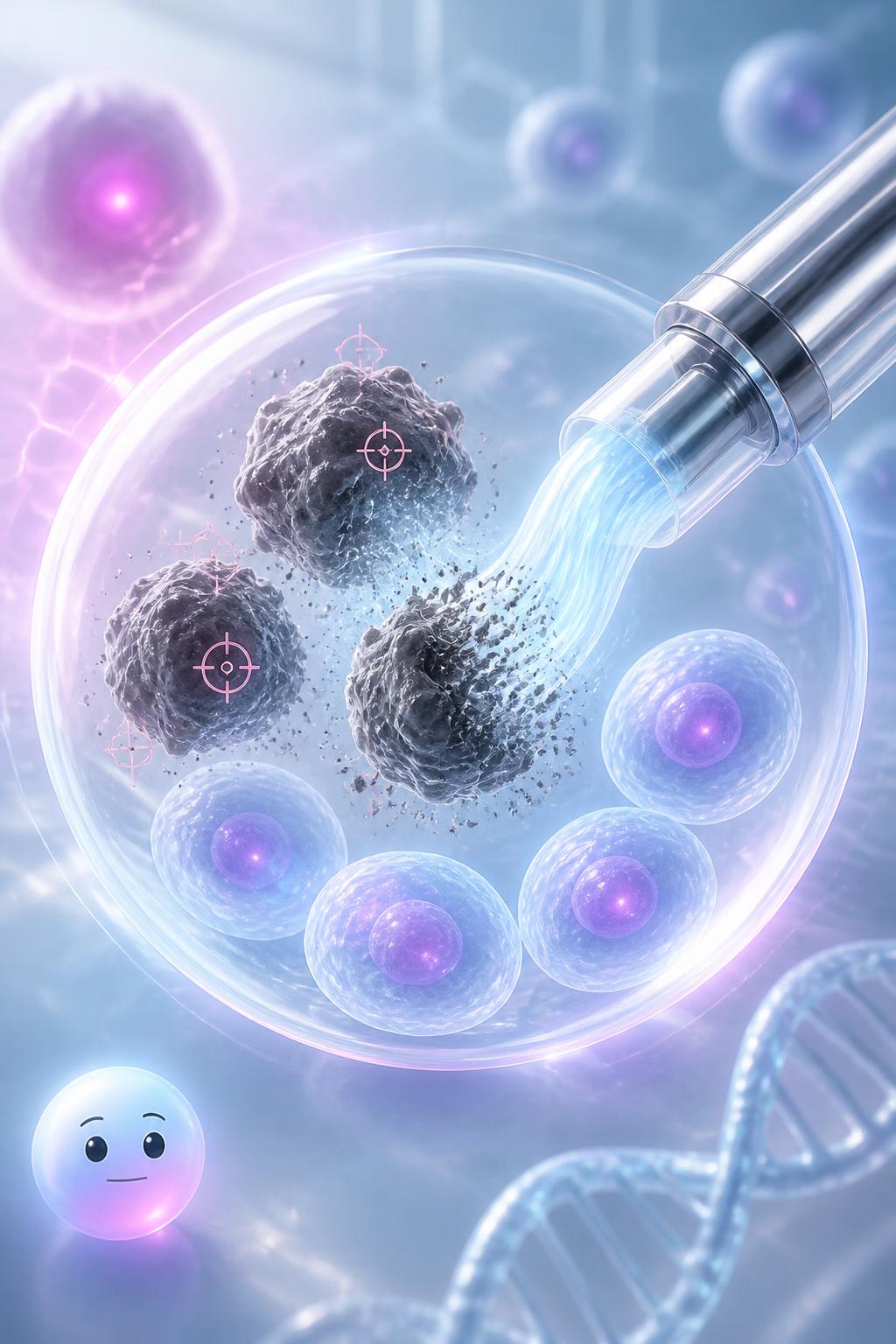
007skaty Clearing these senescent cells prevents tissue decay and delays age-related diseases.
BETA
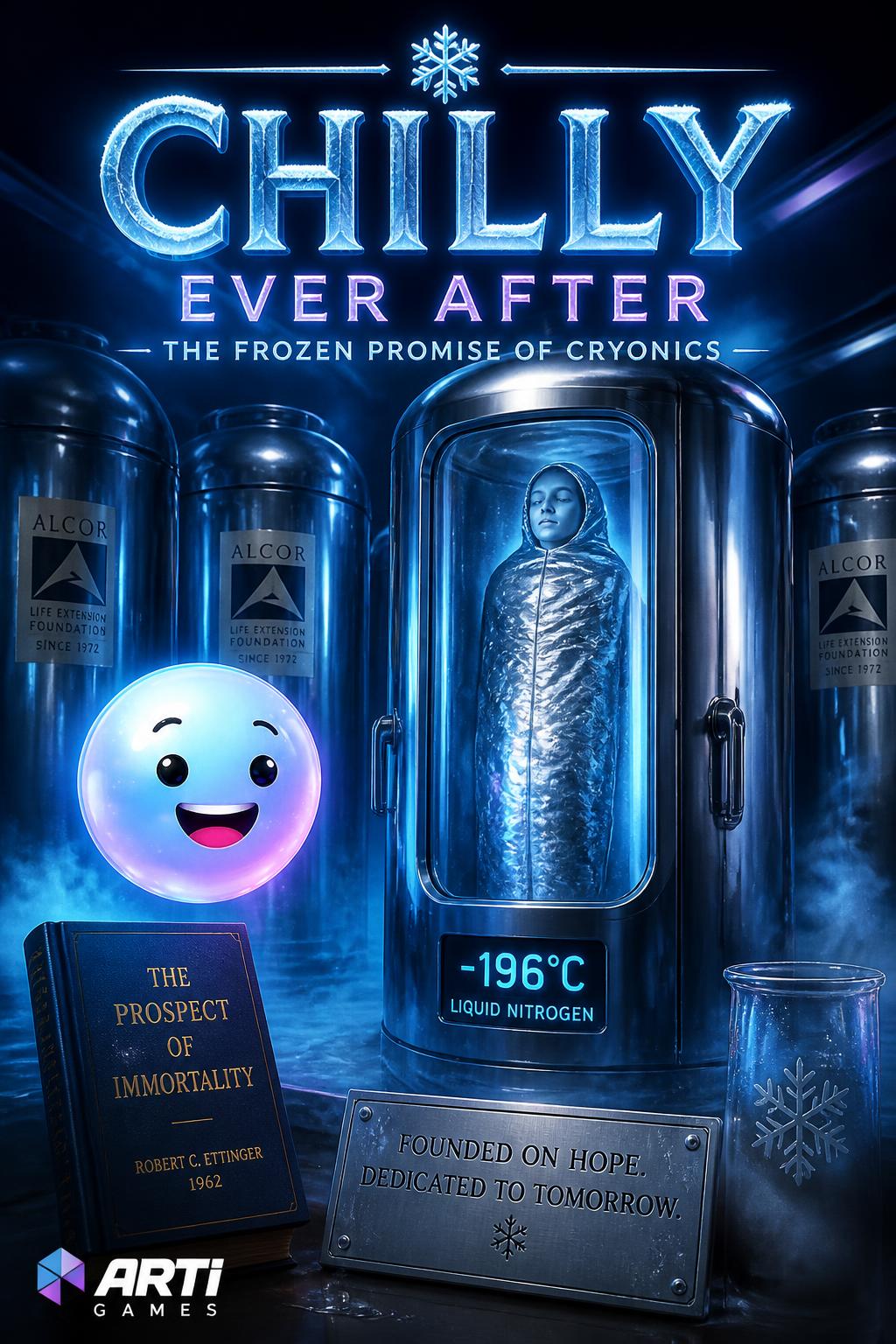
007skaty Adjust the freezing temperature to learn how cryonics preserves cells for the future.
Fun Fact
Cold survival: In 1967, psychology professor James Bedford became the first person cryonically preserved, and he remains frozen today.
Glossary
telomerase (noun)
An enzyme that preserves the length of telomeres by adding repetitive DNA sequences to chromosome ends. In 1984, Elizabeth Blackburn co-discovered this enzyme, which helps researchers study ways to delay human cellular aging.
An enzyme that preserves the length of telomeres by adding repetitive DNA sequences to chromosome ends. In 1984, Elizabeth Blackburn co-discovered this enzyme, which helps researchers study ways to delay human cellular aging.
Quiz
Who won the Nobel Prize in 2009 for her pioneering work on telomeres and the enzyme telomerase?
Quiz
What happens to telomeres, the protective caps on our chromosomes, every time a normal human cell divides?
Quiz
What is the scientific term for 'zombie cells' that have stopped dividing but refuse to die, contributing to aging?
Quiz
At which medical institution did researchers in 2011 successfully extend the healthy lifespan of mice by removing zombie cells?
Quiz
Who wrote the influential 1962 book 'The Prospect of Immortality,' which helped launch the modern cryonics movement?
Quiz
In which US state is the Alcor Life Extension Foundation, a major facility for cryonic preservation, located?
Quiz
How many specific genetic proteins, known as the Yamanaka factors, are used to reprogram adult cells back into stem cells?