
The secret architecture of blue jeans
The upper body blueprint
Hidden helpers of suits and shoes
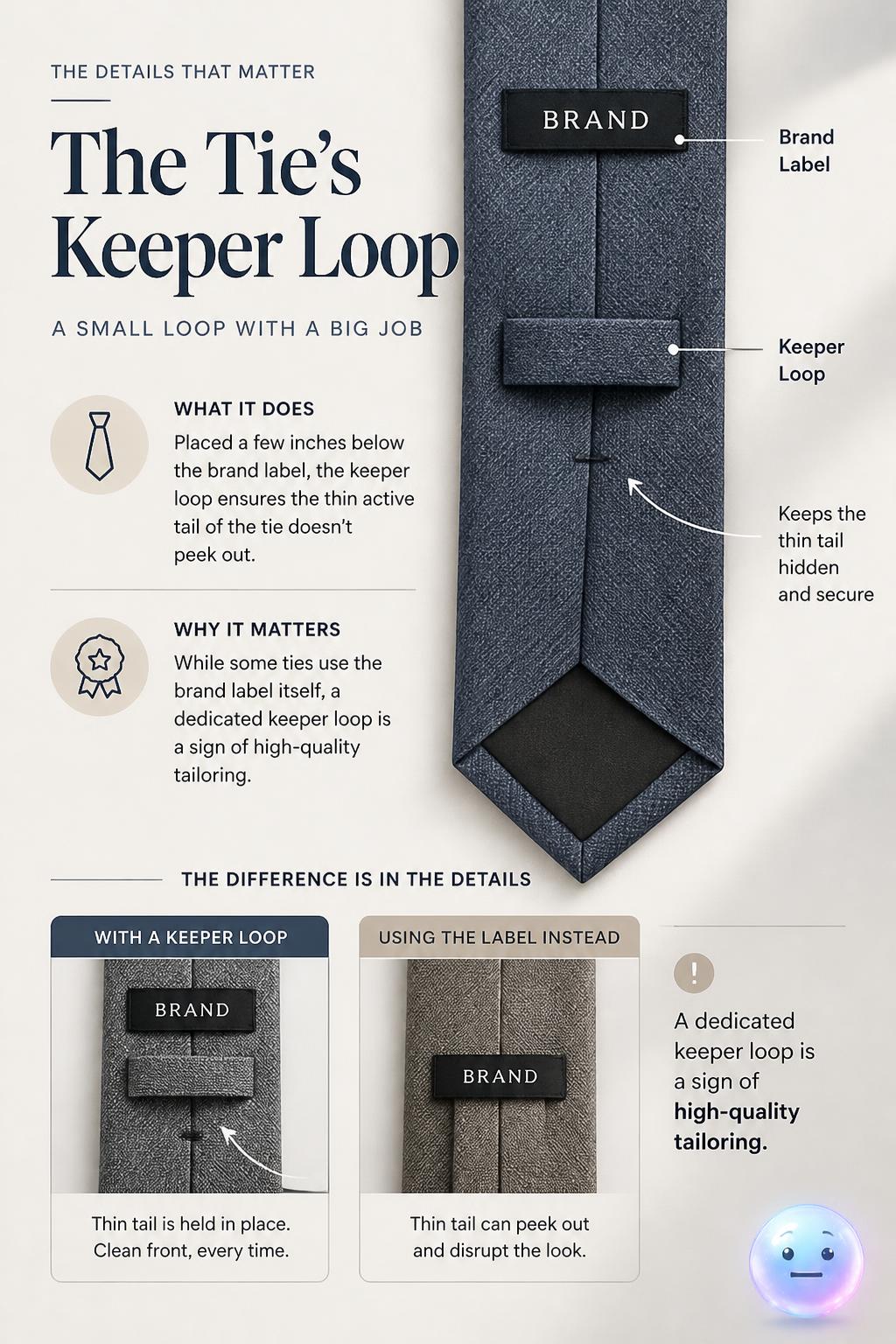
schopenhauer Placed below the brand label, this feature keeps the thin active tail of your tie from peeking out.
On premium neckties, what is the primary difference between the manufacturer's label and a dedicated keeper loop?
What is the name of the fabric loop on the reverse side of a necktie that holds the short tail in place?
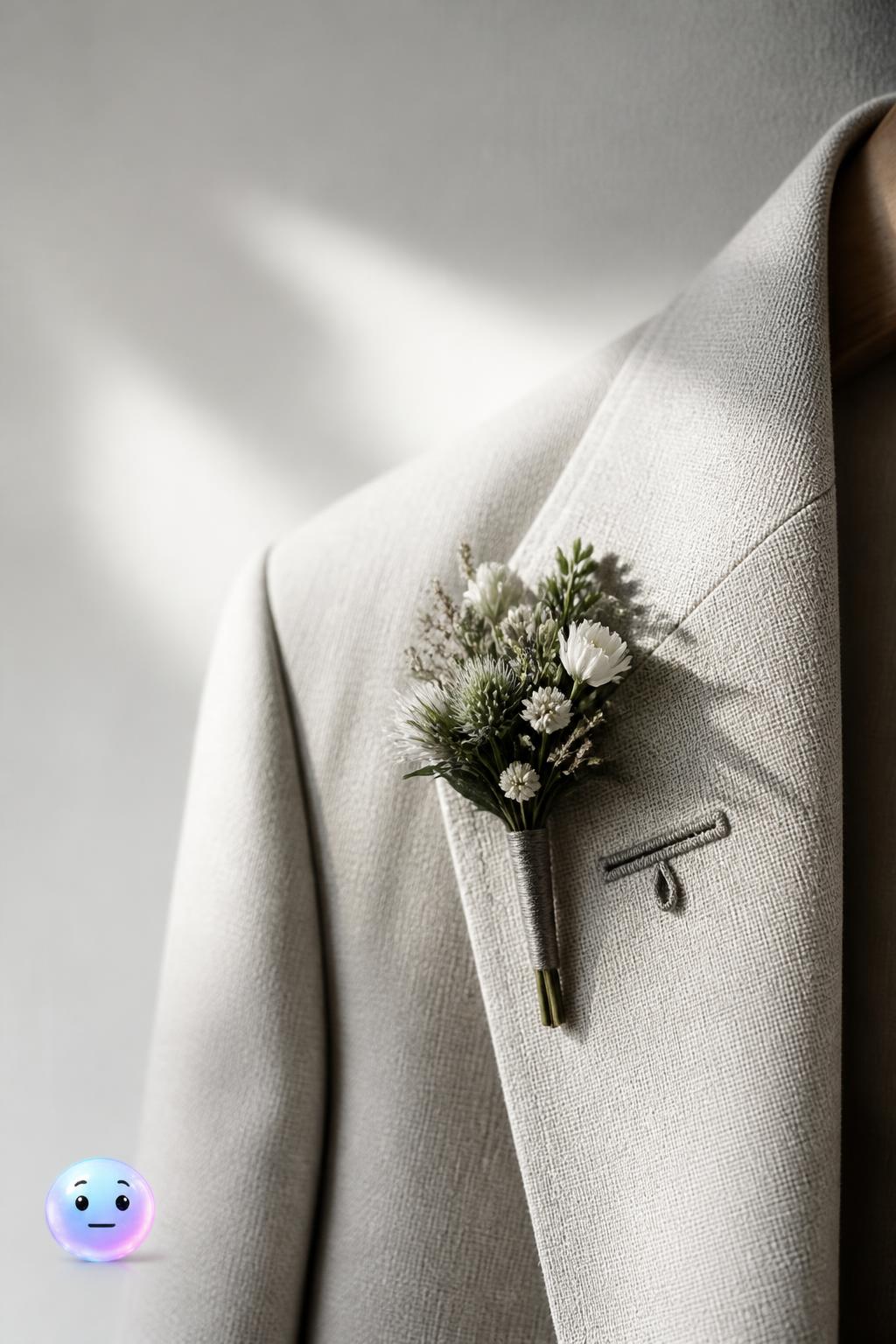
schopenhauer The lapel buttonhole historically allowed wearers to button their jackets closed in cold weather.
What is the purpose of the tiny, hidden thread loop located on the back of a suit lapel, directly under the buttonhole?
What is the functional name of the buttonhole found on the left lapel of a men's suit jacket?
Medieval gussets: Knights had fabric gussets sewn into their under-armor garments so they could swing heavy swords without tearing their clothes.
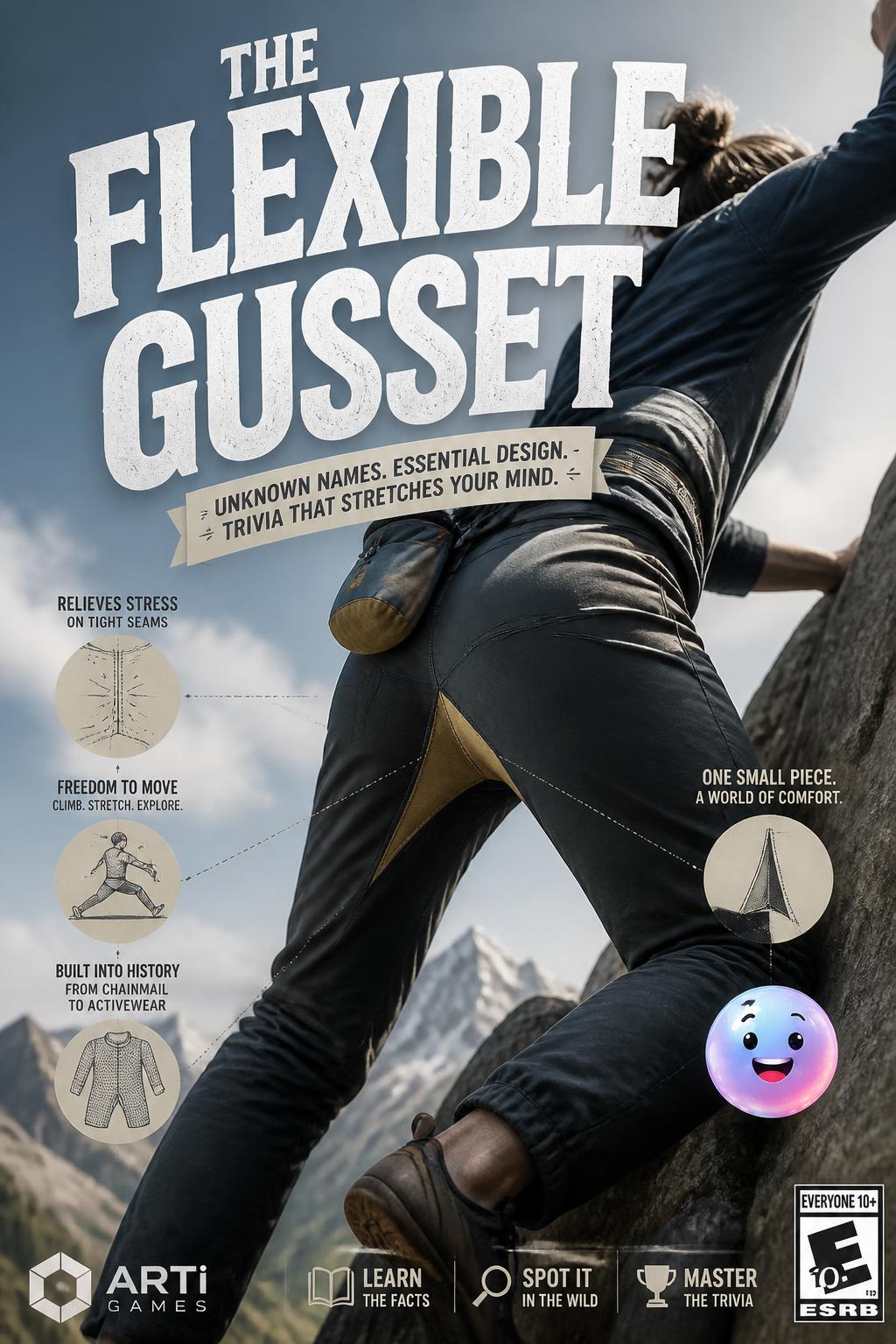
schopenhauer Guess the secret names of clothing parts to discover how the flexible gusset adds comfort.
What is the name of the diamond-shaped fabric insert used to add breathing room and strength to seams under the arms or in the crotch?
In which medieval gear were gussets first extensively used to allow knights to move their limbs freely?
A metal or plastic tube fixed around the end of a drawstring or shoelace to prevent fraying. Englishman Harvey Kennedy patented the modern design in 1790, revolutionizing how people secure their lace-up shoes.
schopenhauer The Shoe Welt
That leather strip is the welt (it's the welt!), keeping water out so the sole can be rebuilt (be rebuilt!).
What is the term for the strip of leather or plastic stitched around the lower edge of a shoe to attach the upper to the sole?
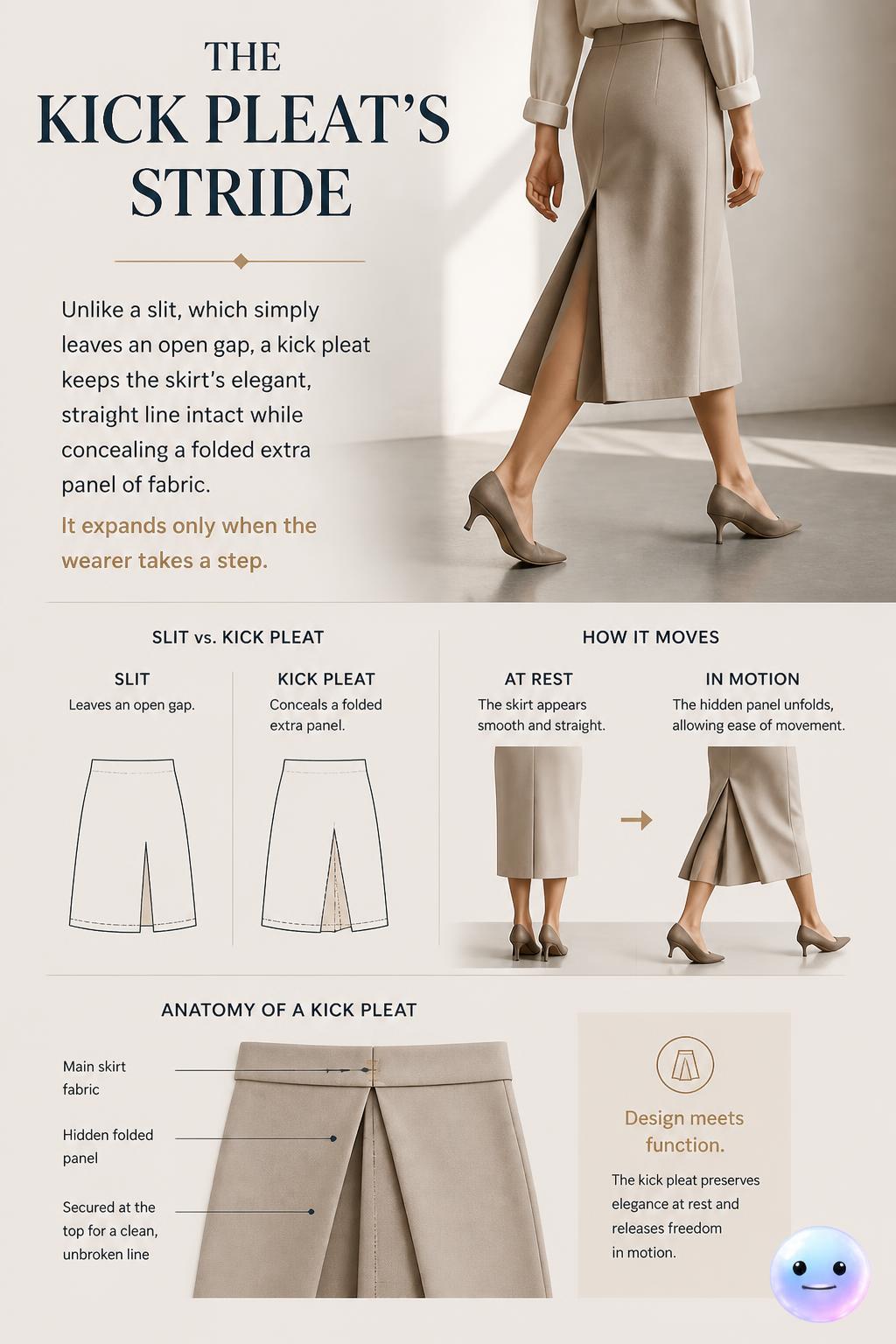
schopenhauer While a simple slit leaves an open gap, a kick pleat conceals a folded fabric panel that expands only when you step.