BETA
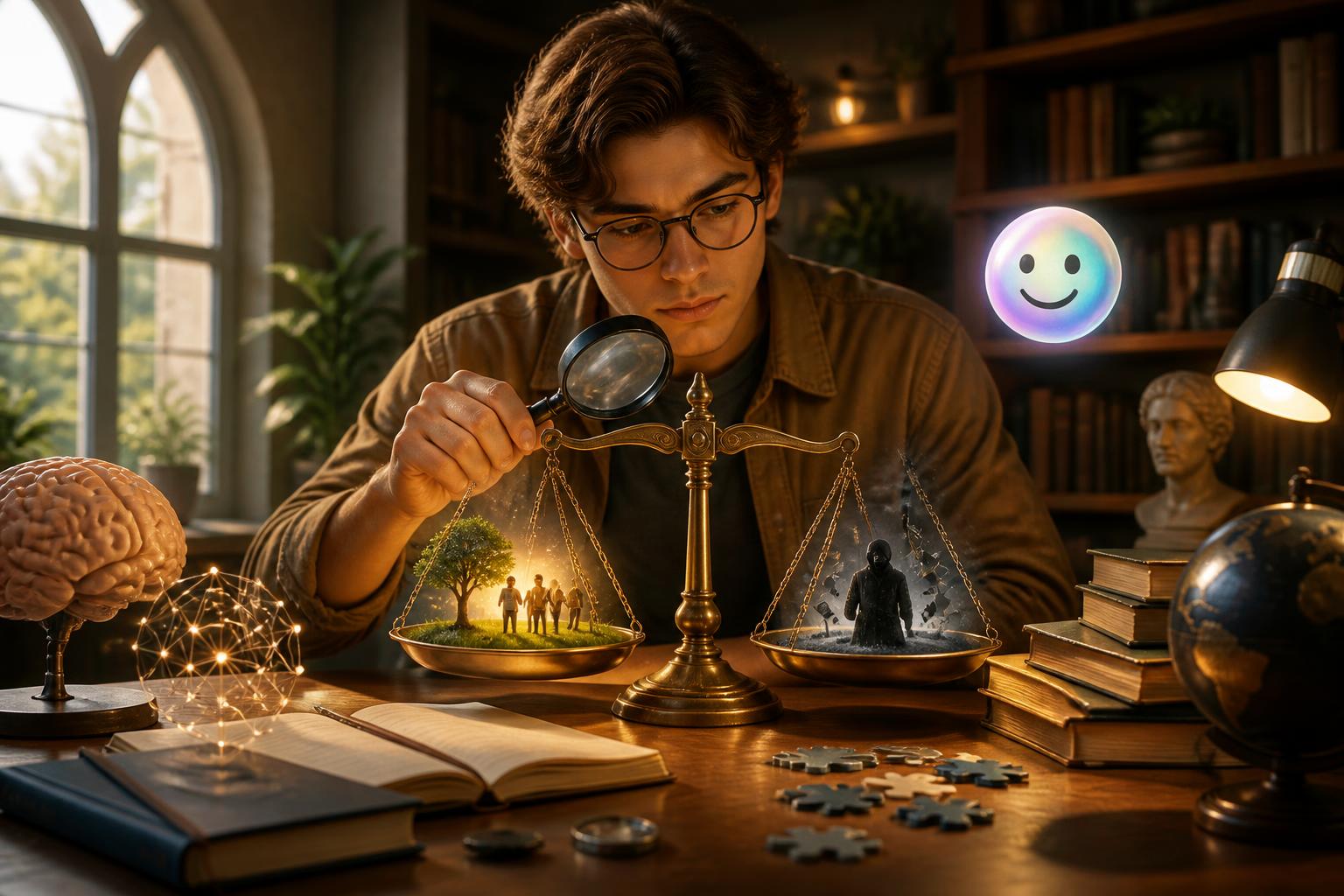
renaissanceman Decode suspicious online clues to learn how to separate real facts from clever lies.
renaissanceman Fact-checking Like a Pro
Is that online story true? Pause, ask yourself, and then review. Check those sources, multiple and sound, That's where real facts can be found.
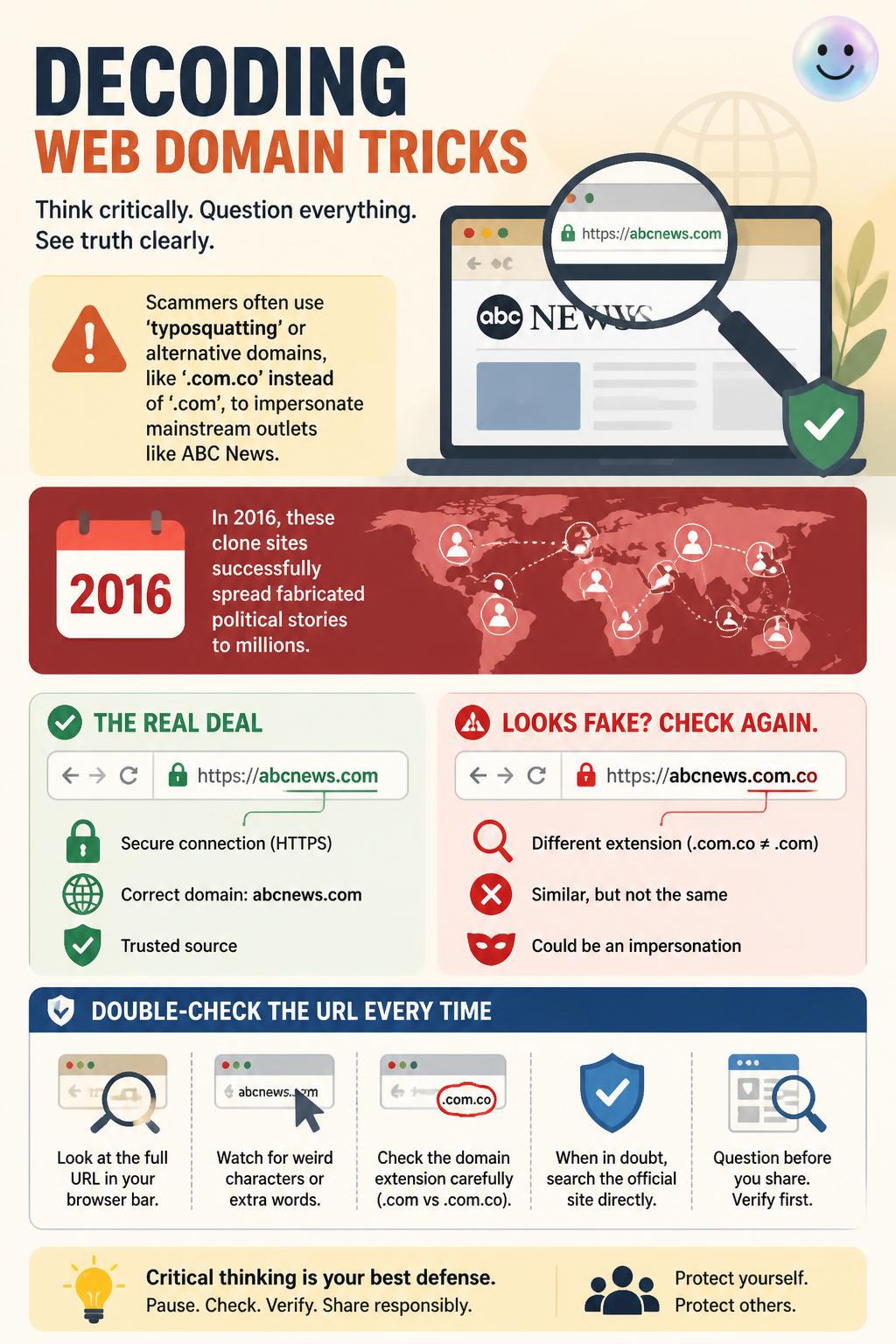
renaissanceman Imposter websites use subtly altered web addresses to mimic trusted news organizations and deceive readers.
Reverse image search: The first reverse image search engine, TinEye, was launched back in 2008.
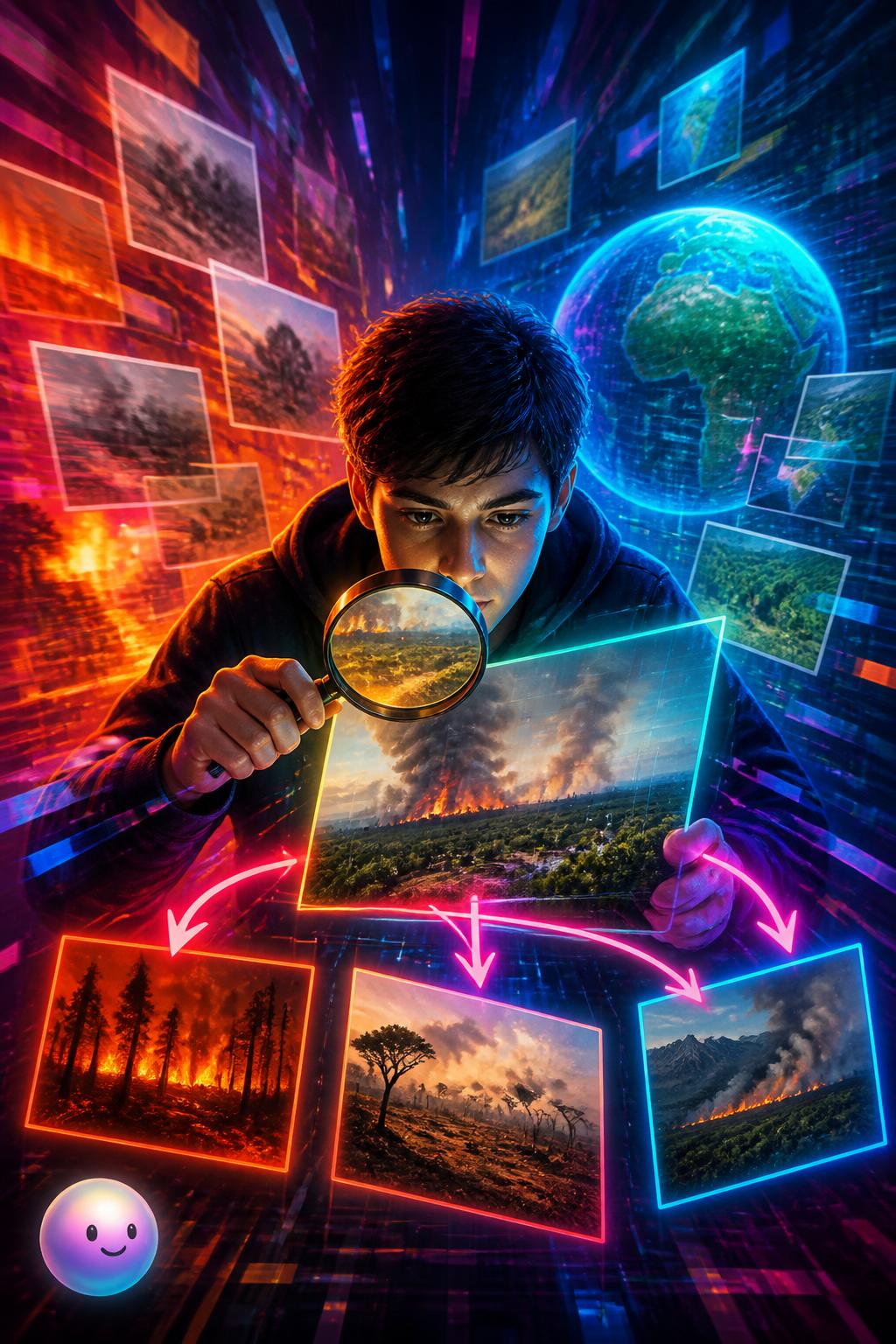
renaissanceman Reverse image searches reveal when and where a photo was actually taken, preventing old images from being misused.
What percentage of climate scientists agree that human activity causes climate change, representing a scientific consensus?
Which organization discovered that professional fact-checkers read laterally while students read vertically?
What domain extension is frequently used by imposter sites to mimic trusted '.com' news outlets?
What is the main danger of relying on a single scientific study that has not been replicated?
Which tool can you use to perform a reverse image search on a suspicious photo?