Chapter 1
Built to survive: the physics of endurance
Chapter 2
The alchemy of endurance: chemistry, color, and clay
Chapter 3
The price of patience: the economics of slow value
Chapter 4
The human thread: keeping the lineage alive
Ch 2 · The alchemy of endurance: chemistry, color, and clay

louisvuitton Kalamkari Painting
We dip it in milk to lock those natural dyes! (Oh yeah, lock it in!) No bleeding colors under Andhra skies! (Under the skies!)
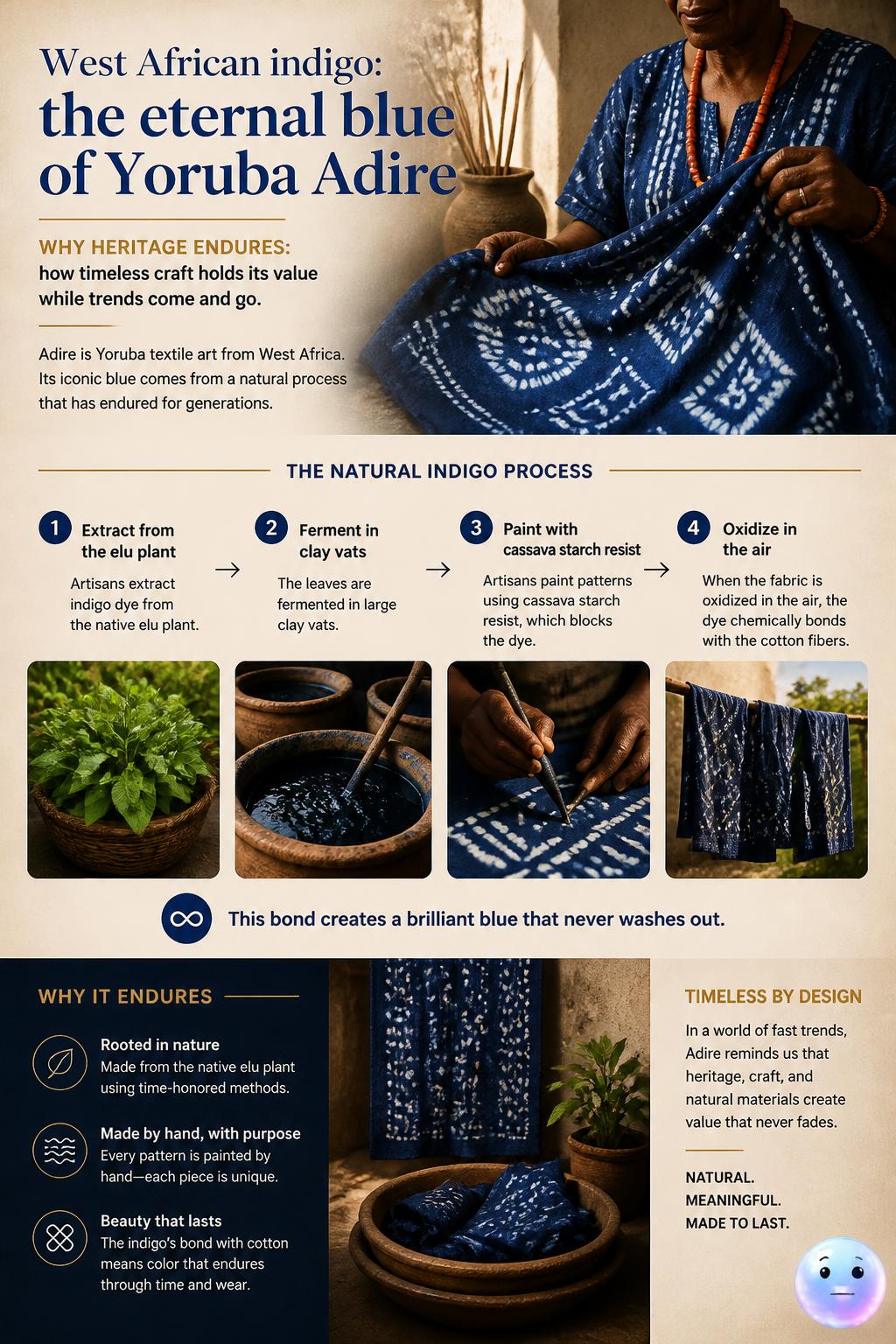
louisvuitton Artisans ferment elu plants in clay vats, paint patterns with cassava starch, and let air permanently bond the blue dye.
Quiz
What natural starch do Yoruba artisans traditionally use as a resist paste to block dye on Adire fabrics?
Quiz
How does the indigo dyeing process chemically change the fabric to ensure the color remains permanent?

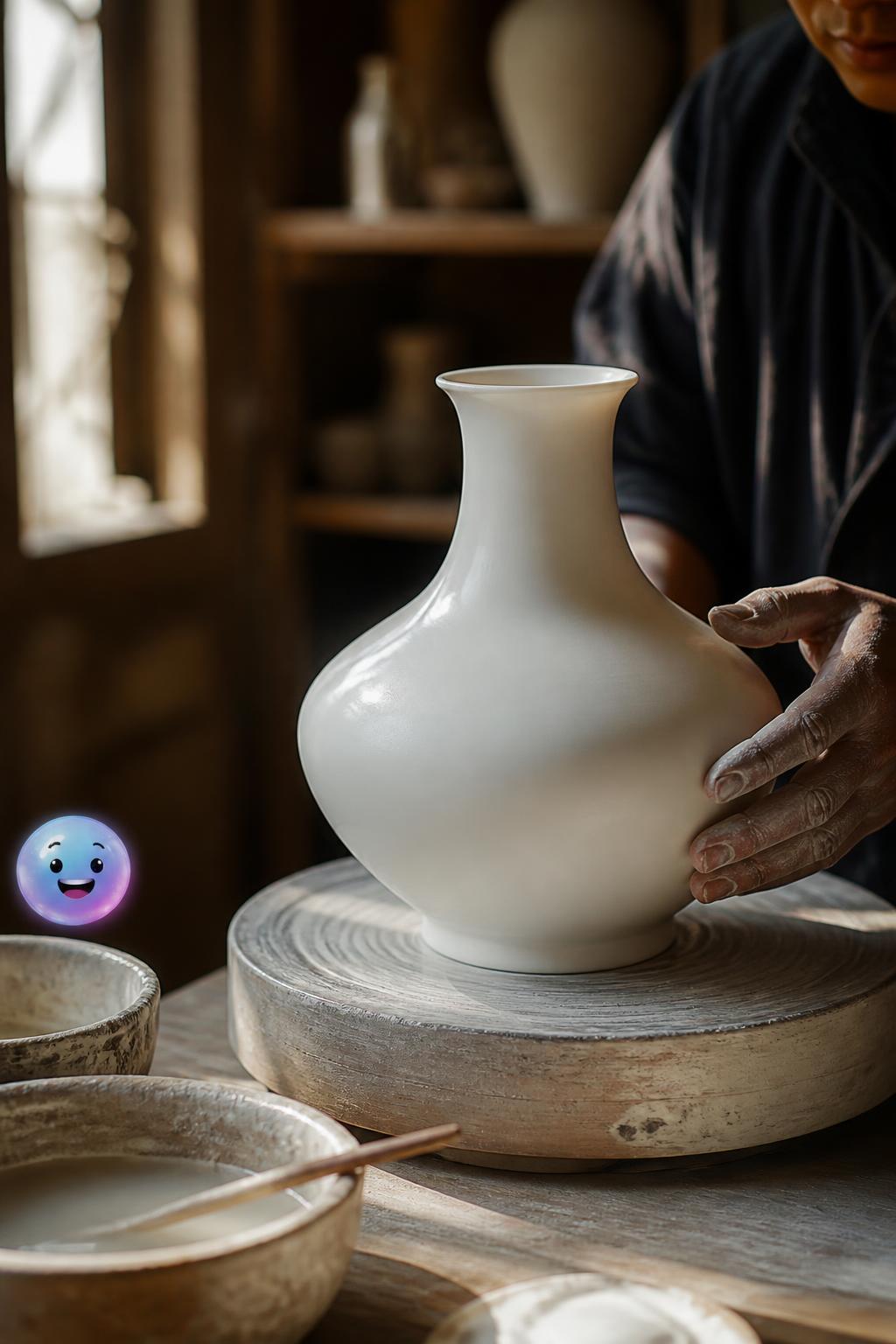
louisvuitton Jingdezhen's ancient clay recipe creates timeless porcelain that resists scratches, liquids, and heat.
Quiz
At what minimum temperature must porcelain be fired to achieve its signature glassy, vitrified state?
Quiz
What specific type of white clay is essential for creating authentic, high-strength Chinese porcelain?
Fun Fact
Porcelain strength: High-quality fired porcelain is so hard that it can scratch steel and was historically used in China to make durable scale weights.
Quiz
Why is the clay from the city of Fez specifically prized for making Moroccan Zellige tiles?
Quiz
What traditional tool do Moroccan Maâlems use to hand-chisel glazed terracotta tiles into geometric shapes?
Glossary
clay (noun)
A stiff, sticky natural earth that can be molded when wet and baked to make pottery. During the Song Dynasty, Chinese artisans fired local clay to produce their iconic green celadon ceramics.
A stiff, sticky natural earth that can be molded when wet and baked to make pottery. During the Song Dynasty, Chinese artisans fired local clay to produce their iconic green celadon ceramics.
Quiz
Why do Kalamkari artisans soak their cotton cloth in buffalo milk before drawing on it?
Quiz
What does the word 'Kalamkari' literally translate to from its Persian and Sanskrit roots?