Chapter 1
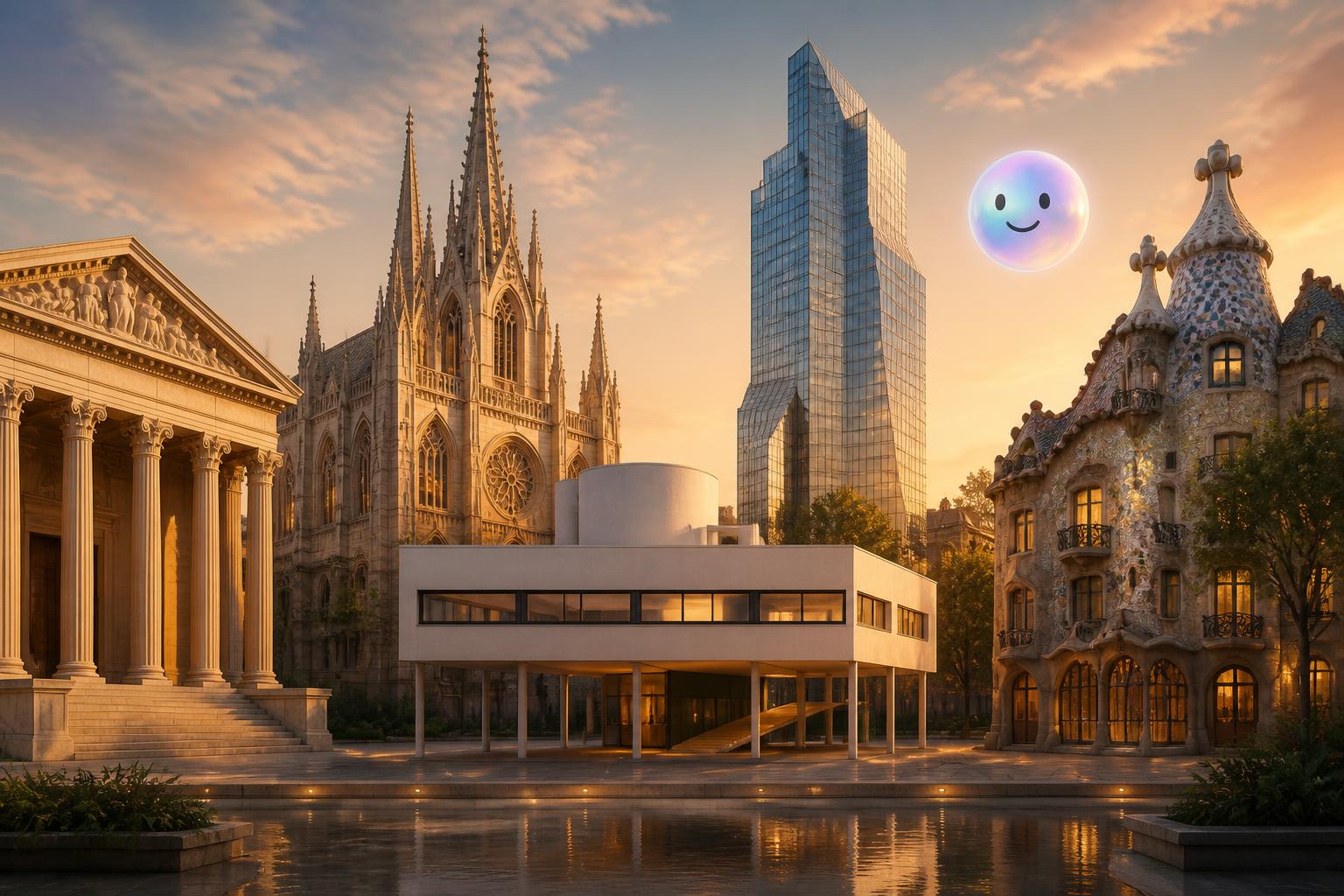
Gravity-defying structural magic
Chapter 2
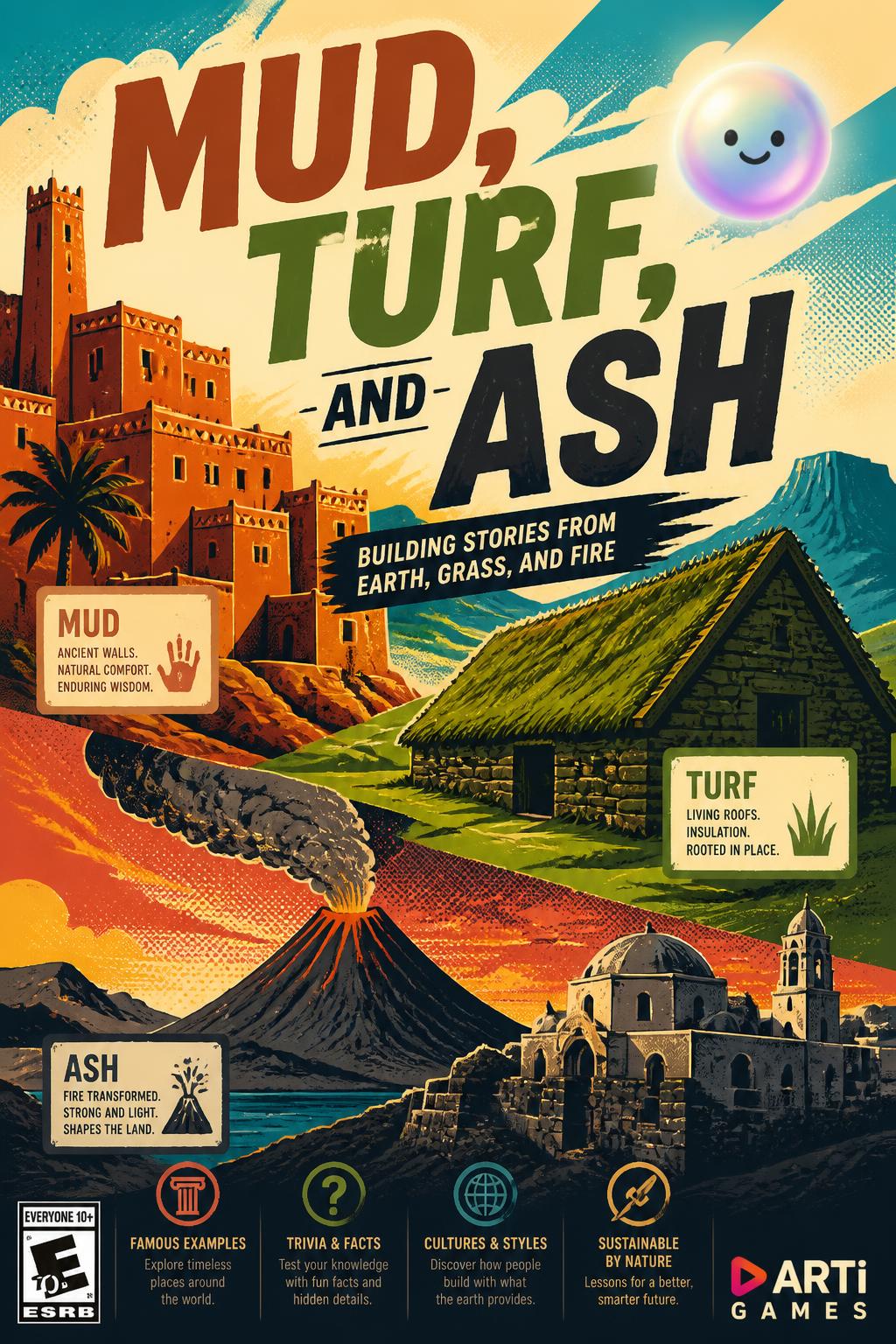
Mud, turf, and volcanic ash
Chapter 3
Mind-bending optical illusions
Chapter 4
The modern steel and glass revolution
YOUR GOAL
Master of How buildings defy gravity, trick eyes, and shape history
Ch 2 · Mud, turf, and volcanic ash
schopenhauer Icelandic Turf Houses
The ash inside the turf can tell you when we built the walls
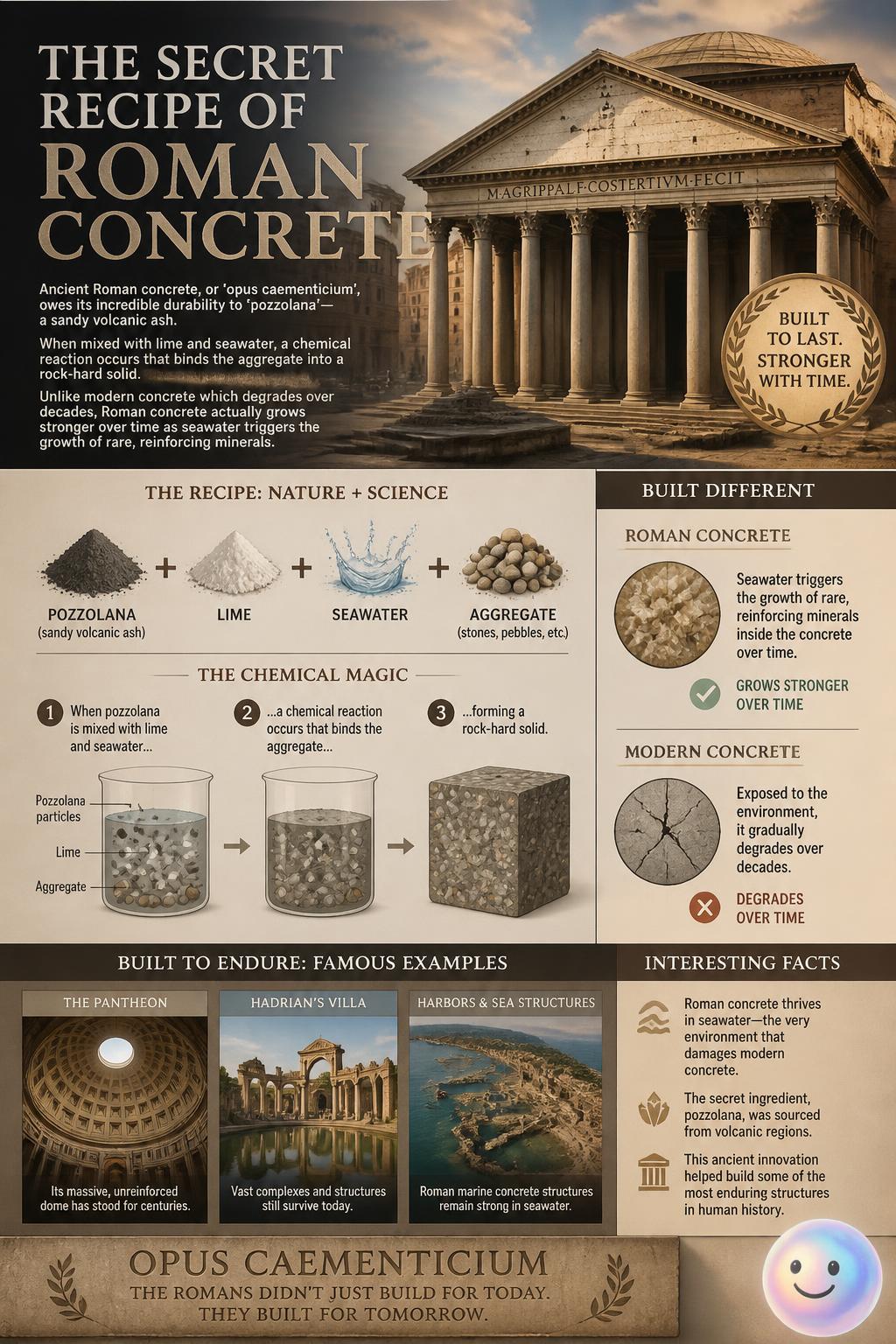
schopenhauer Volcanic ash and seawater created a building material that grows stronger over millennia.
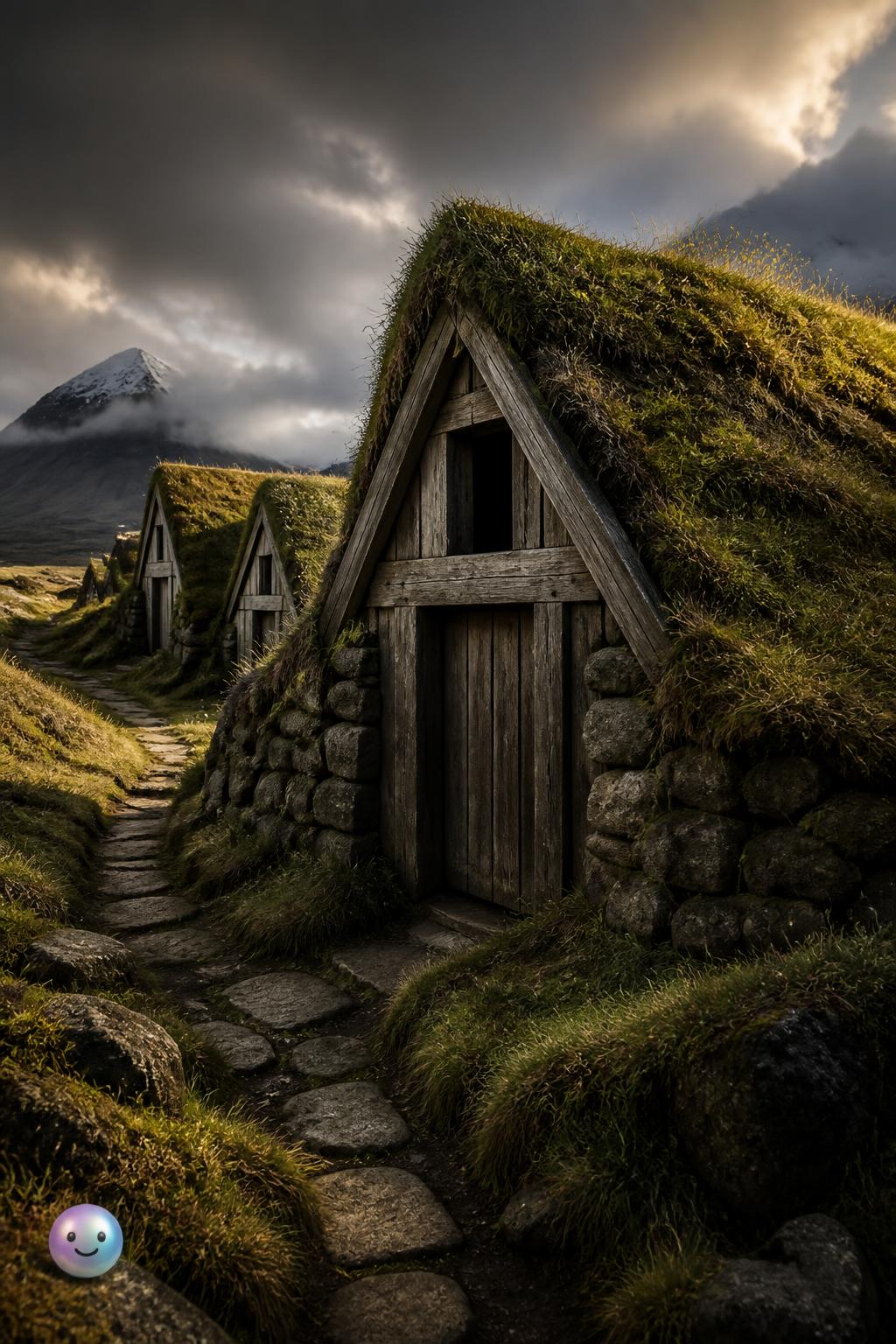
schopenhauer Thick layers of living sod provide natural insulation against freezing subarctic winds.
BETA
schopenhauer Match raw materials to famous structures to learn how ancient civilizations built with nature.
Fun Fact
Self-healing concrete: Ancient Roman concrete can self-heal its own cracks because it contains tiny lime clasts that react with rainwater to fill in newly formed gaps.
Glossary
turf house (noun)
A traditional dwelling built with blocks of sod and stone to provide natural insulation. In 1104, the catastrophic eruption of Mount Hekla buried several of these Icelandic structures in volcanic debris.
A traditional dwelling built with blocks of sod and stone to provide natural insulation. In 1104, the catastrophic eruption of Mount Hekla buried several of these Icelandic structures in volcanic debris.
Quiz
How did traditional Icelandic turf houses protect families from harsh subarctic winters?
Quiz
What material did Puebloan peoples use alongside sandstone to construct their multi-story cliff dwellings?
Quiz
How were the famous medieval rock-cut churches of Lalibela, Ethiopia, constructed?
Quiz
What secret ingredient allowed ancient Roman concrete to harden even when submerged in seawater?