
What specific type of waste do Tokyo's AI sorting robots mainly
What specific type of waste do Tokyo's AI sorting robots mainly identify and separate?
The mechanical ancestors of automation
How modern AI brains actually work
AI at work around the global village
The future of human-AI teamwork

sonia In 2020, Te Hiku Media created a speech-to-text algorithm using 300 hours of archival audio. This AI transcribes historical recordings, protecting Māori data from global tech giants.
sonia Tokyo tech firms deploy AI cameras and robotic arms to separate bottles and cans at 100 items per minute. This automation helps process Japan's massive annual plastic waste.
sonia Since 2018, Penn State's offline artificial intelligence scans leaf patterns with 90% accuracy. This instant smartphone diagnosis prevents devastating crop losses for smallholders without internet access.
sonia Hospital staff text orders for urgent medical supplies, and GPS-guided drones parachute them down. This automated network has slashed blood delivery times from four hours to twenty minutes.

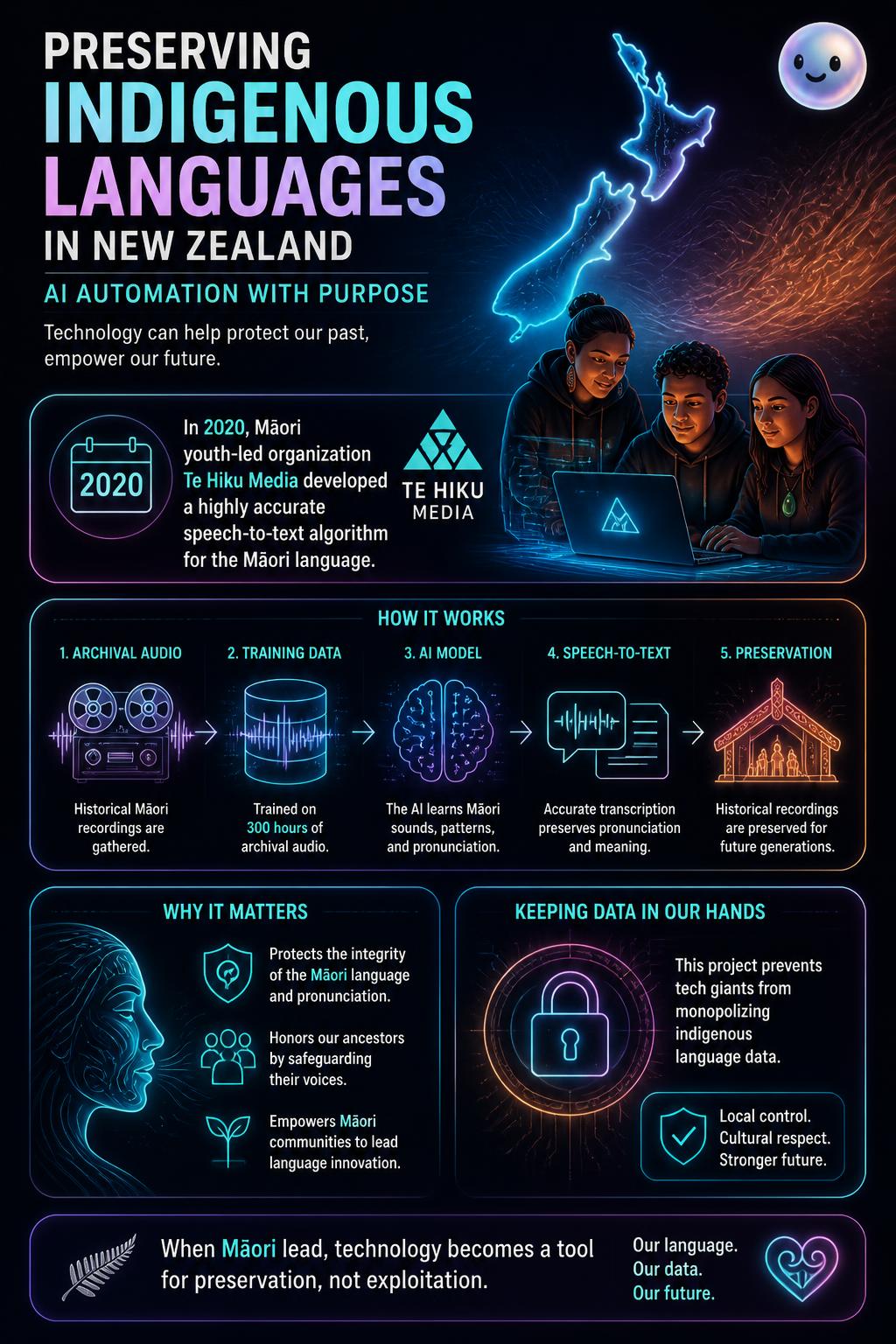
sonia Māori broadcasters are using speech-recognition AI to transcribe and save thousands of hours of historical audio.
Drone deliveries: In Rwanda, autonomous drones drop life-saving medicine packages by parachute.
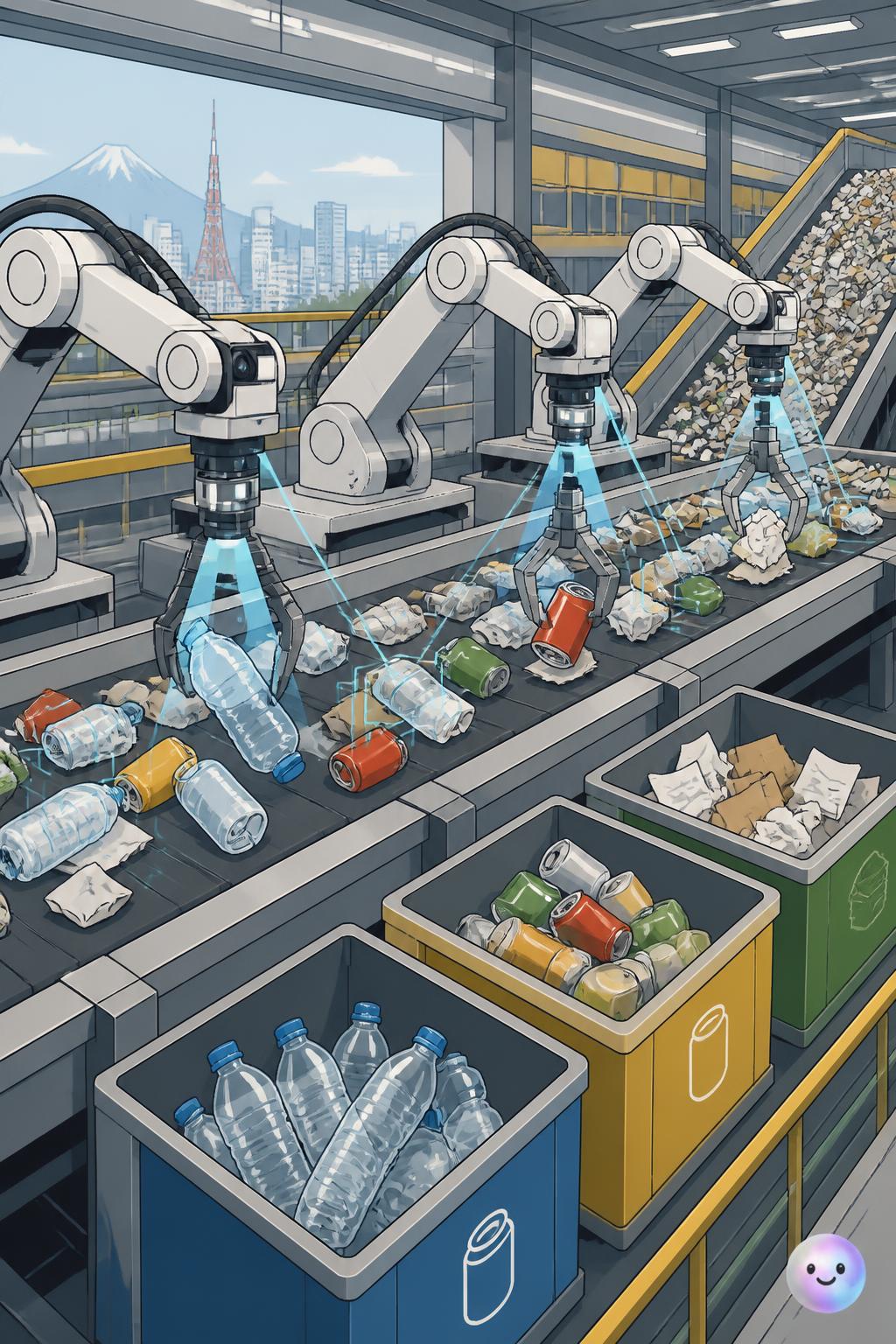
sonia High-speed robotic arms in Tokyo use AI to sort complex recyclable waste faster than humans.
The world considered as a single community linked by telecommunications. Marshall McLuhan coined the term in 1962, predicting how electronic media would connect humanity across vast distances.
Which indigenous language is being preserved using speech-to-text AI developed by Te Hiku Media?
In which country does Zipline operate autonomous drones to deliver blood to remote clinics?
What percentage of accuracy does the PlantVillage Nuru app achieve when diagnosing crops?