Chapter 1
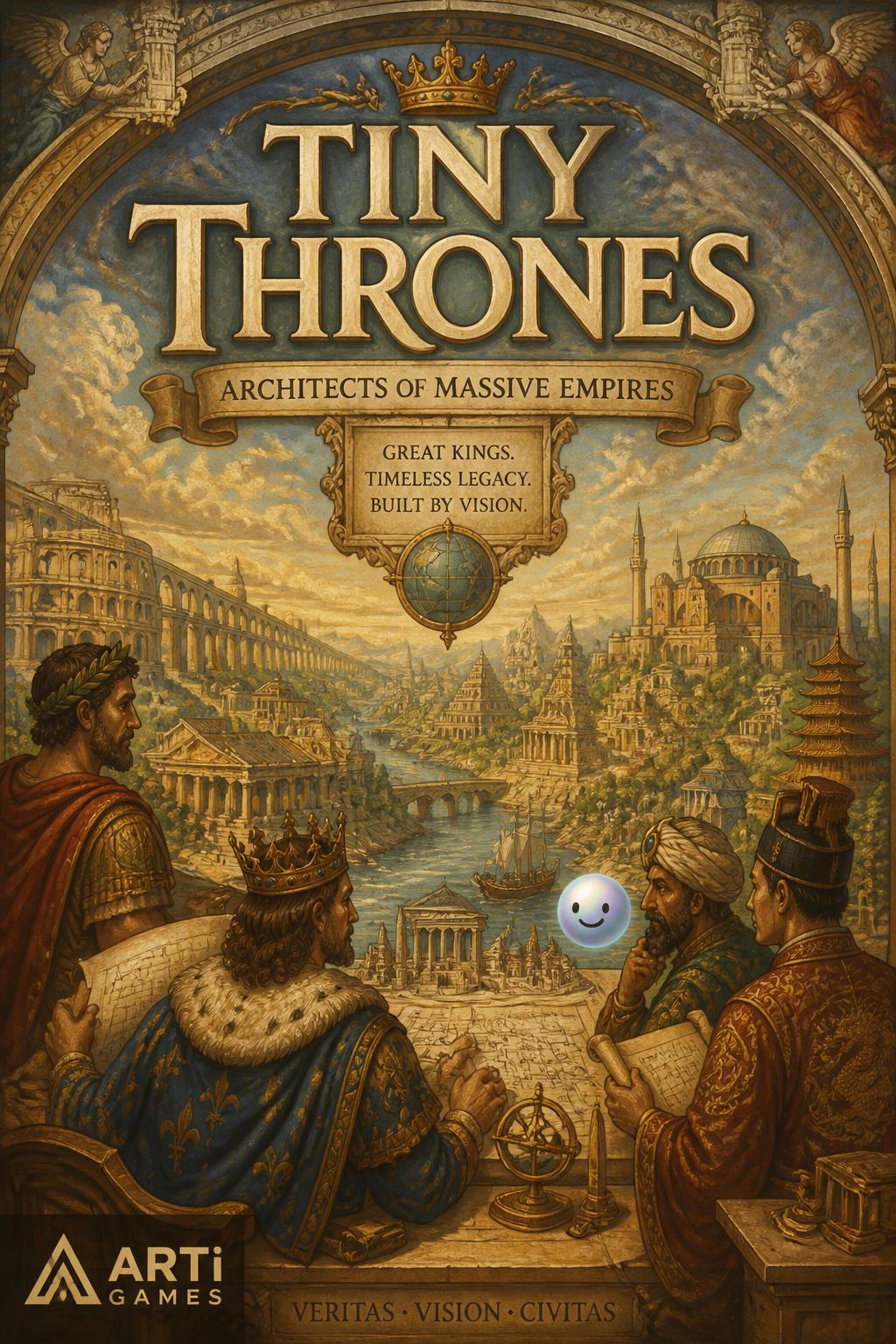
Architects of massive empires
Chapter 2
Golden ages of culture and science
Chapter 3
Lawmakers who shaped society
Chapter 4
Monarchs of unexpected talents
YOUR GOAL
Master of Great kings in history
Ch 1 · Architects of massive empires
schopenhauer Architects of Massive Empires
Base-isolated stone, sliding through the shake, built to never break!
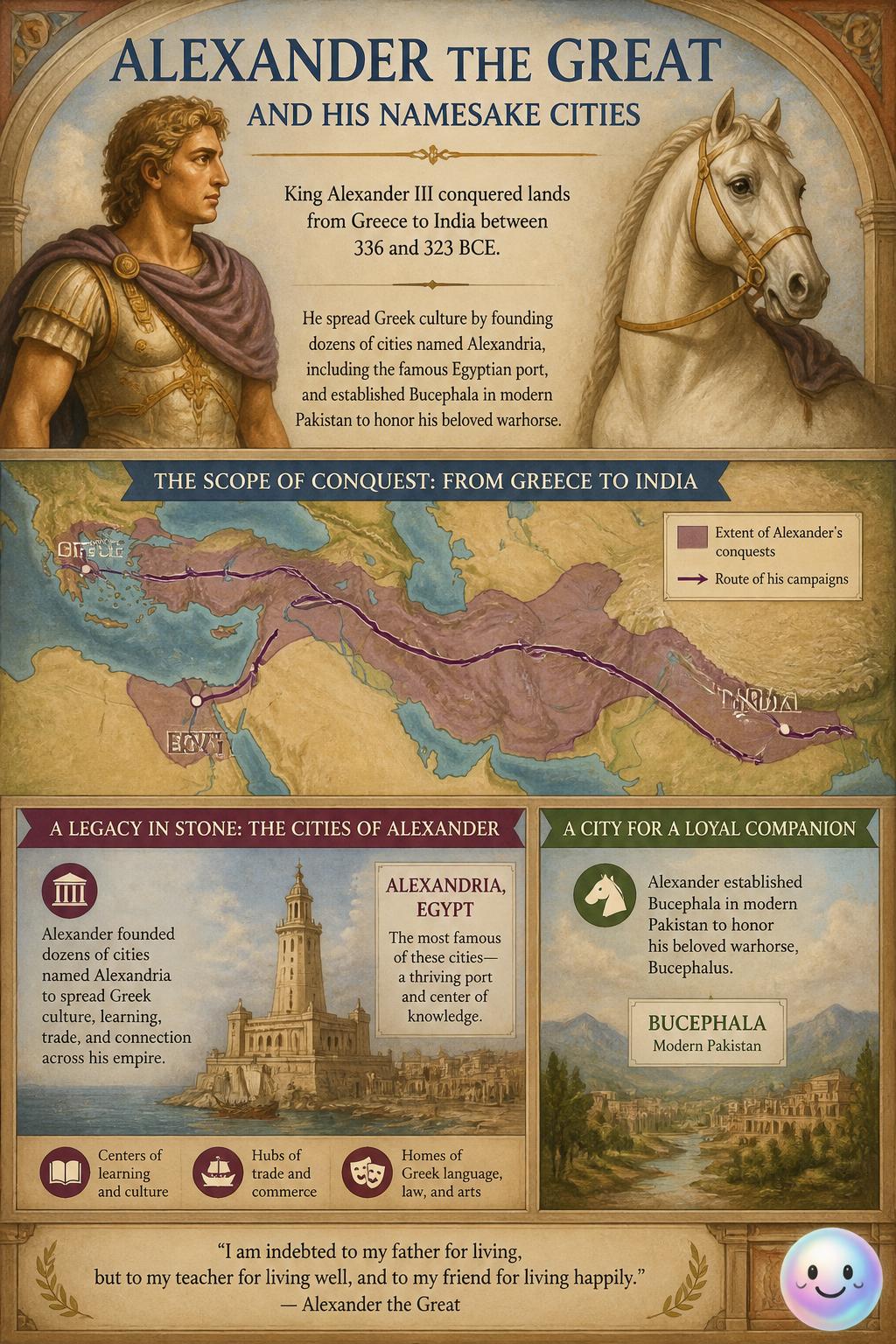
schopenhauer Alexander of Macedon founded over seventy cities named after himself, and even one named after his favorite horse.
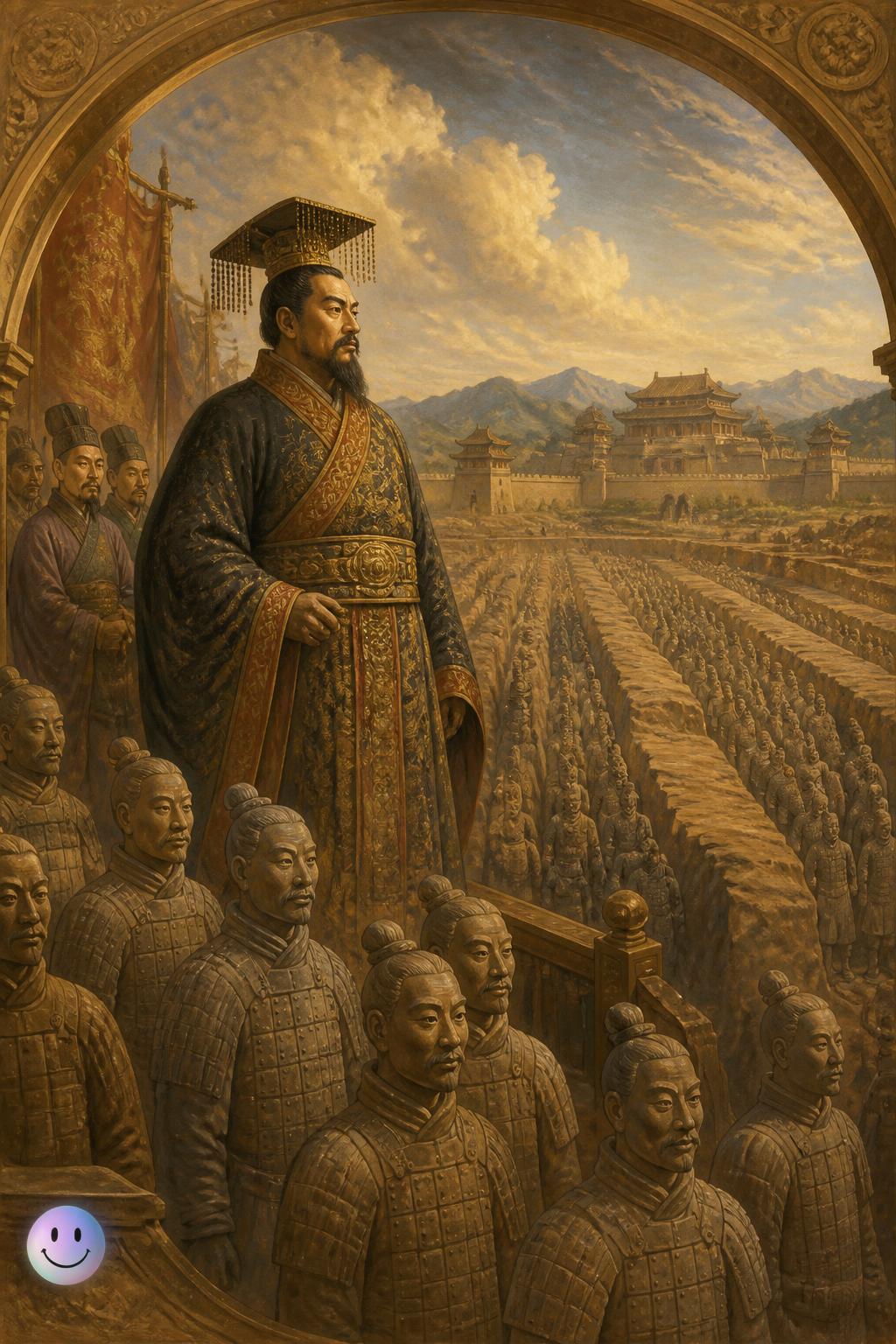
schopenhauer China's first emperor built a massive clay army of thousands of unique soldiers to protect him in the afterlife.
BETA
schopenhauer Match each tiny ruler to their throne to learn who led history's greatest empires.
Fun Fact
Alexander's horse: Alexander the Great named a city, Bucephala, after his horse Bucephalus.
Glossary
empire (noun)
An extensive group of states or countries ruled over by a single supreme authority. Cyrus the Great founded the Achaemenid realm in 550 BCE, uniting much of the ancient Near East.
An extensive group of states or countries ruled over by a single supreme authority. Cyrus the Great founded the Achaemenid realm in 550 BCE, uniting much of the ancient Near East.
Quiz
In which modern country was the ancient city of Babylon, conquered by Cyrus the Great, located?
Quiz
How many life-sized clay soldiers are estimated to be in Qin Shi Huang's Terracotta Army?
Quiz
What was the name of Alexander the Great's beloved warhorse, after whom he named a city?
Quiz
Which Hawaiian king successfully unified all the Hawaiian Islands under one rule by 1810?
Quiz
What was the name of the humanitarian law established by Kamehameha I to protect travelers and civilians?
Quiz
Which Chinese emperor ordered the construction of the Terracotta Army to guard his tomb?
Quiz
Which famous Egyptian port city, home to a legendary library, was founded by Alexander the Great?
Quiz
What ancient artifact, created in 539 BCE by Cyrus the Great, is often called the first declaration of human rights?